
From kits to pods, sensory-inclusive services grow at area venues
Imagine being at an event or venue and being so overwhelmed by the noise that it’s difficult to enjoy yourself.
Or needing just a small break from flashing or bright lights.
Now, more places not only are aware that guests might need a break, but also they’re becoming certified in sensory-inclusive services to accommodate all guests.
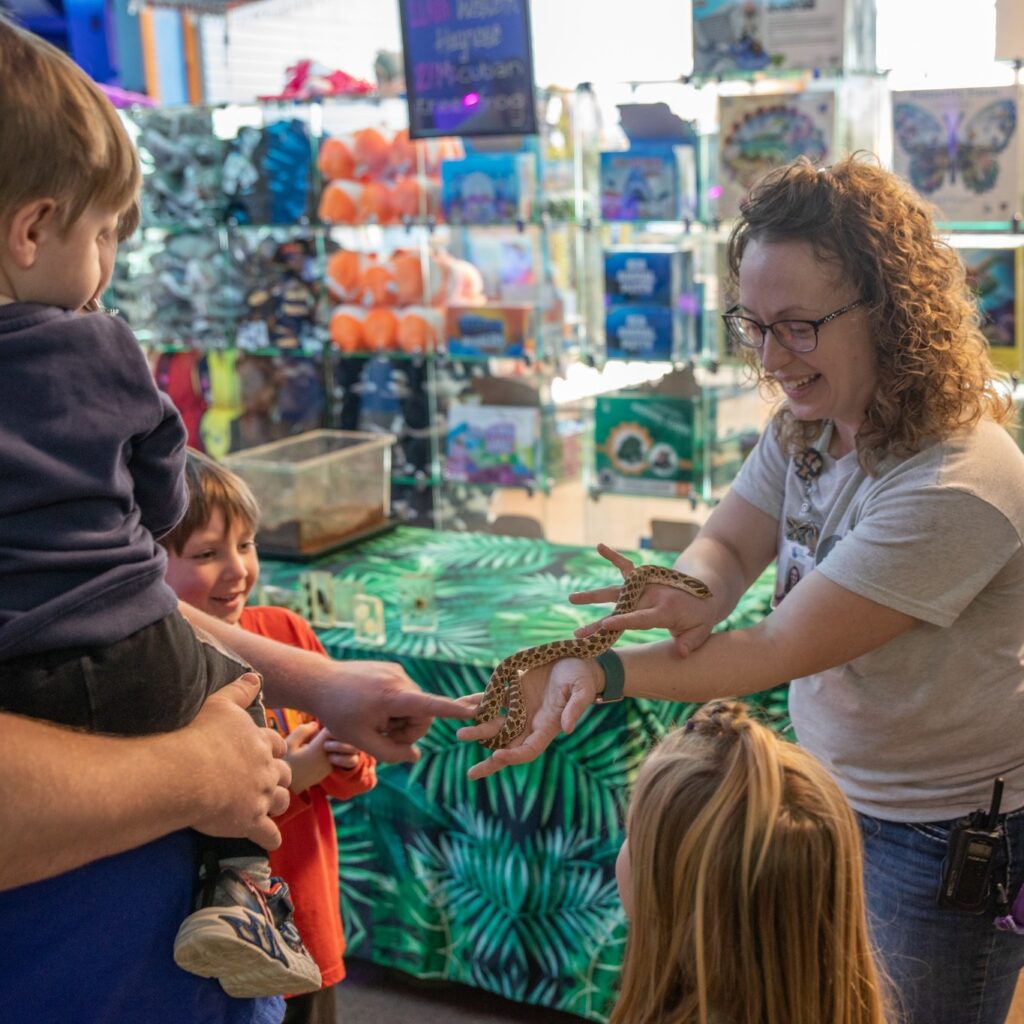
Denise DePaolo, director of public relations and marketing for the Great Plains Zoo, said the entire staff of the zoo and Butterfly House & Aquarium are Kulture City certified.
“We believe everybody has a right to connect with nature and enjoy the amenities in their community,” DePaolo said. “We want to make sure, in as many ways possible, that people can enjoy the zoo and the Butterfly House.”
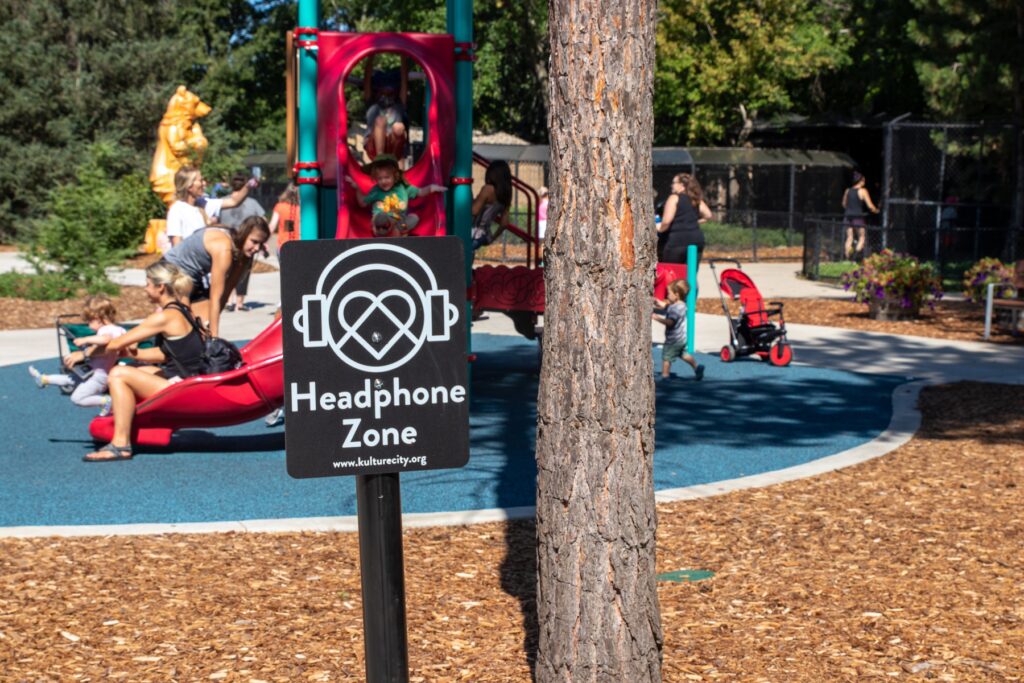
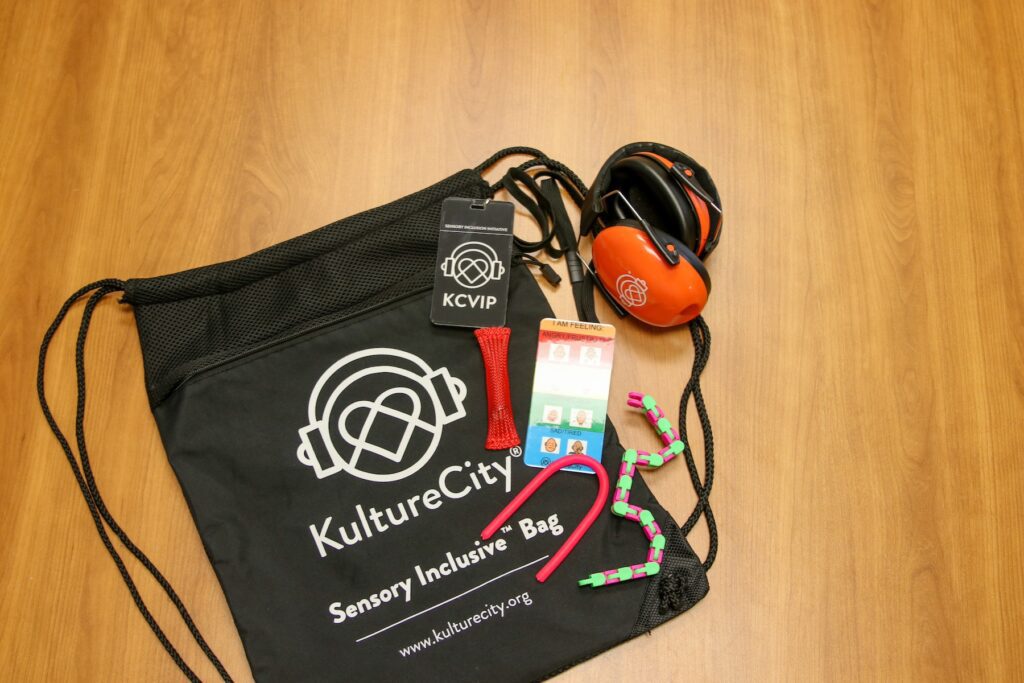
Guests can check out sensory bags – kits that include noise-reducing headphones, fidget toys and other items that can help people with varying sensory needs. In areas with a lot of commotion – such as near construction areas or busy exhibits – there are signs indicating it’s a zone where guests might want to put on their headphones.
Kulture City is a national nonprofit dedicated to promoting inclusivity and accessibility for individuals with sensory needs.
Most recently in Sioux Falls, the Denny Sanford Premier Center also became certified. The nonprofit partnered with singer Lauren Daigle to help certify the event venue.
Staff members go through training on how to recognize guests and fans with sensory needs and how to handle a sensory-overload situation.
Jim Johnson, assistant general manager of the Premier Center, said Daigle’s team reached out to help cover the costs of training and services.
“Lauren is a big proponent of making sure her programs are good for those with neurodivergent populations,” Johnson said. “We’re seeing a lot of venues implement programs like this. It’s important to be as inclusive as we can to the communities we serve.”
At the Premier Center, guests can check out sensory kits, but they also can use a pod if they need to escape and reset for a moment.

“It’s been shown that almost one in four people have a sensory-processing condition that is different from other folks,” Johnson said. “That can manifest as loud noises, bright lights, touch even comes into it. With that number of people, it’s important for a venue that’s here to serve the community to have programs that welcome people.”
Inside the Premier Center’s 8-by-8-foot pod, there’s low lighting, touch panels with different textures and beanbag chairs. Daigle’s team paid for the pod.

“If folks are at an event and they need a break or are getting overwhelmed by the sound or the lights, they can go and have a quiet and more serene place so they can go back and enjoy the event,” Johnson said.
“Some venues have dedicated built-in rooms, but we didn’t have that available, so they offered us the pod,” he said. “Anyone can go check in for its use. We have staff members outside.”

The staff members also are trained – anyone from the box office to ushers and security.
Like the zoo, the Premier Center also offers sensory kits, including a communication card for guests who are nonverbal. “One side has images, so you can point to how you’re feeling, and the flip side is a visual indicator of restroom, concession stand and exit. So our staff can see that and help direct them where they need to go,” Johnson said.

The response has been great, Johnson said. The Premier Center planned to launch the pod for the Daigle concert but ended up going a day early during a Sioux Falls Storm game.
“We had a parent with a child walk by and see the pod, and say, ‘this is amazing,’ and it got used a little early,” Johnson said. “Their son loves coming to the games, but they usually have to leave after the first quarter because he starts getting overwhelmed. But they were in the pod for 15 minutes and then were able to go back and watch some more.”

For the concert, a couple brought their two children who have autism and who are Daigle fans. During the performance, one of the kids became overwhelmed, Johnson said. “Mom took her out to the lobby, and one of our staff members who had gone through the training was able to recognize they were looking for something, and she was able to show them the room. It was just a great experience for them.”
At the zoo, a similar space is called the Mother’s Nest, DePaolo said. “It’s a safe space where families who need quiet time to step away can have just that.”
DePaolo said the community that needs these services has strong advocates, and places like the zoo rely on them to know what accommodations should be made.
“We have done things like Sensory Sunday, when people can come in an an hour before the zoo opens,” DePaolo said. “Maybe we have five or six families, but for those families, that might be the only time they can enjoy the zoo with their families.”
Another change the zoo has made is adding adult-sized changing tables in one of the family restrooms.

“We have had people reach out and ask for that,” she said. “The zoo was not built with accessibility in mind, so we make sure every choice we make going forward has that. Having that changing table is the difference between being able to go and not go to the zoo for those families.”

The zoo website has a list of accessibility features in an effort to be explicit about the amenities available for people with different needs. “People can plan their trip and feel more comfortable and less anxiety if they’ve never been to our locations before,” DePaolo said. The zoo also rents wheelchairs and scooters, and service animals are welcome in certain areas.
At the Premier Center, guests can download the free Kulture City app to see what sensory feature are available and how to access them. The app also features a social story, previewing what to expect while at an event.
DePaolo said the Butterfly House also is certified through Kulture City. Since its inception in 2014, Kulture City has certified more than 1,800 venues as being sensory inclusive and handed out almost a million sensory bags to individuals in need.
“The feedback we’ve received has been overwhelmingly positive,” DePaolo said. “People understand this should be something everyone gets to experience. Everyone should see their favorite animal or have fun splashing in the water with their friends and family.”
Johnson agrees.
“When you think about events – Storm football or Stampede hockey or monster trucks – they appeal to the whole family, but they are loud and high energy and have a lot of action and lights,” Johnson said. “This just gives us some extra tools for families to be able to enjoy the experience.”
Jean Pearson, the city’s recreation program coordinator of aquatics, said Midco Aquatic Center in the past has offered four weeks of sensory-friendly programs for kids.
“We tried to schedule at a time when the facility was a bit quieter and less occupied. We didn’t run any background music. We didn’t do any overhead announcement. And we didn’t turn on the water features,” Pearson said. “So people could come and use that time if they self-identified as someone with a sensory sensitivity or had children who needed that quieter environment.”
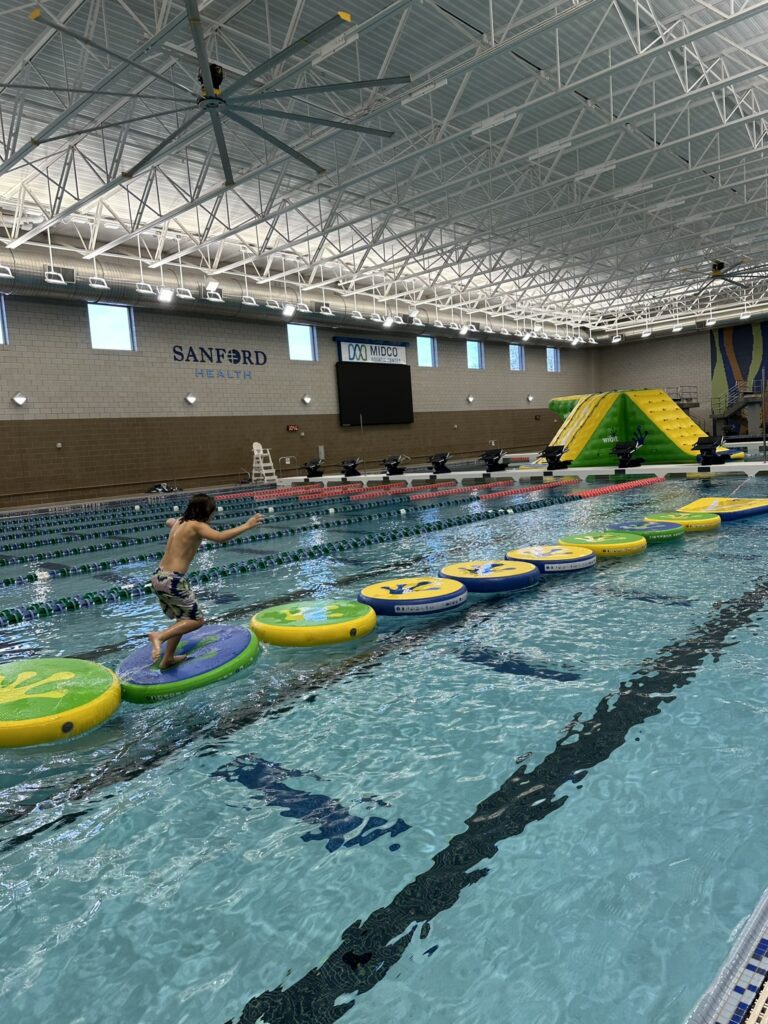
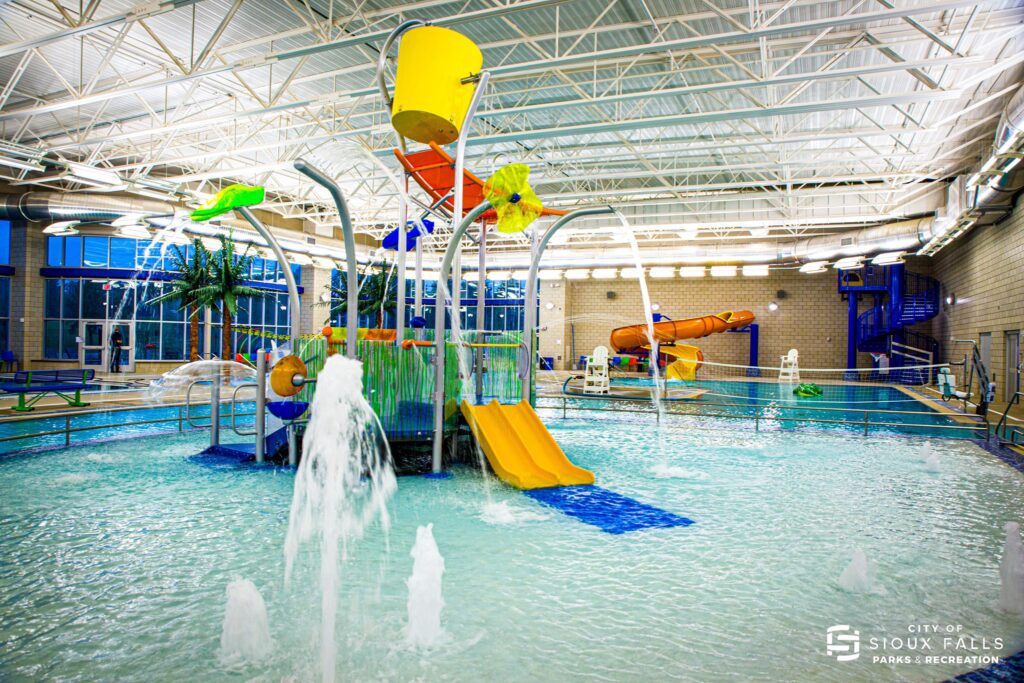
There aren’t plans this summer to offer similar programming, but Pearson said she can see offering it again later in the year or in the spring. “I know there are families who would like to see it,” she said. Sometimes, families will ask if they can turn off the water features, and when the center can accommodate it, they do, Pearson said.
“If someone isn’t actively using the play features, we can turn them off,” she said. “Some kids who have autism do not like those features. When we turn them off, it’s not as scary. They can still go down the slide and dump water if they want to out of the flowers.”
Pearson said she wants people to feel good about visiting the pool.
“I want them to have a good experience, so they are safe around water and aren’t scared of it,” she said. “This is something they can do their whole life. I don’t want them to be scared and then not want to come to the pool. That breaks my heart.”
DePaolo said understanding the different needs of guests is a win-win for organizations.
“It helps us to understand the world from different perspectives, from the perspectives of individuals who have different needs than we have, so we can provide the best experience we can,” DePaolo said.
Share This Story
Most Recent
Videos


Looking amazing @dtsiouxfalls and @washpav! Thanks to @jpickthorn for capturing an incredible night.
Nov 26

Enjoy this glow headed into Halloween week! 📸: @jpickthorn
Oct 31
Hope you had a wonderful summer weekend and are recharged for the week ahead! 📸: @jpickthorn
Jun 27
Beautiful way to start a week! 📸: @jpickthorn
Jan 10
Favorite flyover of the year! Merry Christmas from our entire @pigeon605news flock. 🎄🐦 📸: @actsofnaturephotography
Dec 24
They definitely deserve to be treated like holiday royalty and they were! ❤️ these scenes from tonight’s lighting celebration at @sanfordhealth Children’s Hospital. 🎄
Dec 1
The holidays are here! Perfect night @dtsiouxfalls
Nov 27
Happy Halloween from @avera_health NICU babies! Link in bio to see more! 🎃
Oct 31
Did you know @dtsiouxfalls is filled with 👻 stories? Link in bio … if you dare 😱
Oct 8
When it comes to kids parties nobody wants to be cookie-cutter. Link in bio for the story on what’s trending.
Sep 28
Want to stay connected to where you live with more stories like this?
Adopt a free virtual “pigeon” to deliver news that will matter to you.



Are you a little bird with something to share?

Delivering news that matters to you
Years ago, homing pigeons were used to bring us news we needed. Today, your virtual “pigeon” will deliver what you want to know about the place you call home.
All pigeons are free to good homes!
Our Partners