
New local food directory connects consumers with area producers
If you want to do your part to shop local, you probably already have favorite businesses to visit.
You might know local companies that provide services such as plumbing or electric, if you want to go that route.
But what if you want local eggs, meat or honey?
It might be more difficult to know where to start. That’s where Dakota Rural Action comes in, with a local guide that helps people source their food close to home.
Katie Stahl, project coordinator for Dakota Rural Action, said the first local foods directory was created in 2003 in Brookings. A few years ago, it transitioned to Stahl’s team to update.
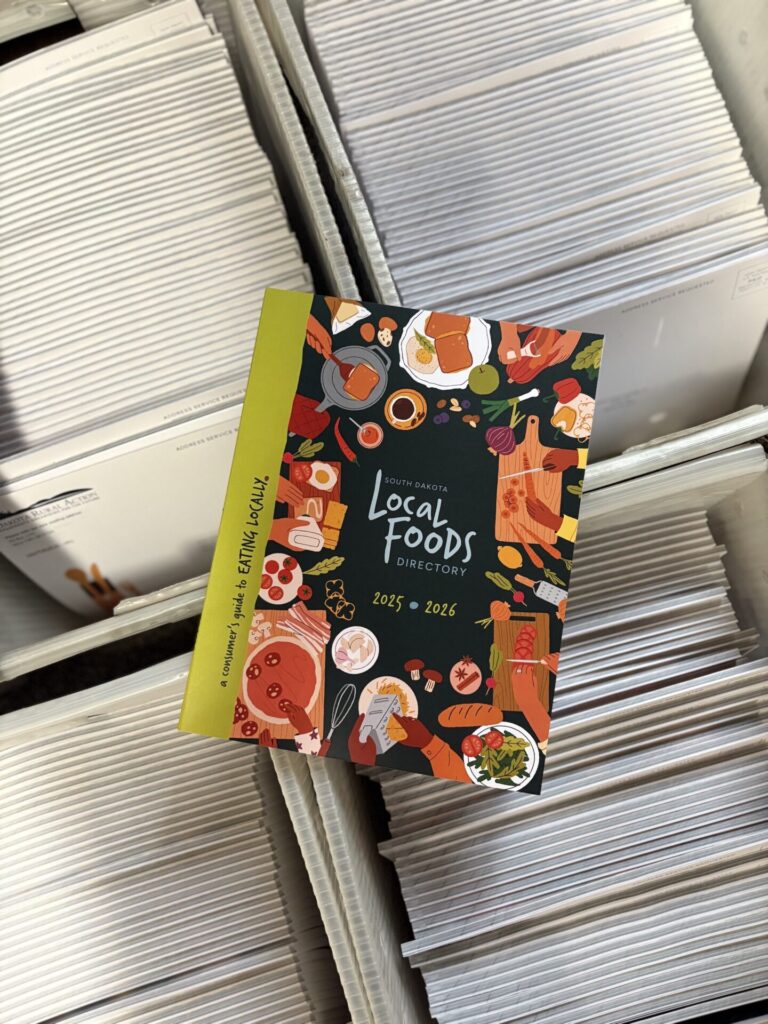
The free resource is mailed to all members of Dakota Rural Action, sent to legislators and put on racks at various businesses such as the Sioux Falls Food Co+op and restaurants. The newest edition recently was released.
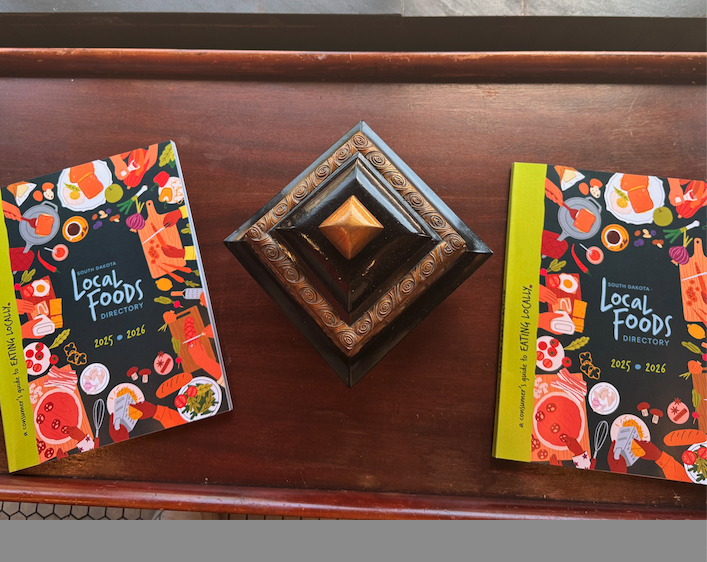
The directory has everything from meat and dairy to grains, jams and jellies, Stahl said.
“It’s listed by region and county to help people identify producers in their area they can purchase from,” Stahl said. “It’s local food producers and products that are raised and grown in South Dakota or border states.”
It also lists coffee shops.
“We recognize that is part of our food system,” Stahl said. “We want to support those who are sourcing carefully and ethically and roasting in-house.”
The guide also lists community gardens – for people who want to grow their own food or who don’t live near a food co-op or other local foods source.
The guide has more than 200 producers so far this year, though it isn’t comprehensive, Stahl said. To be included, people must produce food or farm-based products, with a focus on direct-to-consumer sales.
“We are trying to highlight small, local farms who are marketing and selling their products directly to consumers,” she said.
Local relationships
Tim Meagher, chief operations officer for Vanguard Hospitality, which owns Grille 26, Minervas in downtown Sioux Falls and Morrie’s Steakhouse, said the guides are popular with diners, and the information is in line with how the business operates and how it values local relationships.
“We curate a lot of relationships,” Meagher said. “In these direct partnerships, we can work together on pricing and transportation and help build that local food system.”
The guides help people who want to live more sustainably.
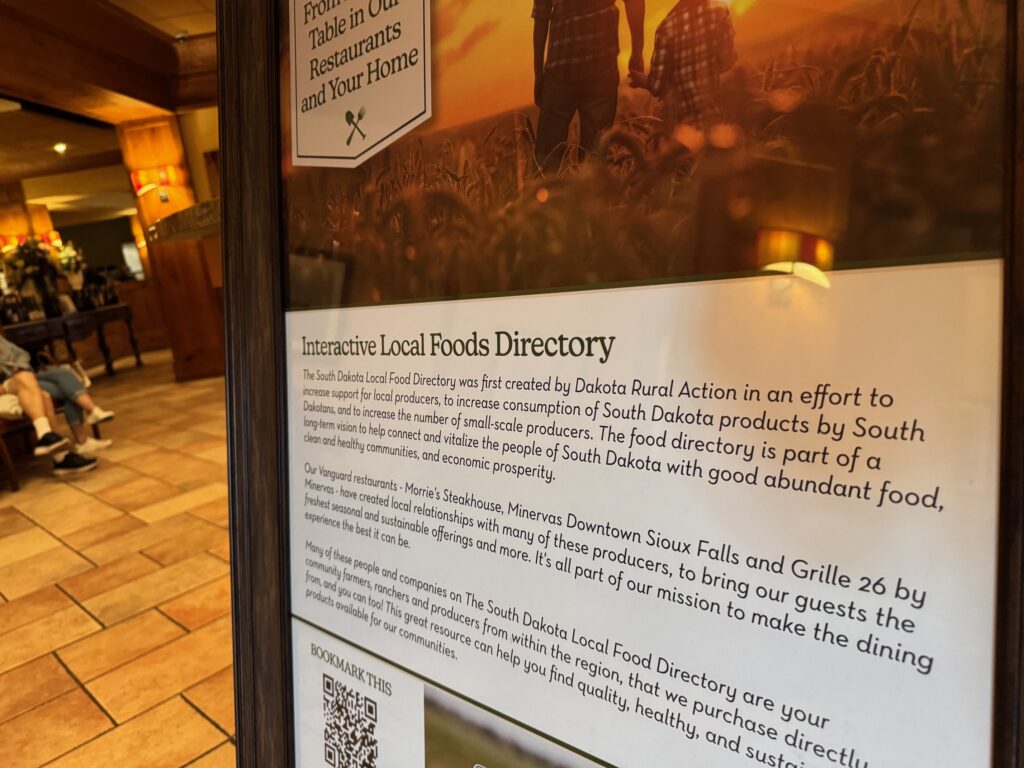
“If you’re an average Joe or Jane and you want to have chicken at your house, instead of doing a bunch of research, this can alleviate that,” Meagher said. “People don’t do more because they’re trying to do what’s easy – the directory helps make it easy for them to do more.”
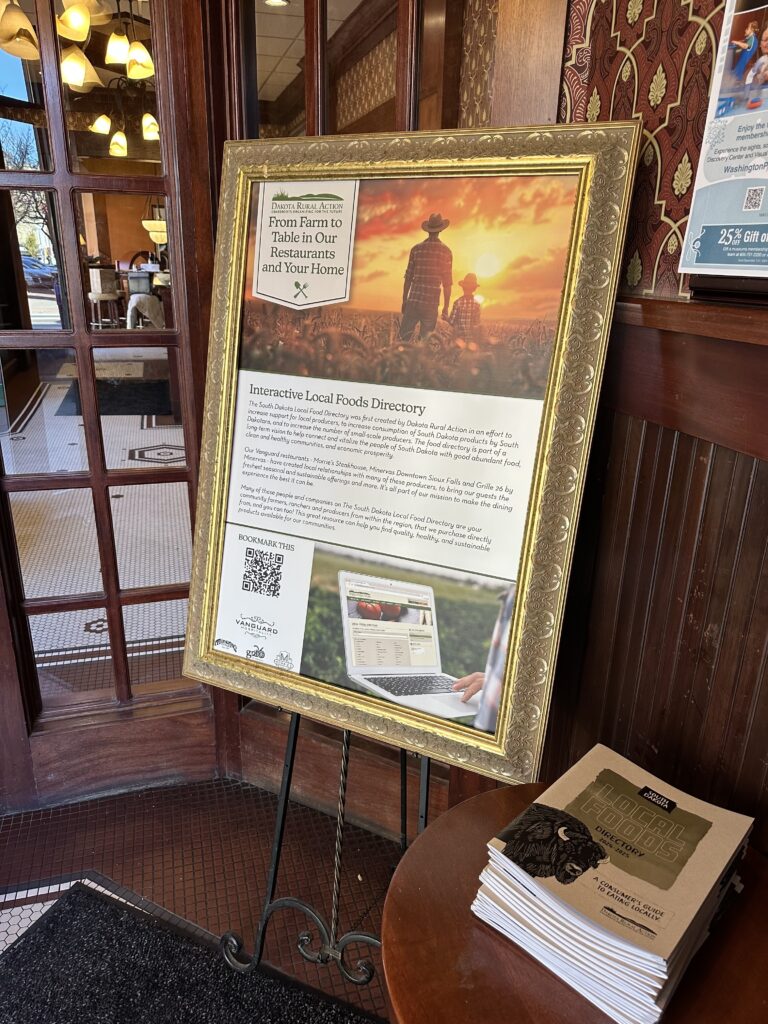
Meagher said the Vanguard restaurants carry the directories in entryway stands because they want to expose their guests to the opportunity to live more sustainably and shop local.
“We do business with some of these people, and if you like our food and you want to purchase something for your home, you’re taking one step forward, and you can save time by having this directory. The spirit of it is just having access to better food,” Meagher said.
He said the response has been great.
“Everybody takes these with them,” he said. “I had a lot of thank-yous from guests for providing this.”
Community resilience
Meagher said once you get to know local producers, you realize how much is available.
“Who has wool because you want to make yarn – somebody probably knows somebody, and it just unfolds that way,” he said. Those personal relationships also mean you know more about what you’re buying – and can get more detailed information about the products. “Let’s say you have a sensitivity to a chemical – you can just ask if they use it. You can get that transparency.”
Stahl agrees.
“You can go to the farm. You can ask questions. You can see how it’s raised. You can trust your food is handled safely. I think it’s super-important to coordinate a local food system for our resilience. And we are putting dollars directly back into our community,” she said.
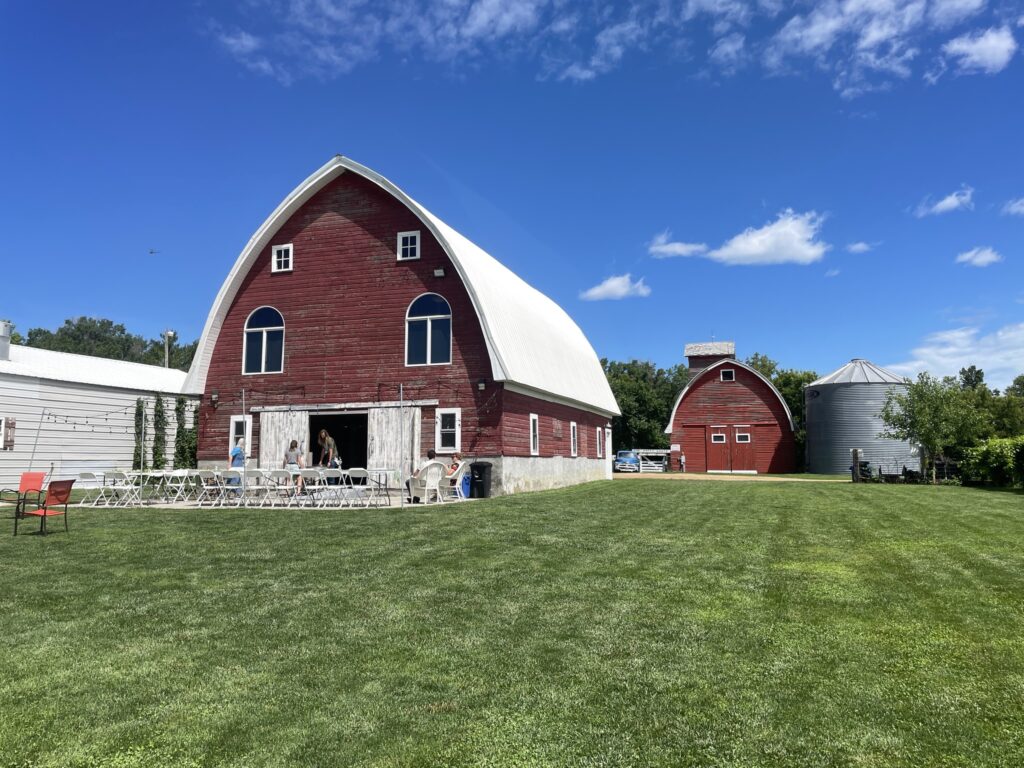
Meagher said Vanguard buys more than $1 million annually directly from local producers.
“It’s less about business and more about community resilience,” Meagher said, noting that it’s about how dependent we are on importing into the state and how we need to invest, as a community, in each other. “The question I ask myself is do I want to wait until the next pandemic or catastrophe to build something we know needs to exist?”
To Meagher, in an ideal world we are locally producing all of our needs – and importing our wants.
Meagher said for Vanguard it’s about connecting to the community and helping further a system that creates understanding and resiliency.
Stahl said people get interested in local food in different ways.
“Maybe they’ve learned about our industrial food system, or they’ve watched a documentary,” she said. “Maybe they learned about supply chain issues or want to eat healthier.”
Like Meagher, she said it can be overwhelming knowing where to start. One way is visiting a farmers market or a food co-op.
“But many people don’t have that or a grocery store at all in parts of the state,” Stahl said. “So having this list and seeing who is in your county where you can buy a quarter cow or bulk potatoes or mushrooms is just helpful.”
It’s all part of a bigger movement toward a more coordinated food system. She said they’re still finding new producers to include and working on creating a complete directory.
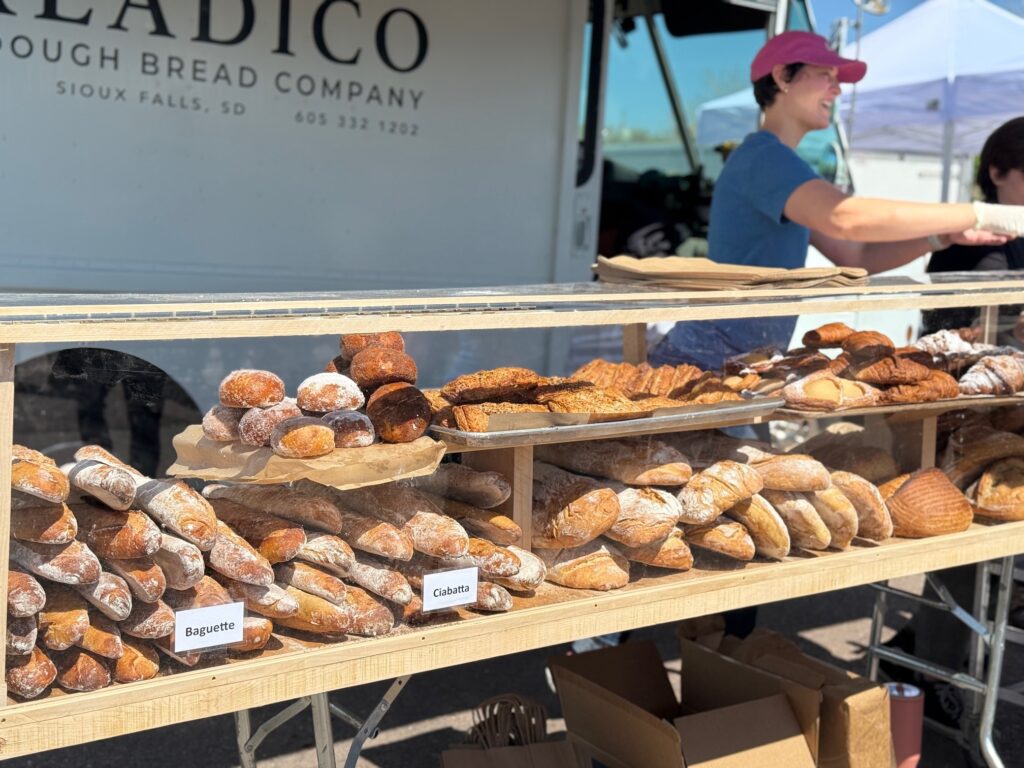
“We are trying to get a grasp on how many people exist,” she said.
Stahl notes that more than half of the acres in South Dakota produce corn and soybeans, which are not sold for consumption. Having a local food network with food grown close to home is important.
“Seeing all the options available helps consumers make choices and helps farmers on their land. Sometimes that land has been in their family for 100 years.”
She said many of these businesses rely on word of mouth, and some are so small they don’t qualify for insurance. Having people support their work is important.
“It’s important for the community to recognize how much power their dollars have when they buy eggs from a local farm – and those prices stay more stable. We are ensuring those dollars stay in South Dakota, and that the producer has a job,” Stahl said.
The guide is available online on dakotarural.org. Click on the resources page to search listings by region and product. The print copy is available in the following locations:
- Breadroot Natural Foods Co-op, Rapid City
- Grille 26, Sioux Falls
- Living Waters Trading Post, Beresford
- Nisland Farm Fresh Market, Nisland
- McCrory Gardens, Brookings
- Minervas, Sioux Falls
- Stockyards Ag Experience, Sioux Falls
From fresh produce to handmade goods: What you’ll find at a dozen community farmers markets
Share This Story
Most Recent
Videos



Looking amazing @dtsiouxfalls and @washpav! Thanks to @jpickthorn for capturing an incredible night.
Nov 26

Enjoy this glow headed into Halloween week! 📸: @jpickthorn
Oct 31
Hope you had a wonderful summer weekend and are recharged for the week ahead! 📸: @jpickthorn
Jun 27
Beautiful way to start a week! 📸: @jpickthorn
Jan 10
Favorite flyover of the year! Merry Christmas from our entire @pigeon605news flock. 🎄🐦 📸: @actsofnaturephotography
Dec 24
They definitely deserve to be treated like holiday royalty and they were! ❤️ these scenes from tonight’s lighting celebration at @sanfordhealth Children’s Hospital. 🎄
Dec 1
The holidays are here! Perfect night @dtsiouxfalls
Nov 27
Happy Halloween from @avera_health NICU babies! Link in bio to see more! 🎃
Oct 31
Did you know @dtsiouxfalls is filled with 👻 stories? Link in bio … if you dare 😱
Oct 8
When it comes to kids parties nobody wants to be cookie-cutter. Link in bio for the story on what’s trending.
Sep 28
Want to stay connected to where you live with more stories like this?
Adopt a free virtual “pigeon” to deliver news that will matter to you.




Are you a little bird with something to share?
Delivering news that matters to you
Years ago, homing pigeons were used to bring us news we needed. Today, your virtual “pigeon” will deliver what you want to know about the place you call home.
All pigeons are free to good homes!
Our Partners