

Who is creatine safe for?
This piece is sponsored by Avera Health.
By Anna Heronimus, RD, LN, Avera Human Performance Center
Creatine is one of the most popular strength-enhancing supplements used among athletes. For parents wondering if their teens should be taking this supplement, the research in adolescents is still developing.
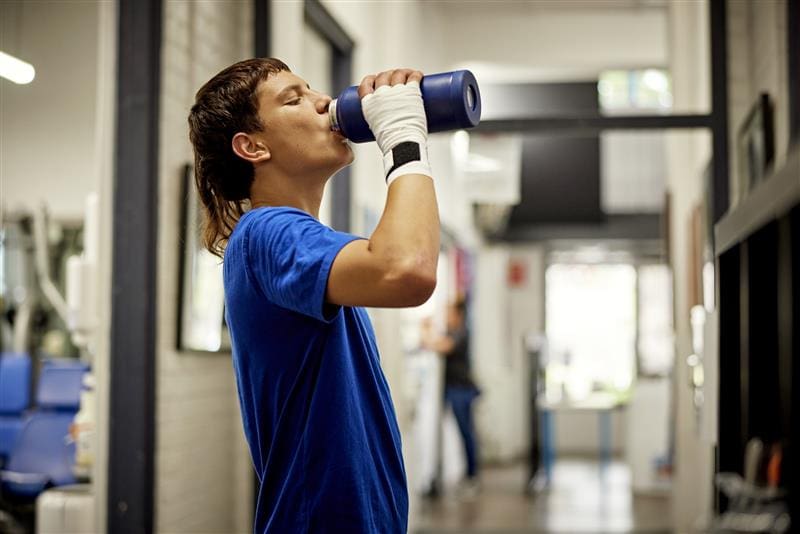
Creatine is one of the most researched supplements and is considered safe for adults. Some newer position statements suggest that creatine may be appropriate for older adolescents involved in serious training programs when supervised by a health care professional and when nutrition, sleep and training are already optimized.
Most young athletes will see the greatest performance benefits by focusing first on training, recovery, hydration and adequate calorie and protein intake.
As a dietitian specializing in sports medicine, here’s my best advice for teens and parents.
What is creatine?
Creatine is an amino acid that is found in the muscles and brain. It is produced naturally by the liver, pancreas and kidneys. We also get some from seafood and meats. Creatine is stored in the body as phosphocreatine and is used for energy. This energy system is used for quick explosive movements like sprints, jumps and lifting weights.
Creatine supplementation may benefit high-intensity athletic performance by increasing phosphocreatine stores in muscles and prolonging quick, explosive movements. Creatine also may increase lean body mass and strength when combined with resistance training.
What should teens focus on?
Before considering supplements, young athletes should focus on the basics that support performance and muscle development. This includes:
- Eating enough calories throughout the day.
- Prioritizing balanced meals with protein, carbohydrates and healthy fats.
- Staying well hydrated.
- Getting adequate sleep.
Aim to incorporate in your meals:
- About 20 to 30 grams of protein, including eggs, Greek yogurt, milk, chicken, lean beef, cottage cheese, beans or lentils.
- Carbohydrates like oatmeal, rice, potatoes, fruit and whole-grain breads.
Carbohydrates also are important because they provide the energy needed for training and competition.
When athletes consistently fuel their bodies with nutritious foods, hydrate well and prioritize recovery, they often see improvements in strength, performance and overall health without the need for supplements.
Who should take creatine?
Males and females can take creatine. Individuals who have seen the benefit of taking creatine are involved in sports that need quick bursts of energy such as sprinting, football or weights.
Does it matter what I buy?
When purchasing creatine, make sure it’s a high-quality product in the creatine monohydrate form and has been tested by a third party to make sure it’s safe. Typical dosing is 3 to 5 grams a day.
If you do decide to start taking creatine, make sure you’re working with a trained medical provider who knows the correct dosage. As always, make sure to prioritize whole foods, and talk with your dietitian before starting any supplements.
Get more wellness tips at Avera.org/Balance.
Share This Story
Most Recent
Videos



Looking amazing @dtsiouxfalls and @washpav! Thanks to @jpickthorn for capturing an incredible night.
Nov 26

Enjoy this glow headed into Halloween week! 📸: @jpickthorn
Oct 31
Hope you had a wonderful summer weekend and are recharged for the week ahead! 📸: @jpickthorn
Jun 27
Beautiful way to start a week! 📸: @jpickthorn
Jan 10
Favorite flyover of the year! Merry Christmas from our entire @pigeon605news flock. 🎄🐦 📸: @actsofnaturephotography
Dec 24
They definitely deserve to be treated like holiday royalty and they were! ❤️ these scenes from tonight’s lighting celebration at @sanfordhealth Children’s Hospital. 🎄
Dec 1
The holidays are here! Perfect night @dtsiouxfalls
Nov 27
Happy Halloween from @avera_health NICU babies! Link in bio to see more! 🎃
Oct 31
Did you know @dtsiouxfalls is filled with 👻 stories? Link in bio … if you dare 😱
Oct 8
When it comes to kids parties nobody wants to be cookie-cutter. Link in bio for the story on what’s trending.
Sep 28
Want to stay connected to where you live with more stories like this?
Adopt a free virtual “pigeon” to deliver news that will matter to you.






Are you a little bird with something to share?

Delivering news that matters to you
Years ago, homing pigeons were used to bring us news we needed. Today, your virtual “pigeon” will deliver what you want to know about the place you call home.
All pigeons are free to good homes!
Our Partners