
Water for the future: Multiple efforts underway to ensure access to water supply as region grows
Sioux Falls isn’t about to run out of water any time soon – but that’s only because of decades of planning.
And now, a new stage of preparing to meet the growing region’s projected need for water is beginning.
“Sioux Falls is well positioned for water for a long time,” said Ryan Johnson, city utility administrator. “But we also understand and appreciate the timeline it took to get the water to Sioux Falls’ doorstep.”
That effort began in the early 1990s, when the idea of the Lewis & Clark Regional Water System took root.
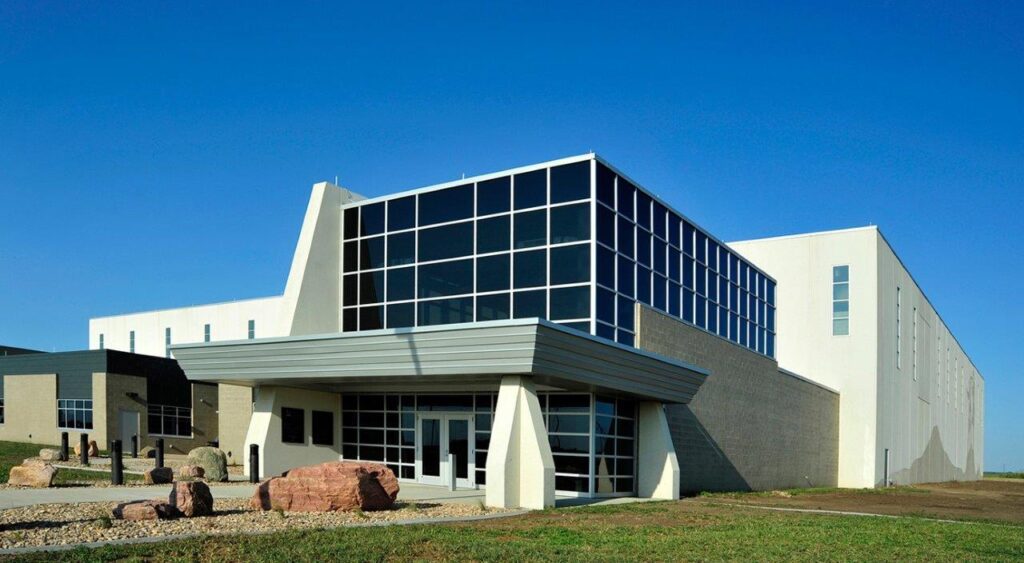
“And it was 2012 when the city of Sioux Falls got that first drop of water from Lewis & Clark,” Johnson said. The system’s source of water is a series of wells southwest of Vermillion that tap into an aquifer next to the Missouri River. “That’s a very reliable, very drought-resistant and high-quality source of drinking water, and it took 20-plus years to pull that effort together. So with that in mind, Sioux Falls has already taken the next steps to think about what is our next source of water.”
The answer appears to be multifaceted.
While the Lewis & Clark Regional Water System still is a few years away from finishing its base system, including the final phase of its water treatment plant, work already is underway to expand it and look at even longer-term needs.
At the same time, the newly formed Dakota Mainstem, which includes 29 municipalities and rural water systems, is beginning to study long-term needs across eastern and central South Dakota.

“The resounding answer was no, we’re not done,” said Kurt Pfeifle, who recently was named the first executive director of Dakota Mainstem, which was incorporated last year.
“We have to get our arms around what exactly is the need, and once we discover that, we start looking at the most feasible ways to address that need.”
The need could be significant, said Troy Larson, longtime executive director of Lewis & Clark, who also helped organized Dakota Mainstem.
The system recently asked its 20 members to gauge their water needs by 2070. Their total: 82.8 million gallons a day. Even with a planned expansion of the system slated to be done in 2031, that’s well above the capacity of 60 million gallons a day of the fully built-out Lewis & Clark.
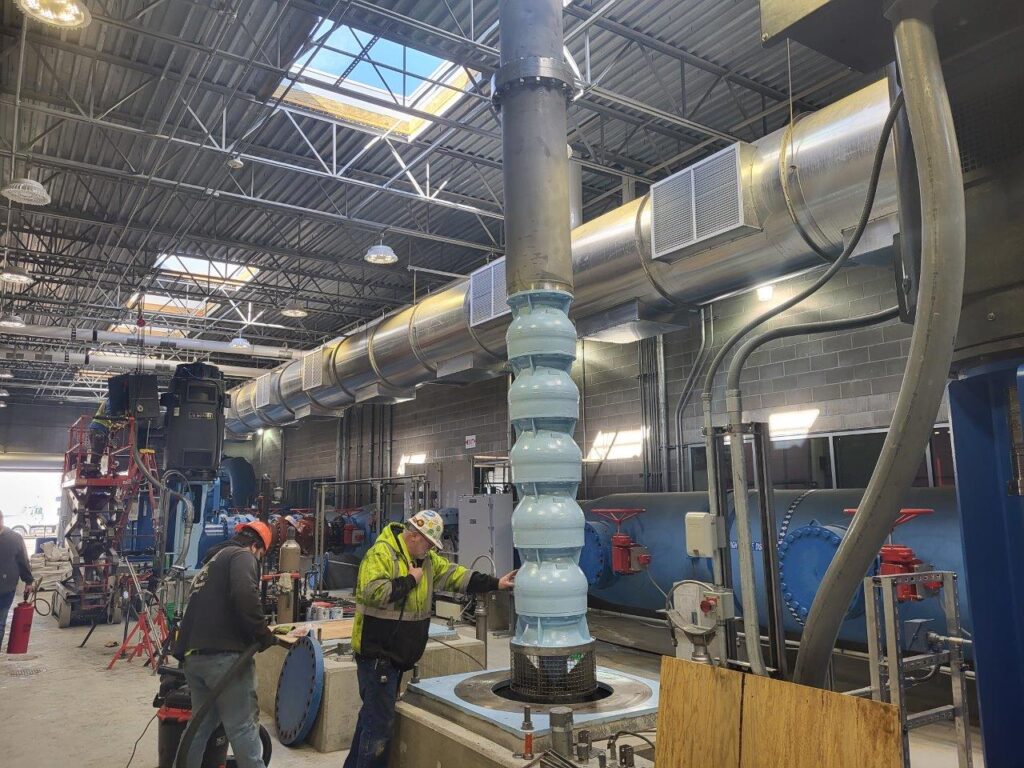
“That was jaw-dropping to say the least,” Larson said. “That’s just for our members, not bringing in any new members.”
While some members estimate that they have enough water capacity to last up to 40 more years, others are served only for the next 10 or 15 years, he added.
“That is the No. 1 hinderance to economic development in this region is lack of water,” Larson said. “There have been so many opportunities where they’ve said no (to new business development) because they’re being conservative with their chips.”
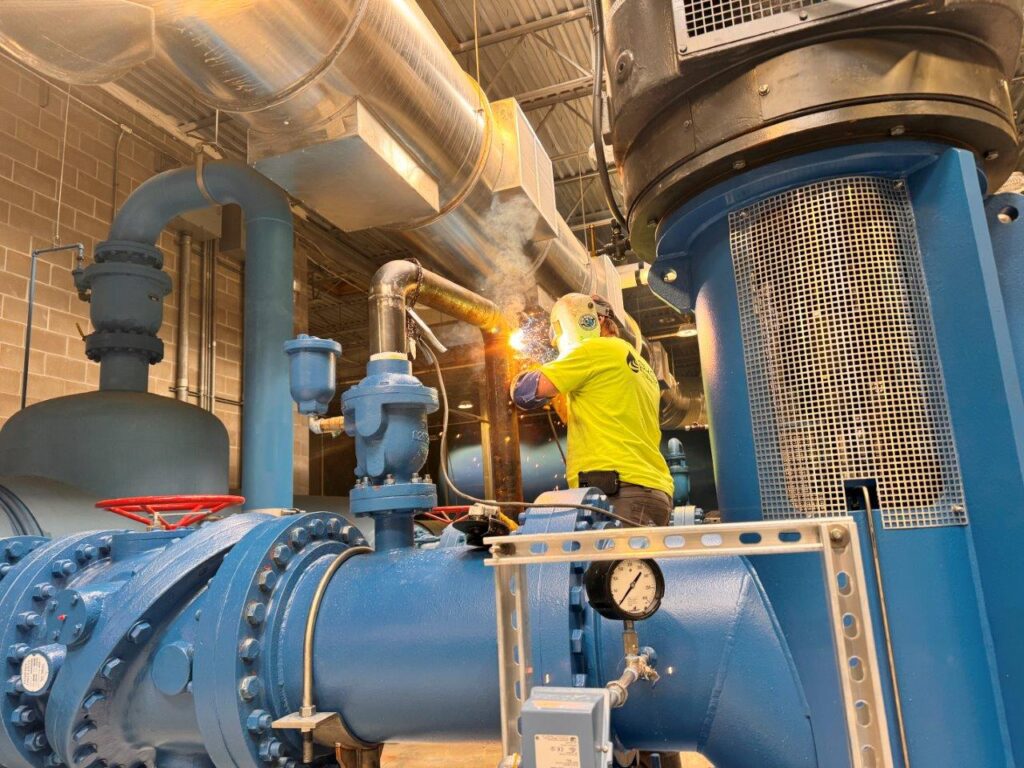
While the city of Sioux Falls itself has the capacity for growth, metro-area communities are limited, he said. For instance, multiple locations north of Sioux Falls were looked at for a new state prison, but water capacity was a stumbling point. The proposed site south of Harrisburg would use water from South Lincoln County Rural Water.
Lewis & Clark’s base system, which allows for just over 44 million gallons per day, is expected to be done in 2027. It serves 11 South Dakota members, five in Iowa and four in Minnesota. An expansion to reach 60 million gallons is underway and expected to be done in 2031, bolstered by federal pandemic-recovery infrastructure funding.
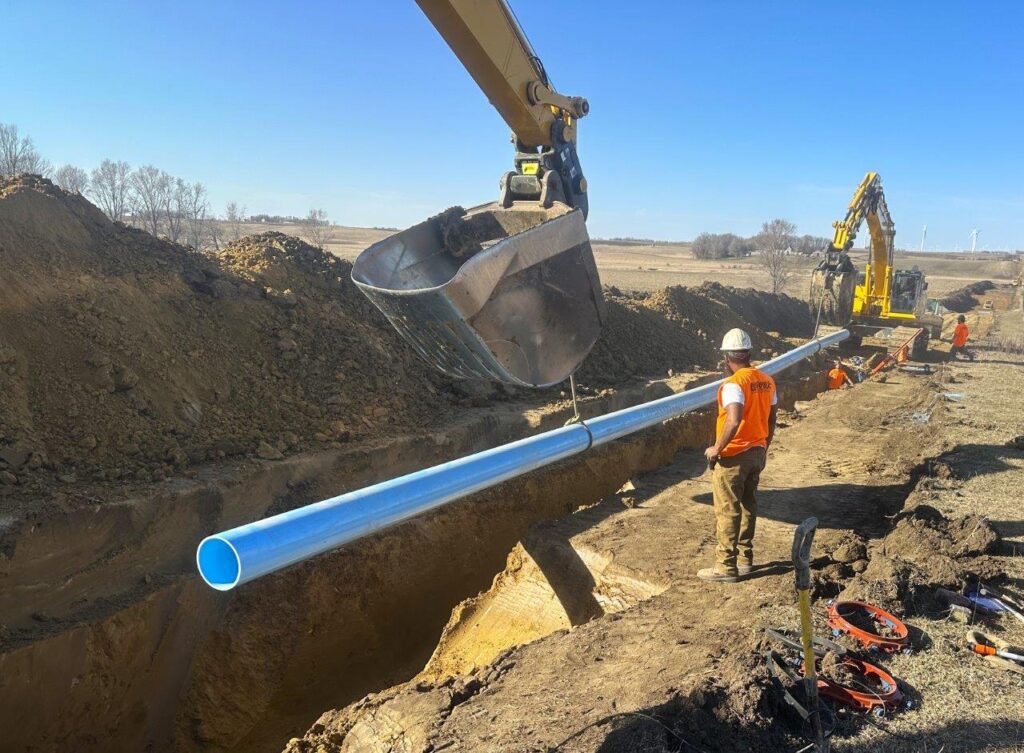
“We’re also looking at what needs to be done long term to expand the system beyond 60 million gallons per day,” Larson said.
That study is being done in parallel with analysis by the members of Dakota Mainstem, and it’s possible the two could come together with a common purpose.
“There’s a process and progression that needs to happen here,” Pfeifle said. “You get into the needs assessment and then the feasibility study and you start doing all kinds of environmental work, cultural resources, and we’re probably looking at two to three years minimal just doing nothing but engaged in these studies.”
In the meantime, Sioux Falls is using a multifaceted strategy to meet its needs. In addition to up to 28 million gallons from Lewis & Clark, which could go up to 34 million in an expansion, the city is “fortunate to have a very reliable source of water north of the city in the Big Sioux River aquifer,” Johnson said. “And we have wells and property and water rights from Sioux Falls to a point basically south of Baltic, and then we have well fields and water rights to an area west of I-29 north of Crooks, and so that’s served the city of Sioux Falls very well for many years.”
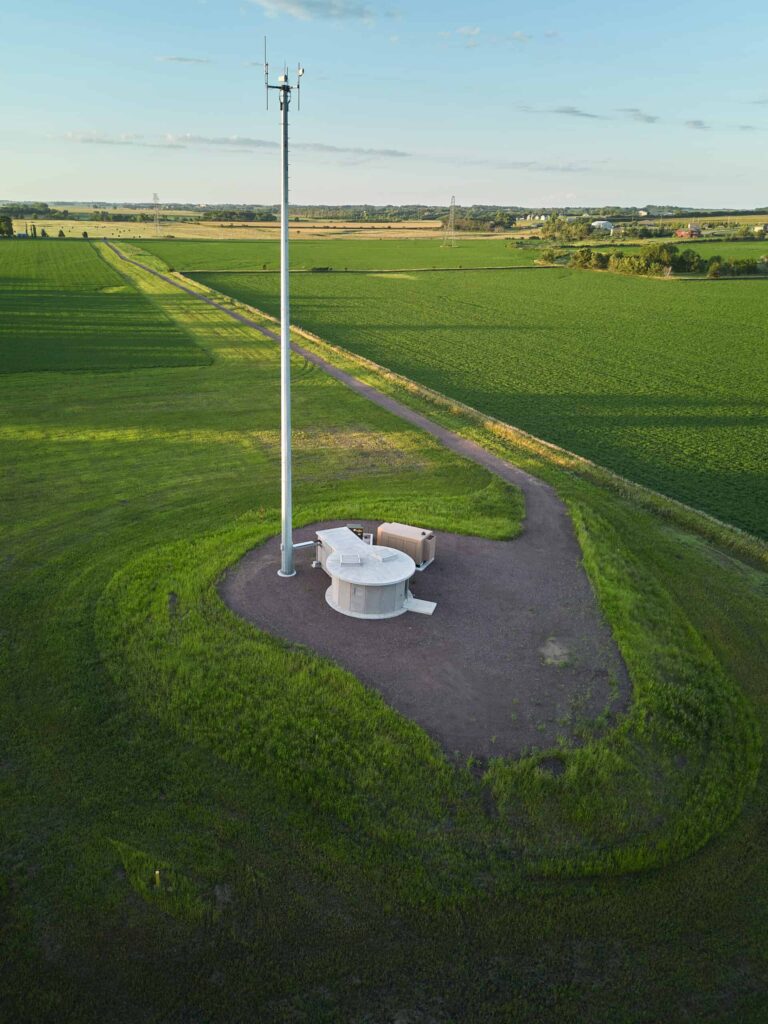
But planning and investment are crucial, especially given the appetite from states hundreds of miles away who are eyeing the Missouri River for their own water needs.
“Other states, we know for a fact, are eyeing the Missouri River in either North or South Dakota,” Larson said.
“We know New Mexico has looked at it. That sounds like a real far distance, but if you don’t have the water, you’ll go anywhere. Colorado is looking at it. Utah, Nevada. That’s not our job to make those decisions of who gets it and who doesn’t. That’s something the state and feds are going to have to work out. Our point is we should take care of South Dakota’s needs first, which is why you’re seeing all these projects get off the ground. Because we want to get there first.”
Share This Story
Most Recent
Videos



Looking amazing @dtsiouxfalls and @washpav! Thanks to @jpickthorn for capturing an incredible night.
Nov 26

Enjoy this glow headed into Halloween week! 📸: @jpickthorn
Oct 31
Hope you had a wonderful summer weekend and are recharged for the week ahead! 📸: @jpickthorn
Jun 27
Beautiful way to start a week! 📸: @jpickthorn
Jan 10
Favorite flyover of the year! Merry Christmas from our entire @pigeon605news flock. 🎄🐦 📸: @actsofnaturephotography
Dec 24
They definitely deserve to be treated like holiday royalty and they were! ❤️ these scenes from tonight’s lighting celebration at @sanfordhealth Children’s Hospital. 🎄
Dec 1
The holidays are here! Perfect night @dtsiouxfalls
Nov 27
Happy Halloween from @avera_health NICU babies! Link in bio to see more! 🎃
Oct 31
Did you know @dtsiouxfalls is filled with 👻 stories? Link in bio … if you dare 😱
Oct 8
When it comes to kids parties nobody wants to be cookie-cutter. Link in bio for the story on what’s trending.
Sep 28
Want to stay connected to where you live with more stories like this?
Adopt a free virtual “pigeon” to deliver news that will matter to you.



Are you a little bird with something to share?

Delivering news that matters to you
Years ago, homing pigeons were used to bring us news we needed. Today, your virtual “pigeon” will deliver what you want to know about the place you call home.
All pigeons are free to good homes!
Our Partners