

Saving houses, offering homes: Behind this affordable housing win-win
By Steve Young, for Pigeon605
Lynne Keller Forbes has heard it said ─ whether it’s true or not ─ that for every old house that doesn’t get torn down and buried in a landfill grave, a house that somebody rehabs instead of building something new, you save over 200 trees.
“I don’t know how you would ever verify that,” she said. But if true, then the executive director of the South Eastern Development Foundation and her nonprofit organization are indeed preserving whole forests through their work in rehabbing donated houses.

And in fact, doing much more than that.
Since 2019, Keller Forbes estimates that SEDF has saved over 25 donated houses that might otherwise have been demolished. The 501(c)(3) is moving them to new locations, fixing them up, adding garages, selling them in a price range that addresses Sioux Falls’ affordable housing needs and even revitalizing neighborhoods in the process. As a side bonus, it’s also using prison inmates to help with the demolition and painting, exposing those men to valuable new job skills along the way.
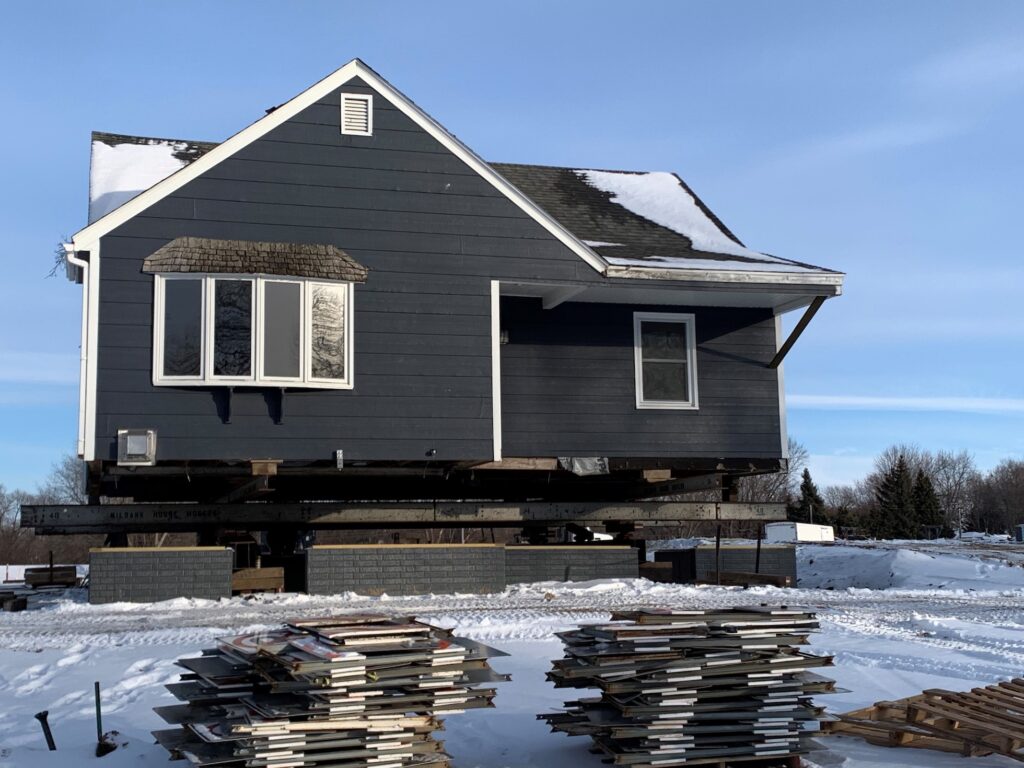
“It’s going to sound cliche, but it’s a win-win-win,” said Kevin Smith, assistant director of planning and development services for the city of Sioux Falls. “I’ve walked through many of those homes with Lynne. I’ve seen the before, during and after photos. It’s nothing short of transformational.”
Nowhere is that transformation more obvious than in the combined impact on Rose and Lotta streets off South Minnesota Avenue near the Big Sioux River and on the new Edward Circle cul-de-sac near Sneve Avenue not far from Cleveland Elementary.
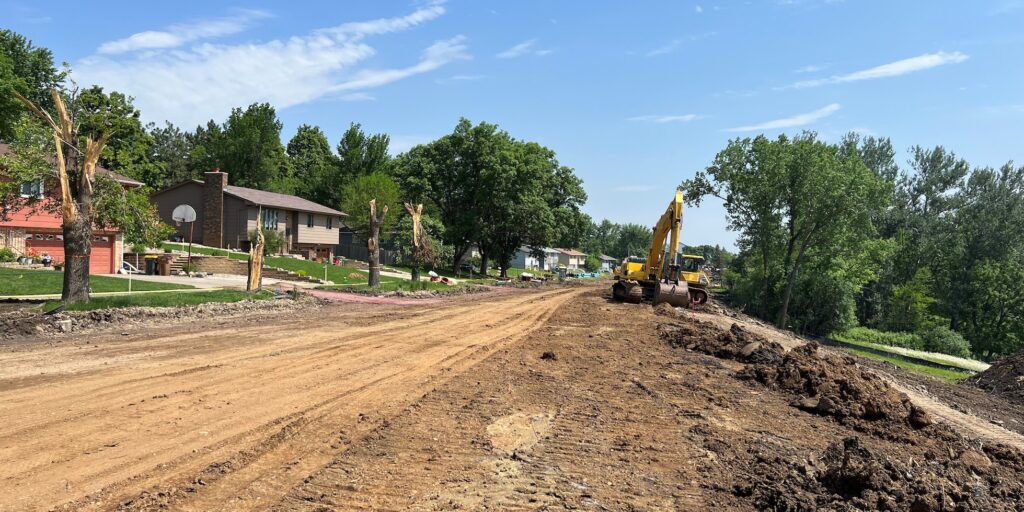
Spring flooding had long been the bane of life in what city officials call the Rose-Lotta neighborhood. Whenever the nearby Big Sioux roared out of its banks, sandbags and other flood protection were quickly mobilized to try to protect homes in that area. But 2019 was especially bad. So city officials contacted homeowners in the neighborhood at that time and, for the frequently flooded properties, offered an ongoing voluntary buyout program that continues to this day.
Smith said at least 20 of those property owners took up the city on its offer, and a dozen or so still have the ability to take part if they so desire. Thus far, Sioux Falls has invested $2.3 million in the buyouts, he said, though in many cases because of the flooding situation, the Federal Emergency Management Agency has been able to reimburse up to 75 percent of the buyout costs to the city.
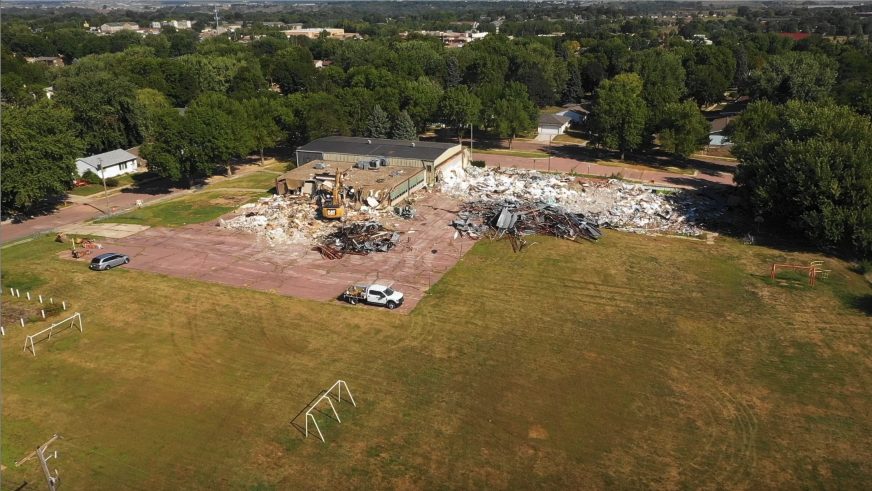
At least seven of the Rose-Lotta houses had no value or couldn’t be moved and were torn down, Smith said. “If they’re the wrong size or if they’re too tall to be moved and we can’t find a route to actually move them somewhere else, then as a last resort, we do tear them down,” he said.
But having already worked with Keller Forbes and her team on a similar neighborhood in northwestern Sioux Falls called the Grasslands Addition, the city also knew that in many cases, the houses could be saved. Grasslands began in 2016, Keller Forbes said, when SEDF started using the Governor’s House Program to place its first workforce housing unit in that neighborhood. “From then to 2019, that was our business model,” she said. “We just did 10 Governor’s Houses a year, and that was it.”
Then, she and her husband started moving houses from other neighborhoods into Grasslands, rehabbed them and sold them. And the city took notice.
“They contacted me and said, ‘You know, we have bought a lot of houses, and we just tear them down. Can we work with you and walk through and do this process with you?” So we did,” Keller Forbes said.
Over time, houses were being gifted to SEDF not only by the city but also by Augustana University, the Sioux Falls School District, Sanford USD Medical Center, even private companies and individuals. “They want the tax deduction for gifting the house versus tearing it down, which can cost them $10,000 to $15,000,” Keller Forbes explained. “If they give it to me, they get the tax deduction, and we move it.”
But there’s not a whole lot free about those gifts. A house moving to a new address needs access to infrastructure such as water and sewer lines. It needs an empty lot. There are demolition and rebuilding costs. Buyers want garages to go with their rehabbed houses. They want that new-look feel at an affordable cost.
How much all that ends up costing is not easy to estimate, Keller Forbes said. When it comes to moving a house, she needs to know where she’s starting from and where she’s going. Every stoplight she needs to swing out of the way costs $1,500. Moving utility lines has a cost. Moving a two-story house is more expensive than a one-story. Overpasses can eliminate houses that are too tall or can lengthen the alternative route and drive up the price tag.
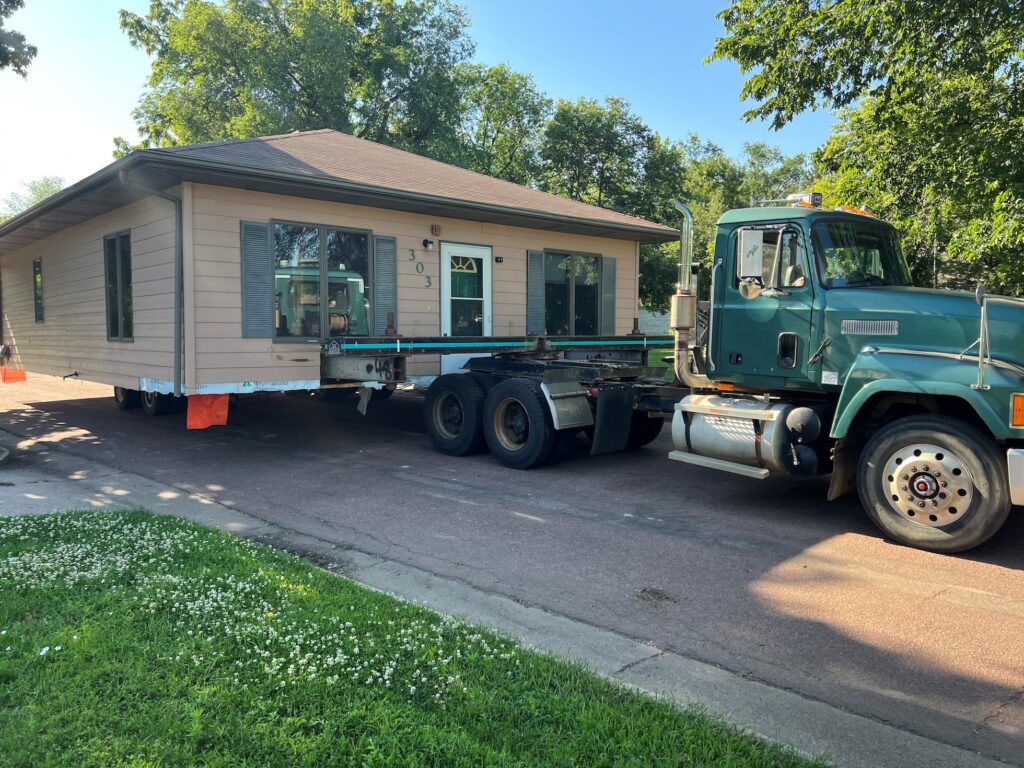
“One time, the city called us and said they had five houses, multi-split levels, in the Holbrook Avenue area,” she said. “These houses were low to the ground, so we picked them all up at once. So every time we lifted a line, we split the cost among five houses. The cost of that move was a lot more economical than the cost of a single move.”
Once to their new address, the rehabbed houses’ interiors typically are gutted and rebuilt. New plumbing and electrical goes in. New appliances too. It’s work “that’s dirty and gross,” Keller Forbes said. “Nobody else wants to do this kind of work. It’s much easier to build new.”
To keep its costs down, SEDF accesses penitentiary inmates eligible for community service to do its demolition work or to help with painting. For every day the inmates work on the houses, they get a day taken off their sentence, Keller Forbes said.
“Being able to rely on the inmates helps us to control our costs, so it’s definitely a win for us,” she said. “But it’s a win for the inmates in a couple of ways. They learn some new skills with power tools, yes. And they do get out of prison for the day and get time taken off their sentence.”
In the Edward Circle cul-de-sac, where the rehabbed houses from the Rose-Lotta neighborhood are interspersed with Governor’s House properties, “you wouldn’t know that they are anything but brand-new houses,” Smith said. “Even down to the aesthetic nature of the neighborhood, everything just blends in. You wouldn’t know that those houses hadn’t been there for years and years and years.”
Here’s a look at a home before and after its move:
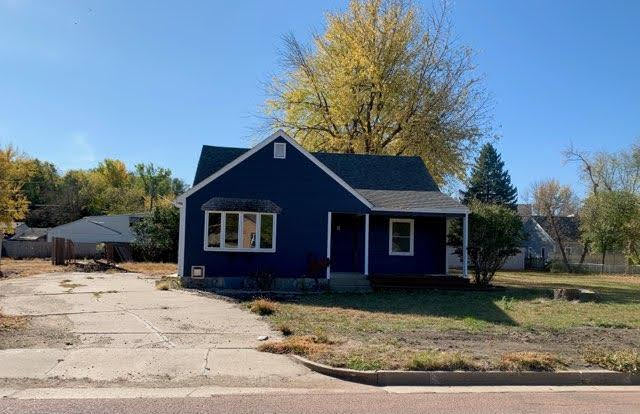
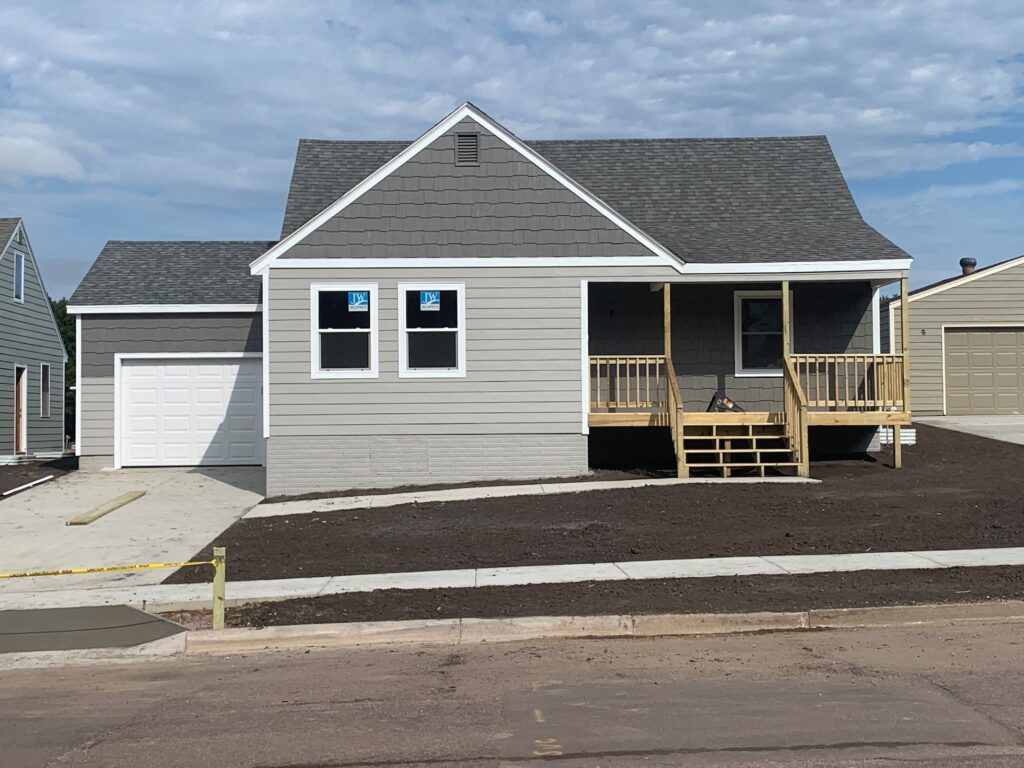
What these homes become is affordable workforce housing. Buyers have to be income-qualified to move into a Governor’s House, which is built by prison inmates as part of a training program. Virtually all the rehabbed houses fit into the South Dakota First-Time Homebuyer program guidelines, costing no more than $340,000 and as little as $186,000. While they need everything from new HVAC systems to new windows and garages, they already have the exterior in place. “So if you ask me if they are less expensive than new construction, I would venture to say probably,” Keller Forbes said.
That helps make them more affordable in a community where she has learned that “you really can’t find anything for $250,000 or less.” When the industry is suggesting that it costs $200,000 and up simply to construct one apartment unit, “I would say affordable is a relative term,” Smith said. “Generally speaking, the federal government would tell you that if you’re spending 30 percent of your net income on housing, that should be affordable.”
The numbers certainly worked for Sophie Johnson and Jed Smeenk, who purchased rehabbed houses on Edward Circle. Young, fairly early in their careers, they typify the folks looking for workforce housing: teachers, young professionals, single parents and the like.
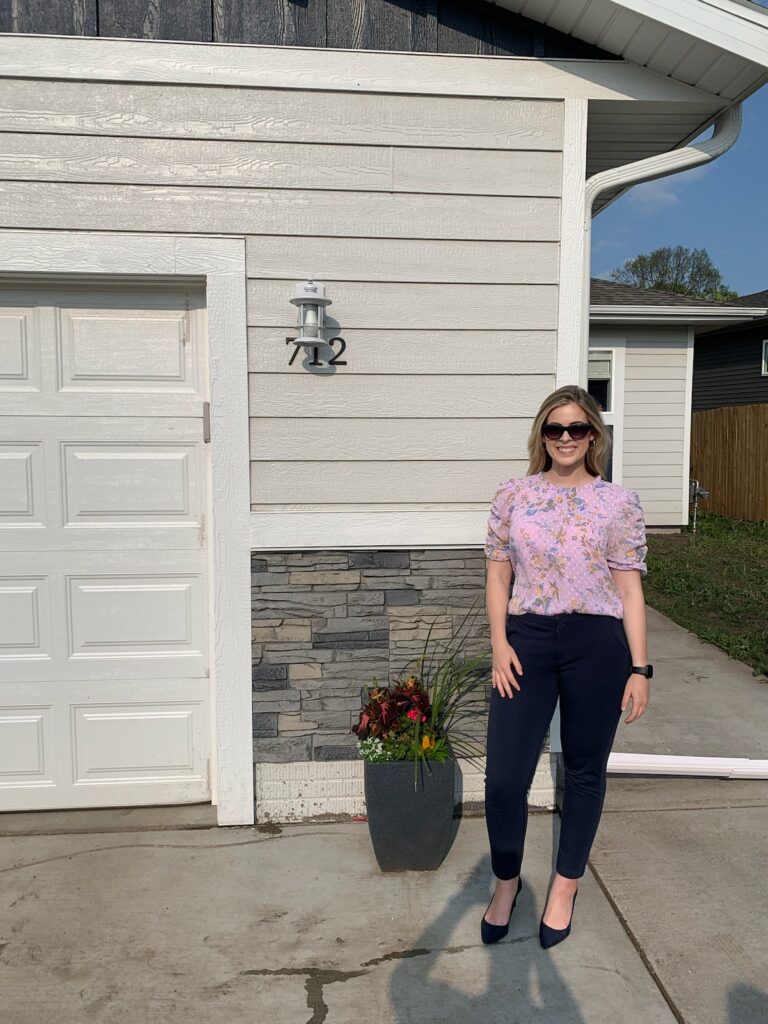
At 29, Johnson had pursued her education through her 20s, concentrating more on earning her doctorate degree than buying a home. When she landed a job as the community development manager for the South Eastern Council of Governments and started earning a paycheck, “the housing market was really tight,” she said. “I was looking a long time, but there wasn’t much out there, and what was didn’t seem very good. And I don’t have the skills to fix a house up.”
Before and after:
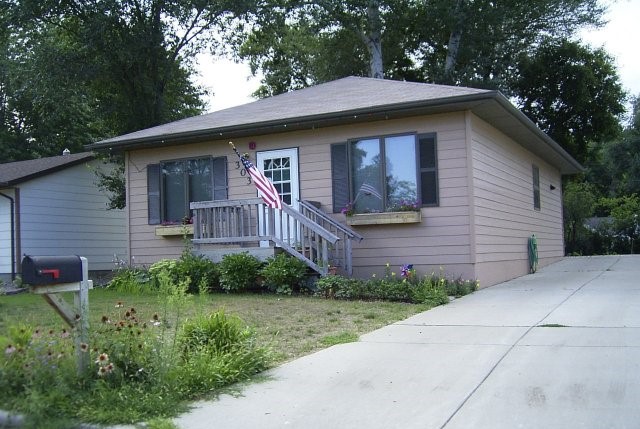
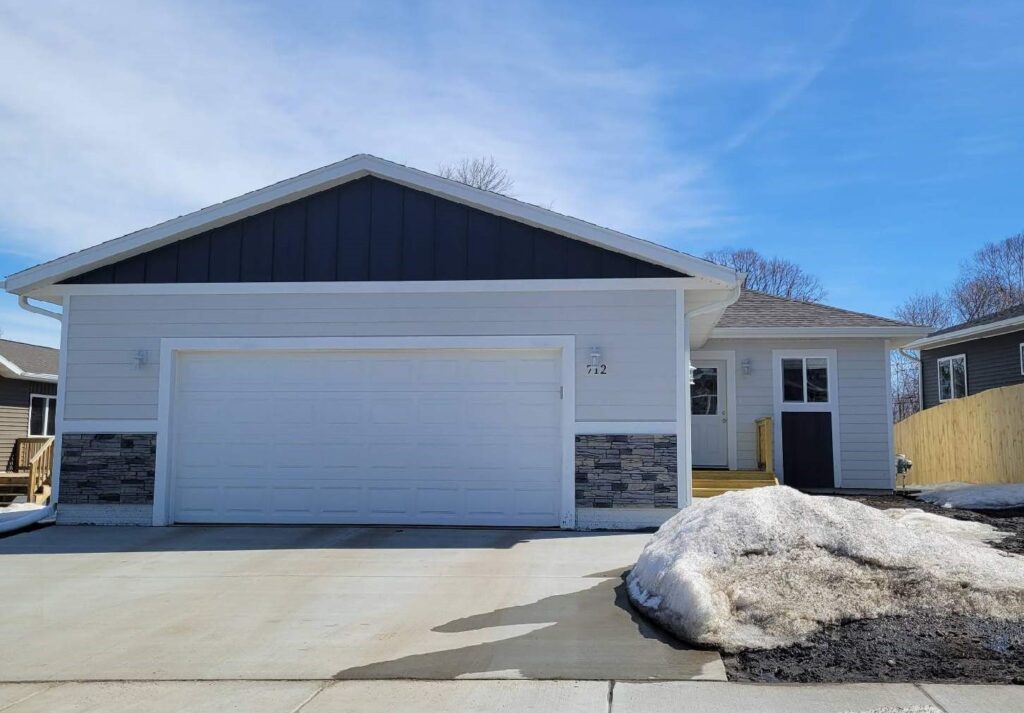
What she found out as a first-time homebuyer is that SEDF had houses that were fixed up and more affordable because they had been rehabbed. Keller Forbes provided a two-vehicle garage, a must for Johnson. And unlike many of the rehabbed houses, she got into her home with a finished basement.
“I’m really happy with it,” said Johnson, who shares the house with her boyfriend. “And the development’s really cool. I like the neighborhood because I feel like they’re sort of similar to me. Similarly aged. Similar situations.”
Before and after:
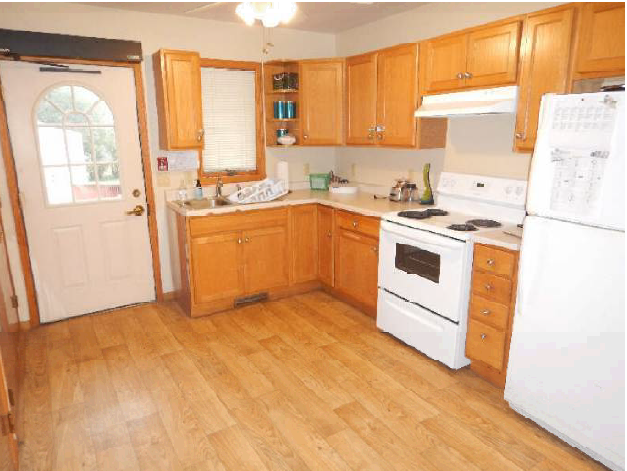
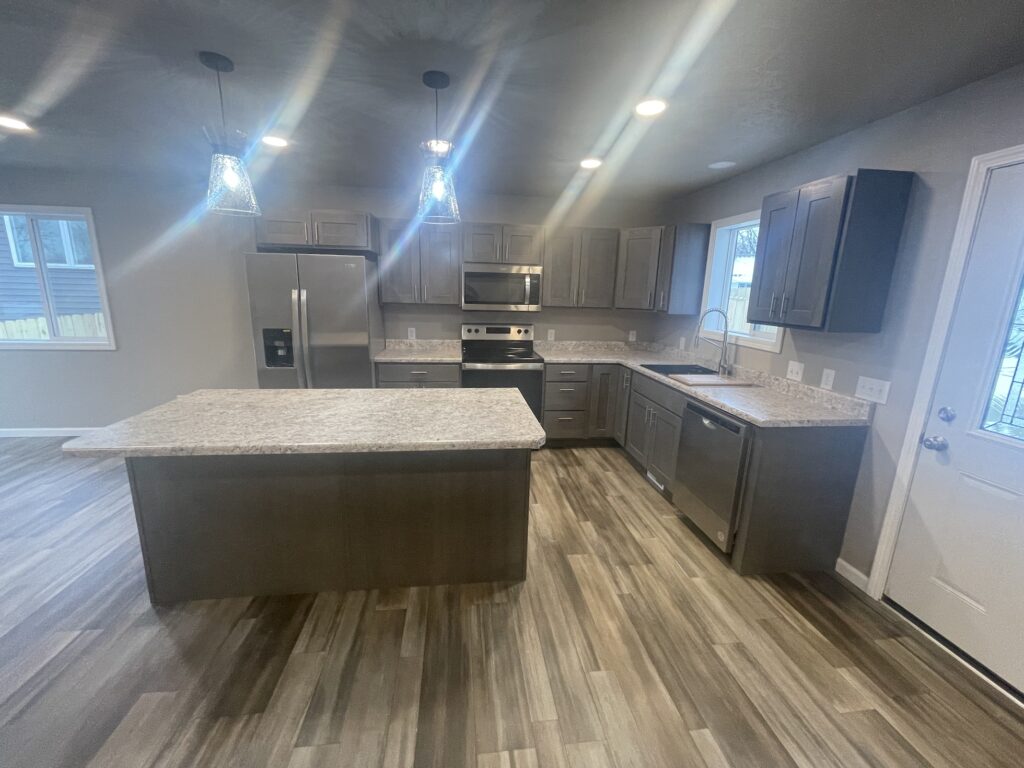
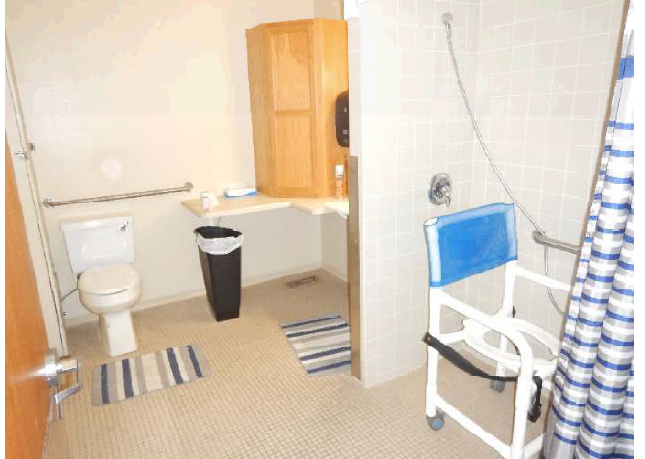
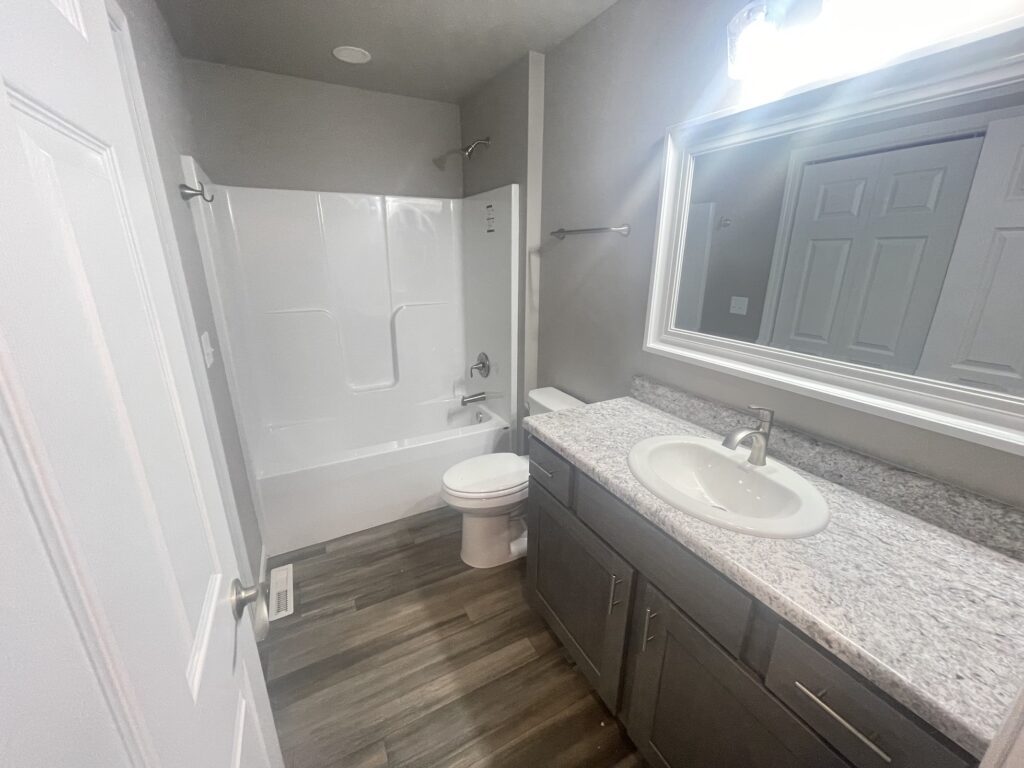
Smeenk, who has been an F-16 fighter jet mechanic with the South Dakota Air National Guard for the past 13 years, was able to get a rehabbed Rose-Lotta house for about $190,000. A handyman, he was excited to finish the basement himself and boost the value of his property. That and the price tag made the purchase an easy decision for him.
“I quite literally needed affordable housing because of my situation,” Smeenk, 32, said. “I don’t want to say I don’t make a lot. My job paid decent. At the same time, even if you have a decent-paying job, like median income, you still need affordable housing.”
The fact that it’s a newly remodeled house from a previous address intrigues him, especially the memories that would have populated it from the past. “Multiple families could have lived in this place, you know,” he said. “That’s kind of cool. It wasn’t demolished. Now, it’s going to live on.”
Memories created in these rehabbed houses pop even now as they move along Sioux Falls’ streets, Keller Forbes said. She got an email the other day from someone whose home had been purchased by the city and was being moved. “They told me: ‘We lived in that house for years. Can we come watch you move it?’ ” Keller Forbes recalls. “And I said, ‘Absolutely.’ And when we’ve relocated it and we’re done rehabbing it, if the family wants to, I always invite them back to come in, walk through it and see what we’ve done to it. Because to them, it’s personal.”
With each gifted house, each finished rehabilitation, SEDF pours whatever extra money it gets from the sale into purchasing the next lot, or a skid-steer loader, or the fees for platting or engineering or infrastructure. “It’s just kind of a never-ending deal,” Keller Forbes said.
Before and after:
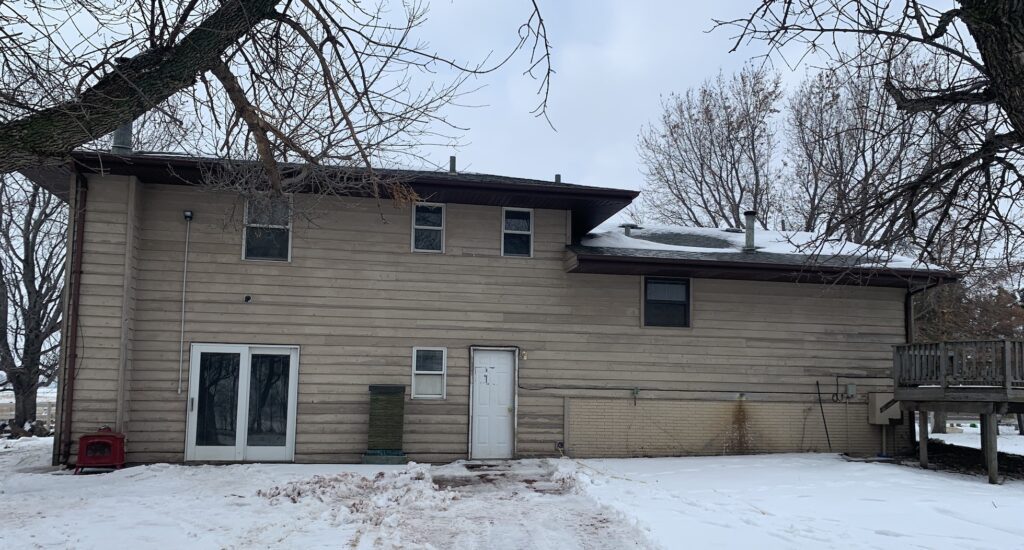
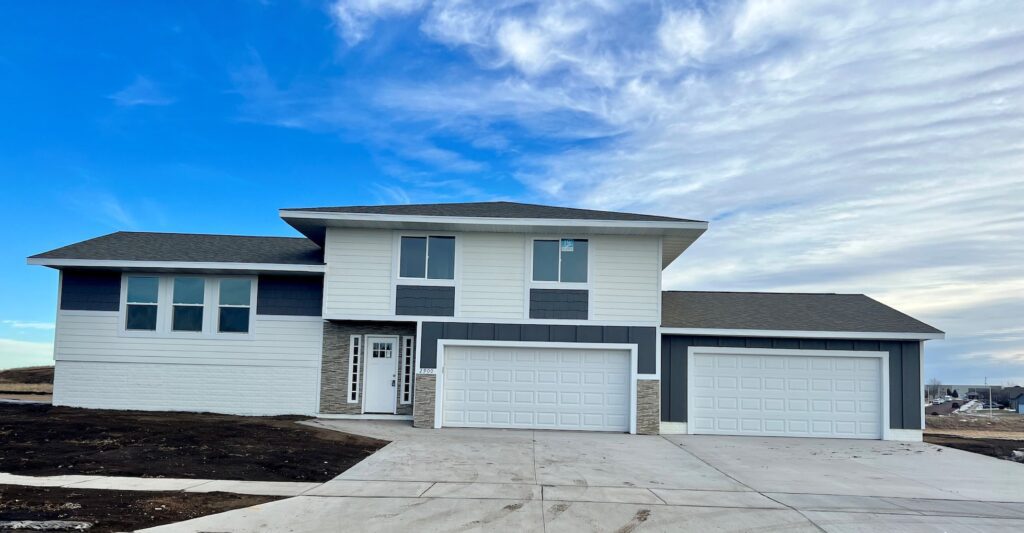
Never-ending? She said her organization is looking at doing a similar workforce housing project on 26 acres at La Mesa Drive and Madison Street in western Sioux Falls. And work is continuing on transforming a slice of Wayland Avenue and 12th Street with fixed-up and rehabbed houses.
“The nice part about when people donate houses to you is that you get something other than a cookie-cutter neighborhood because you’re getting houses from everywhere,” Keller Forbes said. “I think it’s going to be fun to redo this area on Wayland. Sometimes when you come in and you do even half a block, that will make a big difference in the neighborhood.”
As for the Rose-Lotta neighborhood, much of its landscape lies open now. More houses in time will likely depart as well, though again, there is no pressure to make that happen, Smith said. If it should occur, then the Parks & Recreation Department can envision the possibility of integrating that property into a nearby park and offering a recreational element someday. What is certain is that because much of Rose-Lotta sits in a hundred-year floodplain, new houses will never return there again.
The old houses? They’ll just live on elsewhere for decades to come. And for the good of Sioux Falls.
Share This Story
Most Recent
Videos


Looking amazing @dtsiouxfalls and @washpav! Thanks to @jpickthorn for capturing an incredible night.
Nov 26

Enjoy this glow headed into Halloween week! 📸: @jpickthorn
Oct 31
Hope you had a wonderful summer weekend and are recharged for the week ahead! 📸: @jpickthorn
Jun 27
Beautiful way to start a week! 📸: @jpickthorn
Jan 10
Favorite flyover of the year! Merry Christmas from our entire @pigeon605news flock. 🎄🐦 📸: @actsofnaturephotography
Dec 24
They definitely deserve to be treated like holiday royalty and they were! ❤️ these scenes from tonight’s lighting celebration at @sanfordhealth Children’s Hospital. 🎄
Dec 1
The holidays are here! Perfect night @dtsiouxfalls
Nov 27
Happy Halloween from @avera_health NICU babies! Link in bio to see more! 🎃
Oct 31
Did you know @dtsiouxfalls is filled with 👻 stories? Link in bio … if you dare 😱
Oct 8
When it comes to kids parties nobody wants to be cookie-cutter. Link in bio for the story on what’s trending.
Sep 28
Want to stay connected to where you live with more stories like this?
Adopt a free virtual “pigeon” to deliver news that will matter to you.



Are you a little bird with something to share?

Delivering news that matters to you
Years ago, homing pigeons were used to bring us news we needed. Today, your virtual “pigeon” will deliver what you want to know about the place you call home.
All pigeons are free to good homes!
Our Partners