
Rate increases: What to expect from your Sioux Falls utility bills
If you use water and sewer services in Sioux Falls, your rates will be going up.
This week, the Sioux Falls City Council approved rate increases over the next four years.
The estimated impact to an average homeowner is that starting next year your monthly bill will increase between $3.70 and $4.22 through 2027.
The city’s light and power service is not increasing rates.
City leaders said that despite the increases, Sioux Falls has some of the region’s lowest overall utility rates.
“The city of Sioux Falls prides itself in providing safe and reliable utility services at the lowest possible cost for customers,” said Mark Cotter, director of public works. “Based on a thorough analysis and modeling of anticipated costs in the years ahead, the proposed rate adjustments are the minimum revenue requirements to keep our utilities fully functional and to provide the same level of service our community deserves and expects.”
The last time rates were reviewed was in 2019, looking out to 2023. At that time, water purification and sanitary landfill rates were not increased.
“Regular rate reviews are critical for two reasons,” Cotter said. “First, to protect customers’ expected level of service by ensuring revenues meet service costs, and second, to prevent delayed and sporadic reviews that often result in moderate to high rate increases for customers.”
Here’s what to expect this time:
Water purification
This division collects, treats and delivers drinking water to all Sioux Falls residents.
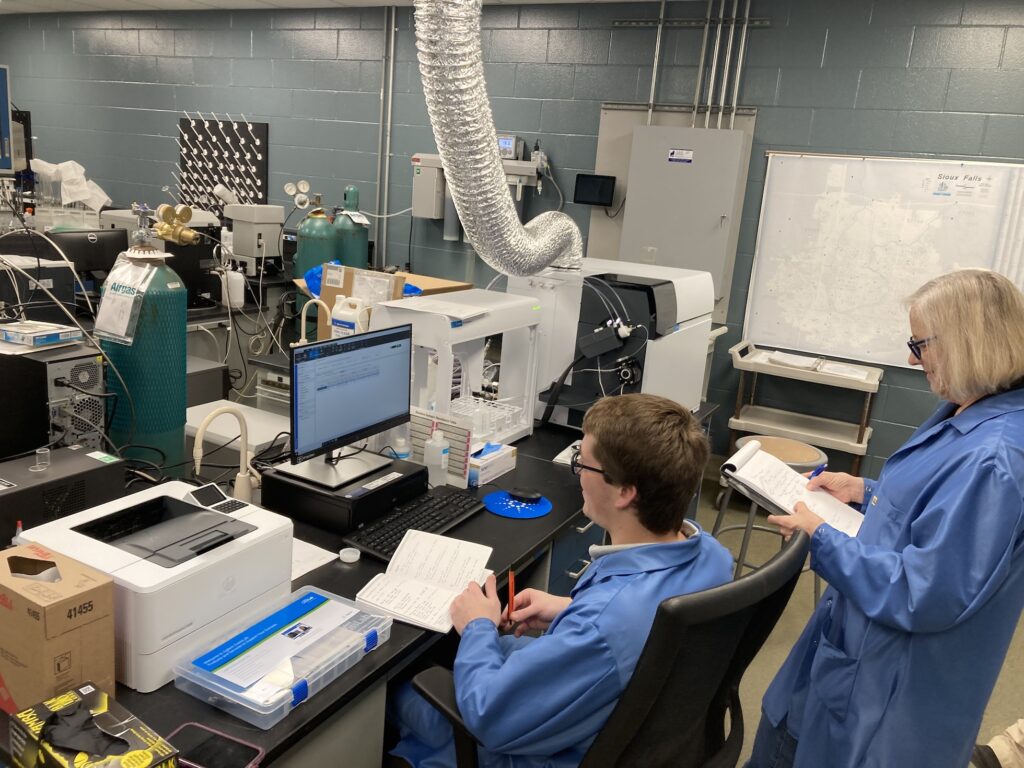
Rates will increase 6 percent in 2024, 5 percent in 2025, 4 percent in 2026 and 4 percent in 2027. That equates to the following monthly cost increases for the average residential customer, based on usage of 5,200 gallons per month: $1.73 in 2024, $1.58 in 2025, $1.34 in 2026 and $1.34 in 2027. You’ll see these in your monthly bill starting next year.
Why: Water purification plant improvements, water main transmission system improvements and source water expansion via the Lewis & Clark Regional Water System.
Water reclamation, or sewer
The water reclamation division collects and treats wastewater from Sioux Falls and regional customers and returns it to the Big Sioux River, meeting federal and state regulations.
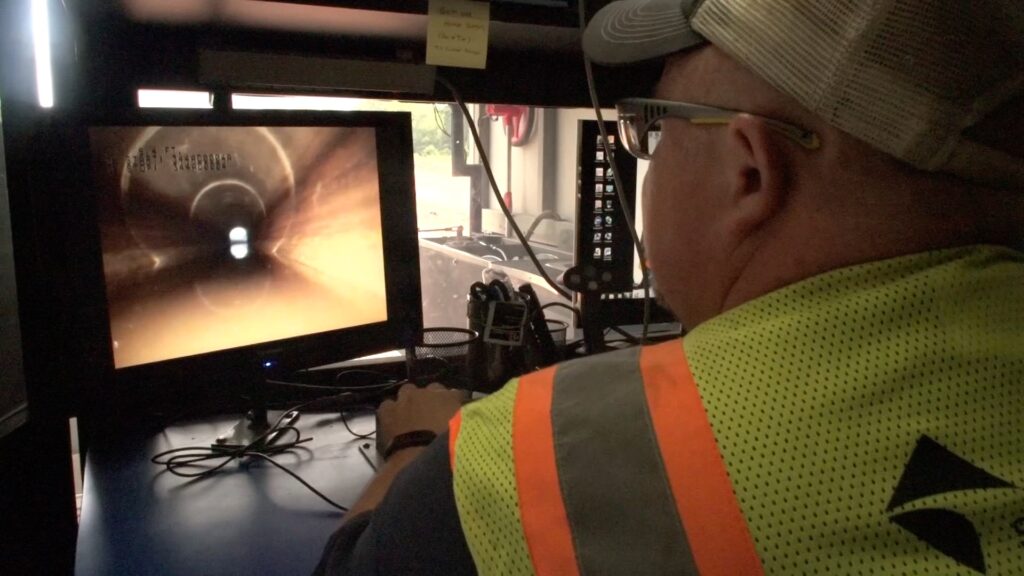
Rates will increase 6 percent in 2024, 6 percent in 2025, 5 percent in 2026 and 5 percent in 2027. That equates to these monthly cost increases for the average residential customer, based on 4,600 gallons per month: $2.29 in 2024, $2.37 in 2025, $2.14 in 2026 and $2.22 in 2027. You’ll see these in your monthly bill starting next year.
Why: Rates are going up to support improved system capacity, expansion for growth and development, and to replace and rehabilitate existing infrastructure.
Storm drainage
Storm drainage consists of infrastructure such as storm drains, pipes and drainageways to protect people and property from damaging floods or excess water.
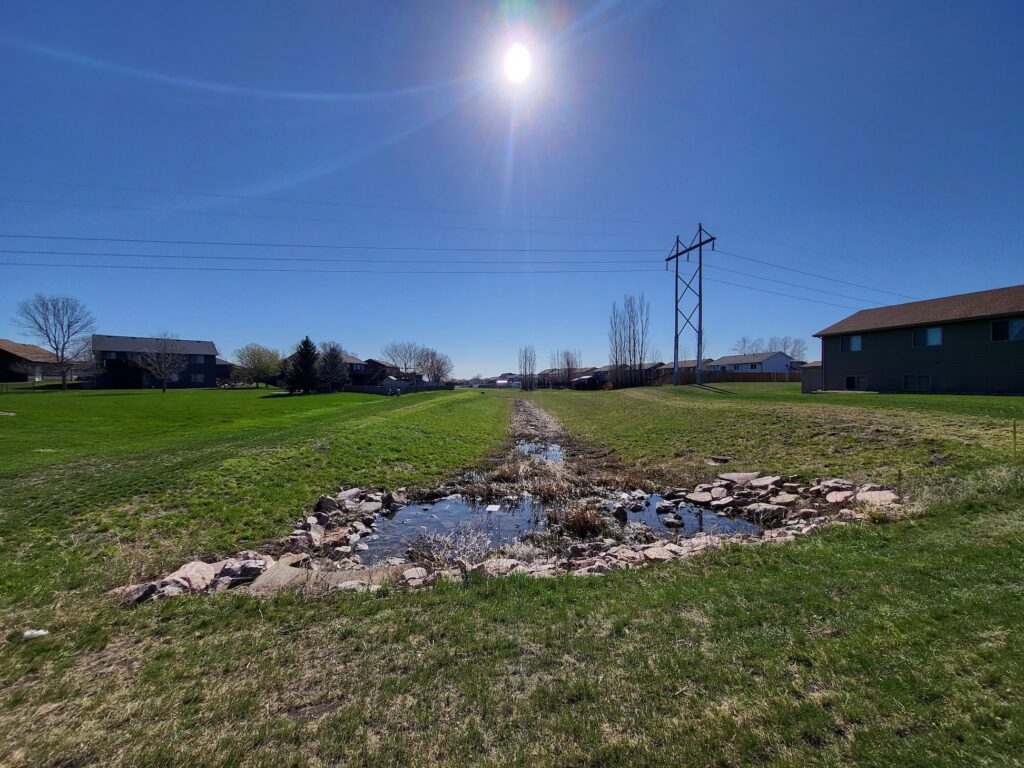
Rates will increase 4 percent in 2024, 4 percent in 2025, 4 percent in 2026 and 3 percent in 2027. For the average property owner, based on a 7,500-square-foot residential property, the monthly cost increases are 20 cents in 2024, 21 cents in 2025, 22 cents 2026 and 18 cents in 2027. These rates are charged annually to property owners through a special assessment on county property taxes.
Why: The rate increase is to fund improvements to drainage in existing areas, regional drainage improvements like the Southwest Sioux Falls Project and regional ponds along Veterans Parkway.
Sanitary landfill
The Sioux Falls Regional Sanitary Landfill serves Sioux Falls and five counties: Minnehaha, Lincoln, McCook, Turner and Lake.
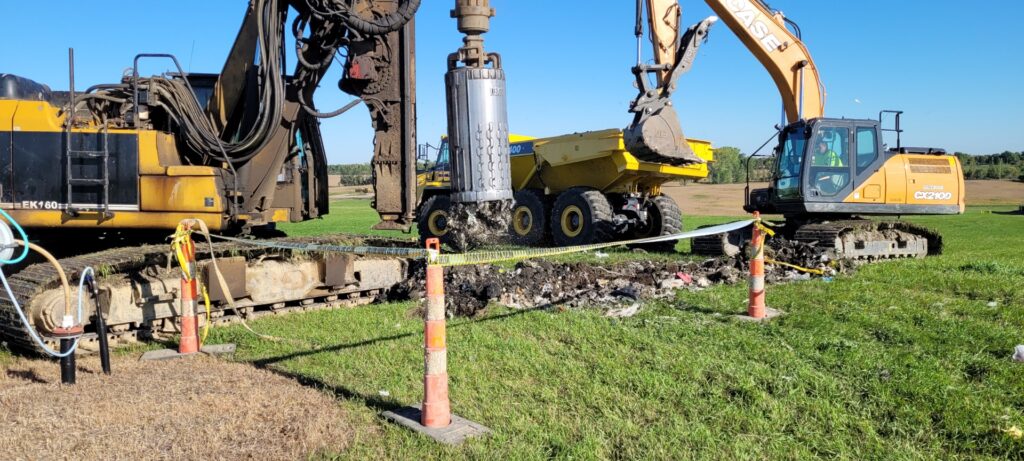
Rates will increase per ton of municipal solid waste: $2 in 2024, $1.50 in 2025, $1.50 in 2026 and $1 in 2027. Rates for the landfill are charged per ton and per visit.
Why: Maintain and replace equipment, improve the Household Hazardous Waste Facility and design and construct cell No. 5, a waste-holding basin within the landfill.
Utility licenses and fees
In addition to rates, the Public Works Department reviewed the utilities’ associated licenses and fees such as those charged to building movers, recycling facilities, commercial/industrial wastewater discharge and haulers of garbage, liquid waste and medical waste.
Utility fees apply to new or altered utility connections, requested utility services and landfill usage. Examples of fees range from water and sewer connections, meter charges and lab fees to charges for one-off items to be taken to the landfill such as mattresses, tires and animal carcasses. Most fees are not upfront costs to individual residents, with the exceptions of landfill fees, which are based on individual usage, and late fees, which impact anyone who is late paying their bill.
These licenses and fees will be increased incrementally. The city had proposed a 5 percent late fee on utility payments, up from 1 percent, but the City Council voted to raise it to 2 percent for nonresidential users and to keep it at $1 or 1 percent, whichever is higher, for residential users.
Share This Story
Most Recent
Videos


Looking amazing @dtsiouxfalls and @washpav! Thanks to @jpickthorn for capturing an incredible night.
Nov 26

Enjoy this glow headed into Halloween week! 📸: @jpickthorn
Oct 31
Hope you had a wonderful summer weekend and are recharged for the week ahead! 📸: @jpickthorn
Jun 27
Beautiful way to start a week! 📸: @jpickthorn
Jan 10
Favorite flyover of the year! Merry Christmas from our entire @pigeon605news flock. 🎄🐦 📸: @actsofnaturephotography
Dec 24
They definitely deserve to be treated like holiday royalty and they were! ❤️ these scenes from tonight’s lighting celebration at @sanfordhealth Children’s Hospital. 🎄
Dec 1
The holidays are here! Perfect night @dtsiouxfalls
Nov 27
Happy Halloween from @avera_health NICU babies! Link in bio to see more! 🎃
Oct 31
Did you know @dtsiouxfalls is filled with 👻 stories? Link in bio … if you dare 😱
Oct 8
When it comes to kids parties nobody wants to be cookie-cutter. Link in bio for the story on what’s trending.
Sep 28
Want to stay connected to where you live with more stories like this?
Adopt a free virtual “pigeon” to deliver news that will matter to you.





Are you a little bird with something to share?

Delivering news that matters to you
Years ago, homing pigeons were used to bring us news we needed. Today, your virtual “pigeon” will deliver what you want to know about the place you call home.
All pigeons are free to good homes!
Our Partners