
Low-intervention wines gain following with more natural approach
For essentially every preference, there’s a product.
And as trends toward natural and organic foods grow, more products become available. Maybe you want to eat raw foods, or only local, or organic.
Maybe you want everything – including your beverages – to be as clean and simple as possible. There’s a product for that – low-intervention or natural wines.
This is how Bon Appetit describes it: “It’s Elvis. It’s the Sex Pistols. It’s N.W.A. It’s that thing your parents could never understand. Natural winemakers buck conventions and break regional rules.”
Well, that sounds sexy and delicious.
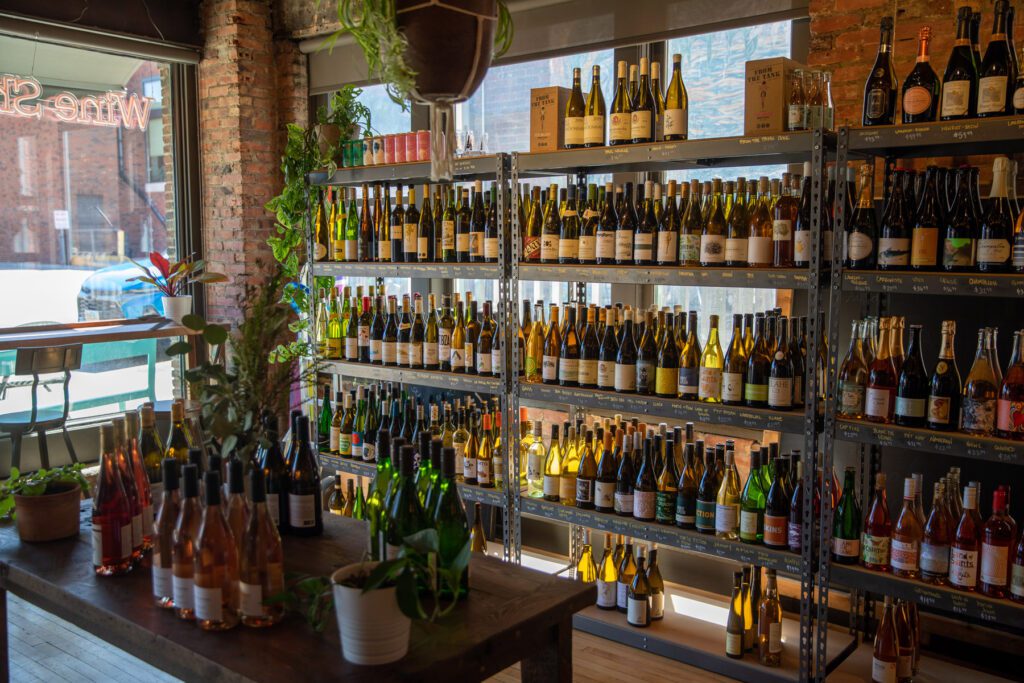
Low-intervention and natural wines – or wines with as few additives and as little processing as possible – are exploding. Natural wine and organic wine sales are considered a high opportunity for growth, particularly for younger consumers, according to a recent report by Wine Intelligence and another by Transparency Market Research.
But the two aren’t the same – organic refers to the ingredients, and natural or low-intervention refers to the process. You can have a low-intervention wine that isn’t natural, though, if, for example you need to add non-GMO yeast to finish the fermentation process.
Sound confusing? A little. But here’s what you should remember: Less processing doesn’t mean lower quality or a less refined taste. In fact, in a recent article about the popularity of natural wines, The Washington Post says, “Your wine may taste like kombucha and cost as much as a fine burgundy.”
Mel Guse, owner of Gist Wine Shop in downtown Sioux Falls, said it even better: “The history of wine is just fermented grape juice — there wasn’t any technologies. The Greeks and Romans built vines everywhere, but then they were just stomping grapes.”
The process became much more industrialized after World War II, with machinery to harvest, different yeasts and additives created in labs to ferment and mass production that required consistent, shelf-stable products to meet consumer expectations.
“We’ve gotten off the path of nature, and we’re back to that,” Guse said. She talks about being conscious of how the grapes are grown, what’s going on in the vineyard. None of that is new for winemaking – entire areas are known for how their growing conditions affect taste. But natural and low-intervention go a step farther – using indigenous or ambient yeast, for example.
That means the taste may vary in low-intervention wines, said Guse, who has studied wine across the country and had a shop in the Twin Cities before returning to Sioux Falls.
“Thinking of global warming, when you are doing low-intervention, you are going to get something different from year to year,” Guse said. “If you’re a larger wine producer, it’s a little harder to be low-intervention.”
Conscious consumerism drives some of the demand, and customers like “knowing that what you are consuming, whether it is local or sustainable, or organic, knowing the wine is made with a light hand and where it comes from,” she said.
Justin Warner agrees.
“There’s something about the idea of low intervention that makes us feel happier,” Warner said. “I feel like drinking something that is less refined, is slightly counterculture. People are shifting to things that are not standardized. We aren’t standardized, so we prefer that. That’s how we live our lives and how we drink our drinks.”
He and his wife, Brooke Sweeten, opened Bb’s Natural in Rapid City two weeks ago. They already own Bokujo Ramen, and when they had the chance to expand in the building, they decided natural wines was the next step.
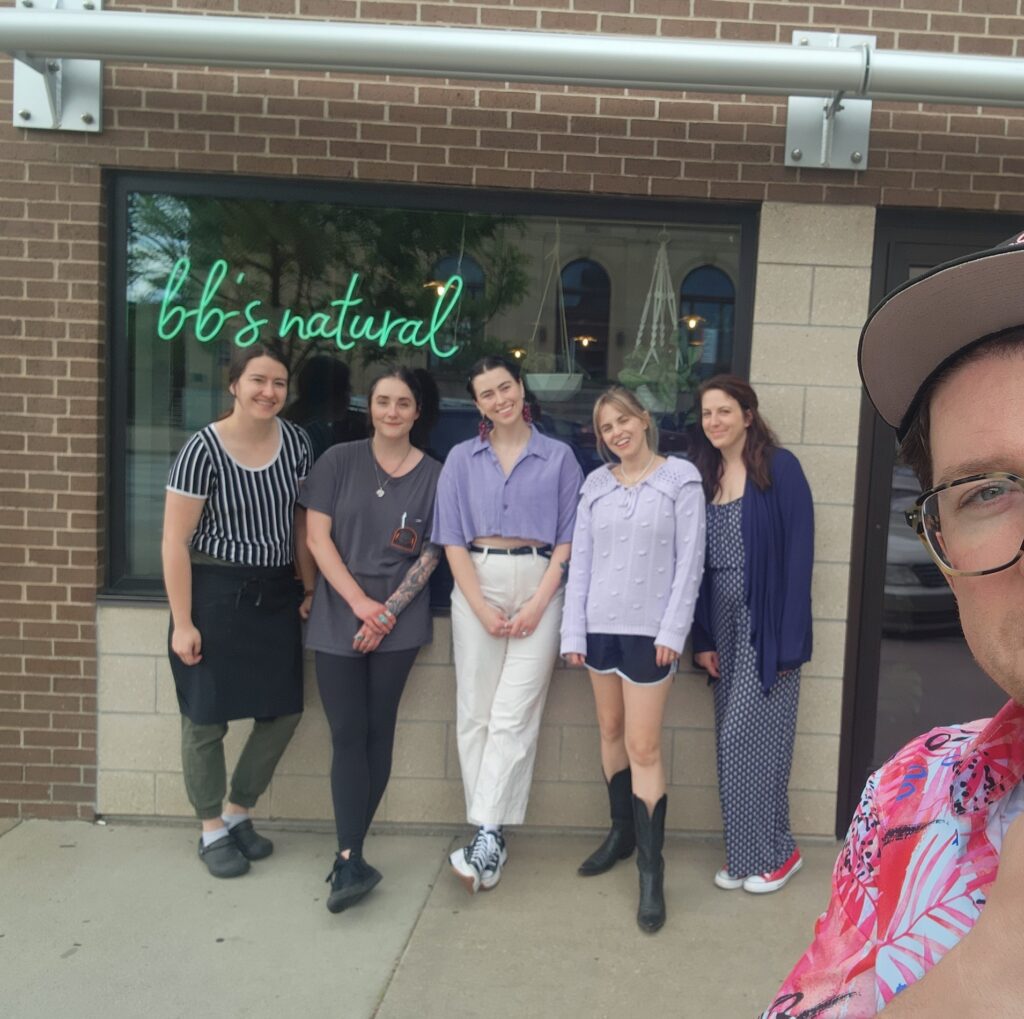
“I don’t know where we got hooked on natural wine; it was probably a pizza place in Brooklyn called Roberto’s,” said Warner, a “Food Network Star” winner a decade ago. “It’s known for being hip and fun and convivial, and the bug stuck with us.”
They both worked at The Modern in New York City, and the sommelier there received the James Beard Award for wine service in New York City, he said. “Brooke and I have always had wine as a fact of our lives,” Warner said. “The world of wine is endless.”
Sweeten is from Rapid City, and Warner grew up in Maryland. They moved to South Dakota a few years ago.
“When we realized we could get natural wines here, we thought, hey, let’s keep drinking these,” Warner said. “And then we drank them so much, we thought, hey, let’s start selling these. It was a hobby that turned into a passion that turned into a business.”
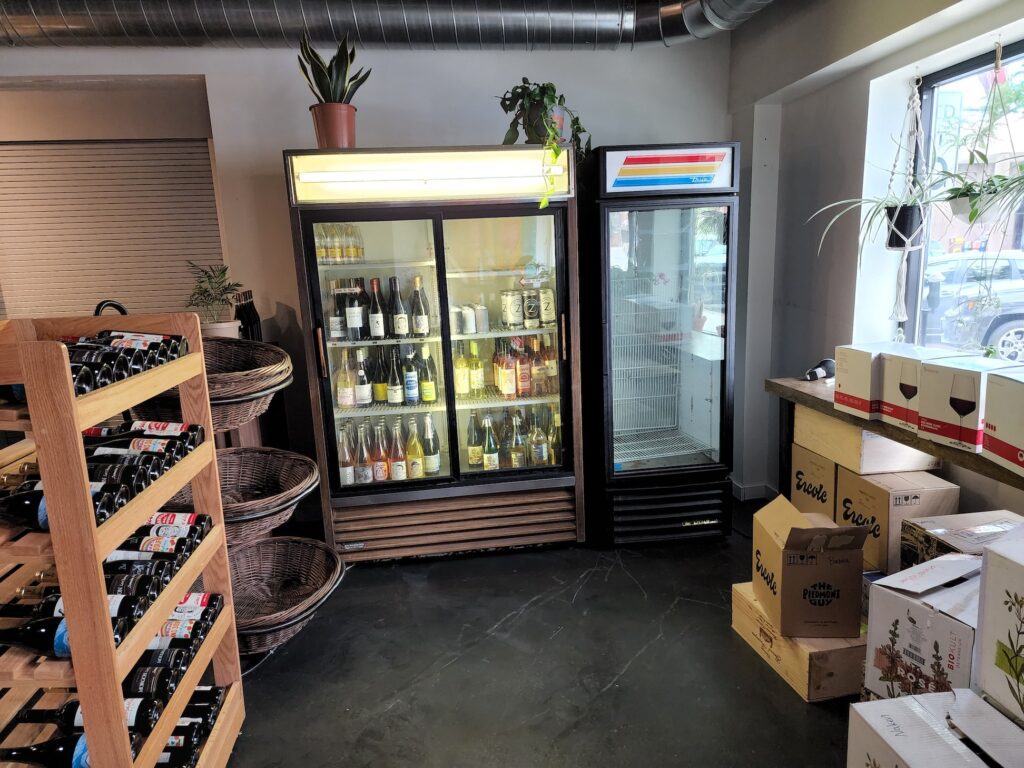
This is all well and good, but how does it taste?
First of all, natural wines tend to be a bit lower in alcohol and are generally at or below 14 percent alcohol. They’re a bit more acidic and a bit more food-friendly too. Guse describes them as having a “little more light, or liftedness.”
“The higher acid and lower tannin will pair nicely with food and not overpower it,” Guse said.
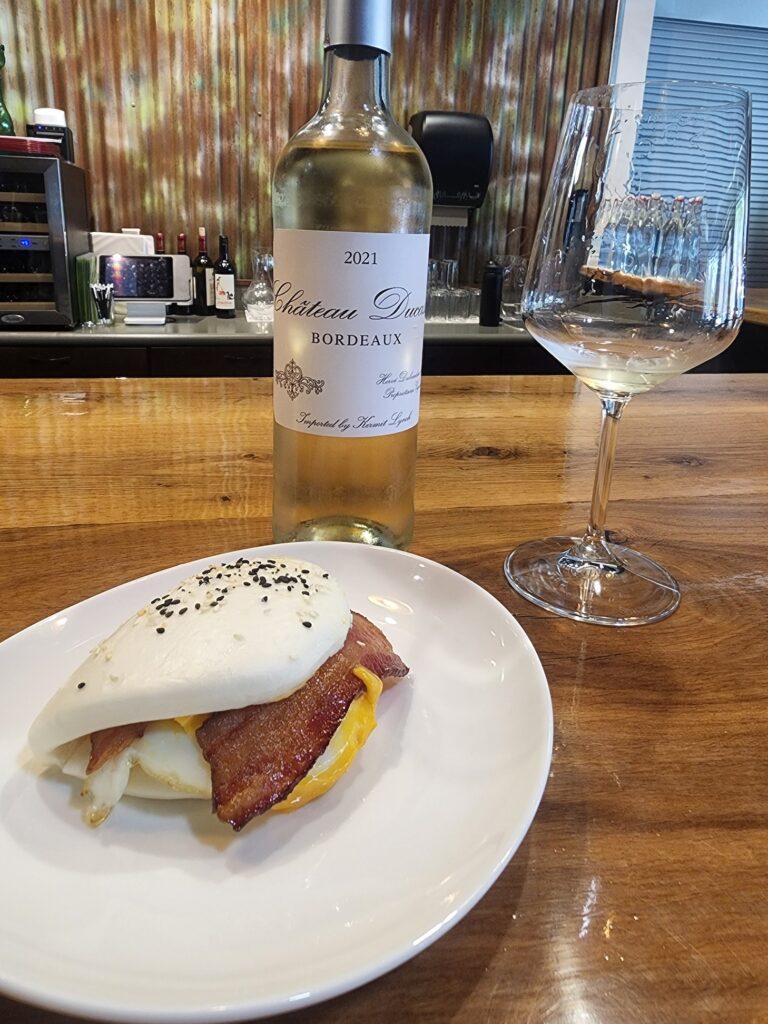
But it does have its quirks. “There are some strains of yeast where a little can go a long way,” Guse said. “I always try to keep fairly approachable, clean wines at the shop. I have had some crazy natural wines, but that’s not for everybody.”
Kristi Hay-Merfeld of Sioux Falls knew what she liked. Her grandmother was 100 percent French, and she jokes that she grew up drinking Chardonnay with lunch. As an adult, Hay-Merfeld tended toward big-bodied reds.
“No matter how hot it was, I was drinking full-bodied reds,” Hay-Merfeld said. “Now if I have that during the summer, I think it’s so heavy, and I don’t feel good.”
She calls her slow change to expanding her palate “the Gist effect.”
“She (Guse)started me off slowly, saying try this white burgundy, so it has the body I like and the fullness, but it’s lighter,” Hay-Merfeld said.
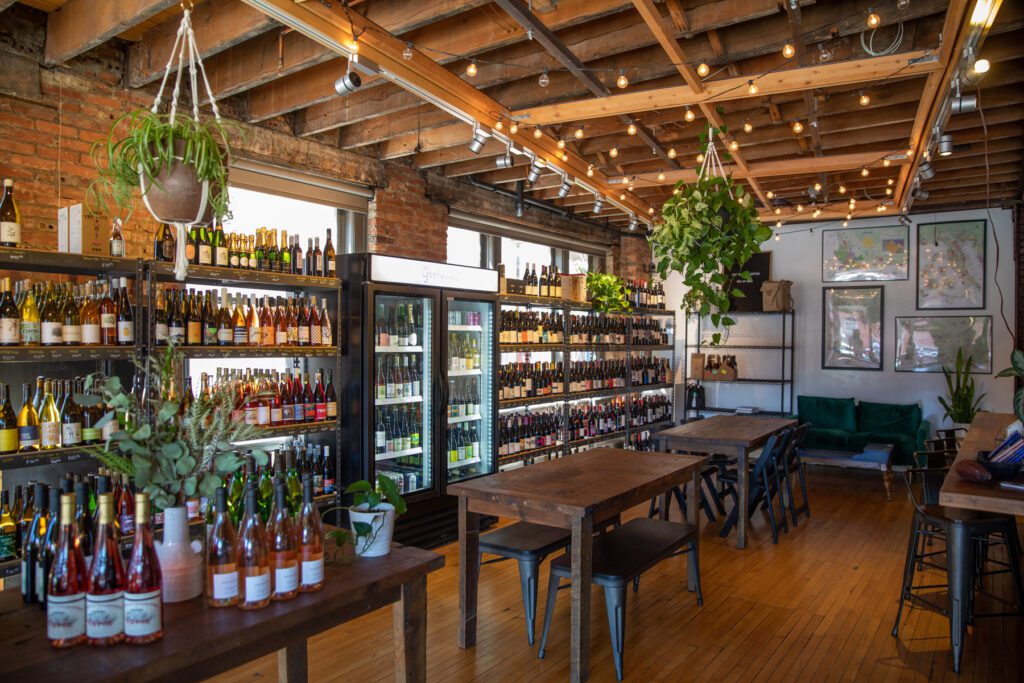
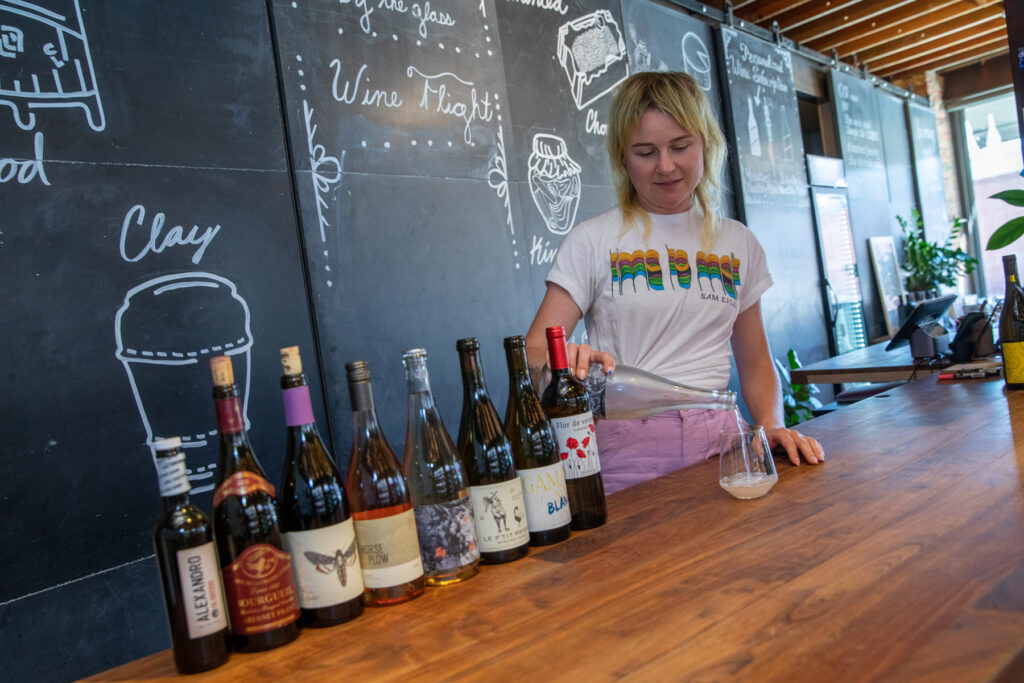
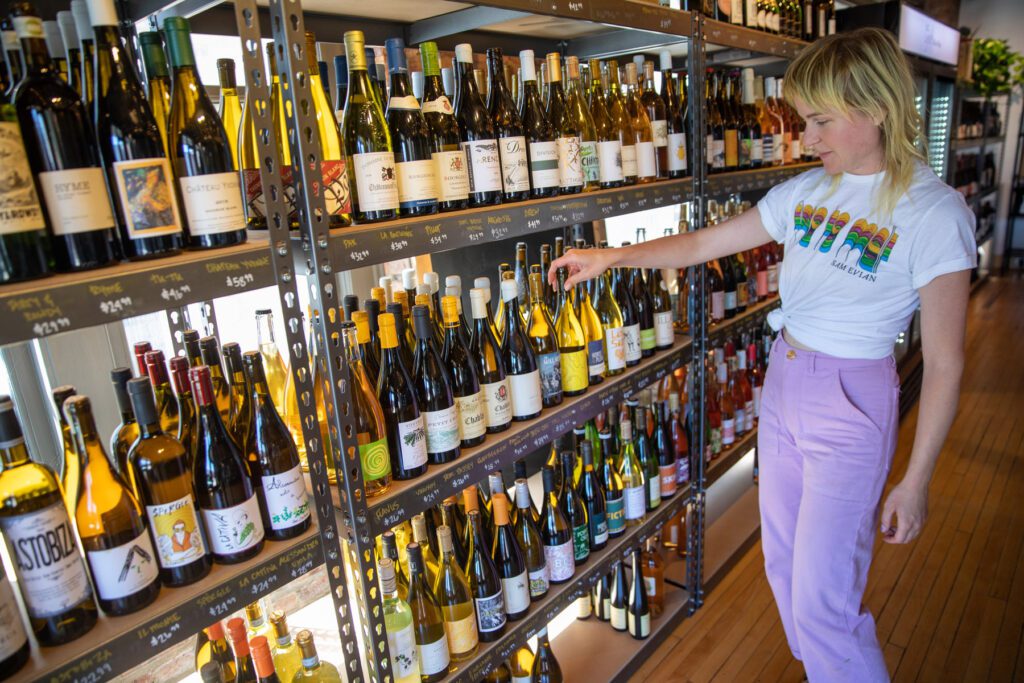
On a recent Thursday afternoon, Gist Wine Shop was quiet, with small tables, a comfortable bar area and a wall of bottles for sale, with the average bottle about $30. Guse had several options available and featured a flight of rose for June and other fun options to celebrate Pride. As the afternoon turned into evening, couples, co-workers and friends began to stream in, many of them greeting Guse by name. It’s clearly a welcoming atmosphere with a host of regulars trying new things.
“My husband was definitely not a wine guy before I met him, and now he loves going down there,” Hay-Merfeld said. “She (Guse) is so approachable, and she wants to teach you. She asks the questions and gets to know your palate before she makes a suggestion.”
Guse said the city has changed over the years, making now a great time to do this. “I’m just trying to introduce a more worldly style here in South Dakota,” she said of her home state.
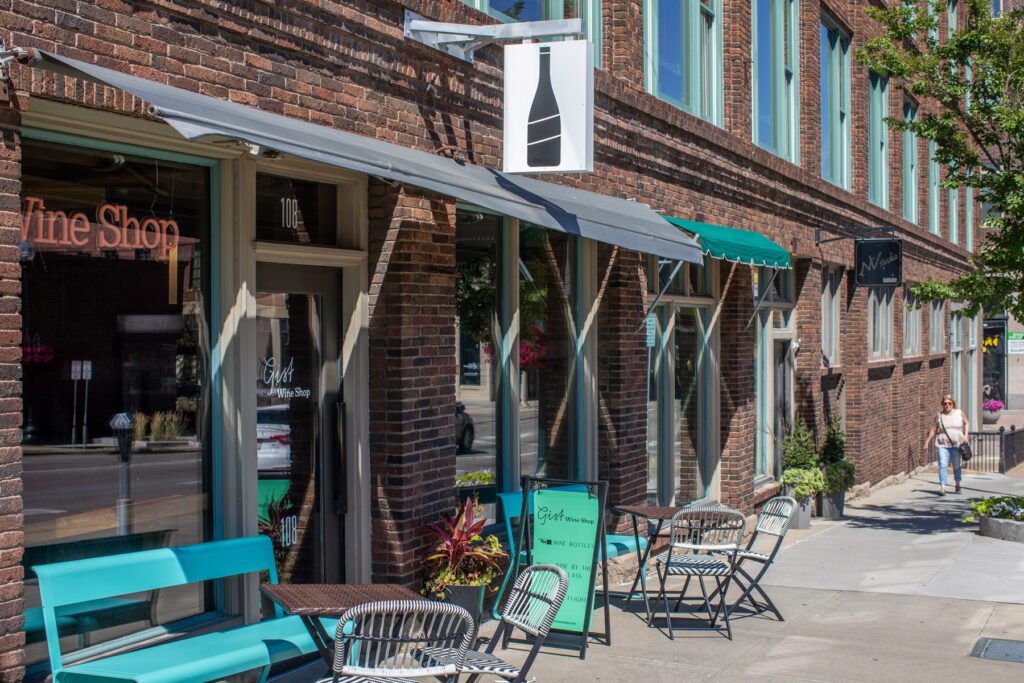
“When I would come back and visit 10 or 15 years ago, I just didn’t know if there would be a market, but now we can get what we want where we want it,” Guse said.
For Hay-Merfeld, it has opened up a whole new world.
“Natural wines are so different than the overprocessed ones. There are so many additives put into them. You can tell a natural wine from a non-natural wine as soon as you taste them,” she said. “You don’t go back after you’ve had natural wine. Why is this one so different?”
And, as Guse said, tastes are always changing.
“Our palates are like our fingerprints,” Guse said. “No one’s is exactly the same. There’s a wine for everyone.”
Like Guse, Warner said customers should ask questions and learn how to talk about their preferences, and build a rapport with whomever is pouring the wine.
“You don’t have to be sophisticated with your palate,” Warner said. “But it helps to say I like sour things, or I like sweet things. Then we can say, great, here’s this Moscato with 5 percent alcohol – you can drink the whole bottle.”
Share This Story
Most Recent
Videos



Looking amazing @dtsiouxfalls and @washpav! Thanks to @jpickthorn for capturing an incredible night.
Nov 26

Enjoy this glow headed into Halloween week! 📸: @jpickthorn
Oct 31
Hope you had a wonderful summer weekend and are recharged for the week ahead! 📸: @jpickthorn
Jun 27
Beautiful way to start a week! 📸: @jpickthorn
Jan 10
Favorite flyover of the year! Merry Christmas from our entire @pigeon605news flock. 🎄🐦 📸: @actsofnaturephotography
Dec 24
They definitely deserve to be treated like holiday royalty and they were! ❤️ these scenes from tonight’s lighting celebration at @sanfordhealth Children’s Hospital. 🎄
Dec 1
The holidays are here! Perfect night @dtsiouxfalls
Nov 27
Happy Halloween from @avera_health NICU babies! Link in bio to see more! 🎃
Oct 31
Did you know @dtsiouxfalls is filled with 👻 stories? Link in bio … if you dare 😱
Oct 8
When it comes to kids parties nobody wants to be cookie-cutter. Link in bio for the story on what’s trending.
Sep 28
Want to stay connected to where you live with more stories like this?
Adopt a free virtual “pigeon” to deliver news that will matter to you.



Are you a little bird with something to share?

Delivering news that matters to you
Years ago, homing pigeons were used to bring us news we needed. Today, your virtual “pigeon” will deliver what you want to know about the place you call home.
All pigeons are free to good homes!
Our Partners