

How an hour of your week can make a lifelong impression
This paid piece is sponsored by LSS.
In many ways, our increasingly online world feels more connected than ever. But for all the likes, posts and comments, we lose out on the real, substantive, face-to-face interactions that make up our most important relationships.
Increasingly, young people in our community long for meaningful engagement — and need it to feel secure and valued. That’s why dedicating even an hour a week to sharing lunch, shooting hoops or simply chatting about school can be surprisingly powerful for a young person’s social and emotional development.
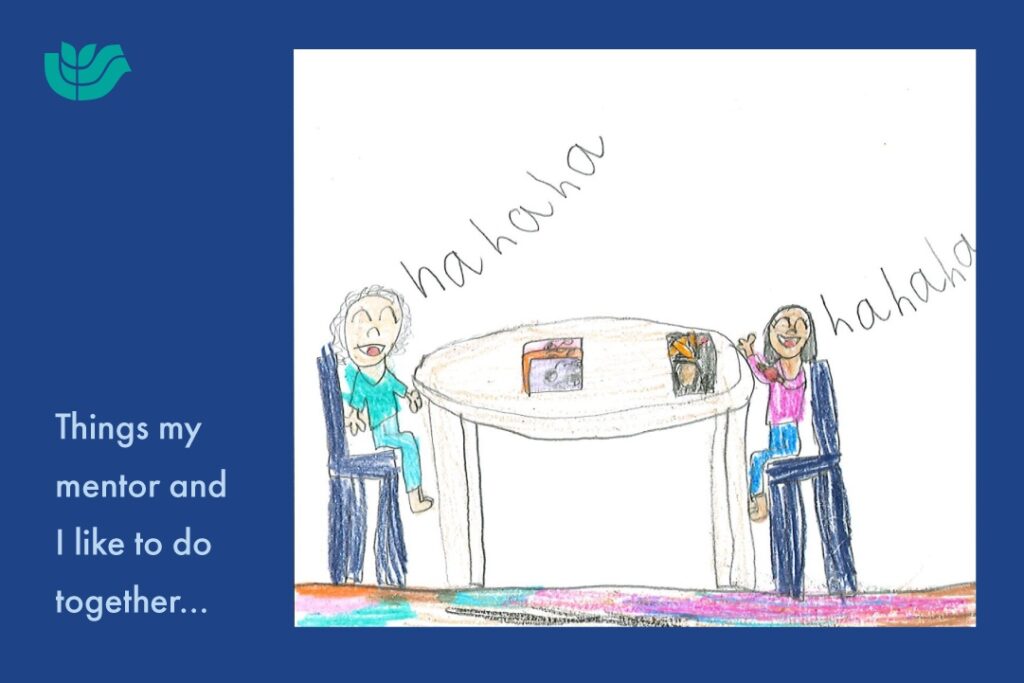
Michelle Madsen, senior director of community services at LSS, uses this perspective to encourage many potential mentors.
“What I challenge people to think about is, when they were kids, did they get an hour a week with just one adult who would listen to them, be there for them and support them? I don’t think many kids get that, no matter their situation,” she said.
LSS’ youth mentoring services are designed to empower children and teens by connecting them with mentors who offer support, encouragement and guidance. Mentors help youths build self-esteem, encourage positive choices and identify and work toward goals. Simply put, a mentor’s role is to be a friend to a young person who needs someone in their corner.
“It’s something I think every single kid could benefit from. There’s no such thing as too much attention from adults in today’s world,” Madsen said.
These relationships, Madsen said, can last a lifetime. She shared stories of a few former mentors who received Christmas cards from kids they mentored more than 15 years ago. Another mentor got a text from a kid they mentored, now an adult, who was in the delivery room as their partner gave birth to their first child, wanting to share the moment with the person who helped shape their childhood.
“Kids often tell their mentors: ‘I want you at my graduation. I want you at my wedding.’ One student even said, ‘I want you and my grandparents to be in the same nursing home.'”
And while kids certainly remember the difference mentors make in their lives, the impact goes both ways.
“Almost every mentor has said they started out thinking they’d be helping a kid — listening to them and hanging out for a bit — but they’ve been blown away by how much it’s impacted them personally,” Madsen said. “It’s helped them grow into better parents, employees and community members.”
Most LSS mentors meet with their students at school, usually during lunch or recess. However, when COVID forced mentors out of public schools, participation at 10 of Sioux Falls’ neighborhood schools dropped by almost half — from 450 mentors to just 270. Compared with 2019, 20 fewer kids at each of these core schools currently have the opportunity to be paired with a mentor. But even if numbers were to recover, the need would far from disappear.
“If we went to the schools tomorrow and said, ‘Here’s a hundred more mentors for each building,’ the waitlist would immediately fill up with the next group of kids,” Madsen said.
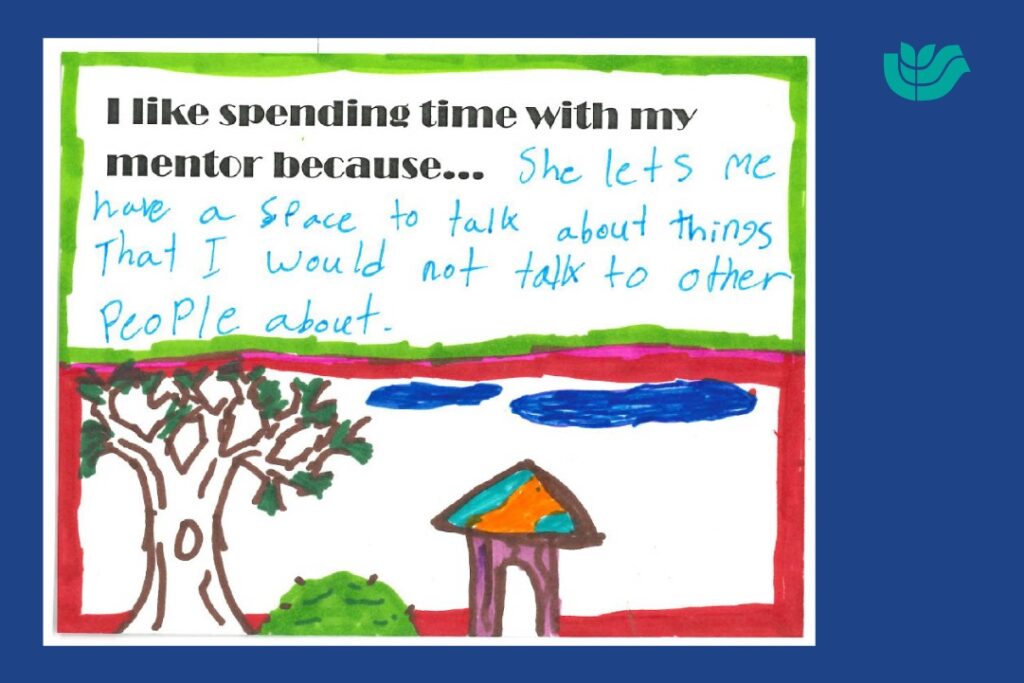
The excitement snowballs as students see their friends and classmates meet with mentors. They, too, want that kind of relationship — a person to eat lunch with so they feel less alone, to play their favorite game with, or to talk about things they might have trouble sharing with others.
“Mentors aren’t parents,” Madsen said, “but they provide extra support in kids’ lives, helping them feel more connected and engaged. For many kids, it’s the highlight of their school week — something positive to share with their families.”
The process of pairing mentors with youths begins at the school level. Teachers and counselors, who know a child’s personality and interests, match them with an available mentor who is best suited to support them. Mentors go through brief training with LSS before meeting their students at the school for an hour each week. And it doesn’t take long for matches to find their groove.
“For the most part, friendships take off,” Madsen said.
Matches quickly settle into their favorite activities, from heading to the playground or tossing a ball around to reading or working on crafts. Some even spend their hour creating gifts for teachers or family members. But no matter what matches do together, LSS mentors provide youths with pivotal experiences and a stable, trustworthy presence.
“Most of all, kids need and want someone to talk to. So that’s what most matches do,” Madsen said. “And it ranges from ‘How was your weekend? What are you learning about in school?’ to deeper conversations as they get older and their relationship grows.”
LSS is actively looking for mentors, particularly men, to help fill the gap and support the many kids looking for guidance and friendship. It doesn’t take a special skill set to be a mentor, nor does it require much time. All it takes is a small investment — offering a nudge of confidence and a listening ear — that pays off in a lifetime of self-worth.
“If you have a willingness to be there, be consistent and be supportive, you would be a great mentor.”
This January is National Mentoring Month. If you’re interested in becoming a mentor, visit lsssd.org/what-we-do/mentoring for information.
Share This Story
Most Recent
Videos



Looking amazing @dtsiouxfalls and @washpav! Thanks to @jpickthorn for capturing an incredible night.
Nov 26

Enjoy this glow headed into Halloween week! 📸: @jpickthorn
Oct 31
Hope you had a wonderful summer weekend and are recharged for the week ahead! 📸: @jpickthorn
Jun 27
Beautiful way to start a week! 📸: @jpickthorn
Jan 10
Favorite flyover of the year! Merry Christmas from our entire @pigeon605news flock. 🎄🐦 📸: @actsofnaturephotography
Dec 24
They definitely deserve to be treated like holiday royalty and they were! ❤️ these scenes from tonight’s lighting celebration at @sanfordhealth Children’s Hospital. 🎄
Dec 1
The holidays are here! Perfect night @dtsiouxfalls
Nov 27
Happy Halloween from @avera_health NICU babies! Link in bio to see more! 🎃
Oct 31
Did you know @dtsiouxfalls is filled with 👻 stories? Link in bio … if you dare 😱
Oct 8
When it comes to kids parties nobody wants to be cookie-cutter. Link in bio for the story on what’s trending.
Sep 28
Want to stay connected to where you live with more stories like this?
Adopt a free virtual “pigeon” to deliver news that will matter to you.
Read More





Are you a little bird with something to share?
Delivering news that matters to you
Years ago, homing pigeons were used to bring us news we needed. Today, your virtual “pigeon” will deliver what you want to know about the place you call home.
All pigeons are free to good homes!
Our Partners