
Eating local food is getting easier — because many are working at making it happen
By Jacqueline Palfy, for Pigeon605
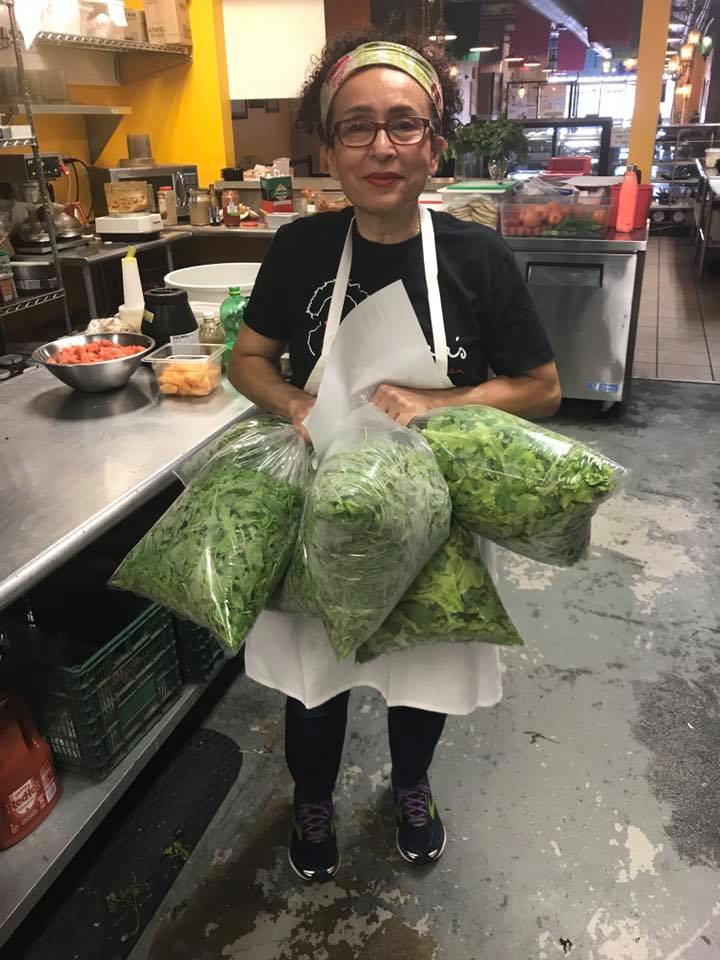
When Sanaa Abourezk started her Mediterranean restaurant in Sioux Falls 18 years ago, she couldn’t source arugula locally.
The peppery-tasting green seemed exotic, and for a chef raised by a farmer, not being able to find fresh produce – even in the limited months it’s possible in the Upper Midwest – was an issue.
But suppliers provide only what people will buy, and there wasn’t a huge local market for it or other produce such as swiss chard or fennel. As food trends such as the locavore movement, growing interest in Community Supported Agriculture, a rise in vegetarian dining and cooking at home have evolved, it has created a demand and opened business opportunities for local farmers – and marketing opportunities for local restaurants.
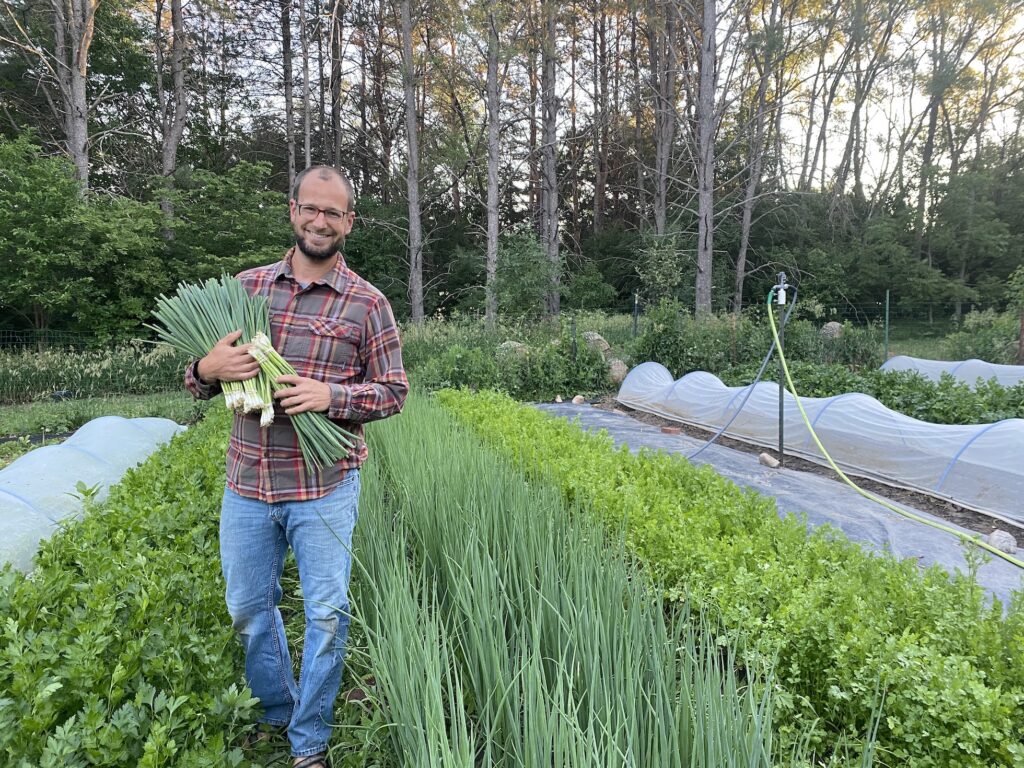
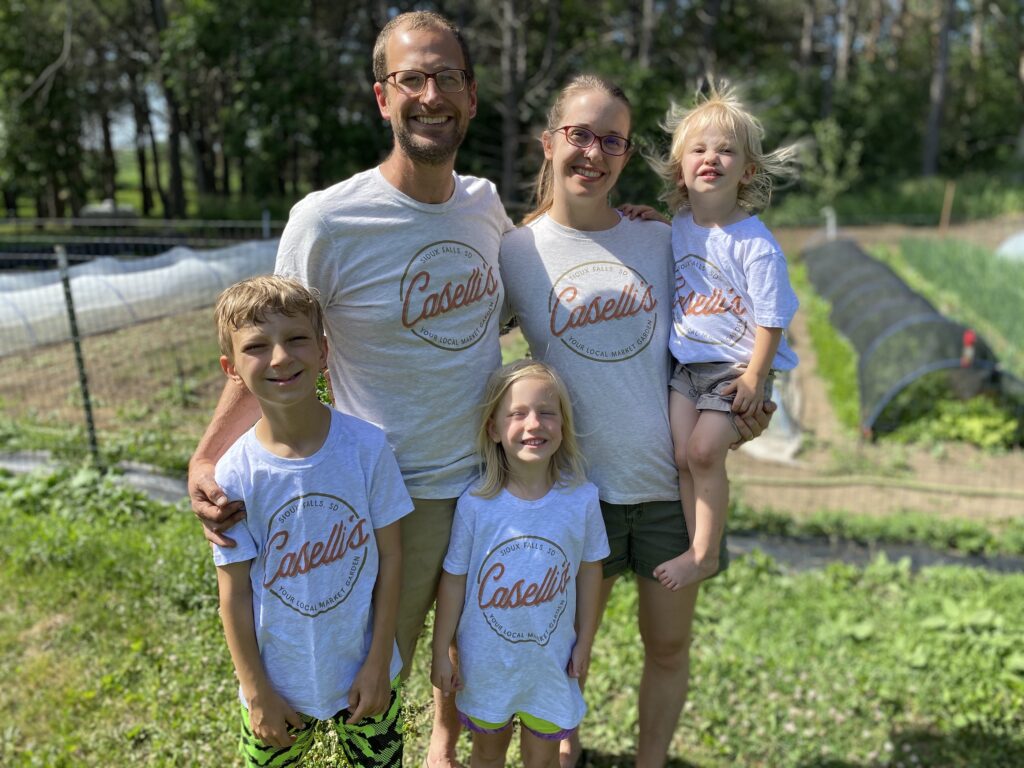
Take Ian Caselli.
“I’m a micro farmer,” said Caselli of Caselli’s Market Garden. “I grow intensively, so I grow crops that grow fast and have high value.”
Like arugula.
Everything he grows in his 8,000-square-foot garden is either 40 days from seed to harvest or 40 days from transplant to harvest. He turns his beds three times per season and sells the produce wholesale to the Sioux Falls Food Co+op, Bread & Circus Sandwich Kitchen and Pizza Cheeks, among others.
His original dream was to have a larger farm, but as a city kid growing up in Sioux Falls, he didn’t know how to break into the industry.
“I didn’t know how you acquire land and how you become a farmer when it isn’t in your family,” Caselli said. He took a class with Dakota Rural Action Farm Beginnings and made a business plan. It included lots of land, animals, mushrooms and more. He and his wife shopped around for an acreage, but it was a struggle. In the meantime, he worked on farms in the summer, learning.
“When it came down to it, we realized we weren’t going to be able to find land we could make profitable someday, so we stumbled across an acre-and-a-half property, purchased it and did my homework,” Caselli said. “I came across the urban farming model and started doing that.”
They’re now in their sixth season. It was trial and error to build relationships and figure out which crops he could grow successfully and that could make the business financially viable.
As Abourezk grew her restaurant, she approached local farmers and told them which vegetables she relied on for her Mediterranean cooking, promising they would have a buyer if they grew eggplant or baby cucumbers.
It’s part a commitment to local food, part a commitment to a healthy diet and a little bit of sentimentality.
“My father was a farmer, and my undergrad degree is in agricultural engineering, and I worked with my dad,” Abourezk said. “Farming is one of the toughest jobs. Sometimes you have a good crop, and the price goes down. Sometimes you have a good crop, and then the hail comes. I have the utmost respect for farmers.”
It’s that kind of relationship and business plan that growers like Caselli appreciate.
“Money is staying in our community and supporting farmers who are growing food in our community,” Caselli said. “There is the benefit of not shipping from California when it is something we can grow here during the growing season.”
A primarily local-based diet is still rare in the United States, accounting for just 1.5 percent of total food sales, according to research from the U.S. Department of Agriculture. But local chefs say even though it comes with its own headaches, it’s worth it.
Jordan Taylor, co-owner and chef at Bread & Circus, said they work with a half-dozen local farmers.
“It’s more difficult to buy local and coordinate all that time and effort, and their effort too,” Taylor said. “There’s the delivery, the order and talking to six or seven people a week instead of one truck.”
But he said the key to good food is starting with good ingredients.
Farmer Nancy Kirstein with The Good Earth Farm near Lennox, where she runs a small CSA program, agrees.
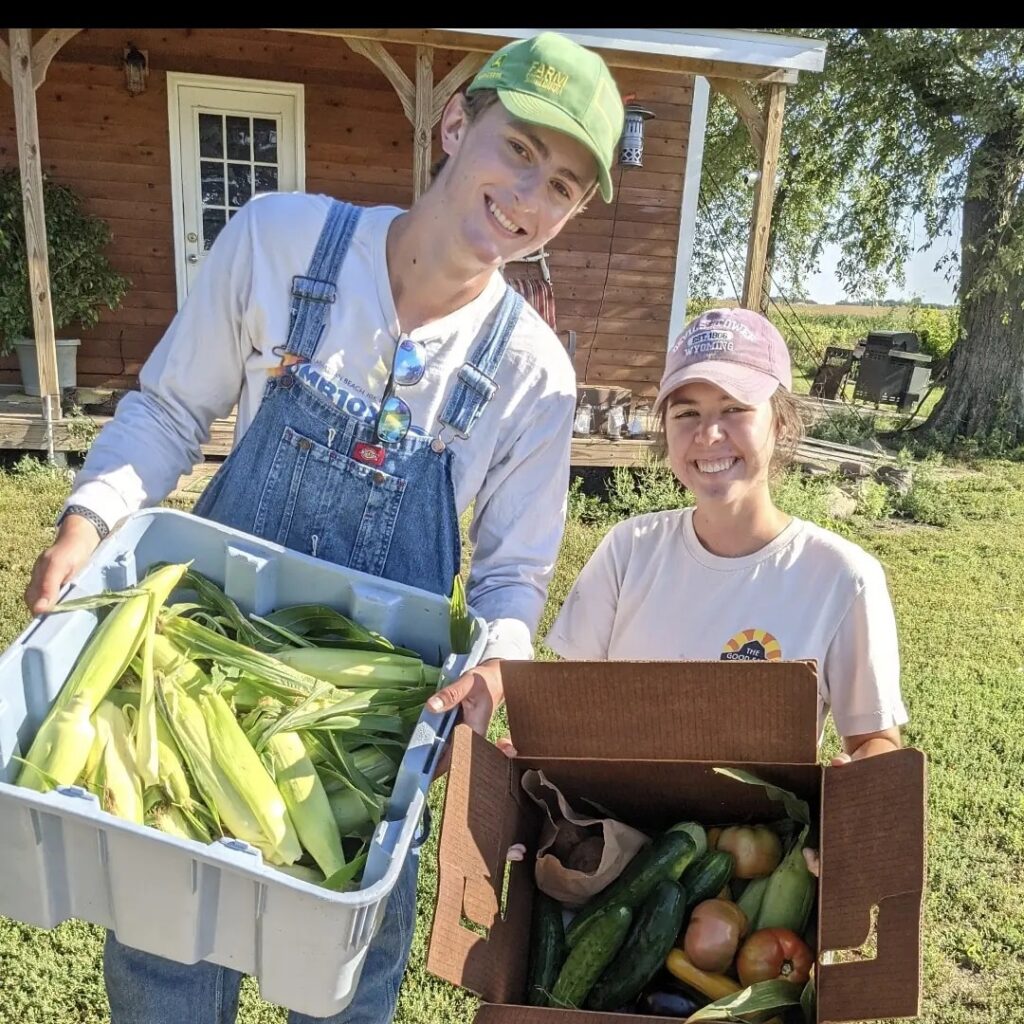
“There is a big difference between an eggplant the day you pick it and one you get 10 days later,” Kirstein said. “I wouldn’t eat an eggplant that was five days old. It’s another vegetable people don’t like because it hasn’t been prepared properly.”
Caselli agrees and said chefs know the difference. “When I harvest lettuce for them, I harvest and deliver on the same day,” he said. “They can be serving a salad that was in the field that day.”
When you buy local, you’re getting food that was picked at the right time – it isn’t ripening on a truck. “Ours are picked sometimes hours before they get in someone’s hand,” Kirstein said.
That also allows fresh produce to last longer in the kitchen, Abourezk added. The arugula she gets from her supplier in the winter wilts if she doesn’t use it right away. But the locally produced vegetables have a longer life span.
“You hold the eggplant or the zucchini, and you can smell it. It’s nice and firm and shiny,” Abourezk said. “When you open the bag, you can smell the flavor. Most of the stuff you get shipped has no smell.”
Living in the Upper Midwest means it isn’t always possible to source fresh vegetables locally year-round – you don’t see a lot of farmers in the field in January. But for these chefs, doing it as often as they can makes culinary and business sense.
“People are excited about the word local,” Caselli said. “More and more people make it popular and exciting. And once people jump in and see the quality difference in food that hasn’t been on a truck for a week, it changes their perspective.”
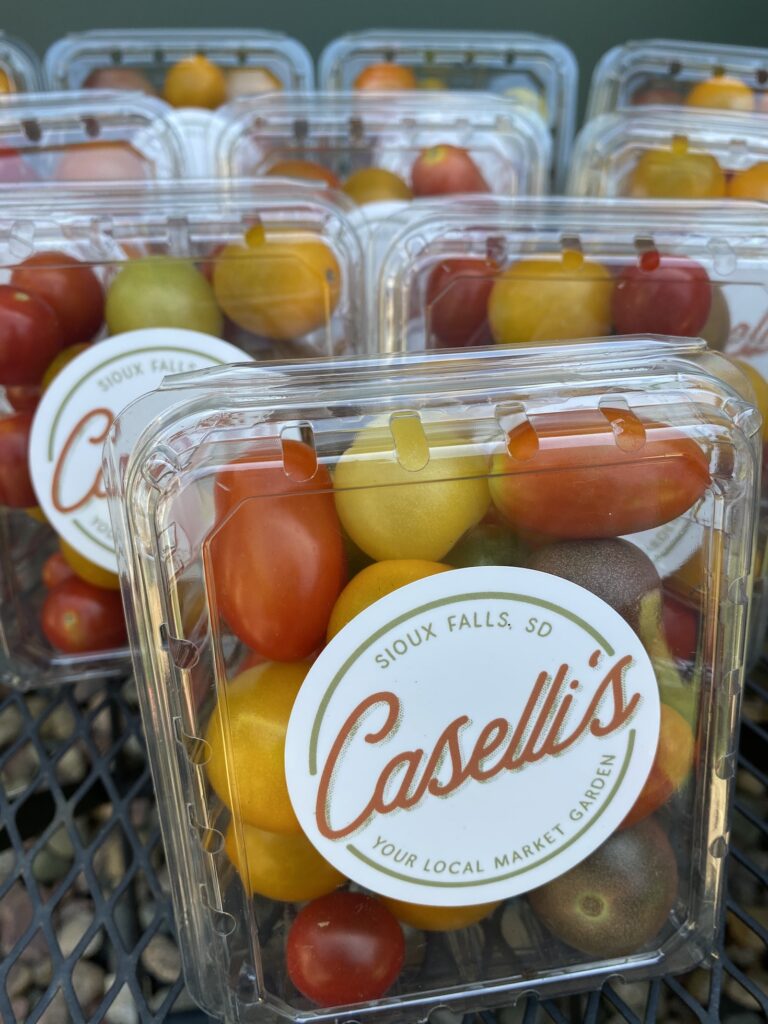
Home chefs can take advantage, too, with regional farmers markets and stores such as the co-op or Pomegranate Market sourcing locally.
To entice consumers to consider local, Dakota Rural Action began a punch card program a few years ago. It gives people a reason to choose local when they are at the grocery store – buying the local asparagus, for example.
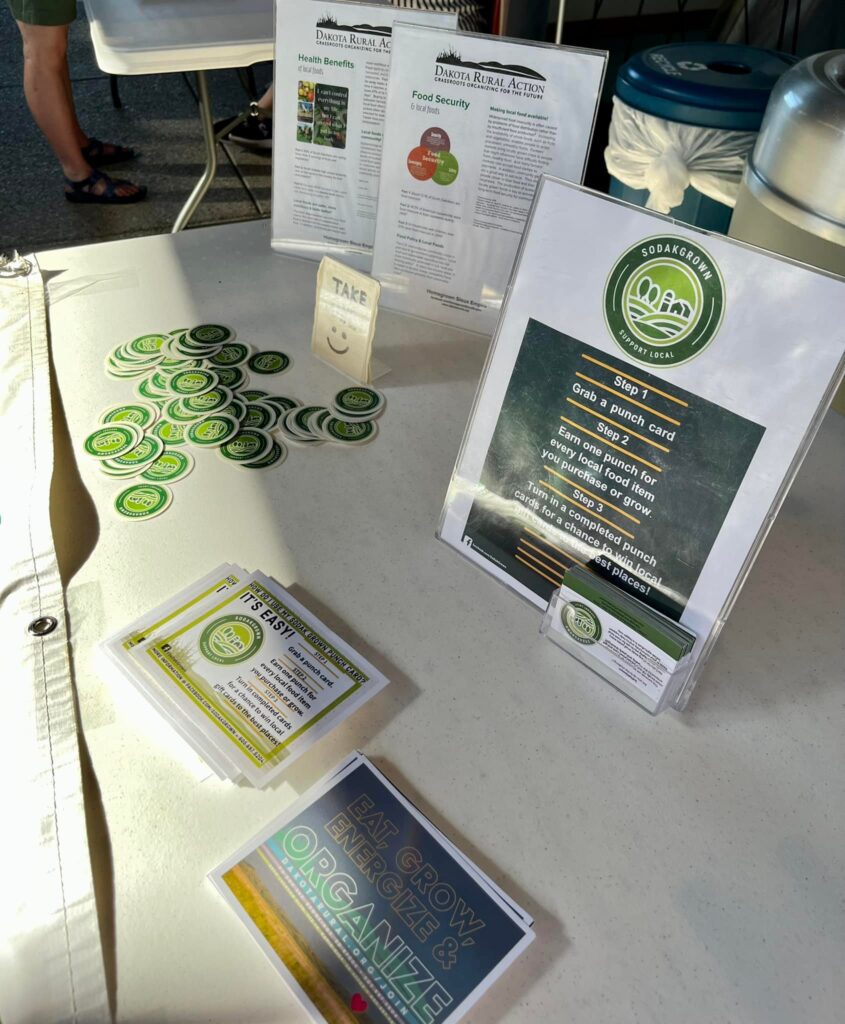
The goal is to build community and awareness, Caselli said. He said adoption has been steady. Participants get punches for buying local or harvesting their own vegetables, and when they fill a card, they can enter into a monthly drawing during the growing season.
And there’s something to be said for choosing fresh food, experts say.
“I haven’t been a saint growing up in this industry, but I can tell you that eating non-GMO and no preservatives at least most of the year has to have done something for me,” Taylor said.
Abourezk agrees. “If I won’t eat something, I won’t serve it. We only have one body. I don’t mind eating junky food once in awhile, but I don’t want it to be routine. I have to protect my body.”
Some Saturday mornings, as she’s preparing to open her restaurant in the East Bank, you’ll see her head to the farmers market first.
“When they see me running over there with a big basket, they know that’s what I am using,” Abourezk said. “When I get my local supply, I Instagram it – they know I am helping local farms.”
Share This Story
Most Recent
Videos



Looking amazing @dtsiouxfalls and @washpav! Thanks to @jpickthorn for capturing an incredible night.
Nov 26

Enjoy this glow headed into Halloween week! 📸: @jpickthorn
Oct 31
Hope you had a wonderful summer weekend and are recharged for the week ahead! 📸: @jpickthorn
Jun 27
Beautiful way to start a week! 📸: @jpickthorn
Jan 10
Favorite flyover of the year! Merry Christmas from our entire @pigeon605news flock. 🎄🐦 📸: @actsofnaturephotography
Dec 24
They definitely deserve to be treated like holiday royalty and they were! ❤️ these scenes from tonight’s lighting celebration at @sanfordhealth Children’s Hospital. 🎄
Dec 1
The holidays are here! Perfect night @dtsiouxfalls
Nov 27
Happy Halloween from @avera_health NICU babies! Link in bio to see more! 🎃
Oct 31
Did you know @dtsiouxfalls is filled with 👻 stories? Link in bio … if you dare 😱
Oct 8
When it comes to kids parties nobody wants to be cookie-cutter. Link in bio for the story on what’s trending.
Sep 28
Want to stay connected to where you live with more stories like this?
Adopt a free virtual “pigeon” to deliver news that will matter to you.




Are you a little bird with something to share?
Delivering news that matters to you
Years ago, homing pigeons were used to bring us news we needed. Today, your virtual “pigeon” will deliver what you want to know about the place you call home.
All pigeons are free to good homes!
Our Partners