

Have you noticed fewer fireflies? Here’s why — and how you can help
Fireflies, lightning bugs or glowworms.
No matter what you call them, you might have noticed the lack of the summertime bugs around the Sioux Falls area.
Firefly numbers have dwindled in recent years across the country and world, including in South Dakota because of destroyed habitat, pesticide use and light pollution.

Gone are the days of stepping outside your backdoor within Sioux Falls city limits and chasing after the flashes of light gliding through your yard. Unless you live near the Big Sioux River or a heavily wooded area, you’ll have to travel to surrounding parks and nature preserves to find them.
“This is why farmland is not good even in moist areas,” said Paul Johnson, a professor of entomology at South Dakota State University. “If their habitat is disturbed, chemicals are applied or grass is mowed regularly, that doesn’t help them. They need those protected areas for breeding.”
Johnson’s area of focus is on beetles, which includes fireflies. Johnson has published works on the dazzling bug, even “done stupid things like chase them through tropical forests” in Costa Rica and Bolivia.
There are about a half-dozen species of fireflies in southeastern South Dakota, Johnson said — all of which are dropping in numbers.
Biologists estimate that the common ancestor of firefly species appeared more than 100 million years ago. There has been an eventual decline in their numbers since World War I, Johnson said. The Xerces Society of Invertebrate Conservation published a report on North American fireflies in 2019, warning that the populations “appear to be in decline.”
But it has become especially noticeable these past couple of summers in the Sioux Falls area because of a combination of their long-term decline and recent drought.
“They have high population peaks and then low counts for a couple years before resurging back in a cycle usually due to drought,” Johnson said. “Fireflies like it’s warm and moist, so the recent drought years have had an effect, especially in the spring before adults come out.”
But suburban development and habitat destruction exacerbate the problem. Of the fireflies that have survived, light pollution from street lamps and porch lights can confuse fireflies mating or hunting for prey.
Pesticide use for farming or lawn care also contributes, threatening fireflies when they’re vulnerable larvae underground or in water in the spring.
“There’s a lot of ecological benefit to having fireflies because they’re predators of small insects and critters. They’re part of the beneficial cohort in the bug world. They’re aesthetically and emotionally appealing, creating an intellectual curiosity, especially among children,” Johnson said. “The worst thing to happen in society is for kids to grow up and lose their innate sense of curiosity about nature, and fireflies help with that enthusiasm.”
According to Firefly.org, here are a couple of things you can do to help fireflies:
- Install water features in your garden.
- Allow logs to rot. Fireflies spend up to 95 percent of their lives in larval stages. They live in rotting logs, soil, mud and leaf litter, and spend from one to two years growing until finally pupating to become adults.
- Turn your lights off at night. Lights can confuse them when they’re trying to mate.
- Refrain from using lawn chemicals.
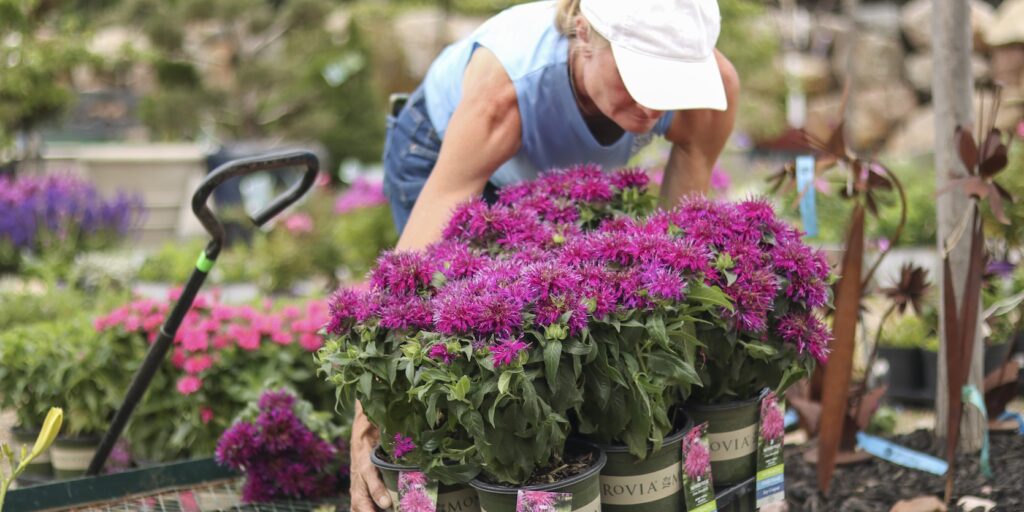
- Plant a garden. Gardens are meccas for fireflies, helping to replace lost habitat. They also supply fireflies with food sources. If you have garden snails, slugs, worms and other insects, fireflies can lend a hand by helping to control these pests. Plus, females need a place to lay eggs, and gardens offer an oasis with a source of soil moisture for larval development.
- Plant trees and native grasses.
- Don’t overmow your lawn.
- Don’t rake leaves and bag them up for the trash. You are raking up firefly larvae and discarding them.
And while it’s beneficial to make changes by yourself, it’s more important to protect and regenerate large amounts of land, which is possible through organizations, such as the prairie regeneration efforts at Good Earth State Park or through city or state government programs, Johnson said.
In addition, schools in Japan raise fireflies in class and release them into rivers, restoring their firefly population, which was diminished because of firefly festivals and years of tourism related to fireflies.
“One backyard in a sea of thousands can’t do a heck of a whole lot, but if lots of people quit recreational mowing and try to encourage natural habitats, things like that can rebuild habitats and would go a long way to improving firefly numbers and diversity,” Johnson said.
Native plantings slowly taking root in residential landscapes
Share This Story
Most Recent
Videos



Looking amazing @dtsiouxfalls and @washpav! Thanks to @jpickthorn for capturing an incredible night.
Nov 26

Enjoy this glow headed into Halloween week! 📸: @jpickthorn
Oct 31
Hope you had a wonderful summer weekend and are recharged for the week ahead! 📸: @jpickthorn
Jun 27
Beautiful way to start a week! 📸: @jpickthorn
Jan 10
Favorite flyover of the year! Merry Christmas from our entire @pigeon605news flock. 🎄🐦 📸: @actsofnaturephotography
Dec 24
They definitely deserve to be treated like holiday royalty and they were! ❤️ these scenes from tonight’s lighting celebration at @sanfordhealth Children’s Hospital. 🎄
Dec 1
The holidays are here! Perfect night @dtsiouxfalls
Nov 27
Happy Halloween from @avera_health NICU babies! Link in bio to see more! 🎃
Oct 31
Did you know @dtsiouxfalls is filled with 👻 stories? Link in bio … if you dare 😱
Oct 8
When it comes to kids parties nobody wants to be cookie-cutter. Link in bio for the story on what’s trending.
Sep 28
Want to stay connected to where you live with more stories like this?
Adopt a free virtual “pigeon” to deliver news that will matter to you.





Are you a little bird with something to share?

Delivering news that matters to you
Years ago, homing pigeons were used to bring us news we needed. Today, your virtual “pigeon” will deliver what you want to know about the place you call home.
All pigeons are free to good homes!
Our Partners