

Collision of factors drives local, national egg prices higher — with little end in sight
If this colder, snowier winter left you in need of extra motivation, you’re not alone.
Stephanie Peterson’s laying hens can relate.
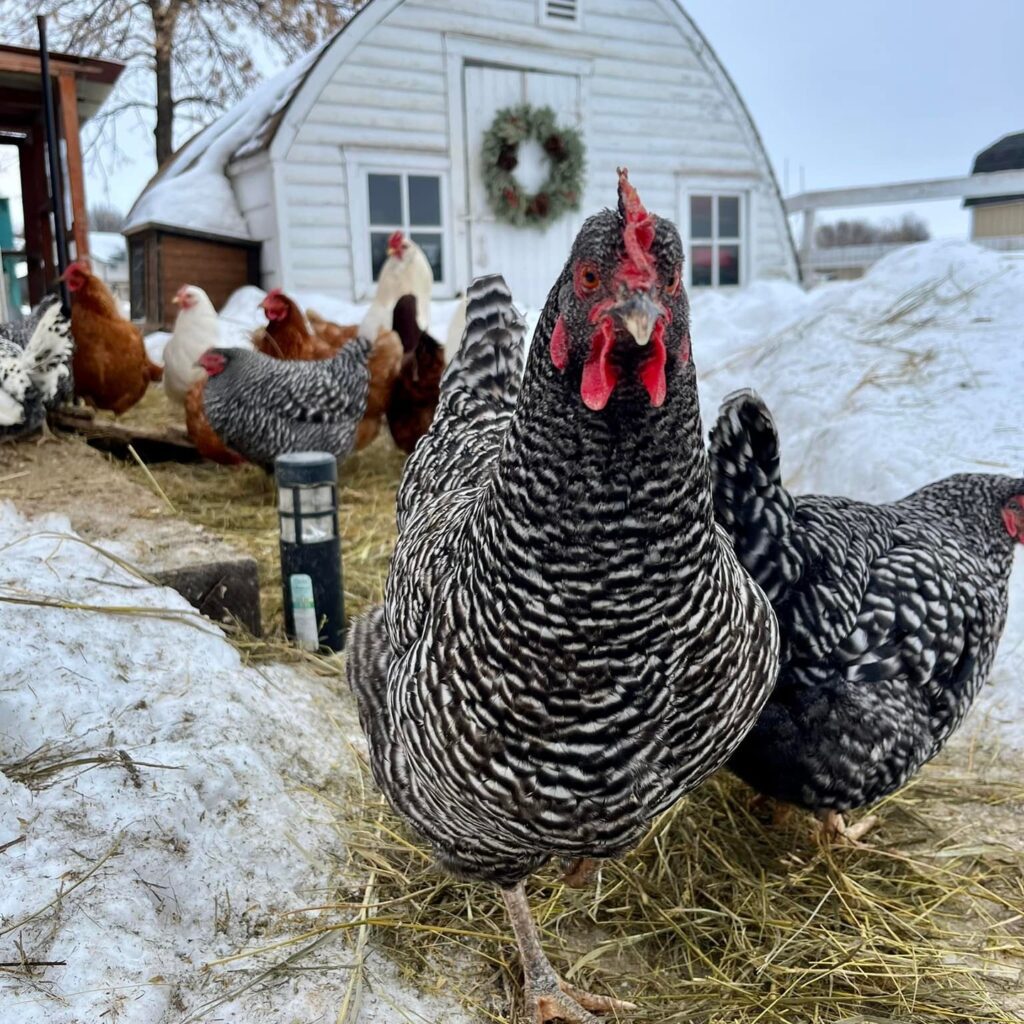
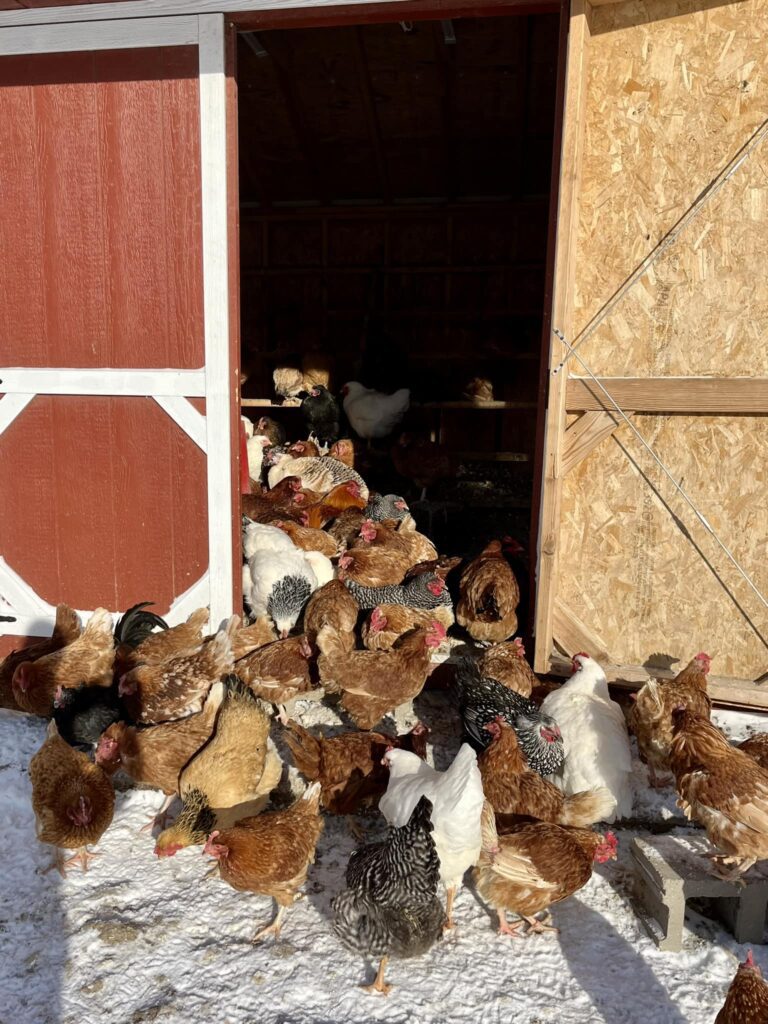
“It’s a huge issue,” said Peterson, owner of Fruit of the Coop in Brandon. “If you’re rearing naturally like I am, I currently don’t add light to my barn, so they take days off when they don’t have sunshine.”
While she’s used to a lack of supply of eggs in the winter, this one is worse.
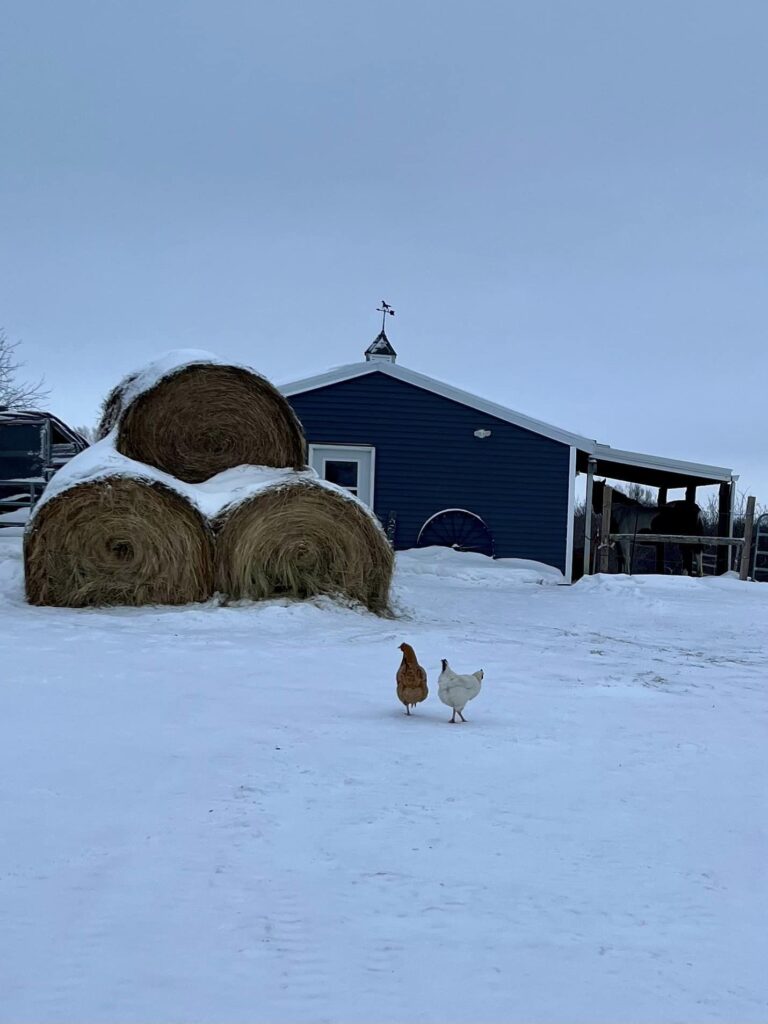
“My supply always goes down, but it’s been worse than I’ve ever seen it,” she said. “I think it’s because of the extreme weather. It takes all their energy to keep warm, and they don’t have extra to produce eggs.”
While avian flu affects large producers, smaller natural ones like Fruit of the Coop are facing their own challenges. Combined, they’ve created a market of historic persistently high prices affecting everyone from consumers to business owners.
“We have experienced some shortage, but they’re really only due to increased demand in my opinion,” said Patrick Sayler, general manager of the Sioux Falls Food Co+op.
“Ours haven’t necessarily been shortage from our suppliers. What we’re seeing is that Hy-Vee will run out, and we’ll get a rush on our eggs.”
It’s not just one factor that has led to a nationwide shortage of eggs and sharp increase in prices. Multiple outbreaks of avian influenza combined with inflation, the war in Ukraine’s impact on grain prices and even the cost of fuel for farms have contributed.
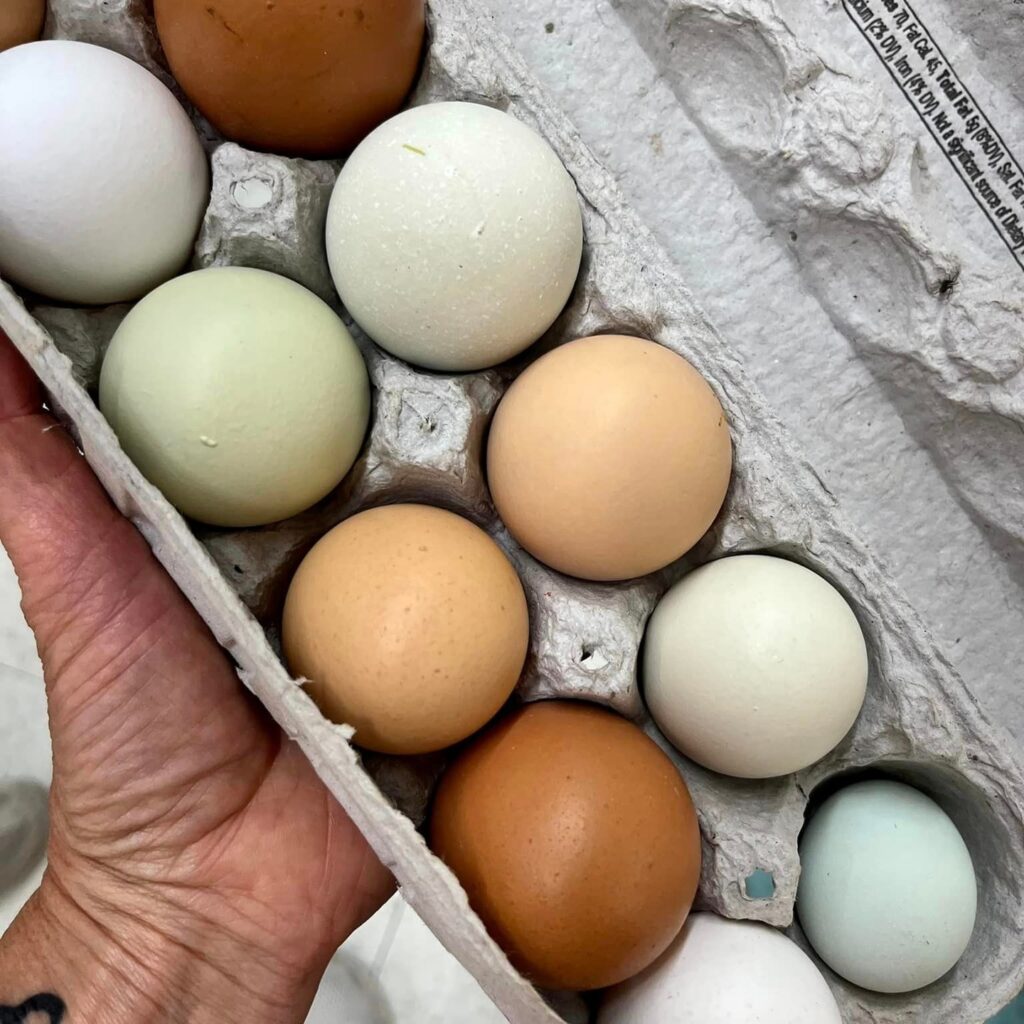
About 80 percent of the co-op’s eggs are locally sourced through long-standing relationships, “and that’s helped a ton,” Sayler said. “And our deli uses eggs from Stephanie, so much of what we do has been locally focused. We’ve felt minimal impact. But it’s just hard to pivot out of nowhere and come up with 100 dozen extra eggs because they only have so many chickens.”
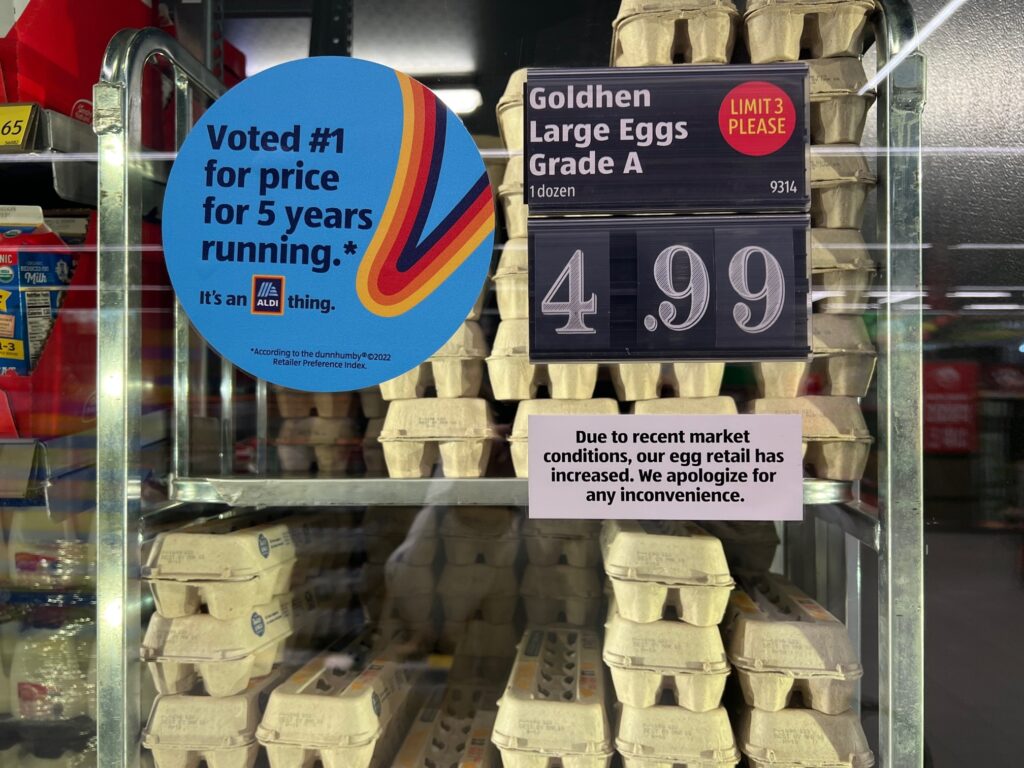
According to The New York Times, by the end of 2022 egg prices had more than doubled compared with a year ago, averaging $4.25 per dozen nationwide. At the local co-op, the increase wasn’t as acute.
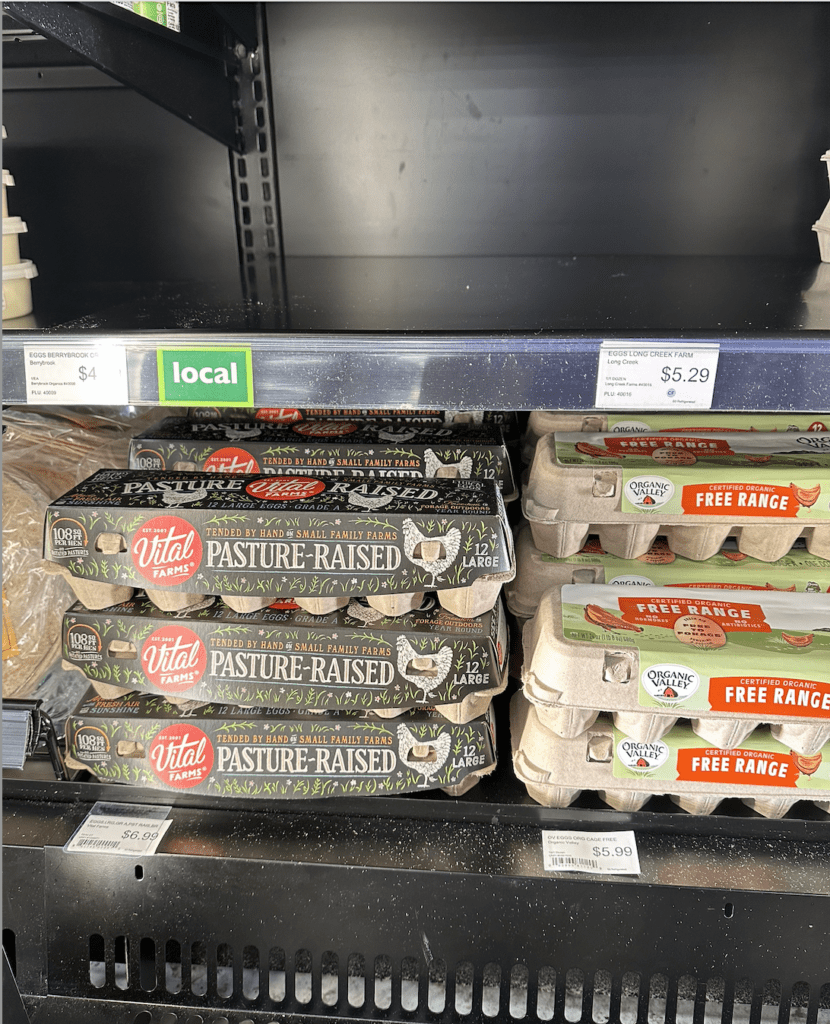
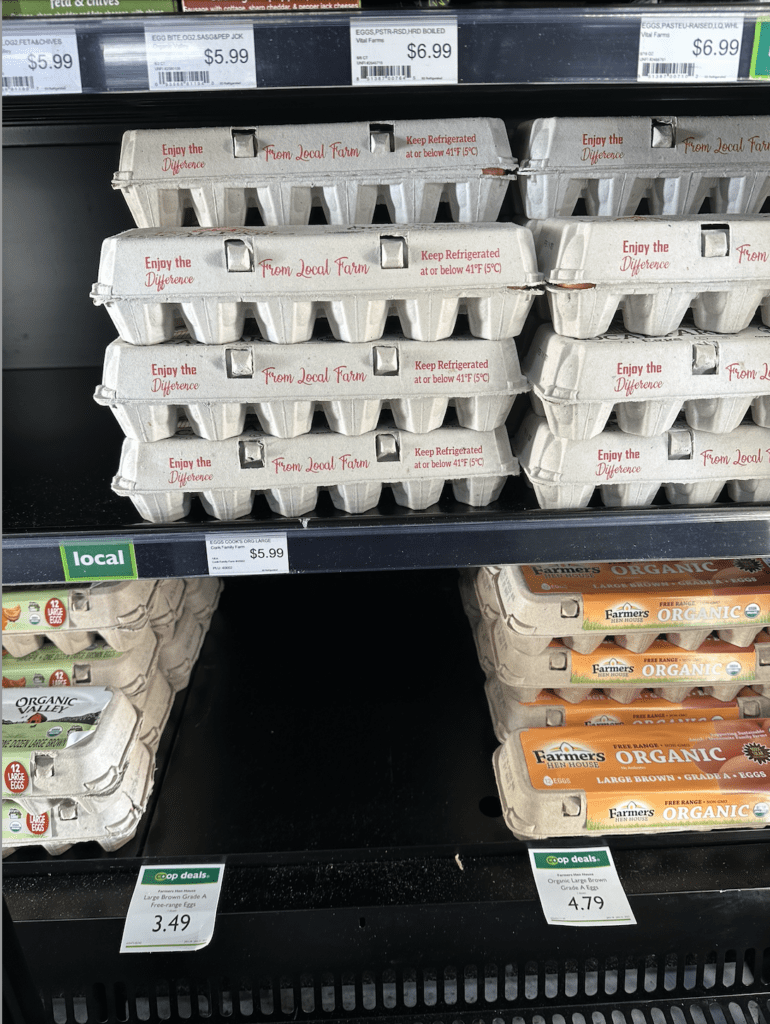
“We’ve never really had $1.99 dozen eggs on our shelf, so in terms of price increases, those have remained minimal for us because our eggs were priced higher than conventional eggs to begin with,” Sayler said.
For Peterson, part of the process has been educating her customers, including restaurants.
“They’re used to ordering as many eggs as they want, whenever they want them,” she said. “But part of creating a local food system and encouraging restaurants to get on board is you might need to cook seasonally.”
To adjust, she’s expanding her own network of suppliers. She currently buys from five suppliers who each has about a 200-bird flock, “and they’ve all had a downturn in supply.” She’s now looking as far as Yankton and Brookings and farther into southwest Minnesota.
“I think I’m going to hire a delivery person to go pick up eggs because I need more supply,” she said. “I’ve had to put some restaurants on a hold and not give as many as they wanted.”
For businesses that rely on eggs, the situation has caused a serious squeeze.
While Oh My Cupcakes used to pay $1.99 per dozen, that has crept close to $6 per dozen, owner Melissa Johnson said.
“We go through about 1,300 eggs a week, so it’s been challenging,” she said.
And it’s not just eggs. Butter has increased, and overall the baking industry “has felt the heat of ingredient inflation more than any other restaurant sector,” Johnson said.
The business has made changes in response. Now, baking is centralized in one location so only one set of ingredients is needed. With the freed up space, Oh My Cupcakes is hosting more events and classes.

“It’s our goal that our guests won’t notice a difference,” Johnson said. “In addition, we altered our menu, so we now have four seasons in a year, with all the season’s cupcakes offered every single day rather than on rotating days.”
While the flavors are streamlined, there are more varieties, including gluten-free and vegan.

“We are still doing OK, but I do know of two bakeries — Omaha and Des Moines — the have closed due to the rising costs,” she said.
It’s possible the market could get tighter. The Easter season typically produces the highest demand and by extension prices.
“We have a built-in, holiday-driven demand for table eggs,” said David Anderson, Texas A&M AgriLife Extension economist, in a publication from the university. “That demand bump is on the horizon, but the higher prices are also a signal to consumers to use less, so it will be interesting to see if there will be a demand adjustment this Easter.”
Share This Story
Most Recent
Videos



Looking amazing @dtsiouxfalls and @washpav! Thanks to @jpickthorn for capturing an incredible night.
Nov 26

Enjoy this glow headed into Halloween week! 📸: @jpickthorn
Oct 31
Hope you had a wonderful summer weekend and are recharged for the week ahead! 📸: @jpickthorn
Jun 27
Beautiful way to start a week! 📸: @jpickthorn
Jan 10
Favorite flyover of the year! Merry Christmas from our entire @pigeon605news flock. 🎄🐦 📸: @actsofnaturephotography
Dec 24
They definitely deserve to be treated like holiday royalty and they were! ❤️ these scenes from tonight’s lighting celebration at @sanfordhealth Children’s Hospital. 🎄
Dec 1
The holidays are here! Perfect night @dtsiouxfalls
Nov 27
Happy Halloween from @avera_health NICU babies! Link in bio to see more! 🎃
Oct 31
Did you know @dtsiouxfalls is filled with 👻 stories? Link in bio … if you dare 😱
Oct 8
When it comes to kids parties nobody wants to be cookie-cutter. Link in bio for the story on what’s trending.
Sep 28
Want to stay connected to where you live with more stories like this?
Adopt a free virtual “pigeon” to deliver news that will matter to you.
Read More






Are you a little bird with something to share?

Delivering news that matters to you
Years ago, homing pigeons were used to bring us news we needed. Today, your virtual “pigeon” will deliver what you want to know about the place you call home.
All pigeons are free to good homes!
Our Partners