
Sioux Falls in 2030: Forecasting the city of the future
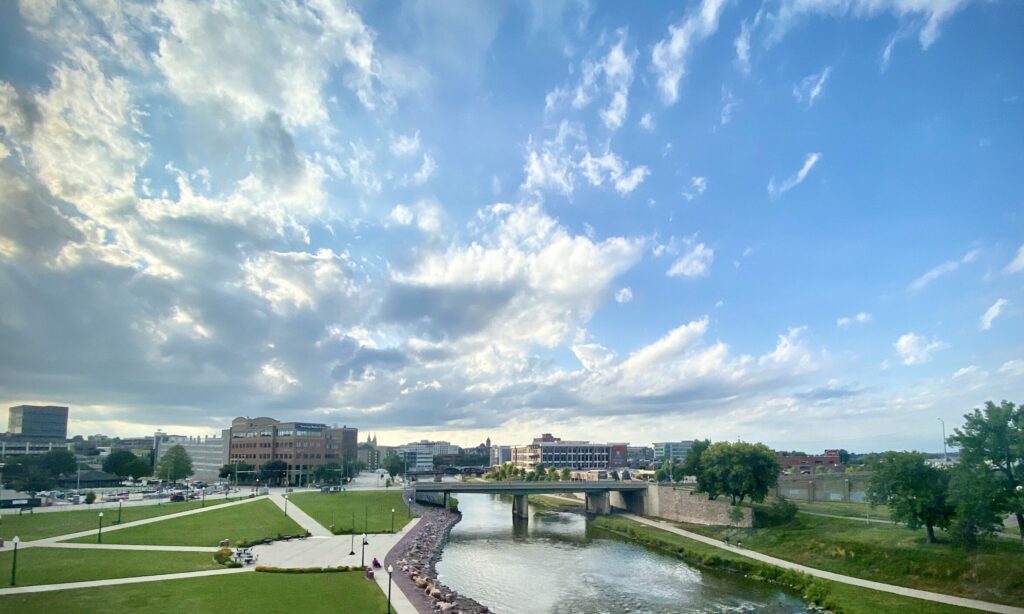
Want 2020 to feel as far in the past as possible? Start thinking about 2030.
Your city leaders are. Land developers are. Health systems are. And so are school districts.
So here’s your first look at what the Sioux Falls of the future could be.
Our city
To start, the city of Sioux Falls will be physically bigger by 2030.
Historically, the city’s boundaries grow by 500 to 600 acres – or just under a square mile – every year. Multiply that out over the next decade, and the city could be bigger by up to 6,000 acres – more than 9 square miles.
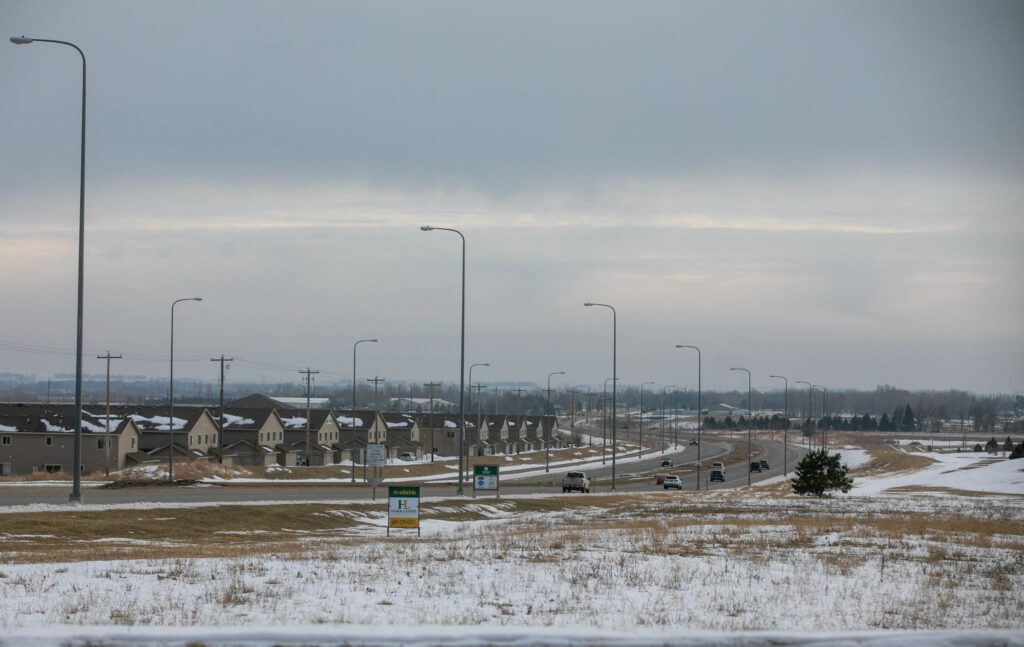
“That’s what we’re seeing change from ag land to rooftops,” said Mark Cotter, the city’s director of public works.
“Some cities open land and only grow in one direction. When we grow on the perimeter, it’s not all in one area. It could be a quarter-mile wide by a large distance that sweeps around the city.”
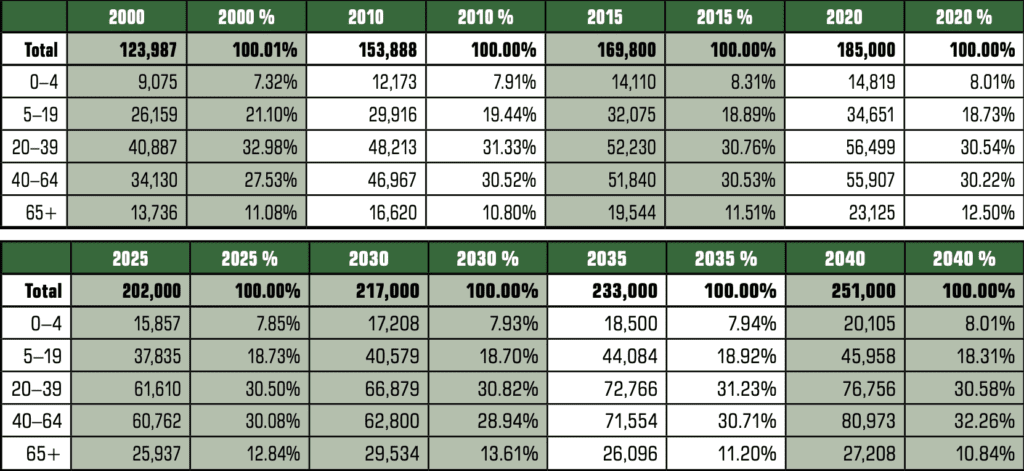
There will be more people to go along with the larger city too. If Sioux Falls maintains its traditional growth rate of 2 percent per year – which, based on 2020, could go higher – the population is expected to range between 211,000 and 230,000 people by 2030.
And that’s just the city. Broaden it to the four-county area, and the population is estimated to reach more than 370,000.
The age diversity within our community is expected to be quite similar to today, with the biggest shift coming with slightly more people older than 65 and slightly less people age 40 to 64.
To get the best idea where growth will occur, you have to look at where the city has installed capacity for sewer service.
Starting in 2022, the plan is to open up more sewer service on the west side because “we’re starting to run out of sewerable land,” Cotter said. So by 2025 to 2030, you’ll begin to see more development west of Ellis Road and north of 26th Street.
The east side still has thousands of acres available to develop out to the Big Sioux River, especially to the north.
“That whole area adjacent to Veterans Parkway will really be the backbone for east-side development,” said Jeff Eckhoff, the city’s director of planning and development services.
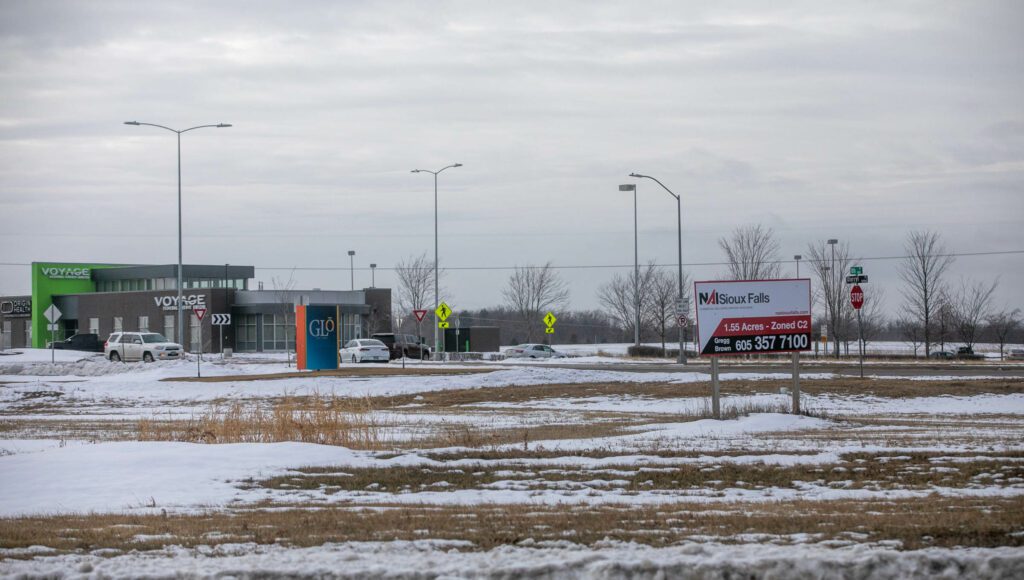
Once the west-side sewer project is done, the plan would be to open up 8,000 to 10,000 acres in the far southeast.
To the south, the land that’s left to develop is in the area of 85th Street, including the future Interstate 29 interchange, which should be done before 2030 if plans stay on track.
“And we’re seeing development out there now,” Eckhoff said. “The commercial land will probably really pop once the interchange is in.”
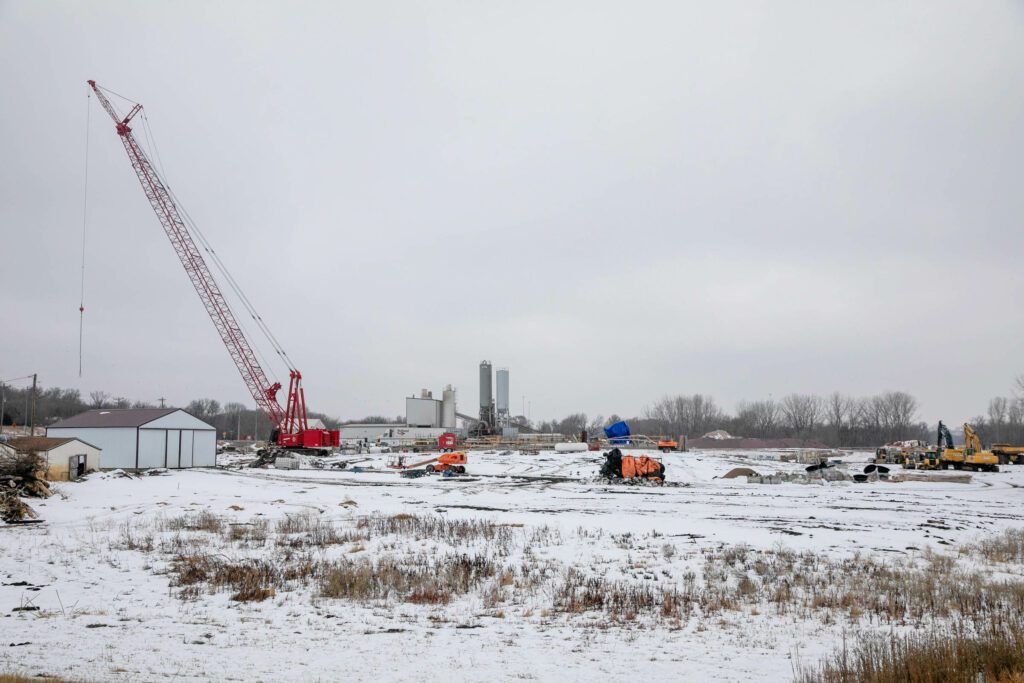
Surrounding communities will continue to mature, both city leaders said.
Assuming the interchange materializes, Tea and Sioux Falls will become contiguous cities. There are some terrain challenges for Harrisburg and Brandon’s boundaries to touch the city limits for Sioux Falls, but both will continue to grow, they said.
And the core of Sioux Falls will look different too. It’s likely the entire 10-acre rail yard site downtown could be redeveloped by then, or close.
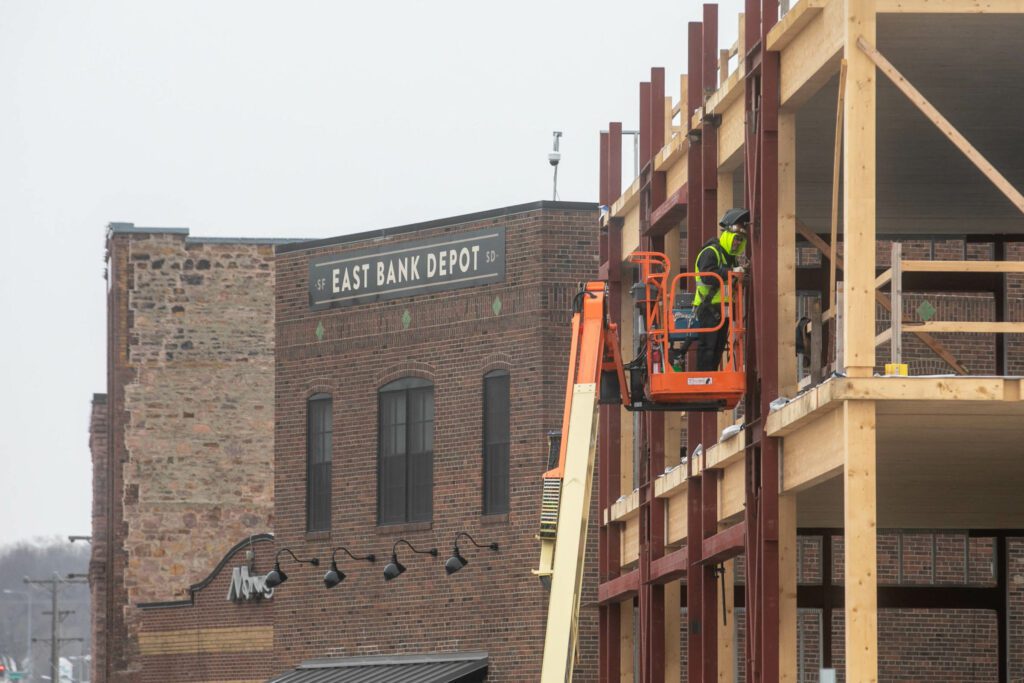
“Eighth Street is a really prime opportunity to extend that corridor to the east,” Eckhoff said. “It just takes the right project, the right developer, the right opportunity, but we look at that growth corridor and Uptown with all the developments going there.”
The Sioux Steel site also could be all or nearly redeveloped by the end of the decade, and the city expects to reconstruct the Sixth Street bridge as well as redesign and improve Phillips Avenue from Sixth to Ninth streets.
You also can expect existing intersections farther out to mature as more people and businesses move into the area.
Watch places such as 41st Street and Ellis Road, 57th Street and Sycamore Avenue, and all the major intersections along Veterans Parkway.
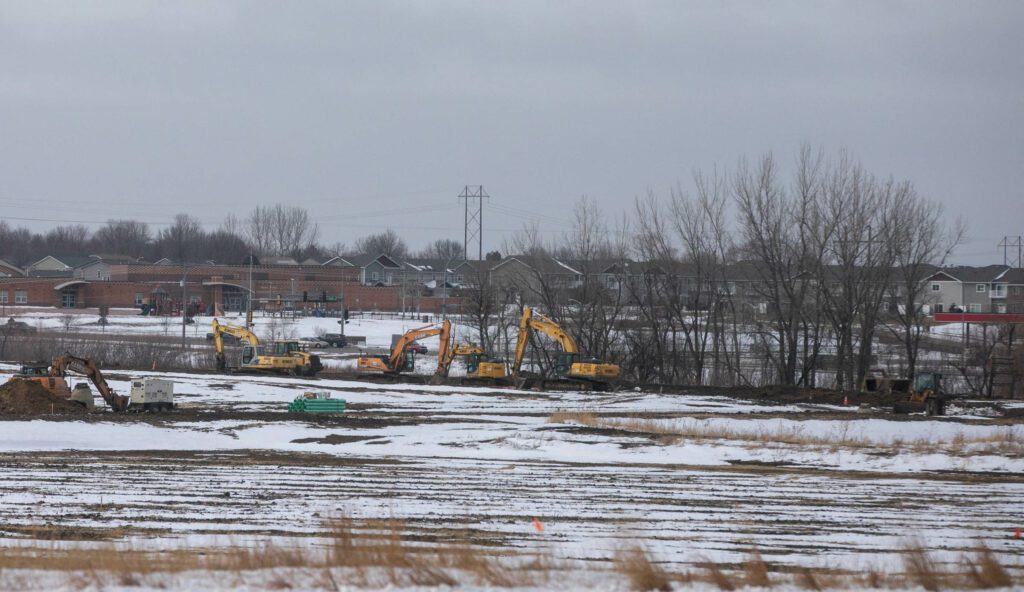
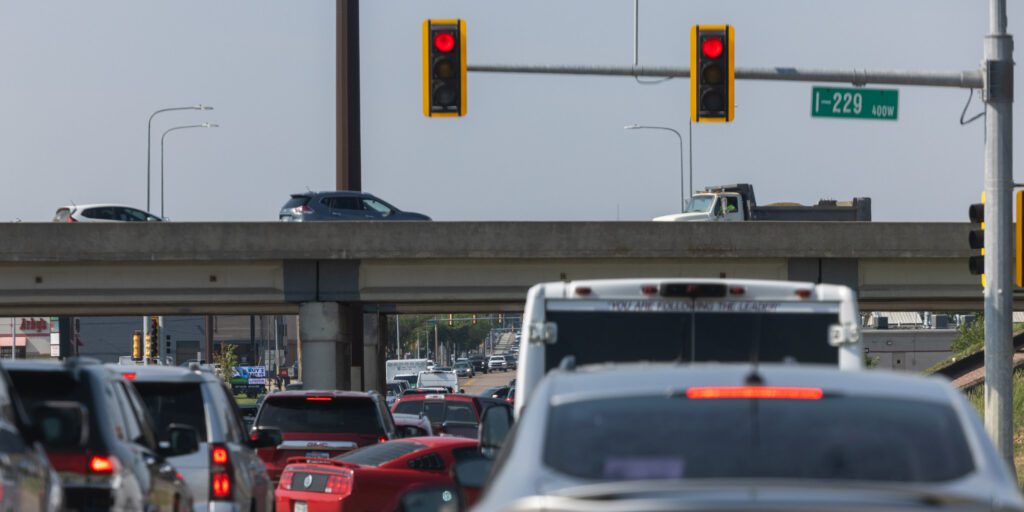
And future road improvements will create even more commercial intersections. The south portion of Veterans Parkway is scheduled to be done by 2027, and by the end of the decade every existing major interchange along Interstate 229 is scheduled to be rebuilt.
“The one that will probably draw the most eyes is a new diverging diamond at 41st Street and I-29,” Cotter said. “It’s our gateway into our shopping area, so there will be lots of investment to reduce people’s delays and create safer interchanges.”
But it’s not just the roads themselves that will be changing. The city is focused on what transportation of the future could mean in a multitude of ways.
“There’s obviously been a lot of talk about electric vehicles and autonomous vehicles,” Cotter said. “You’ll see private industry drive that movement to fully autonomous, but it’s going to take some time. I fully expect we would be in the 10 to 15 percent fully autonomous vehicles on our roads in 2030.”
That also will determine what city transportation looks like. It could be a hybrid between a fixed bus route and an on-demand system.
“And once we get to fully autonomous vehicles … you need parking infrastructure because the car needs somewhere to park,” Cotter said. “So if you pair this with transit and have fully autonomous, much higher-utilized vehicles, a vehicle could reach 60 or 80 percent utilized and move multiple people. You have a reduction in need for parking or a stabilization of it, and you have fewer cars on the road. I think the two will go hand in hand.”
Our schools
It’s not so much the composition of the Sioux Falls School District that could look significantly different in 10 years but the experience students receive throughout their education.
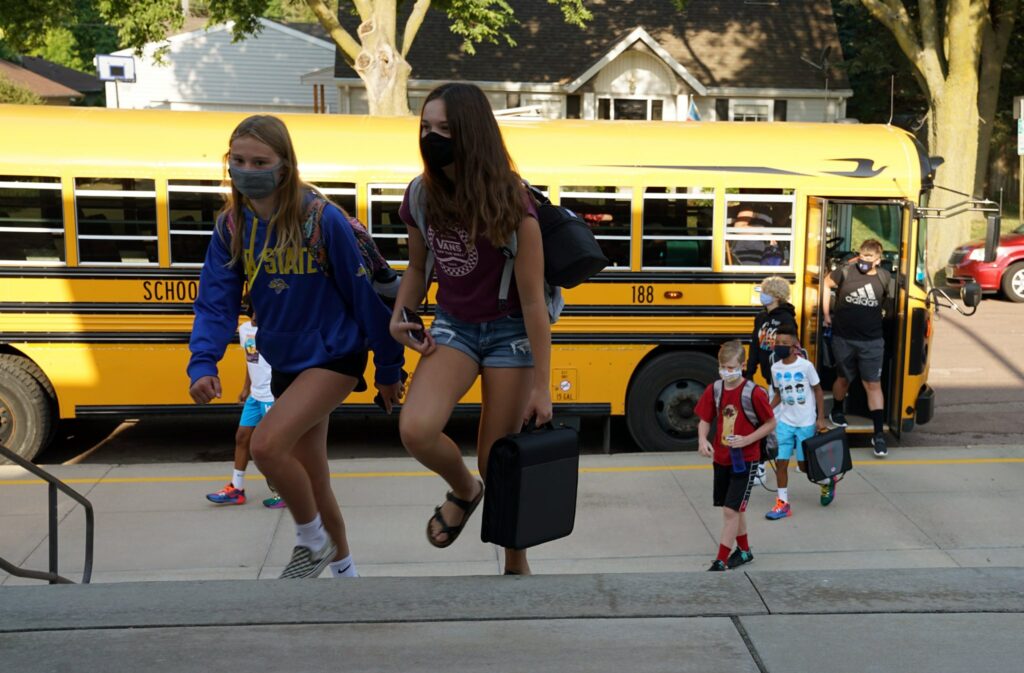
The district is approaching 24,000 students and estimates it will be at 26,000 in 2030. Four in 10 students are non-white, a number that’s expected to remain fairly steady but will depend largely on the direction of immigration, Superintendent Jane Stavem said.
“The face of the city is changing,” she said.
“One thing I know from being in larger districts and rapidly growing districts is the larger you get as a school district, the more you have to accommodate for making it feel like that smaller school district feel we all value. You really have to pay attention to customer service and communication and how we reach everybody.”
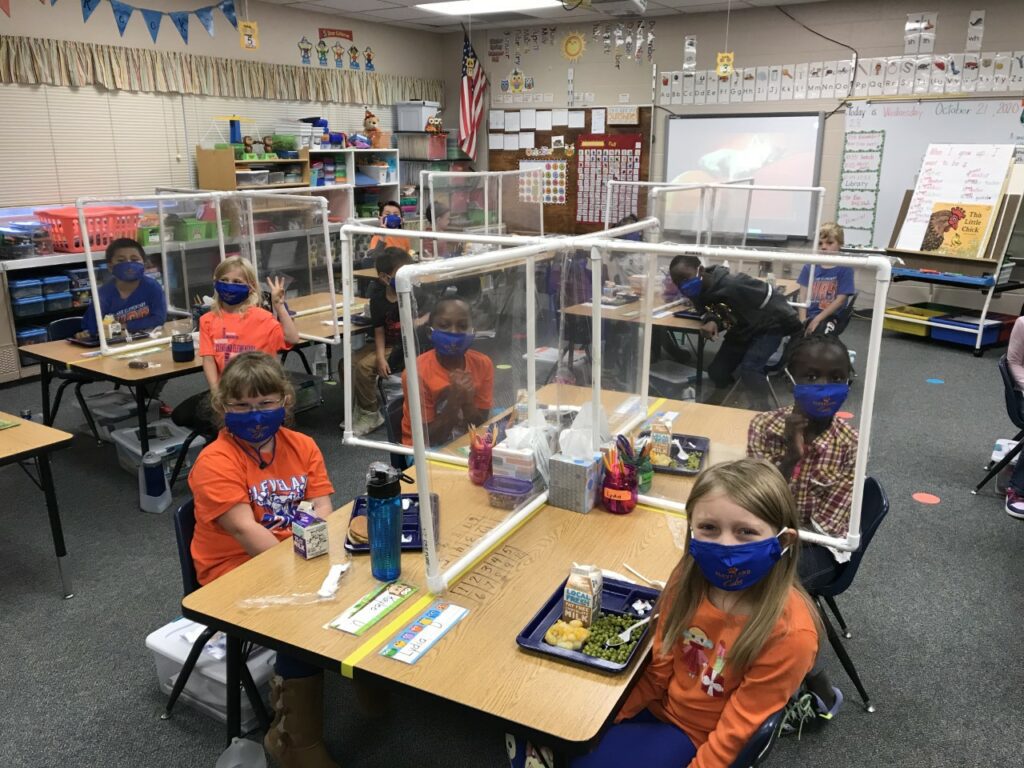
The district’s current facilities, including the new middle and high schools, position it well for a while, she said, although there likely will be at least one new elementary school needed in the next 10 years as well as potential expansions to existing schools depending on how surrounding neighborhoods develop in terms of density.
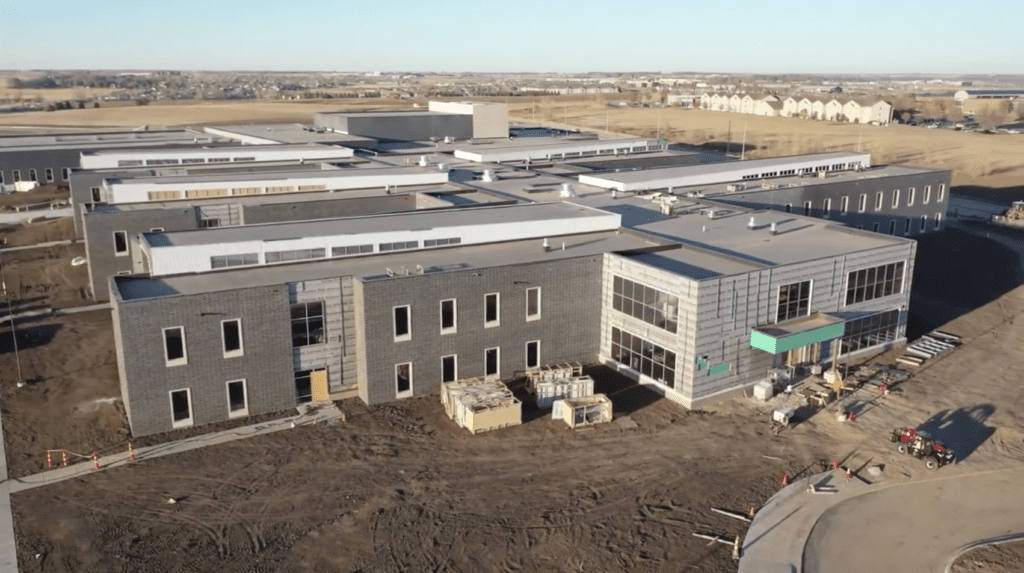
Jefferson High School will open later this year.
“I think flexibility is going to be key, and creativity,” Stavem said. “It may look like adding on or putting space in nontraditional places like a large business that went out (of business or moved) with a large structure waiting that has possibility for a different kind of program. And it’s where can you have multipurpose things going on. I love partnerships for multiple organizations that provide benefit to the community.”
Some form of virtual school likely is here to stay too. It existed pre-pandemic, accelerated greatly during the pandemic and will evolve again over the next decade.
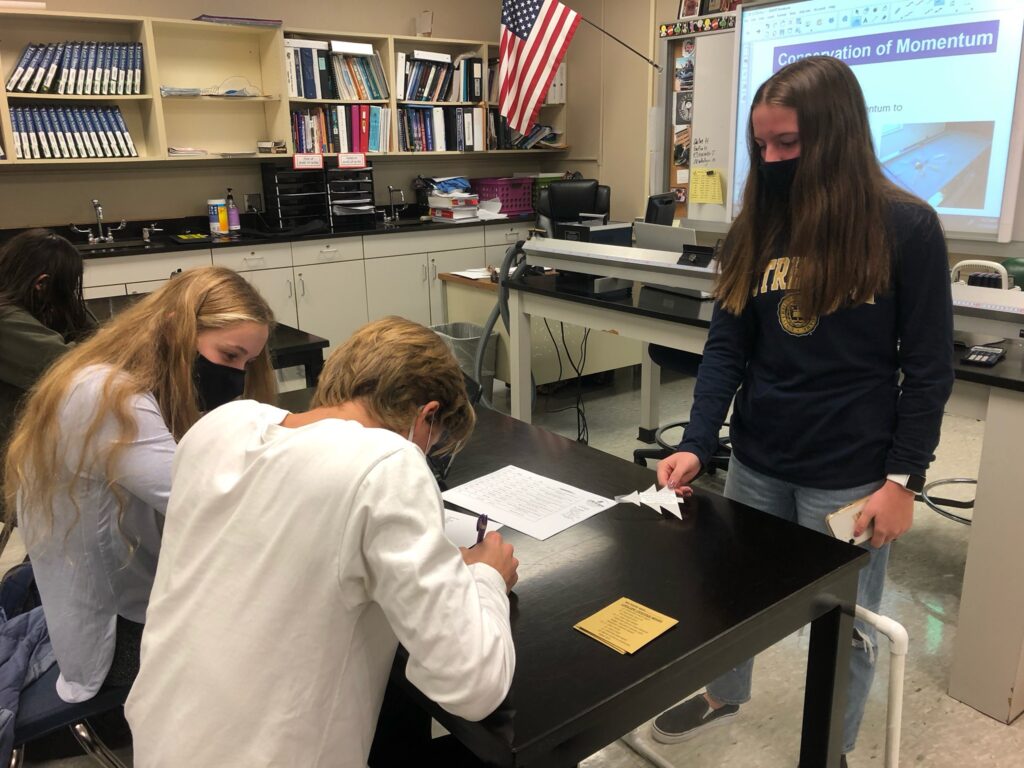
“The ways we support families will have to look different,” Stavem said. “Telehealth is brand new, mental health support is online, and I think we’ll see more distance opportunities, and the accessibility of learning will look different.”
In 10 years, those options will be built out significantly, she said. That could include allowing students to take specialized courses remotely without leaving their home school and connecting students in more rural areas of South Dakota with education available in Sioux Falls.
“The value we hold dear is people being together and having those personal relationships and having activities and ways to be connected and involved. I don’t think that will change, but the way we deliver learning will continue to go in the direction of being more flexible and blurring the lines between institutions that have typically been a little more separated,” Stavem said.
That includes lines among higher education, K-12 and industry, she said. The fields of cybersecurity and artificial intelligence present emerging careers, and coursework will adapt for it. But the broader goal is offering a “robust continuum” for kids – for those who choose to go directly into the workforce, to those who need certification and those who pursue two- or four-year programs.
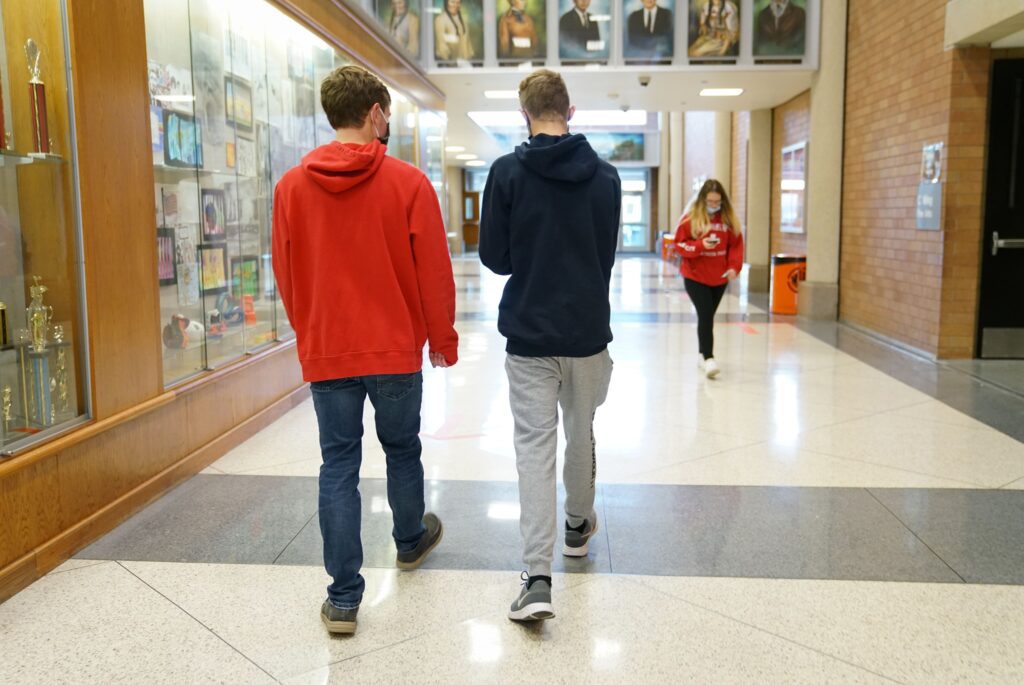
“The lines between higher education and K-12 will continue to blur,” Stavem added. “My hope is 10 years from now you will have a really robust pathway for kids where they’re able to experience and have options for choosing a career differently than they do now. And that’s exciting because we want to continue to meet the needs of the workforce in Sioux Falls.”
Our jobs
Our best look at the jobs of the future could be in projections from the South Dakota Department of Labor & Regulation. Its most recent study looked at the percentage of expected job growth in industries and occupations from 2018 to 2028.
While it’s a statewide report, a significant number of the jobs are concentrated in the Sioux Falls metro area.
And they increasingly will rely on technology.
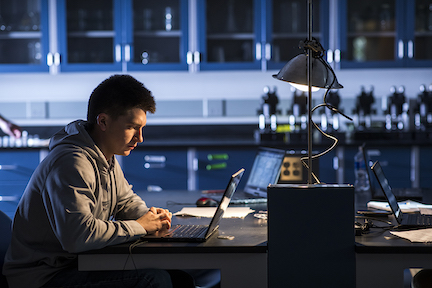
The occupation expected to grow at the fastest rate is an information security analyst, projected at 35 percent growth over the 10-year period.
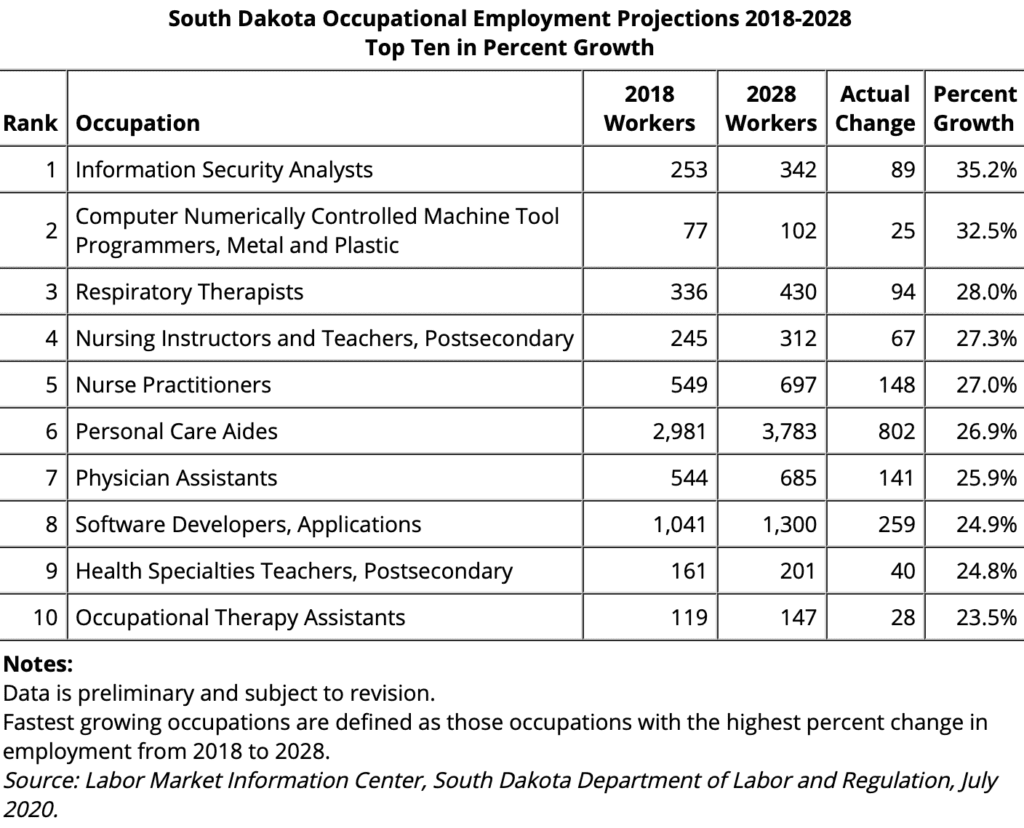
“Over the 2018-2028 decade, demand for this occupation is expected to be very high,” the state’s report said. “As cyberattacks have grown in frequency, the demand for managed security has increased. These analysts will be depended upon for innovative solutions to prevent hackers from stealing critical information or creating problems for networks.”
As a bonus, Sioux Falls is strengthening ties with nearby Dakota State University, a world-renowned training center for cybersecurity specialists.
Coming in at No. 2 in job growth is the occupation of computer numerically controlled machine tool programmers, working in metal and plastic.
It’s a small and relatively new occupation within the state, but it’s one of increasing significance to the production industry.
The workers develop computer programs that control the machining or processing of metal or plastic parts by automatic machine tools, equipment or systems.
“Although CNC machine tool operators have been around for a while, CNC machine tool programmers are fairly new to production,” the state report said. “South Dakota employers are finding value in staffing workers who are capable of writing CNC programs which are specific to the products their company produces. Making changes on the fly is perhaps one of the biggest advantages companies who employ these workers have. There is less downtime because employers can modify products in a more efficient way and are therefore able to produce unique products for their clients.”
At the Sioux Falls Development Foundation, leaders are focused on attracting jobs that pay higher-than-average wages.
“We’re looking at bioscience, cybersecurity, cyberintelligence, those are the big ones we’d like to attract,” president and CEO Bob Mundt said. “But we also want to look at advanced manufacturing with robotics. Today’s manufacturing plant doesn’t look like it did 10 or 20 years ago.”
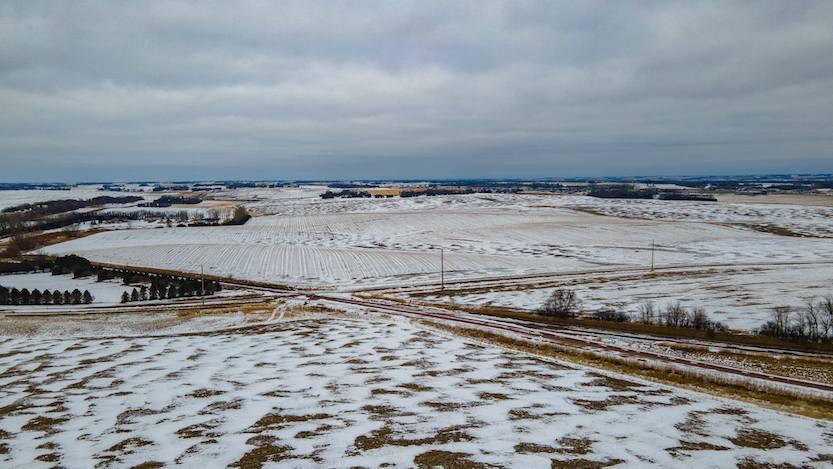
Future site of CJ Foods
In the middle of the decade, the largest project in the state to date – CJ Foods – will open. For now, it projects needing at least 600 workers to run what could become the world’s most advanced food production plant.
The Asian food operation will require highly skilled workers, and if all goes well, that number could grow beyond 600 by 2030.
And seven of the top 10 fastest-growing occupations statewide are in health care, driven by continued growth of an older population.
Software developers round out the list, projected to grow 25 percent from 2018 to 2028.
“Not only do the ways we use these applications continue to grow, but so do the different types of platforms on which these applications must work — from the computer in your appliances or vehicles, to your laptop, tablet, smartphone or watch,” the state said.
“Technology is here to stay and filtering into everyday life in ways few would have thought of just a few years ago. Because this occupation can be found in so many industries — including workers who are self-employed and work on a contract basis — and virtually in any location, this occupation is projected to see strong growth nationally and in South Dakota for a long time to come.”
Our businesses
Hate to break it to you, but unless the market changes, full-service restaurants like The Cheesecake Factory and PF Chang’s probably won’t be in Sioux Falls even a decade from now.
At the pace those chains are adding new locations — if they’re adding new locations at all — the city’s population and other factors likely won’t put it in the running.
Instead, there will be growth in “fast food with drive-thrus,” predicted Raquel Blount, vice president of commercial real estate at Lloyd Cos.
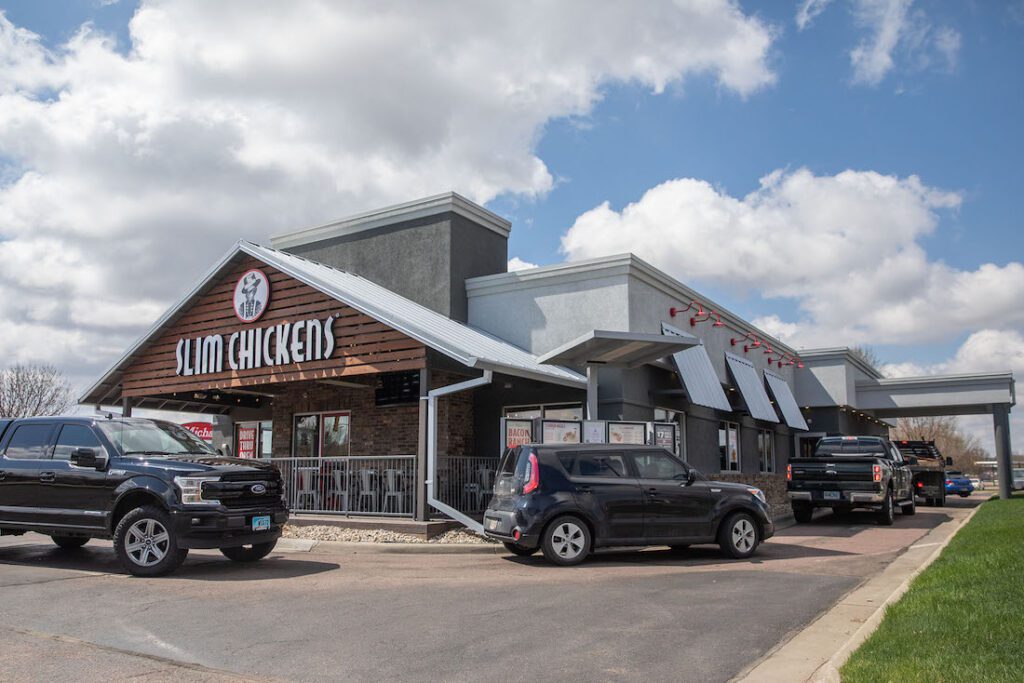
“And shared kitchen spaces, where you’ve got large seating in an area with a lot of offices.”
In larger cities, they’re called food halls. Sioux Falls could be big enough for one, Blount said.
“Probably,” she said. “That’s the trendiest thing right now.”
Want some better news?
The odds of Whole Foods Market and Trader Joe’s landing in Sioux Falls by 2030 are strong, Blount said.
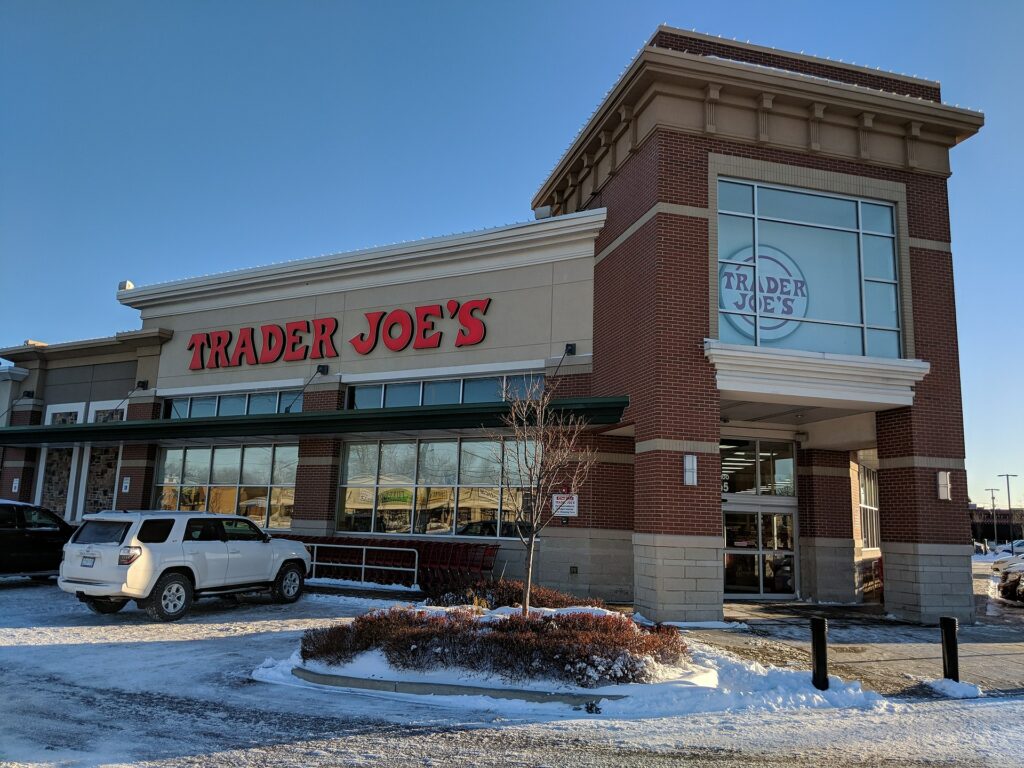
“I think it could be by 2025 we’ll have Whole Foods and Trader’s Joe’s, based both on our growth and their growth.”
The rest of retail is harder to predict, but expect The Empire Mall will remain the center of shopping in Sioux Falls even a decade from now.
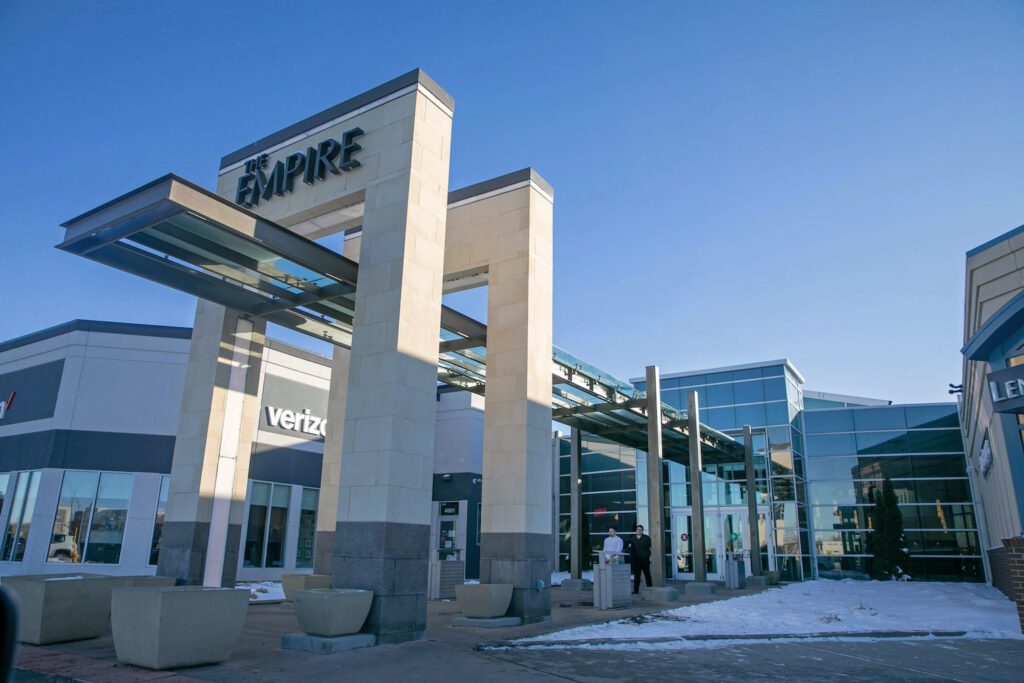
“In our market, malls aren’t going away,” Blount said. “Malls will change, but they’re not going away. There will be more creative space utilization, and it will probably have an element of online pickup centers.”
And while some retailers inevitably won’t be around 10 years from now, others will have emerged — more likely those that started as strong online brands, she said.
“As you see closings, whoever has been rocking it online and wants to start a presence in brick-and-mortar will take over the space.”
Our needs
There always will be needs in our community, and while those are hard to forecast, history provides some guidance.
The Sioux Falls 2019 Community Health Status Report states that 37 percent of Sioux Falls residents have been diagnosed with depression, and 37 percent reported having been diagnosed with anxiety. Thirty-eight percent reported binge drinking four or more drinks in a day.
In 2019, the Helpline Center reported a 34 percent increase in suicide contacts.
CEO Janet Kittams expects the following needs to increase in the coming decade:
- Food/meals.
- Mental health/addiction.
- Housing.
- Health care.
- Utility assistance.
Here’s some encouraging news, though.
Our community should be better positioned to help.
This year, The Link will open in downtown Sioux Falls, serving as a first point of contact for individuals seeking mental health care or addiction counseling. The Link is a partnership of the city of Sioux Falls, Minnehaha County, Avera Health and Sanford Health.
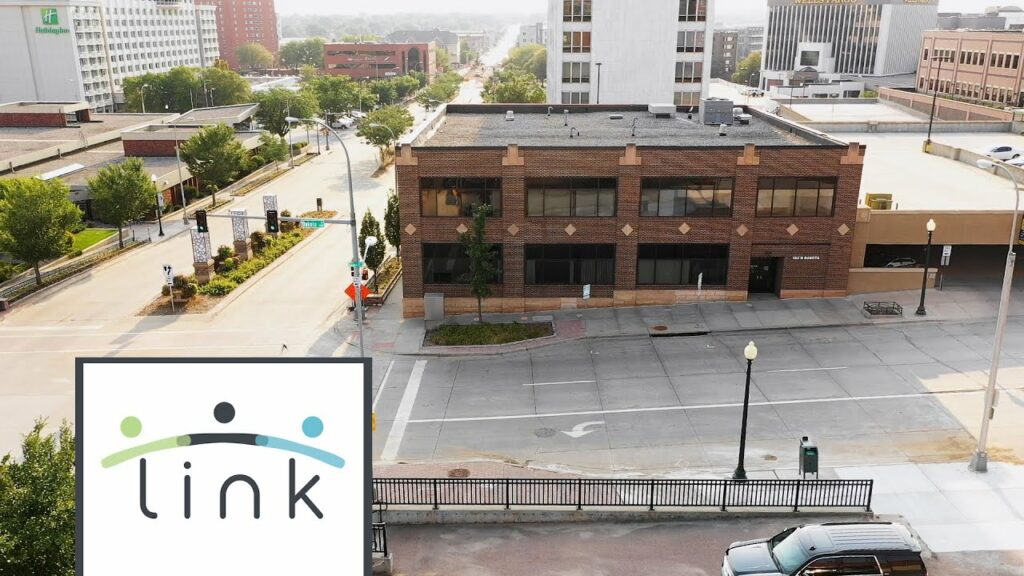
And in 2022, a major addition to the Avera Behavioral Health Center will open, focusing in part on residential addiction care for kids.
Avera’s most recent Community Health Needs Assessment identified top needs as gaps in services for behavioral health and chemical dependency.
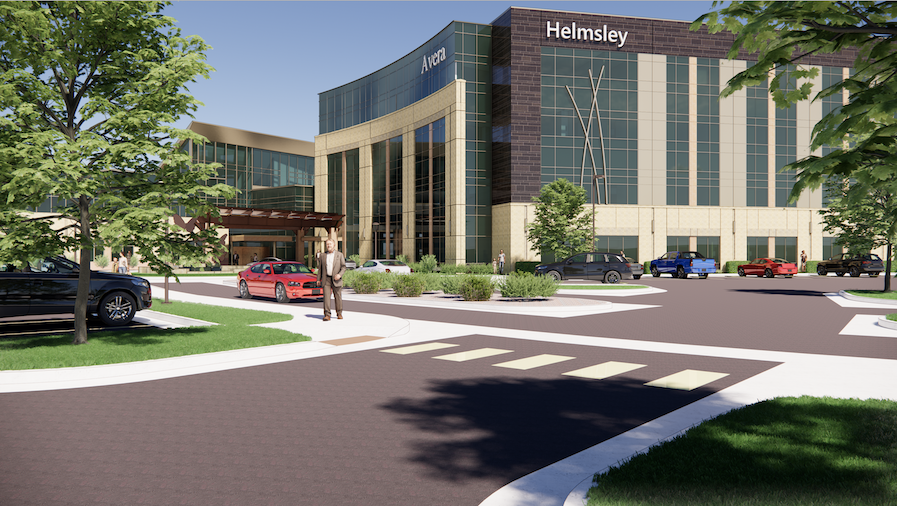
“This project brings a lot of pieces together and much-needed services in this area,” David Flicek, president and CEO of Avera McKennan Hospital & University Health Center, said in announcing the project.
“One of the unmet needs in this community happens to be access to be behavioral health and addiction care.”
Share This Story
Most Recent
Videos

Looking amazing @dtsiouxfalls and @washpav! Thanks to @jpickthorn for capturing an incredible night.
Nov 26

Enjoy this glow headed into Halloween week! 📸: @jpickthorn
Oct 31
Hope you had a wonderful summer weekend and are recharged for the week ahead! 📸: @jpickthorn
Jun 27
Beautiful way to start a week! 📸: @jpickthorn
Jan 10
Favorite flyover of the year! Merry Christmas from our entire @pigeon605news flock. 🎄🐦 📸: @actsofnaturephotography
Dec 24
They definitely deserve to be treated like holiday royalty and they were! ❤️ these scenes from tonight’s lighting celebration at @sanfordhealth Children’s Hospital. 🎄
Dec 1
The holidays are here! Perfect night @dtsiouxfalls
Nov 27
Happy Halloween from @avera_health NICU babies! Link in bio to see more! 🎃
Oct 31
Did you know @dtsiouxfalls is filled with 👻 stories? Link in bio … if you dare 😱
Oct 8
When it comes to kids parties nobody wants to be cookie-cutter. Link in bio for the story on what’s trending.
Sep 28
Want to stay connected to where you live with more stories like this?
Adopt a free virtual “pigeon” to deliver news that will matter to you.


Are you a little bird with something to share?

Delivering news that matters to you
Years ago, homing pigeons were used to bring us news we needed. Today, your virtual “pigeon” will deliver what you want to know about the place you call home.
All pigeons are free to good homes!
Our Partners