

Gardens help young people plant seeds of possibility, hope
This piece is sponsored by LSS of South Dakota.
Later this summer in Rapid City, a youth at LSS Arise Youth Center will rush into the building, holding the first red tomato of the season. It will be a prized possession and make him the hero of the hour. What began as a quiet morning quickly will turn into a hub of activity as others gather around, debating who gets the first bite.
Vegetable and flower gardens are nurtured across LSS of South Dakota’s centers for youth, and it’s about more than growing vegetables. The experience creates opportunity for growth for both the young people LSS serves and their staff members as well.
“It’s always interesting to watch the kids eat zucchini or a certain kind of salsa or squash for the first time,” said Mark Kiepke, program director at Arise West, where an especially large garden has been cultivated for more than a decade.
“The garden is a conversation starter, for sure. The kids tell stories about other gardens they have had with their families, and it helps staff educate the kids on different food groups. The garden brings life to our summers in so many ways.”
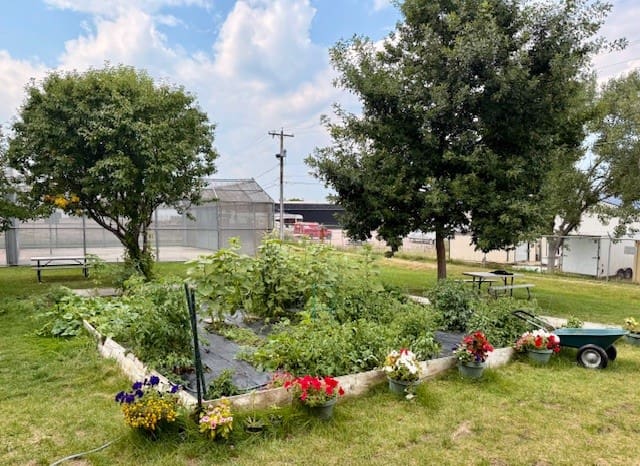
Anyone with a green thumb knows that gardening is year-round work. At Arise West, it also has invested in a couple of smaller greenhouses, where seeds can be started before the final snowfall. After it’s officially spring in the Hills, everyone works together to clean up the outdoor space, and a contractor comes to till the soil. The LSS team then installs weed barrier fabric and starts planting.
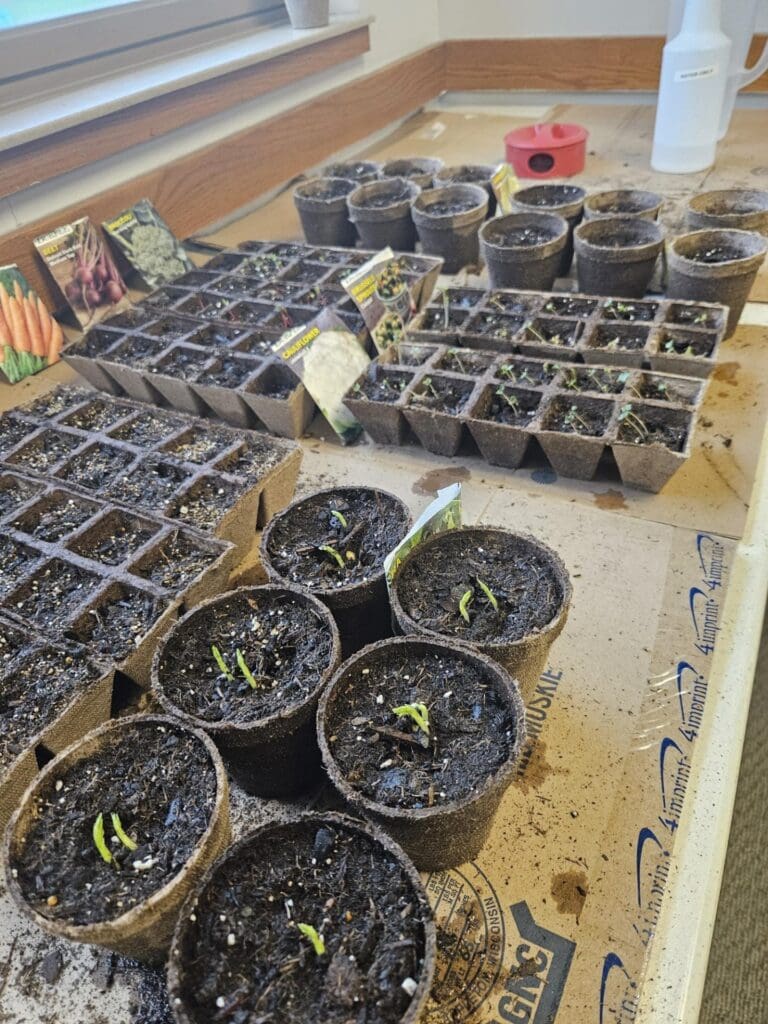
“We receive a lot of donations of plants and purchase some plants as well. Staff members sometimes bring in extra plants they have from their own gardens,” Kiepke said.
Pulling weeds and protecting the tender plants from the occasional bunny is a summerlong effort. Once the harvest begins, cooking groups led by staff use the produce to create tasty snacks like salsa and zucchini bread. Youths help clean and cut up the vegetables.
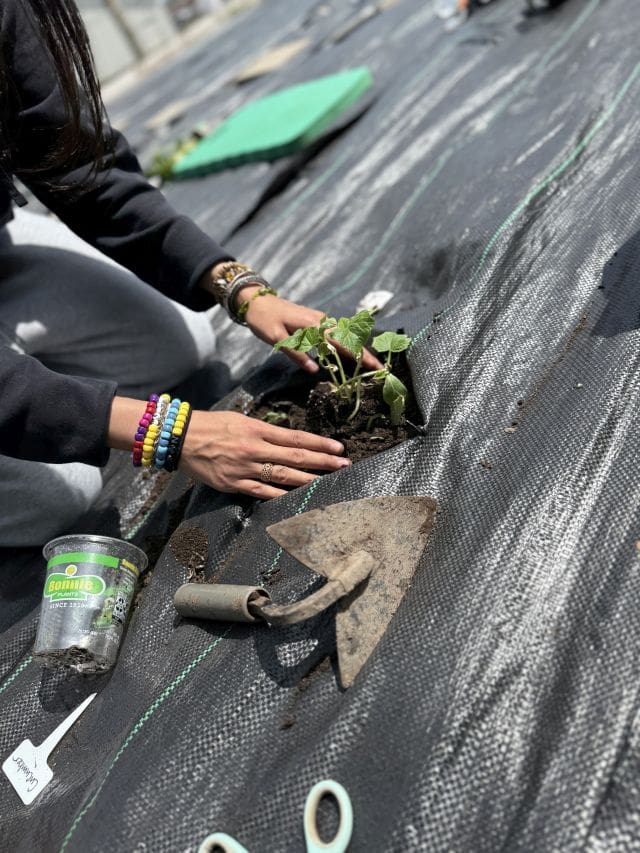
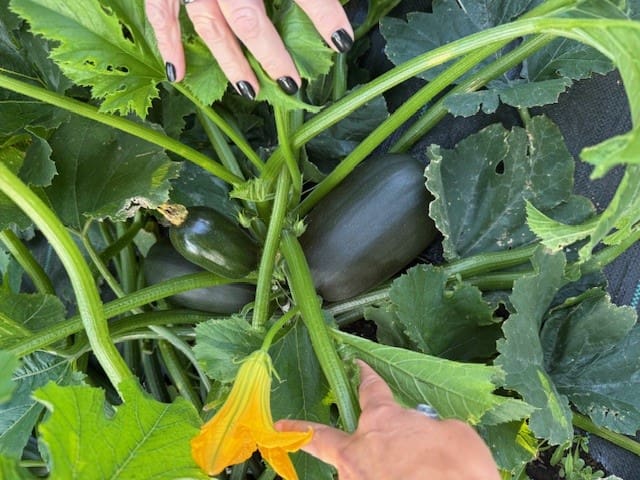
Gardens grow at LSS New Alternatives in Rapid City as well, where two above-ground garden boxes will be full of tomatoes, cucumbers, yellow squash, zucchini, peppers and pumpkins this summer.
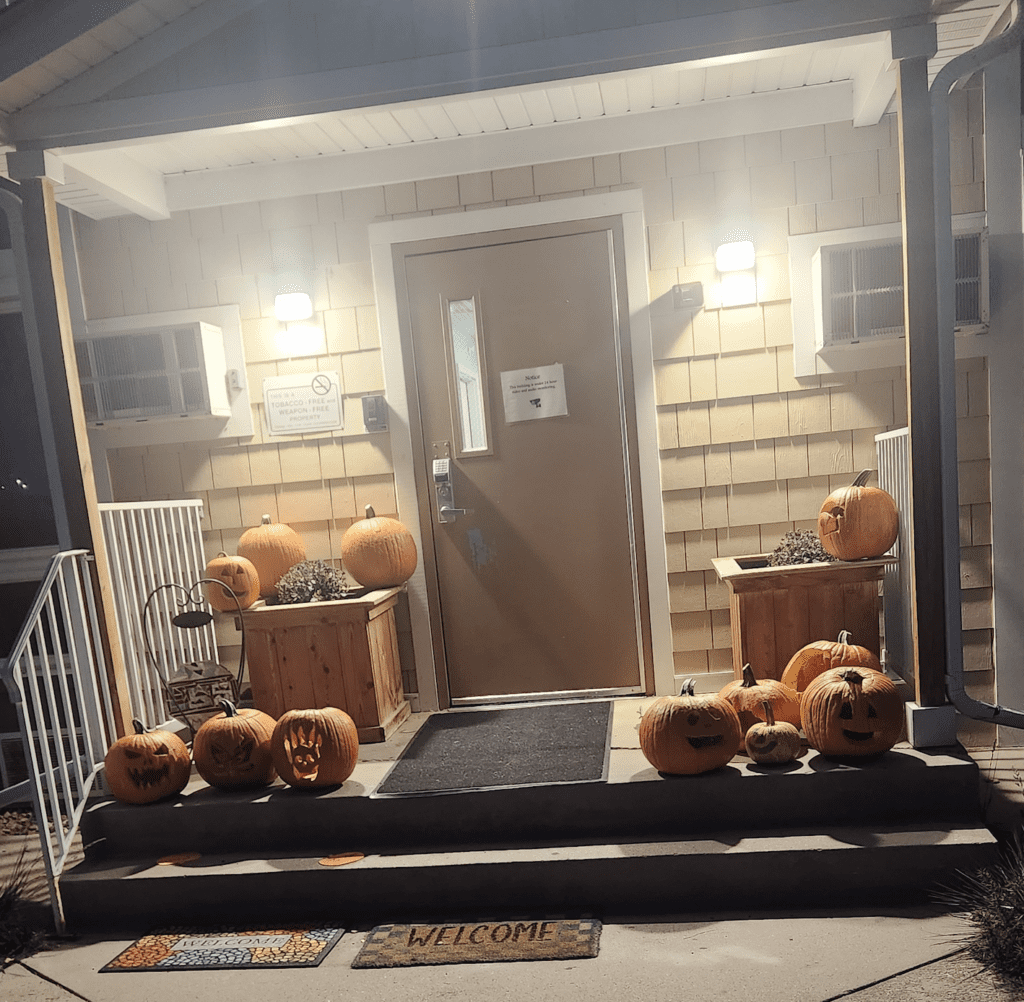
“We are always hopeful for a few pumpkins for Halloween. We usually end up with at least a couple of small pumpkins each year,” said Amber Kemp, program director at New Alternatives. “The young adults help with the entire process. Most years, one or two will take special interest in the garden and take the lead on keeping it growing throughout the summer. There is always a sense of pride about what grows in the garden, and it is a hot topic of conversation at times.”
At New Alternatives, young adults age 18 to 20 learn to navigate the beginnings of adulthood through safe housing, case management, educational services and more. Helping in the garden and watching the plants grow remind them that life is full of possibility.
“A deer made frequent trips to eat from our garden last year and then ended up giving birth to her two fawns nearby,” Kemp said. “Sometimes, what happens just outside our walls creates memories and life lessons you can’t teach in any classroom.”
At LSS Summit Oaks Center in Sioux Falls, more than 1,000 square feet of gardening space is full of flowers and vegetables each year, but the specific items are chosen by the youths.
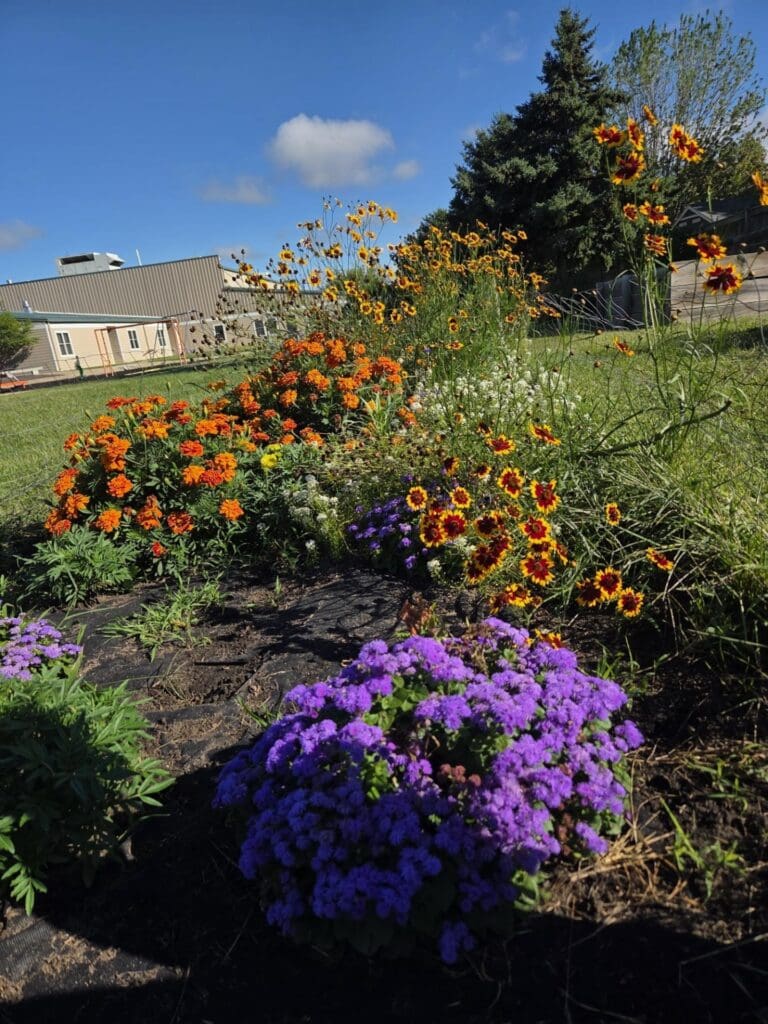
“We try to change it up every year. I get feedback from our residents as to what they want to grow,” said Peyton Parker, residential supervisor at Summit Oaks, who is the “main garden supervisor” as well.
A raspberry bush, strawberry vine and black currant bush grow fruit each year. Flowers include lavender, lupins, bee balm and tickseed, as well as whatever annuals the kids pick out. Vegetables include tomatoes, cucumbers, zucchini and potatoes each year, and then the kids choose the rest, everything from melons and cauliflower to peas, beets and greens.
The youths help with everything in the garden from start to finish. Some of their favorite meals to make with their harvest include spaghetti with homemade tomato sauce and garden vegetable soup.
“Having the garden provides opportunity to teach the kids a new positive hobby that they can continue when they transition home. It also teaches healthy eating and independent living skills. Even if a kid does not particularly like gardening, it is another reason to get outside and get some fresh air,” Parker said.
For staff members, the gardens echo the deeper work taking place throughout LSS — nurturing growth and resilience.
“So much of what we do at LSS is planting healthy seeds,” chief program officer Amy Witt said. “Whether it’s mental health counseling or post-adoption support or mentoring, our main job is to plant seeds of possibility and hope. We don’t always know the kinds of fruit that might grow or the colors of the flowers that might bloom, but our job is to keep planting the seeds and giving them the water they need to sprout and grow. And what a rewarding privilege that work is.”
To learn more about LSS and all the services the organization offers, head here: lsssd.org.
Share This Story
Most Recent
Videos



Looking amazing @dtsiouxfalls and @washpav! Thanks to @jpickthorn for capturing an incredible night.
Nov 26

Enjoy this glow headed into Halloween week! 📸: @jpickthorn
Oct 31
Hope you had a wonderful summer weekend and are recharged for the week ahead! 📸: @jpickthorn
Jun 27
Beautiful way to start a week! 📸: @jpickthorn
Jan 10
Favorite flyover of the year! Merry Christmas from our entire @pigeon605news flock. 🎄🐦 📸: @actsofnaturephotography
Dec 24
They definitely deserve to be treated like holiday royalty and they were! ❤️ these scenes from tonight’s lighting celebration at @sanfordhealth Children’s Hospital. 🎄
Dec 1
The holidays are here! Perfect night @dtsiouxfalls
Nov 27
Happy Halloween from @avera_health NICU babies! Link in bio to see more! 🎃
Oct 31
Did you know @dtsiouxfalls is filled with 👻 stories? Link in bio … if you dare 😱
Oct 8
When it comes to kids parties nobody wants to be cookie-cutter. Link in bio for the story on what’s trending.
Sep 28
Want to stay connected to where you live with more stories like this?
Adopt a free virtual “pigeon” to deliver news that will matter to you.





Are you a little bird with something to share?
Delivering news that matters to you
Years ago, homing pigeons were used to bring us news we needed. Today, your virtual “pigeon” will deliver what you want to know about the place you call home.
All pigeons are free to good homes!
Our Partners