
Cathedral neighborhood marks 50-year historic designation with year of celebration
Mary Glenski and her family had lived in the neighborhood surrounding the Cathedral of St. Joseph for a dozen years when she decided it was time to move.
Jim Glenski had picked out the house they moved into in 1965, acting on a directive from his wife.
“I wanted to be sure we were near a Catholic school,” recalled 93-year-old Glenski, eventually the mother of nine children. “I didn’t intend to be a taxi service.”
However, in the late 1970s, it was time to move — next door — to a house with almost as much history as the Glenskis’ original house. This house needed to be saved, though, and Glenski was determined that it would be. The one-time single-family dwelling had been divided into apartments years earlier, and its landlord-owner had no interest in making improvements. He even told Glenski he planned to tear off the wraparound porch because it provided him with no income.
Glenski’s husband didn’t flinch, despite the renovations that would be necessary.
“My husband said, ‘Now, Mary, you know there’s no one else silly enough to tackle this,’” Glenski said.
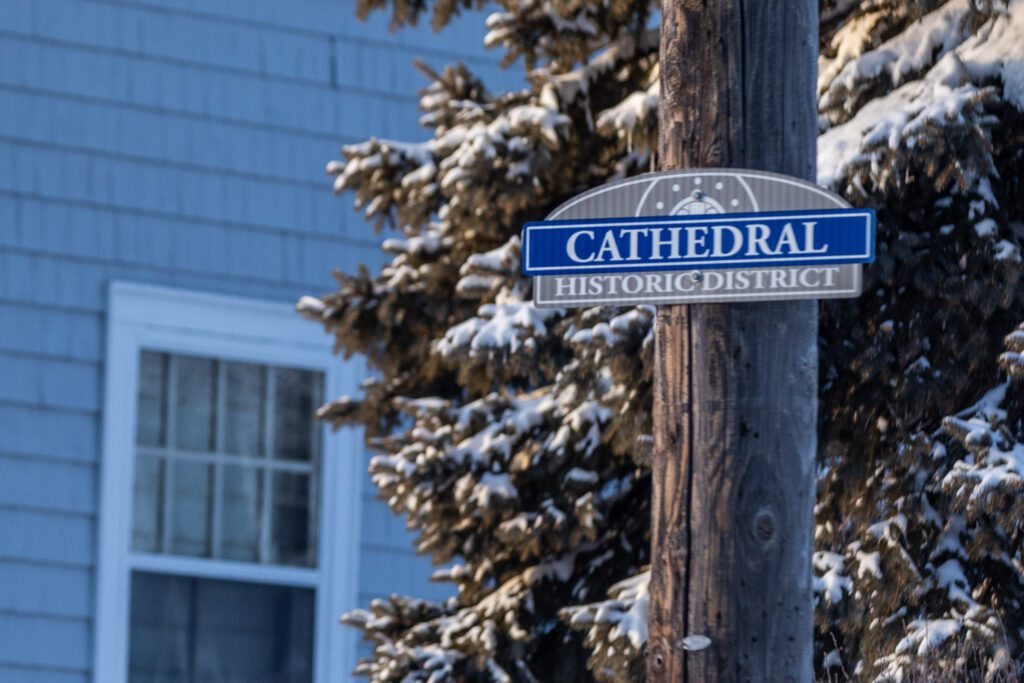
In the years since then, Glenski can count 11 houses that have been returned to single-family status, no longer carved up into apartments. That work has taken place in the 50 years since her neighborhood received the first historic neighborhood designation in the state of South Dakota.
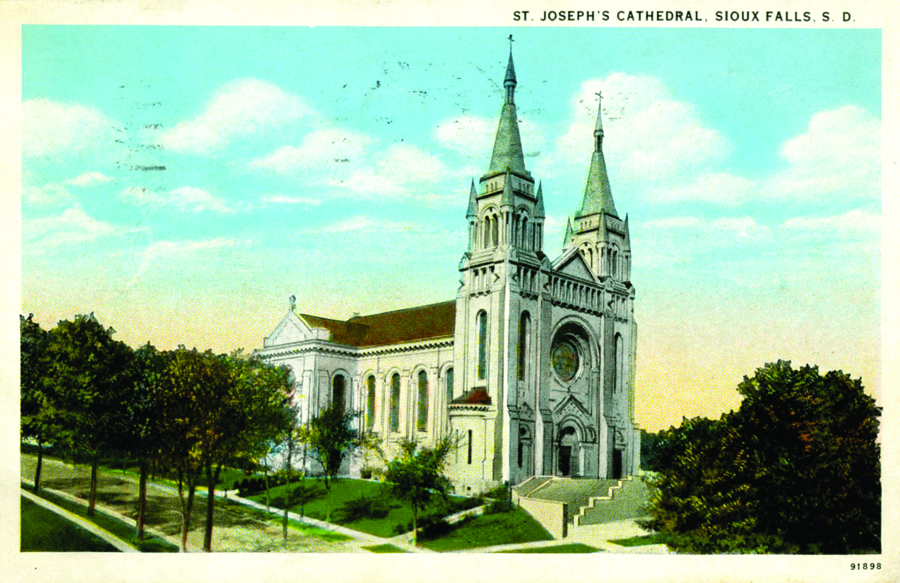
The area now known as the Cathedral Historic District plans to celebrate that milestone throughout the year. It began Sunday with a tour of the Cathedral that gave the neighborhood its name. Glenski led the tour, with bagpipe music provided by Dave Kulm.
Lura Roti, a volunteer with the Cathedral Historic District Neighborhood Watch Group, credited Glenski as instrumental in making the Cathedral area a Historic District and making sure it is zoned single family so historic homes can’t be torn down for apartment buildings.
“I think that some of my efforts did bring fruit,” Glenski said, modestly. “No longer could houses be left to deteriorate or could an apartment building be put on that lot. People started to realize a Historic District was worthwhile. When we were honored as one of the 10 best neighborhoods in the country, it was even more obvious.”
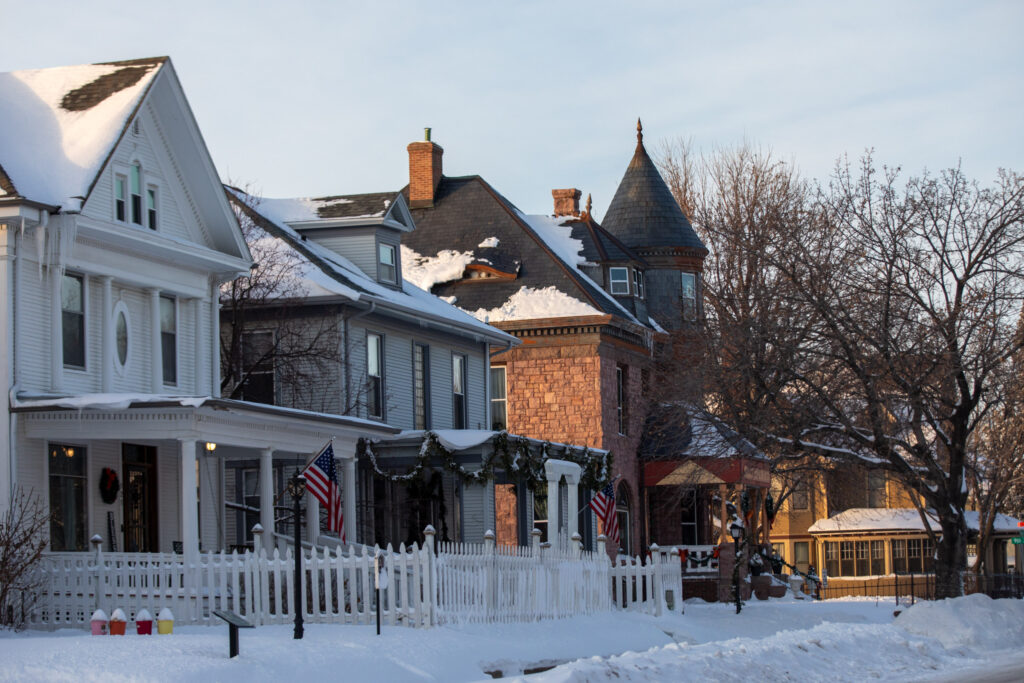
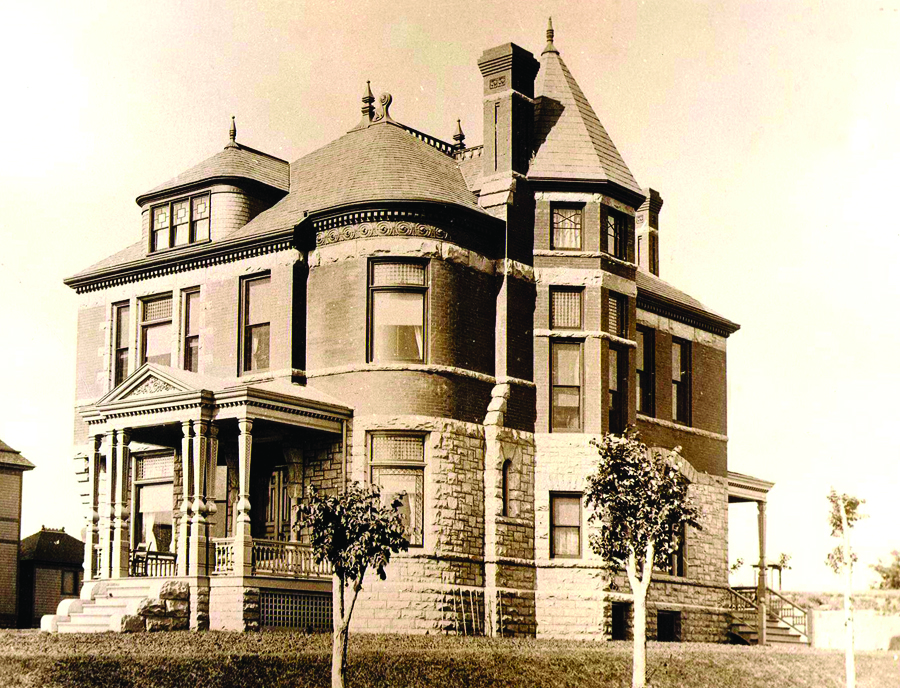
Roti, who moved into an 1888 faux-Victorian home that her husband had purchased when they married in 2006, agreed. Her house is the first private residence to be listed on the National Register of Historic Places.
“Being a Historic District has done a lot for our neighborhood. The properties are protected,” she said. “That means if someone said, ‘I want to live close to downtown, and I want to build a brand-new house,’ they’re not allowed to tear down historic property. The only ones who live here are those who know they want to live in a historic house.”
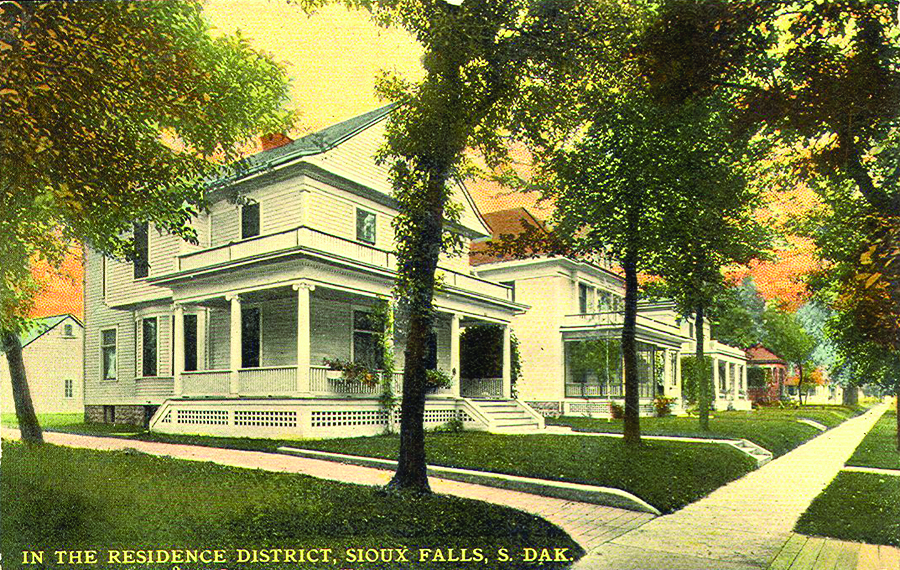
Their numbers are increasing, Roti said.
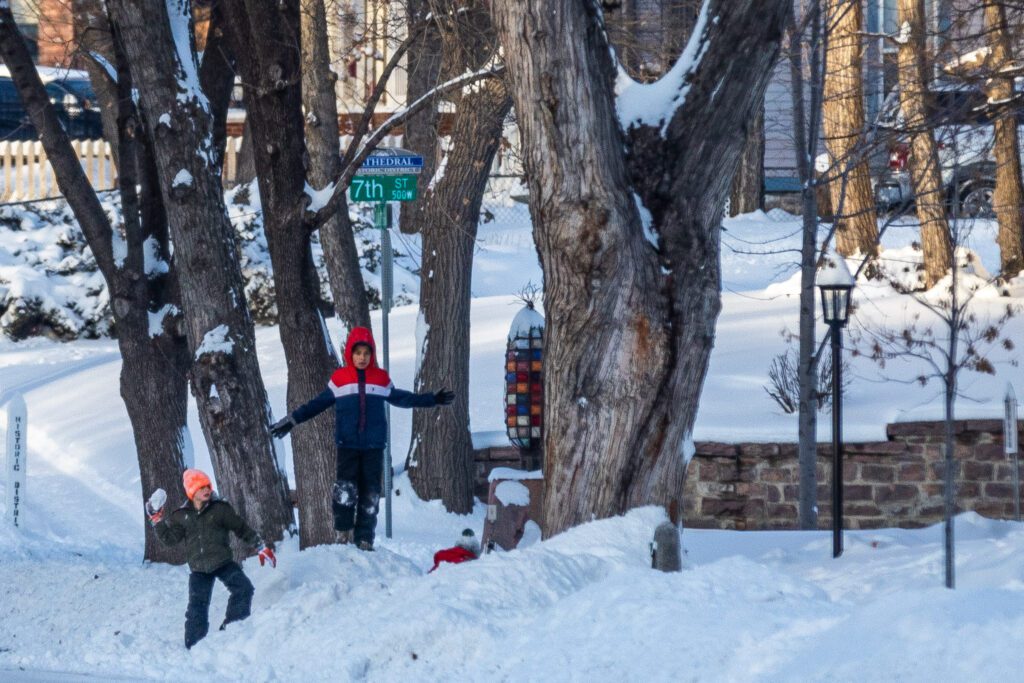
“In the last few years especially, I’ve noticed a lot of families with young children moving into the neighborhood,” she said. “Now, there are a ton of families with small children and a ton of kids. A lot of families moving back to the neighborhood are moving back because of the proximity to the Cathedral. They want to go to daily Mass.”
Because developers cannot buy multiple houses then tear them down for apartment buildings or change a house into a multifamily residence, prices have remained relatively affordable, Roti said. The Cathedral neighborhood for a long time has been a place where families can buy a home of their own, she said.
“I think it’s a horrible tragedy when cities allow these historic neighborhoods to deteriorate or even disappear,” said Bob Trzynka, who moved to the Cathedral area in 2020 and has been remodeling his 1883-era home. “It’s easy to turn these older homes into apartment buildings and let them sort of slide into disrepair. Unless you have neighbors and even the city itself being supportive of maintaining these neighborhoods, they disappear.”
The Cathedral Historic District expanded last year, guaranteeing more of the city’s early houses will be saved. Roti assisted in that effort.
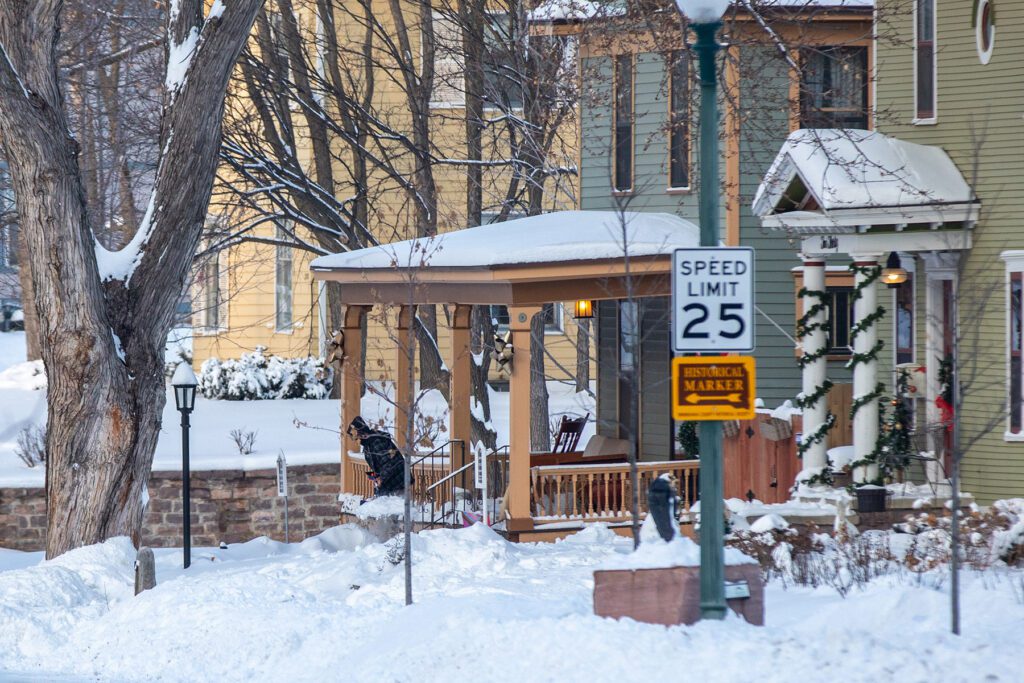
“My house was independently listed, but the houses closest to my home were not protected,” Roti said. “A historic home was torn down, and a prefab house was put in. It doesn’t look like any of its neighbors. When I saw that, I was so confused — how can this happen? Well, because you’re not protected.”
Roti, the city and others worked with the South Dakota State Historical Society to expand the district, and 35 more houses of the same era and architectural quality were added last year. The original boundaries were the west side of Spring Avenue to Prairie Avenue, with Fourth and 10th streets making up the square. Now, the boundary has been extended from Prairie to Menlo avenues.
“It means the charm of your neighborhood will not change,” Roti said. “If you love the charm of your neighborhood, you can make changes, additions, paint it any color you want; all homes have the same charm. If you want to do an addition to your home, that is allowed. You just work with the Board of Historic Preservation to make sure it doesn’t distract. … The architectural integrity must be preserved.”
Cheryl and Dan Tomjack are doing their part. They moved from Rock Rapids, Iowa, to a 1904 French Colonial Revival house more than 13 years ago. They deliberately chose a house that needed a lot of work so they could bring it back.
Living in an older house means constant upkeep — the steam-heating system sprang a leak recently requiring the opening of a wall — but after more than a decade, the Tomjacks now can focus on the “fun things” such as redoing their backyard. Dan Tomjack built a fireplace and pizza oven using quartzite stones.
“It’s a unique neighborhood up here, so it makes it even more exciting to be part of it,” Cheryl Tomjack said. “This is probably one of the closest communities I’ve ever lived in. I know more people in Sioux Falls in my neighborhood than I ever knew in Rock Rapids, which is amazing.”
LeAnn Grate moved to the Cathedral Historic District in 2013 and now lives in a 1910 four-square house, the only single-family dwelling on her block. Originally hesitant to live in an older home, now she can’t imagine being anywhere else.
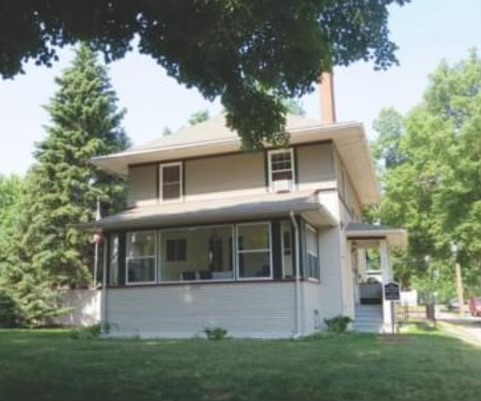
“It’s great to be in a neighborhood where everyone else has the same desire for and same love of older houses,” she said. “It’s great to be able to call on your neighbors. I love the neighborhood. It’s this great group of people.”
Neighbors are involved in activities throughout the year, such as book and woodworking clubs. Grate also participates in the Neighborhood Watch Group, which is planning events both public and private for the anniversary year.
“I actually was part of the group that met (recently), and we came up with some great ideas,” Grate said. “We’re hoping to have an event every other month. Some things we haven’t done before, some we’ll expand on. I’m really looking forward to that.”
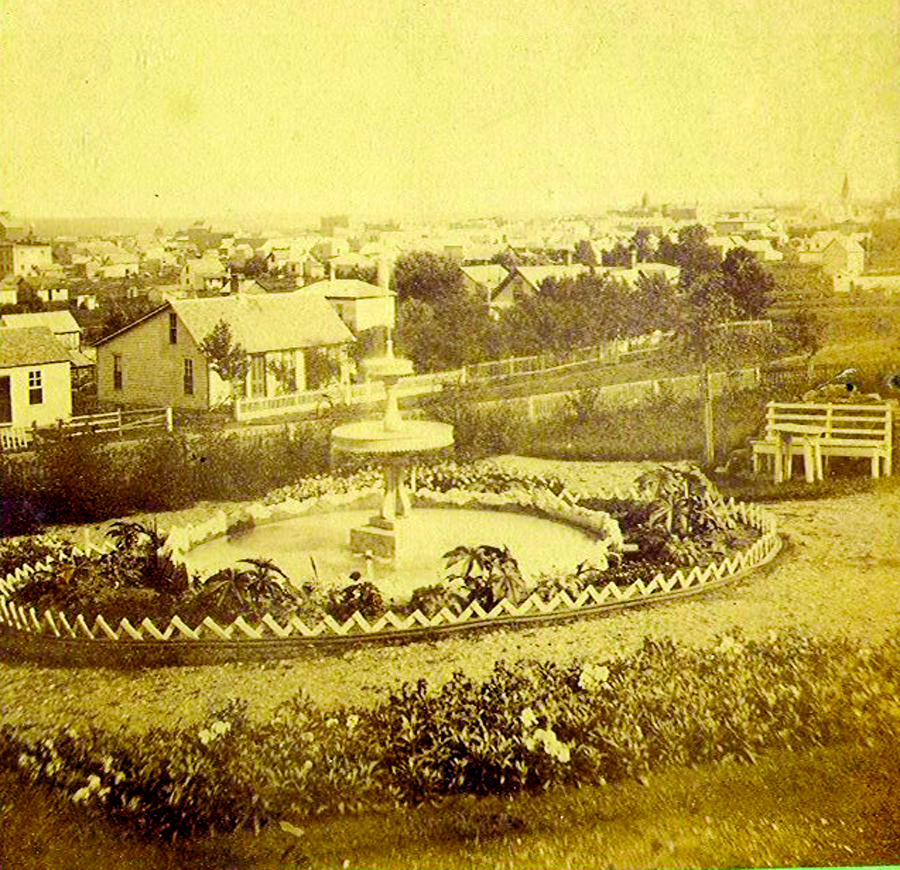
Trzynka is responsible for leading the planning for this summer’s biggest event to celebrate the 50th anniversary. His time and energy are a small return to the neighborhood that has made Trzynka, his husband and his mother feel at home.
“We have met a lot of people who are in their 20s and 30s that are buying and restoring these older homes. It just brings great energy to the neighborhood. It’s nice to be able to see we have real families making this neighborhood a home,” he said.
“We as a community should appreciate and take advantage of these historic neighborhoods, learn more about our community and consider being part of the process of helping to restore these neighborhoods. Even if it’s just visiting them or taking advantage of the resources here like the Pettigrew Museum.”
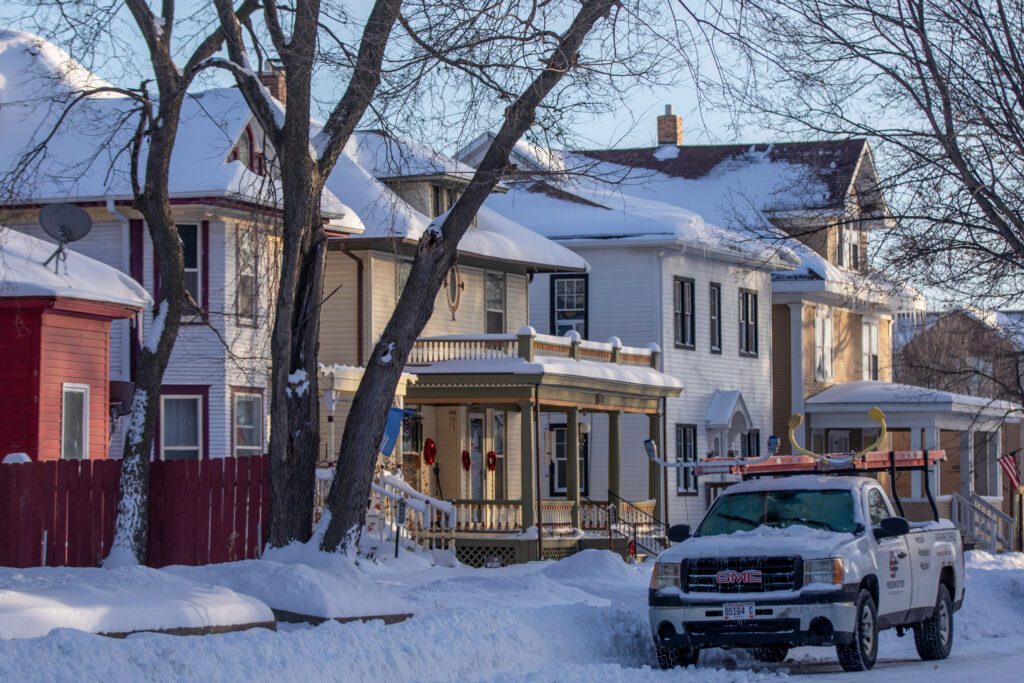
New residents to the Cathedral Historic District are greeted by neighbors ecstatic to see others who share their love for older homes, Grate said.
“I really value the relationships that I have,” she said. “Ask anyone in the neighborhood, there’s always a way to feel connected if you want to be connected. Others say they’re so envious of what you have and the things you do, and it’s so true. I can run next door and borrow something. If you call and say I have a bat in my house or need help to do a project, someone is right there to help. That’s something you don’t always get with other neighborhoods. It keeps me here. There’s so much support and love; it’s like you have another family.”
Plans for future 50th anniversary events are being finalized but will include opportunities to tour some of the neighborhood’s standout houses.
Visitors who come to any of the events will see a true community, Tomjack said. They’ll leave with an increased appreciation for two things, she said: “The value of these beautiful historic homes. And how much the people living in them love them. We’re trying to maintain this history for other people to enjoy in the coming years.”
Share This Story
Most Recent
Videos

Looking amazing @dtsiouxfalls and @washpav! Thanks to @jpickthorn for capturing an incredible night.
Nov 26

Enjoy this glow headed into Halloween week! 📸: @jpickthorn
Oct 31
Hope you had a wonderful summer weekend and are recharged for the week ahead! 📸: @jpickthorn
Jun 27
Beautiful way to start a week! 📸: @jpickthorn
Jan 10
Favorite flyover of the year! Merry Christmas from our entire @pigeon605news flock. 🎄🐦 📸: @actsofnaturephotography
Dec 24
They definitely deserve to be treated like holiday royalty and they were! ❤️ these scenes from tonight’s lighting celebration at @sanfordhealth Children’s Hospital. 🎄
Dec 1
The holidays are here! Perfect night @dtsiouxfalls
Nov 27
Happy Halloween from @avera_health NICU babies! Link in bio to see more! 🎃
Oct 31
Did you know @dtsiouxfalls is filled with 👻 stories? Link in bio … if you dare 😱
Oct 8
When it comes to kids parties nobody wants to be cookie-cutter. Link in bio for the story on what’s trending.
Sep 28
Want to stay connected to where you live with more stories like this?
Adopt a free virtual “pigeon” to deliver news that will matter to you.



Are you a little bird with something to share?
Delivering news that matters to you
Years ago, homing pigeons were used to bring us news we needed. Today, your virtual “pigeon” will deliver what you want to know about the place you call home.
All pigeons are free to good homes!
Our Partners