

Turning waiting into hope for families seeking answers about autism, developmental differences
This piece is sponsored by LifeScape.
It’s a phone call that can change everything. After months of waiting, a child’s evaluation is finally scheduled. At LifeScape, that moment is happening more often than ever before, thanks to the creation of dedicated assessment services. What was once a waiting list of more than 500 families has transformed into new beginnings for families seeking answers about autism and other developmental differences.
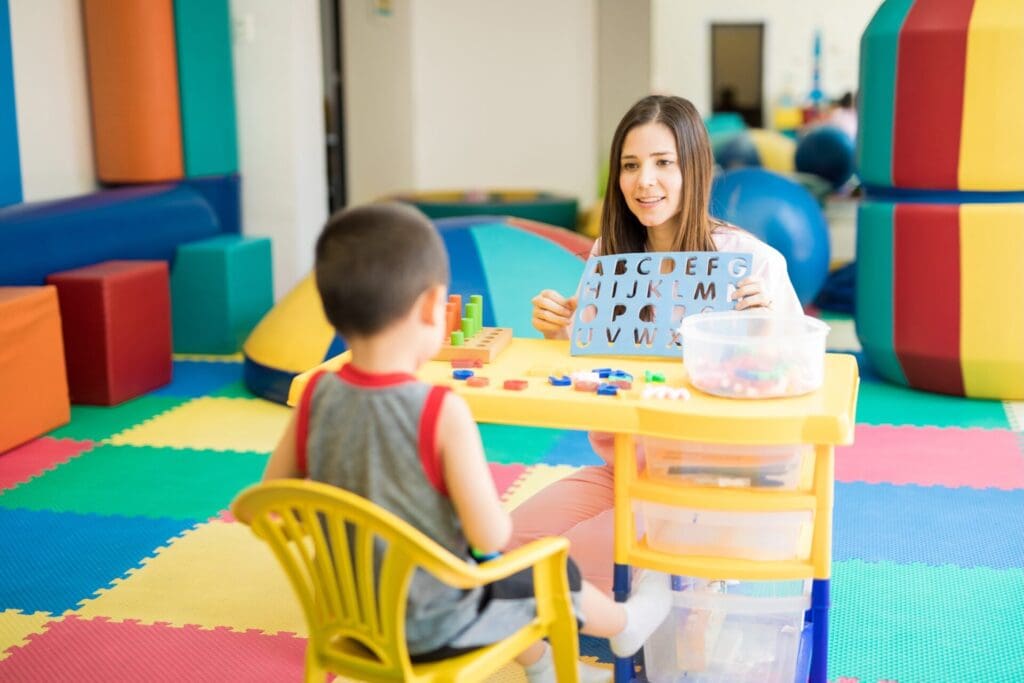
“When families finally get the call that their evaluation is scheduled, you can see the relief on their faces,” said Dr. Suzanne Keizer, LifeScape assessment psychologist.
“They just want to know. Whether the results confirm autism or not, parents finally have a direction and a path forward.”
Before Keizer’s dedicated assessment role was created, autism evaluations at LifeScape were completed as part of broader therapy caseloads, with only one or two per week. Today, her focused role allows four to five evaluations each week, giving more families the answers they’re seeking much sooner.
Why the demand is so high
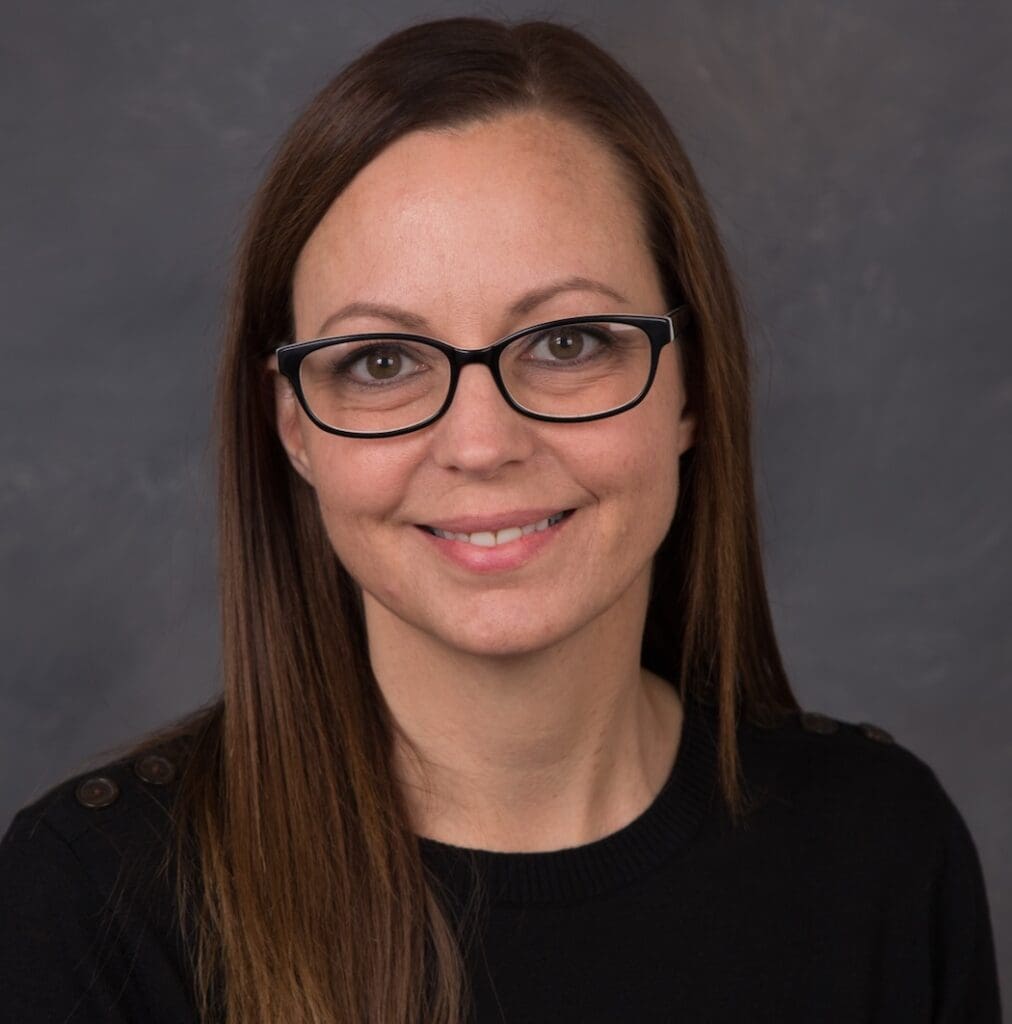
South Dakota families face a shortage of clinics able to provide the type of complex, specialized testing that autism requires. “Neurodevelopmental conditions often overlap, Keizer explained. “It takes time and specialized training to distinguish autism from other diagnoses like ADHD, intellectual disabilities or behavioral health concerns.”
She added that accurate diagnosis is essential, not only to help parents understand their child’s strengths and challenges, but also because many therapies, such as applied behavior analysis, require a medical diagnosis before services can begin.
Research shows that early diagnosis and intervention can impact a child’s growth and development dramatically. The National Institute of Child Health and Human Development notes that early identification allows children to access therapies during critical periods of brain development, leading to stronger outcomes in communication, learning and social skills.
“The earlier we can identify a child’s needs, the sooner we can link them to supports that help them thrive. That’s why reducing wait times matters so much,” Keizer said.
Beyond testing: Collaboration and connection
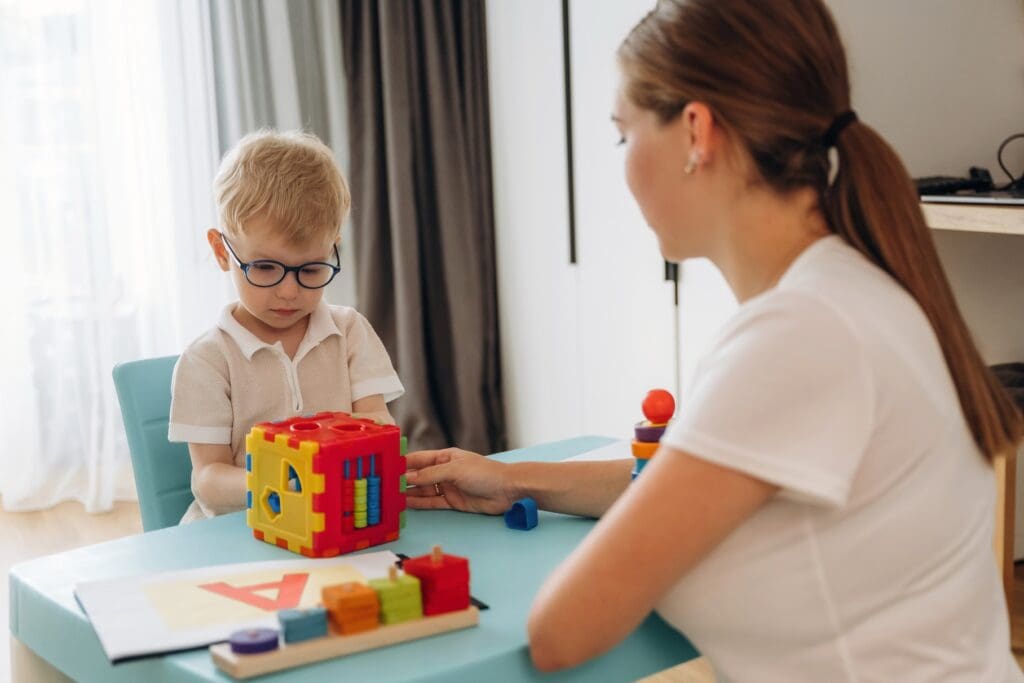
Each day, Keizer’s work goes far beyond standardized testing. Her role includes consulting with therapists, reviewing records, interviewing families and connecting them to next steps. “LifeScape is unique in that we can tailor each assessment to the family’s needs and immediately connect them to in-house therapy or other community resources,” she explained. “We don’t just deliver results — we help families move forward.”

Keizer hopes LifeScape’s continued expansion not only will meet current demand but also contribute to broader research and understanding of early-assessment practices.
“Only as we continue to learn more about early detection and intervention,” she said, “can we provide the highest quality of care to every child and family.”
For now, she remains motivated by each child who walks through her door. “Every evaluation is the first link in a lifelong chain of support,” she said. “I’m grateful to help families take that first step.”
To learn more visit LifeScapeSD.org.
Share This Story
Most Recent
Videos



Looking amazing @dtsiouxfalls and @washpav! Thanks to @jpickthorn for capturing an incredible night.
Nov 26

Enjoy this glow headed into Halloween week! 📸: @jpickthorn
Oct 31
Hope you had a wonderful summer weekend and are recharged for the week ahead! 📸: @jpickthorn
Jun 27
Beautiful way to start a week! 📸: @jpickthorn
Jan 10
Favorite flyover of the year! Merry Christmas from our entire @pigeon605news flock. 🎄🐦 📸: @actsofnaturephotography
Dec 24
They definitely deserve to be treated like holiday royalty and they were! ❤️ these scenes from tonight’s lighting celebration at @sanfordhealth Children’s Hospital. 🎄
Dec 1
The holidays are here! Perfect night @dtsiouxfalls
Nov 27
Happy Halloween from @avera_health NICU babies! Link in bio to see more! 🎃
Oct 31
Did you know @dtsiouxfalls is filled with 👻 stories? Link in bio … if you dare 😱
Oct 8
When it comes to kids parties nobody wants to be cookie-cutter. Link in bio for the story on what’s trending.
Sep 28
Want to stay connected to where you live with more stories like this?
Adopt a free virtual “pigeon” to deliver news that will matter to you.




Are you a little bird with something to share?

Delivering news that matters to you
Years ago, homing pigeons were used to bring us news we needed. Today, your virtual “pigeon” will deliver what you want to know about the place you call home.
All pigeons are free to good homes!
Our Partners