

Tips to ease back-to-school transitions for parents, students
This paid piece is sponsored by Avera.
The time has come to swap swimming towels and sunscreen with notebooks and pencil boxes as kids of all ages – along with mom and dad – make the transition from summer’s fun to the routines of school.
The change can be tough, but knowing where the anxiety comes from – and that it’s not uncommon – can help everybody get ready for class. Avera Behavioral Health clinical therapist Lawrence Ling said the same applies for students from kindergarten to grad school: expect stress, and manage it with some easy approaches.
“One hundred percent of kids will have some anxiety,” he said. “Most anxiety in students comes from the big transitions – elementary to middle school and from middle school to high school. There’s also increasing peer pressure through adolescence.”

For college students, the change in independence fuels an excitement that can be overwhelming at times.
“College students are more mature. But they’re also more excited,” Ling said. “Accountability comes a lot more into play as students go through college, and their anxiety comes from the pressure to perform.”
Parents are not immune; the transition from summer to school may bring them anxiety as well. After all, they make up the strongest support system for their children.
Follow these tips to ease the transition:
Get to bed: Integrate a sleep schedule as summer comes to a close, especially for young children, because good sleep can relieve stress and anxiety before it even starts. Dr. Rick Kooima, Avera Medical Group pediatrician suggests putting kids to bed 30 minutes earlier each week until you’ve reached the optimal sleep schedule.
“Students age 5 and older should have eight to nine hours of sleep each night, and while they won’t want to, it’s shown that adolescents should get even more sleep than that,” Kooima said.
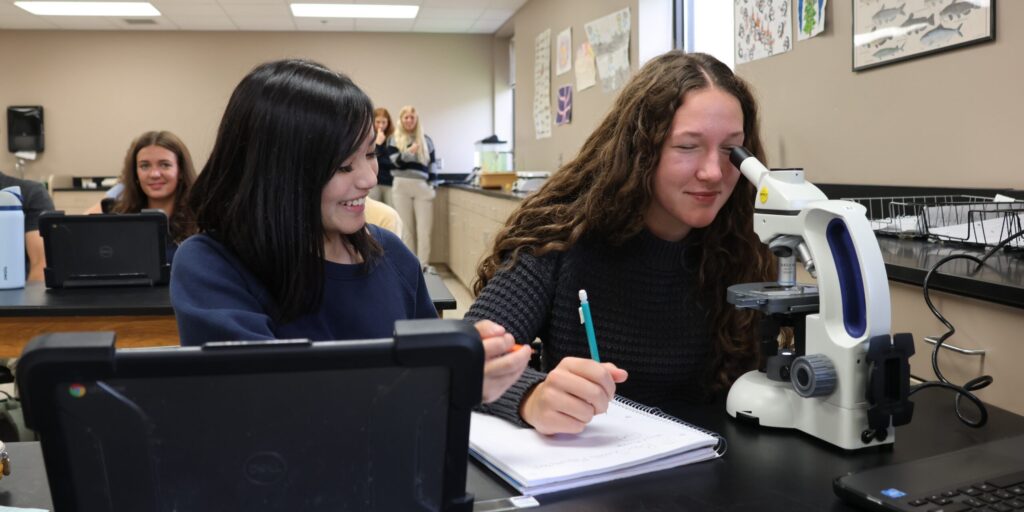
Preview the school: Kids who go from a single-teacher setting to an environment where they have multiple teachers in different classrooms experience a big change. Parents can take their students in advance to check things out and get a feel for the space.
“It’s a great opportunity to ease some anxiety for both you and your student. Give them a feel for the new stomping grounds,” Kooima said.
Be the great parent you are: Ling said planning goes a long way toward reduced stress.
“Be prepared and make sure things are lined up for that first day,” he said. “Talk up that first day and be confident in your child. Give support and encourage your kids as they go through this change.”
Give it time: Once school is in progress, absorb the complaints and talk about the worry, the whole time knowing it may take a while for them to get used to the changes. Ling said elementary school children usually adjust within about a week, while middle and high school students will get in their grooves about two weeks into the year.
Know the signs of “too much”: Anxiety often leads to sleeplessness, agitation and changes in appetite. If these symptoms occur or continue as the school year progresses, call or visit your physician. Many children work their way through school transitions naturally. Provide support, listen, observe and be ready to seek help if needed.
Get more health and wellness tips at Avera.org/balance.
Share This Story
Most Recent
Videos



Looking amazing @dtsiouxfalls and @washpav! Thanks to @jpickthorn for capturing an incredible night.
Nov 26

Enjoy this glow headed into Halloween week! 📸: @jpickthorn
Oct 31
Hope you had a wonderful summer weekend and are recharged for the week ahead! 📸: @jpickthorn
Jun 27
Beautiful way to start a week! 📸: @jpickthorn
Jan 10
Favorite flyover of the year! Merry Christmas from our entire @pigeon605news flock. 🎄🐦 📸: @actsofnaturephotography
Dec 24
They definitely deserve to be treated like holiday royalty and they were! ❤️ these scenes from tonight’s lighting celebration at @sanfordhealth Children’s Hospital. 🎄
Dec 1
The holidays are here! Perfect night @dtsiouxfalls
Nov 27
Happy Halloween from @avera_health NICU babies! Link in bio to see more! 🎃
Oct 31
Did you know @dtsiouxfalls is filled with 👻 stories? Link in bio … if you dare 😱
Oct 8
When it comes to kids parties nobody wants to be cookie-cutter. Link in bio for the story on what’s trending.
Sep 28
Want to stay connected to where you live with more stories like this?
Adopt a free virtual “pigeon” to deliver news that will matter to you.



Are you a little bird with something to share?

Delivering news that matters to you
Years ago, homing pigeons were used to bring us news we needed. Today, your virtual “pigeon” will deliver what you want to know about the place you call home.
All pigeons are free to good homes!
Our Partners