
Prebiotic sodas: What’s all the fizz about?
This paid piece is sponsored by Avera Health.
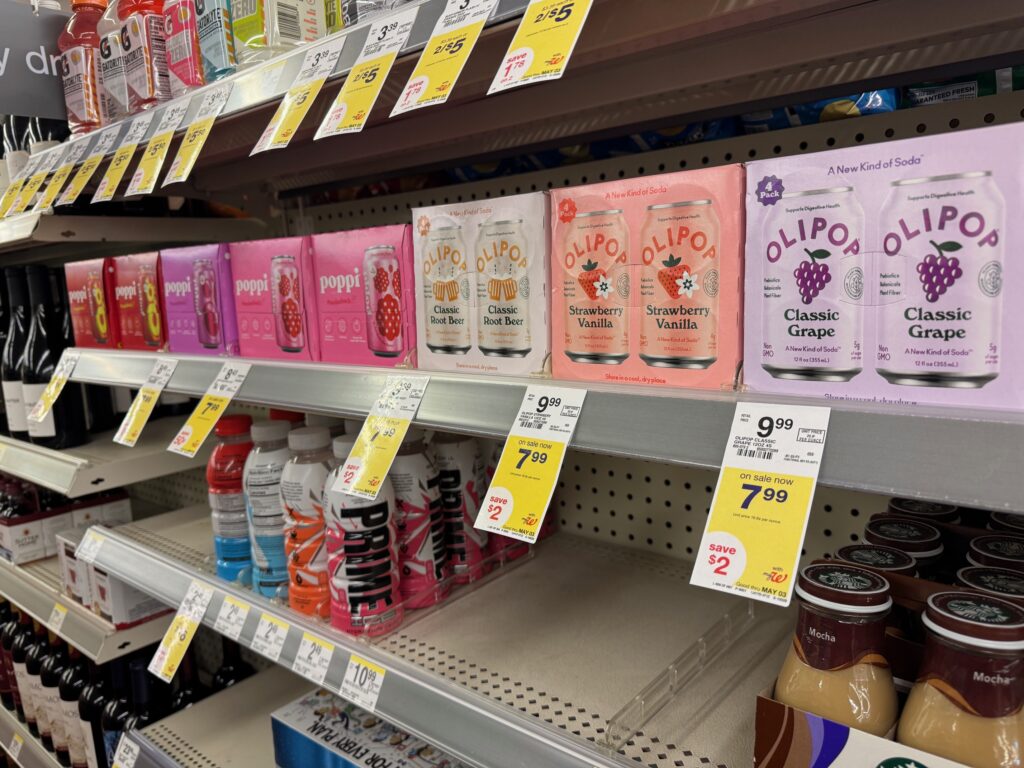
Prebiotic sodas are sweeping the beverage scene with lots of claims as a healthier alternative to traditional sodas. We put the question to an expert, an Avera dietitian, who can give you the real scoop.
“Probiotics are the microorganisms that live in your intestines that work to keep your microbiome healthy,” said Kaylee Gebhart, RDN, LN, a dietitian with Avera Heart Hospital. “Prebiotics, which include various dietary fibers, actually feed the probiotics.”
What is prebiotic soda?
The cute and trendy cans and flavors contain different types of prebiotic fibers such as inulin, mucilage and resistant starch. The most common one is inulin fiber, which comes from ingredients such as chicory root or agave.
The benefits of consuming prebiotics regularly include:
- Better gut health.
- Better immunity.
- Improved absorption of nutrients.
- Regular bowel movements.
- Constipation prevention.
Prebiotic sodas can help you reach these benefits but shouldn’t be a substitute for other whole-food sources, which we’ll get to later.
Is prebiotic soda good for you?
Marketed as a healthy alternative, prebiotic sodas still may contain a significant amount of sugar, artificial sugar and caffeine. Drinking too much prebiotic soda can have the same effect as drinking too much regular soda, which is gas, bloating, burping and other discomfort.
“Just like anything, consider them a treat on your health journey,” Gebhart said. “I would recommend not exceeding one per day.”
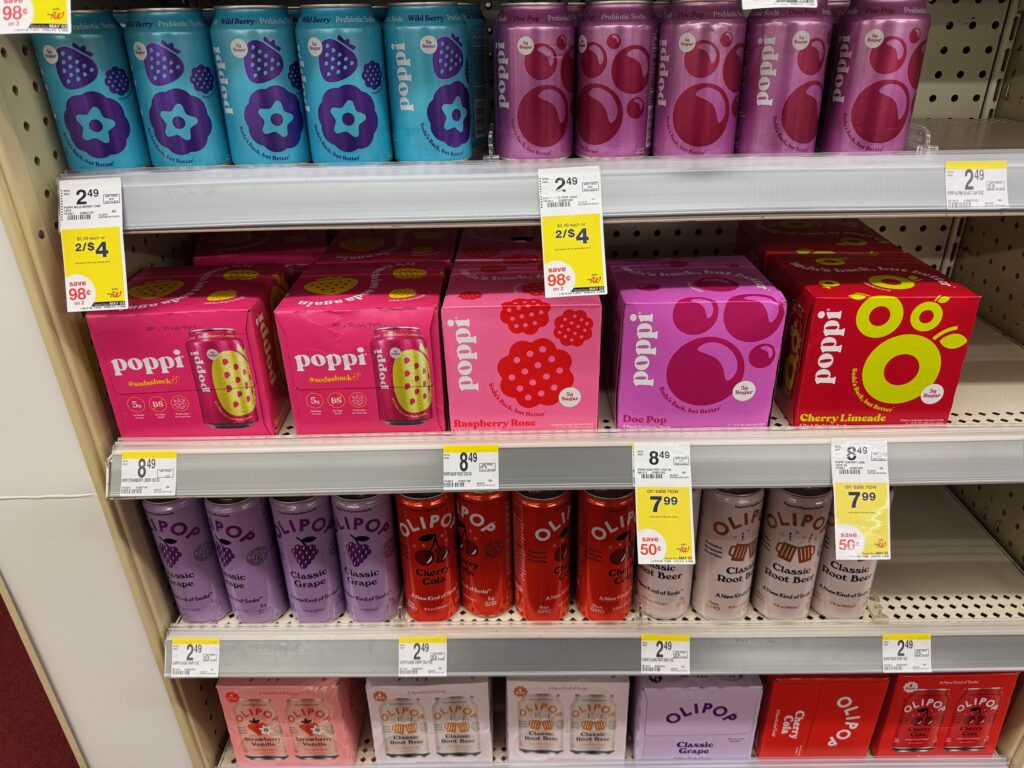
Prebiotic sodas are fine for all people, including pregnant women. However, Gebhart recommends exercising caution when it comes to allowing children to drink prebiotic sodas — or indulging in any other health trend.
Common foods that support gut health
So should you be worrying about “getting your prebiotics?” No, not really; you’re probably already eating plenty of whole foods that support your prebiotic needs. It’s better to think of these sodas as a health benefit that has been capitalized on.
“It is recommended to consume whole foods over drinking a prebiotic soda,” Gebhart said.
Focus on fruits, vegetables and whole grains. Common foods high in the fiber inulin include asparagus, onions, bananas, garlic, inulin-enriched soy products such as tofu and soy milk, and whole-wheat foods.
Other options that support gut health are foods or dairy that have been fermented. Some popular picks to try include yogurt, cottage cheese, kefir, sauerkraut, kimchi and kombucha.
“Strive for a diet rich in taste, color and texture,” Gebhart said. “Food is meant to be fun, and yes, that means you can also enjoy a prebiotic — or even regular — soda every once in awhile.”
Get more wellness tips at Avera.org/Balance.
Share This Story
Most Recent
Videos



Looking amazing @dtsiouxfalls and @washpav! Thanks to @jpickthorn for capturing an incredible night.
Nov 26

Enjoy this glow headed into Halloween week! 📸: @jpickthorn
Oct 31
Hope you had a wonderful summer weekend and are recharged for the week ahead! 📸: @jpickthorn
Jun 27
Beautiful way to start a week! 📸: @jpickthorn
Jan 10
Favorite flyover of the year! Merry Christmas from our entire @pigeon605news flock. 🎄🐦 📸: @actsofnaturephotography
Dec 24
They definitely deserve to be treated like holiday royalty and they were! ❤️ these scenes from tonight’s lighting celebration at @sanfordhealth Children’s Hospital. 🎄
Dec 1
The holidays are here! Perfect night @dtsiouxfalls
Nov 27
Happy Halloween from @avera_health NICU babies! Link in bio to see more! 🎃
Oct 31
Did you know @dtsiouxfalls is filled with 👻 stories? Link in bio … if you dare 😱
Oct 8
When it comes to kids parties nobody wants to be cookie-cutter. Link in bio for the story on what’s trending.
Sep 28
Want to stay connected to where you live with more stories like this?
Adopt a free virtual “pigeon” to deliver news that will matter to you.





Are you a little bird with something to share?

Delivering news that matters to you
Years ago, homing pigeons were used to bring us news we needed. Today, your virtual “pigeon” will deliver what you want to know about the place you call home.
All pigeons are free to good homes!
Our Partners