

Local writer’s latest work blends family history with WWII-era tale
Everyone has a story.
Jim Smorada believes that heart and soul.
Aided and abetted by a deep emotional connection to a time, place and people, the retired newspaper reporter/editor and college instructor set out four years ago to tell one of those stories.
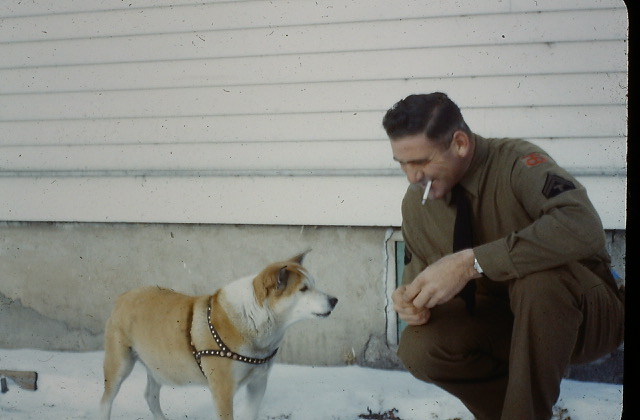
Not his own, mind you, but that of the Morth family: mother, father and six adult children, whose placid — on the surface at least — life in Fingal, North Dakota, abruptly disrupted with the onset of World War II.
Isidor and Theresia Morth, their sons, Henry “Hank,” Ludwig “Spitz,” Frank and Herman “Skip,” and their daughters, Mary and Elizabeth — or Liz, Lizzie or Eliz — began writing letters to share family news, updates on the goings-on in Fingal and, perhaps, attempt to solidify a family relationship that distance had shown to be tenuous at best. Those who didn’t write, like Isidor with his limited schooling, shared in the letters.
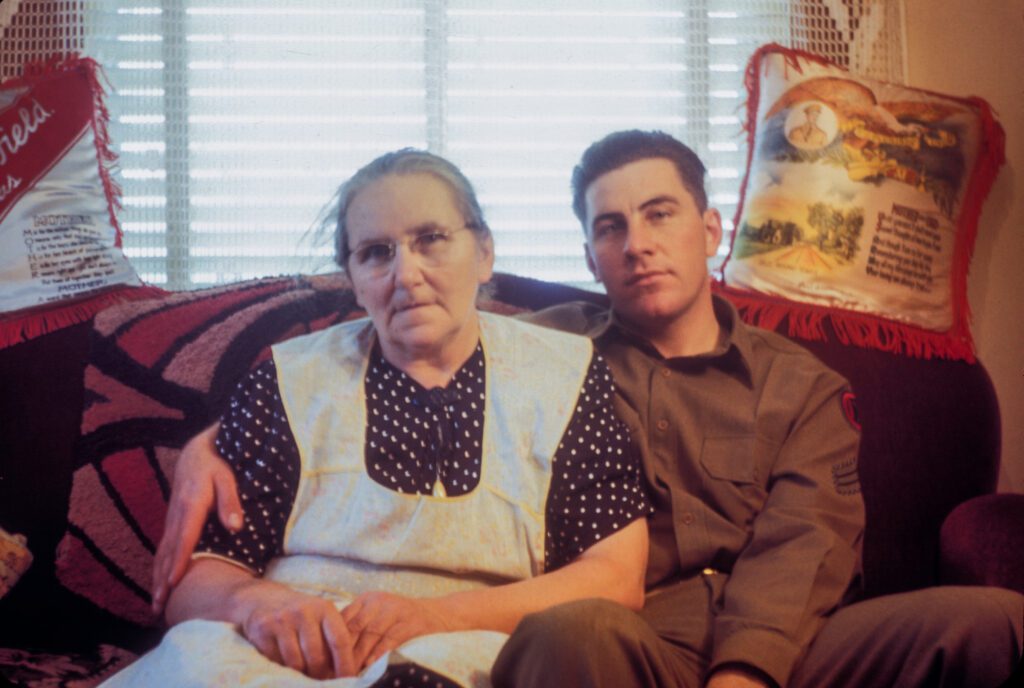
Upon his return from overseas, oldest son Hank kept some of the letters, still in their original envelopes, in a wooden box he had made from a salvaged Nazi road sign. Smorada’s cousin, Thomas, Hank’s son, now serves as the letters’ guardian. Thomas allowed his cousin to make copies, however, and from those letters and the Kodachrome slides and photographs Smorada’s parents had taken during that period, comes the book “Between the Lines.”
Today, only a whisper of Fingal remains, but Smorada’s memories of the southeast North Dakota village continue to be so clear he can close his eyes and summon his grandparents’ home.
“I can see the backyard, I can see the garden, I can see the dining room, I can see the kitchen, I can smell things,” Smorada said. “The little recording device in my brain paid exquisite attention on the fewer than 10 visits I made to that town. Maybe because every visit was exceptional, everything was recorded in memory.”

Smorada was Isidor and Theresia Morth’s second grandchild but the first grandson. He was born in December 1944, and when the three uncles who had served in the war returned home in the following months, their yearnings for families of their own cemented his special status. His adoring uncles who were “desperate to breed after World War II and clocks were ticking” heaped adulation on him, Smorada said.
Don’t turn to “Between the Lines” for a history of battles on the allies’ front lines. Instead, Smorada shifted into journalist mode to look at a family that in today’s terms would be described as dysfunctional, he said.
“They were very good at being angry and holding grudges,” he said. “Forgiveness is a relatively delicate concept in this part of my family. They’re not good at it. Once the door slams, that’s it.”
At the same time, “Between the Lines” is not a book filled with angry outbursts. Instead, it tells of a family emerging from 1930s poverty to confront a war that would change their lives forever. Isidor and Theresia Morth had emigrated from Austria. They lost nephews on both sides in the war, and Theresia spent months haunted by the fear that she, too, would lose a son.
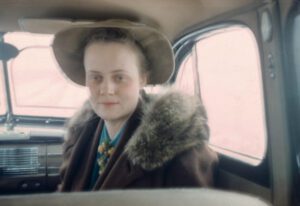
“(Mary) saw Theresia in front of the photos of her sons. Mary thought that she heard her mother speak to each of her boys. She said, ‘I wish you were home,’” Smorada wrote. “Then she picked up each portrait individually. She told Hank of all the things that waited for him to do as soon as he returned. … She told Frank to go to confession and attend Mass. … Then she told Skip that he was enjoying whiskey and beer far too much and not writing home often enough.”
Did that happen? Well, it’s Smorada’s story to tell, and he’s basing it on the letters and on conversations he overheard as a small boy whose presence sometimes went unnoticed, and his own knowledge of his family in particular and people in general.
During Smorada’s almost 20 years at the now-defunct Kilian Community College, he taught advanced composition to students with plentiful life experience. He encouraged his students to write about the tough stuff they had encountered in their lives. He used writers William Zinsser and Stephen King to advise them: “It’s your story to tell. If someone doesn’t like it, they can tell their own story.”
Smorada essentially wrote “Between the Lines” for three cousins, all Hank’s descendants, he said.
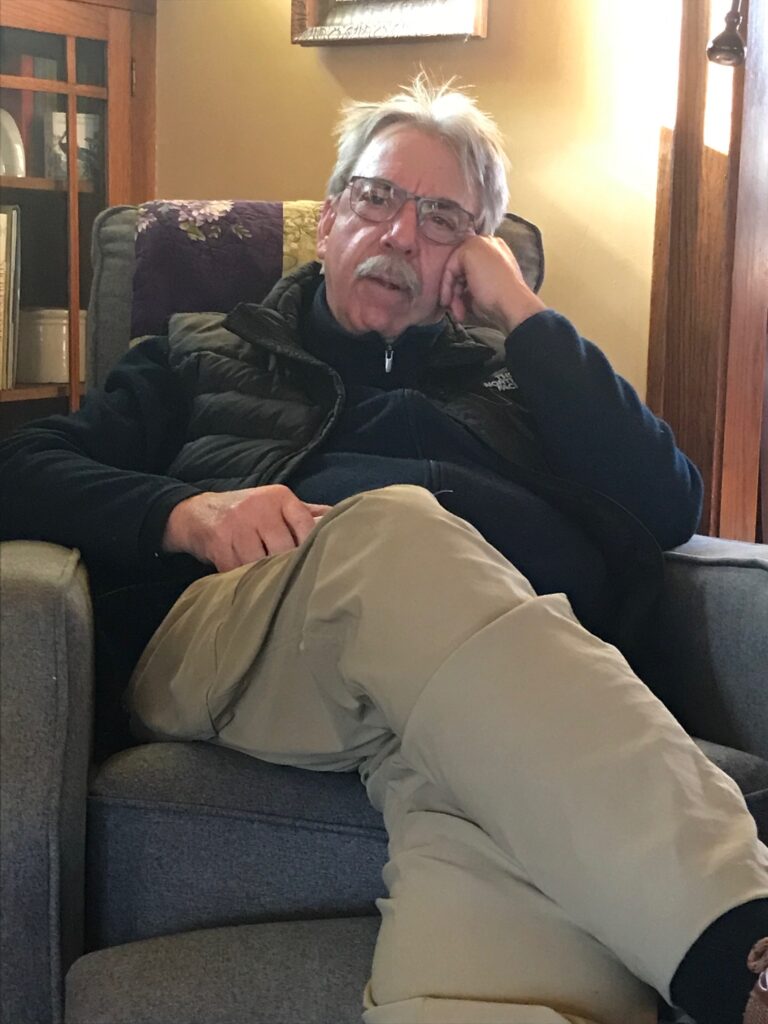
“This is my audience,” he said cheerfully. “If there are other members of the family that object, write your own. And besides, a lot of people are dead. That’s helpful. I can’t get hate letters from beyond the grave.”
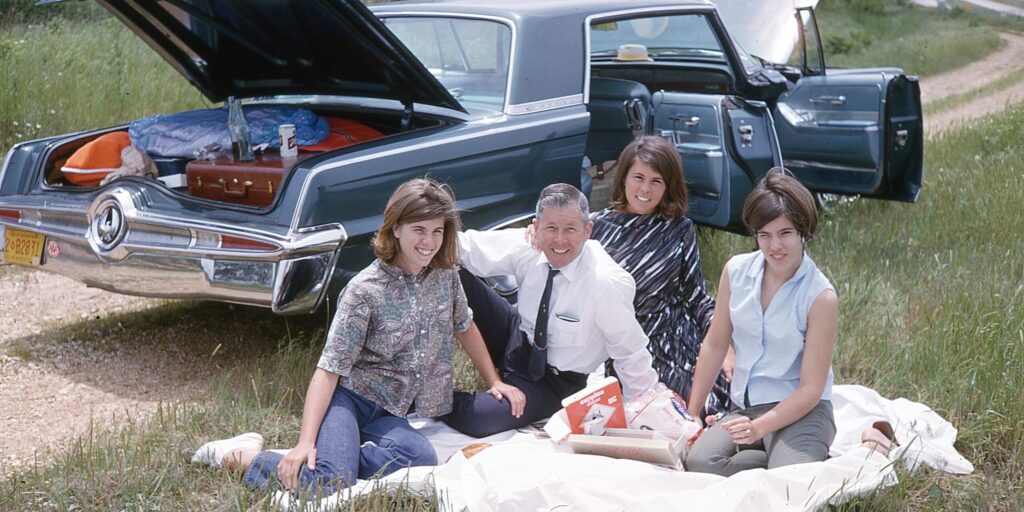
Smorada’s parents, Gus and Liz, took the photographs that punctuate “Between the Lines.” Gus Smorada had worked the gold fields of Alaska, his son said, and he came back much wealthier than those who had struggled on the North Dakota plains during the Great Depression. The money Gus spent on his prized camera would have paid for half of a new car at the time, Smorada said.
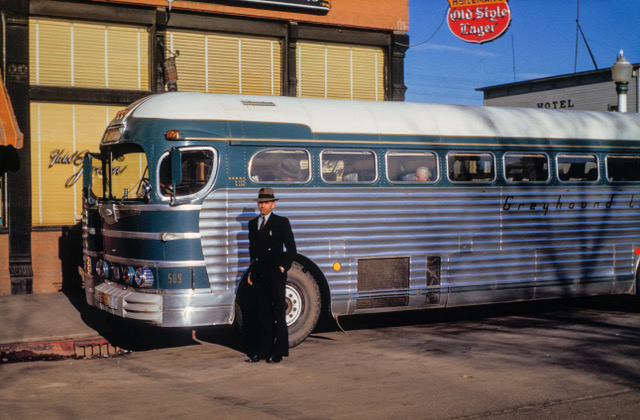
His father never pursued his aesthetic side, but he encouraged it in his son, Smorada said. On his maternal side, his mother and Aunt Mary both showed a flair for putting words on paper. In Mary’s case, she used pen and inkwell, dipping the penny nib in the bottle every seven or eight strokes to form letters almost calligraphic in their beauty.
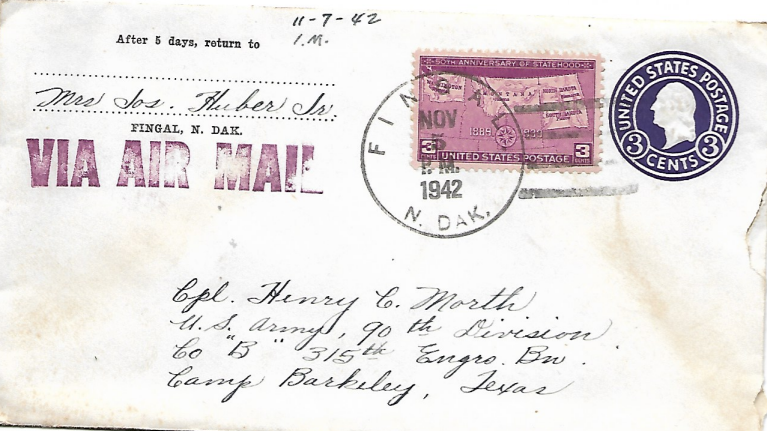
Mary, Fingal’s postmaster, spent her afternoons writing to her brothers away at war.
“She was a journalist at heart, not only able to report the incident but put it in context and comment on it all in one letter,” Smorada said. “She was extraordinarily good at it.”
“Between the Lines” by James J. Smorada can be purchased at Amazon.com. Or, contact him via email at [email protected].
Advice from Jim Smorada
Interested in telling a story? Journalist and instructor Jim Smorada offers these tips:
Start somewhere. “You don’t need to start at the beginning,” he said. “You could probably start at the end and that’s more helpful. Figure out what you’re going to do by doing it.”
Find a format that works for you. Essays, letters, narratives, fiction, nonfiction — it’s your choice.
Know this: Writing is work. Do it every day, Smorada said. Find a place that’s private where you can write, such as a room with a door you can close. Set aside distractions.
And pick your battle. “You don’t have to tell the whole story,” Smorada said. “I limited the book to 1942 to 1945. And the second part is, I gave myself permission, to use Stephen King’s term, to kill my babies. Oh, that’s cute, but I’m not going to use that.”
It’s good to have people who are candid and won’t pull any punches read the book and offer suggestions, Smorada added.
Share This Story
Most Recent
Videos



Looking amazing @dtsiouxfalls and @washpav! Thanks to @jpickthorn for capturing an incredible night.
Nov 26

Enjoy this glow headed into Halloween week! 📸: @jpickthorn
Oct 31
Hope you had a wonderful summer weekend and are recharged for the week ahead! 📸: @jpickthorn
Jun 27
Beautiful way to start a week! 📸: @jpickthorn
Jan 10
Favorite flyover of the year! Merry Christmas from our entire @pigeon605news flock. 🎄🐦 📸: @actsofnaturephotography
Dec 24
They definitely deserve to be treated like holiday royalty and they were! ❤️ these scenes from tonight’s lighting celebration at @sanfordhealth Children’s Hospital. 🎄
Dec 1
The holidays are here! Perfect night @dtsiouxfalls
Nov 27
Happy Halloween from @avera_health NICU babies! Link in bio to see more! 🎃
Oct 31
Did you know @dtsiouxfalls is filled with 👻 stories? Link in bio … if you dare 😱
Oct 8
When it comes to kids parties nobody wants to be cookie-cutter. Link in bio for the story on what’s trending.
Sep 28
Want to stay connected to where you live with more stories like this?
Adopt a free virtual “pigeon” to deliver news that will matter to you.




Are you a little bird with something to share?

Delivering news that matters to you
Years ago, homing pigeons were used to bring us news we needed. Today, your virtual “pigeon” will deliver what you want to know about the place you call home.
All pigeons are free to good homes!
Our Partners