Archival business takes ‘concierge’ approach to cataloging family memories
That box of old photos stashed in the back of a closet?
It doesn’t have to remain there. Nor does it need to be a source of stress, an “I’ll get around to it someday” project that gets pushed off and pushed off and pushed off.
Niki Schillerstrom knows all about that hidden-away stash, whether it’s the size of a shoebox or much, much larger. She’s here to help people deal with those boxes and along the way discover a renewed appreciation for family memories.
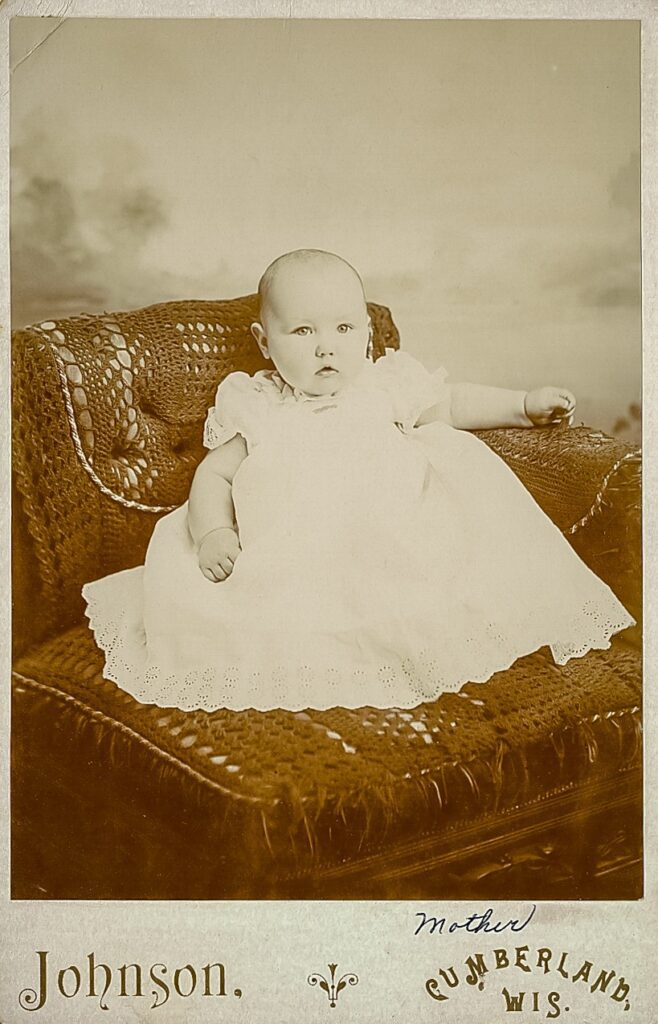
A year ago, the Sioux Falls woman started Aronel Archives, which offers archival image services, preserving video, slides, negatives and photographs. She also can restore photos, cleaning up old images to make them look new again.
But it’s more than that. Schillerstrom describes herself as a storyteller.
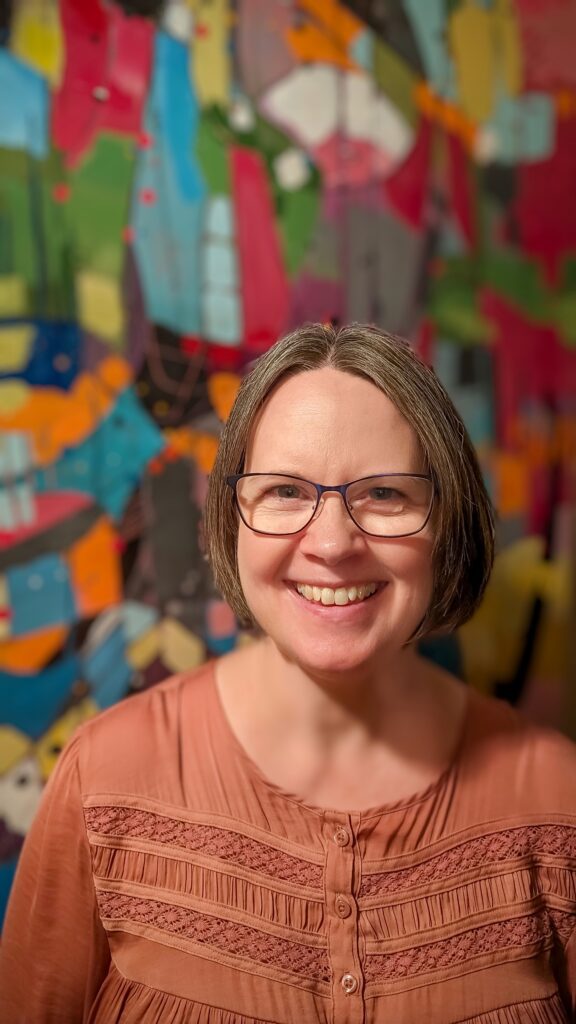
When she sat down to go through photos accumulated by her family and those of her husband, Jim, she found herself digging deep into stories of the past while keeping an eye on future relatives who would want to know more.
And when Schillerstrom had finished, she found herself with a new calling. She describes Aronel Archives as a “concierge service,” where she comes to a client and removes a worrisome burden.
It took her three years to complete that archival project for her family, digging deep into their stories and ending with “a treasure trove of memories of people that may or may not look like you. It draws a line, like a thread, a tapestry.”
Now, she’s using the equipment she purchased for that personal project to help others like Shannon Emry, who had a box of decades-old slides. Included among them were images of her late mother. Because it is difficult to peer through slides or set up a slide projector, Emry decided she wanted to convert them to easily accessible digital photos.
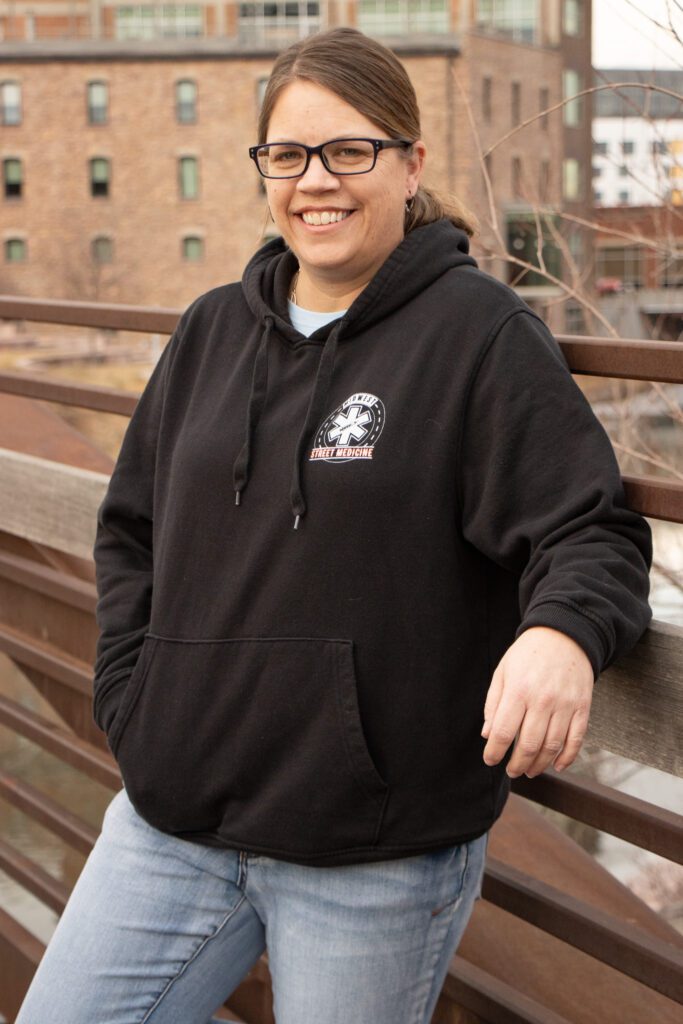
Now, Emry’s family has come back to her.
“Seeing my mom as a teenager was especially meaningful since she passed away in 2001,” Emry said. “It felt like reconnecting with a part of her I hadn’t seen in so long. Seeing my grandparents, aunts and uncles when they were so much younger was also priceless. I’m so grateful to have these family moments preserved.”
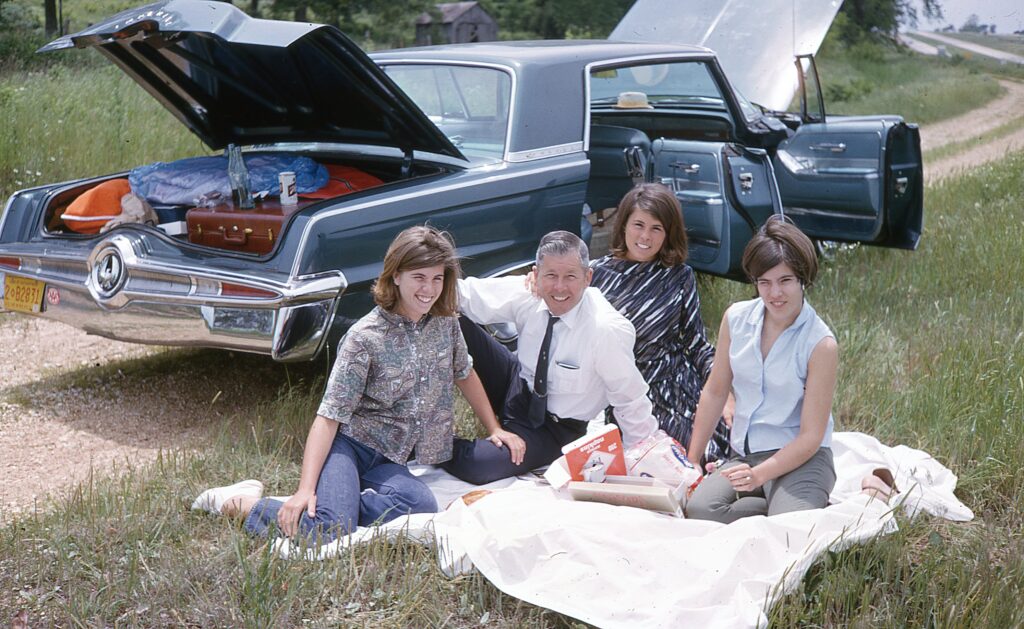
Emry dropped off her family slides, and Schillerstrom took it from there.
“She handled everything with such care and professionalism,” Emry said. “She kept me updated throughout the process, checking in to make sure the results were exactly what I wanted.”
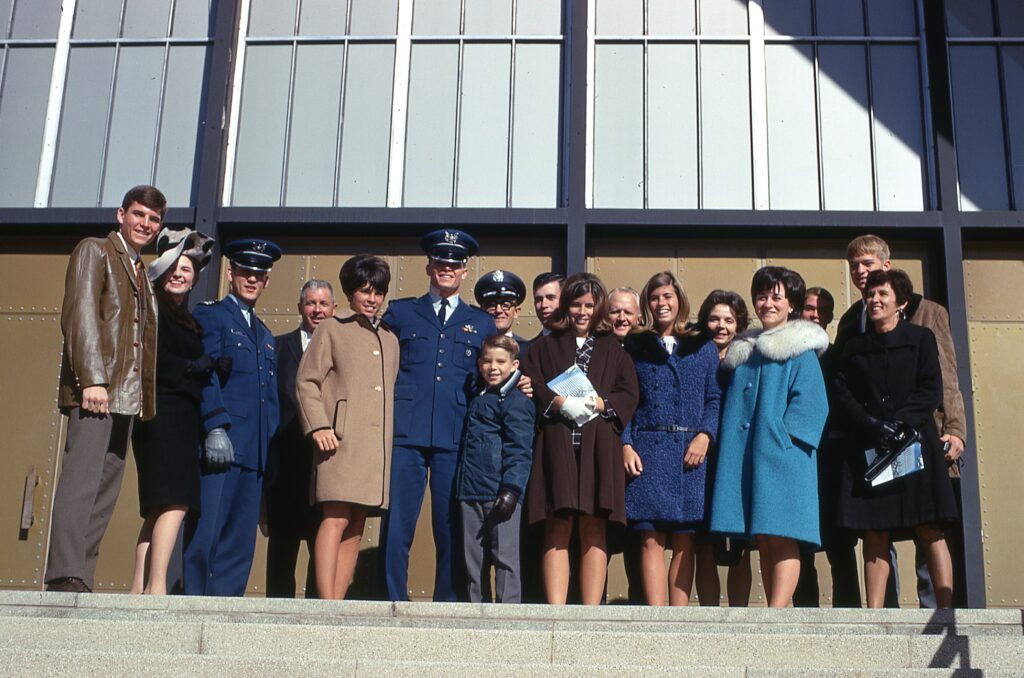
Schillerstrom, who has even helped a client sort through the photos on a cellphone, credits being organized by nature as an asset in her part-time profession. She either sits down with the person to sort through boxes or does it on her own.
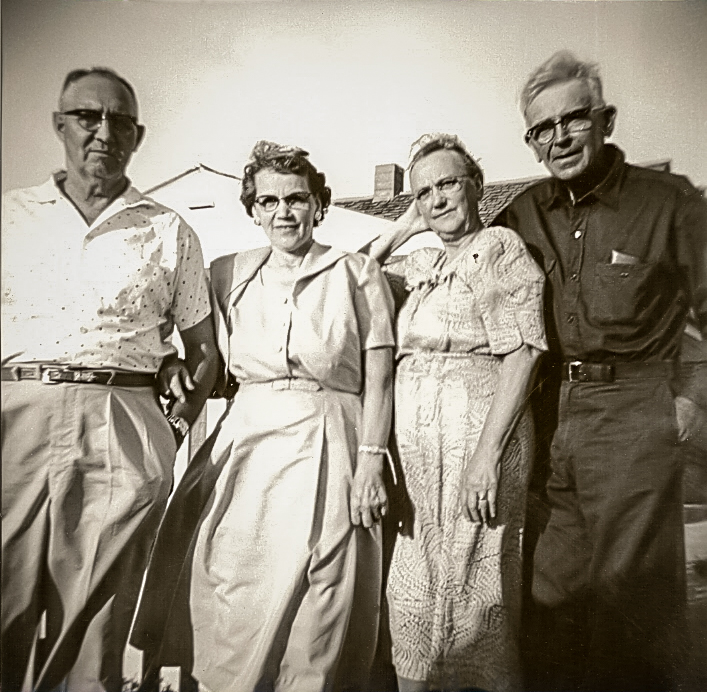
When she does that, patterns start to emerge, Schillerstrom said.
“I start to see connections,” she said. She can recognize family members as they age over the years, sorting the photos into the right clan subset.
Schillerstrom also assures her clients that it’s OK to not keep everything, especially three images of Grandpa sleeping in a chair. One — the best one — is enough. Her job is to remove the burden imposed by those boxes of photos and paper documents.
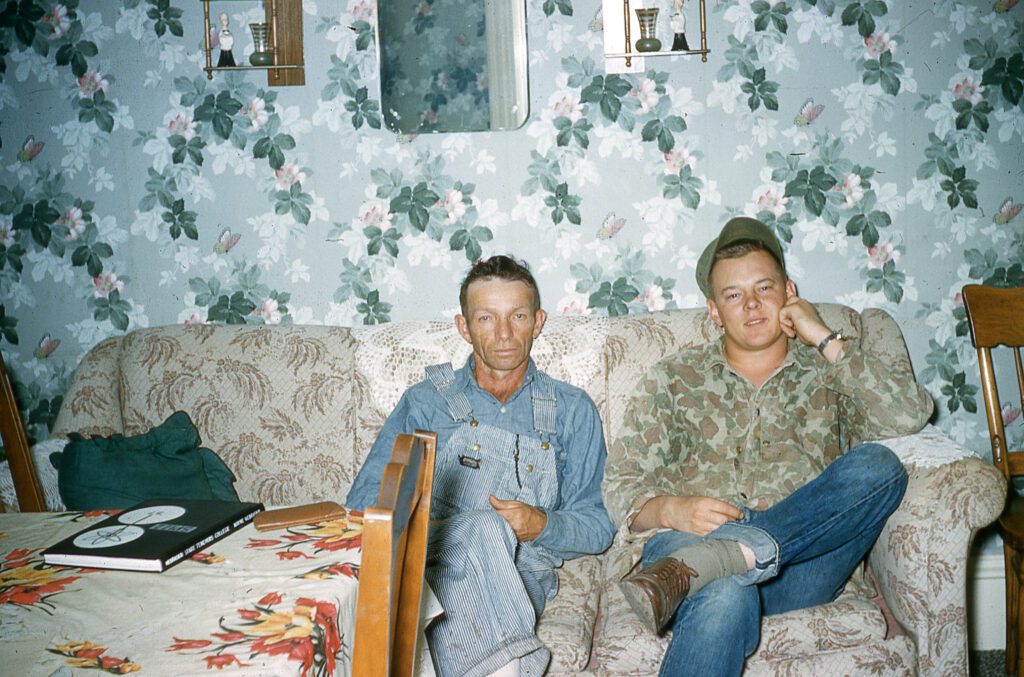
“You don’t want everything scanned and preserved,” she said. “There’s a story you want.”
Schillerstrom worked with one client who had multiple pictures without identification. She would ask other family members for names, only to learn no one knew them.
“It’s OK to let it go,” she said. “For me, personally, I kept those things because you never know. But it’s a personal mindset. Sometimes, it gets overwhelming. The client gets to decide.”
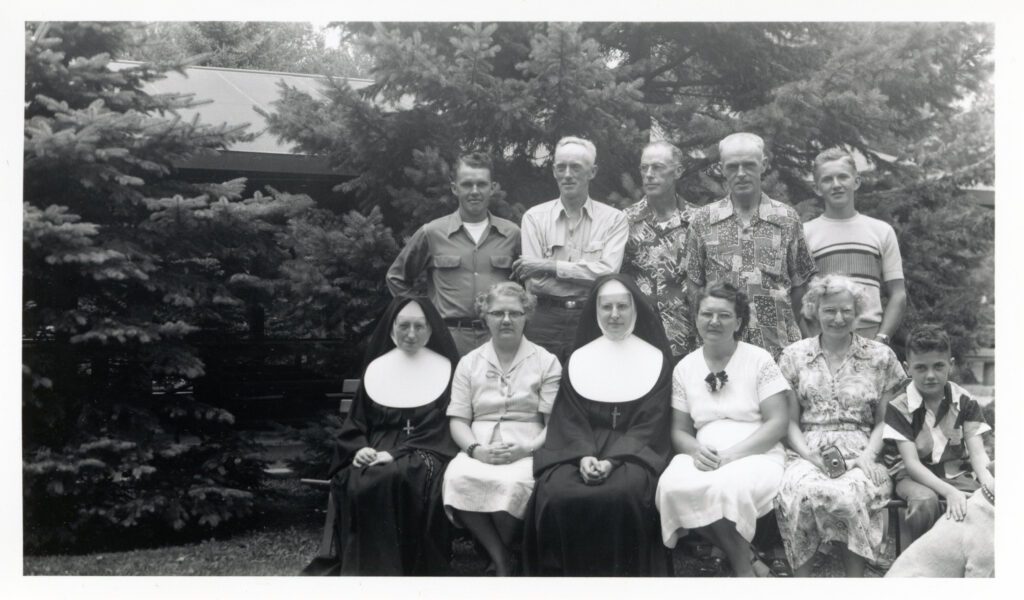
When Schillerstrom collaborates directly with a client, she learns family history. When she sorts through the items on her own, she learns what was important to the original photographer. Depending on how many generations the photos go back, she may see lots of outbuildings and small communities as newcomers settled into a new home.
If that 100-year-old barn means nothing to the photo’s current possessor, then there’s no need to retain it, at least in its original form.
Her clients can assign weight, in a philosophical form, to the photos, Schillerstrom said.
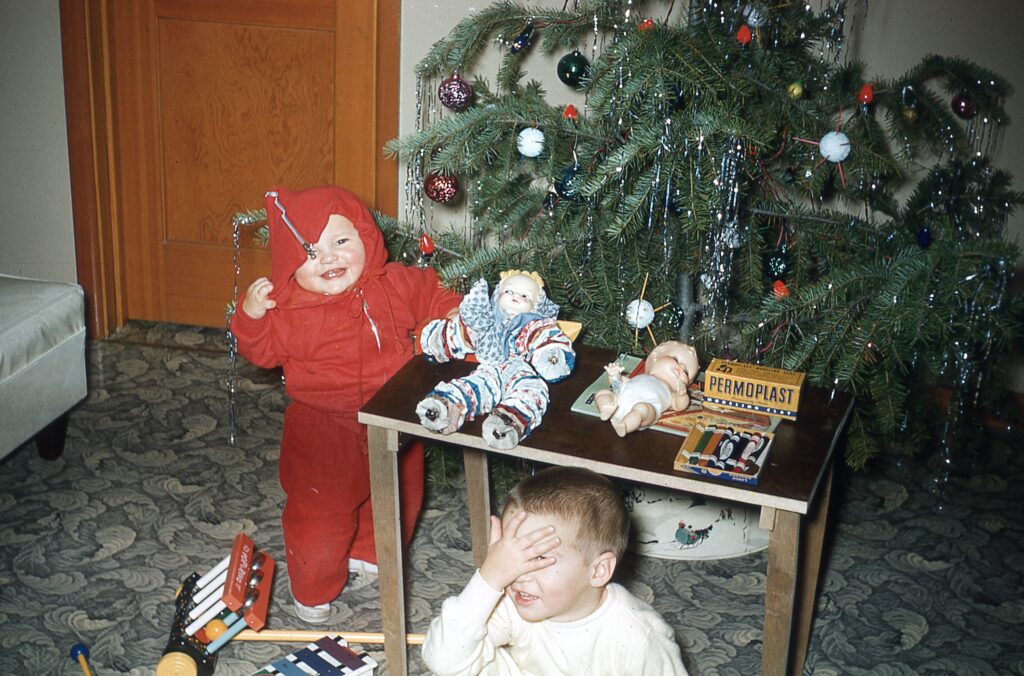
Before restoration
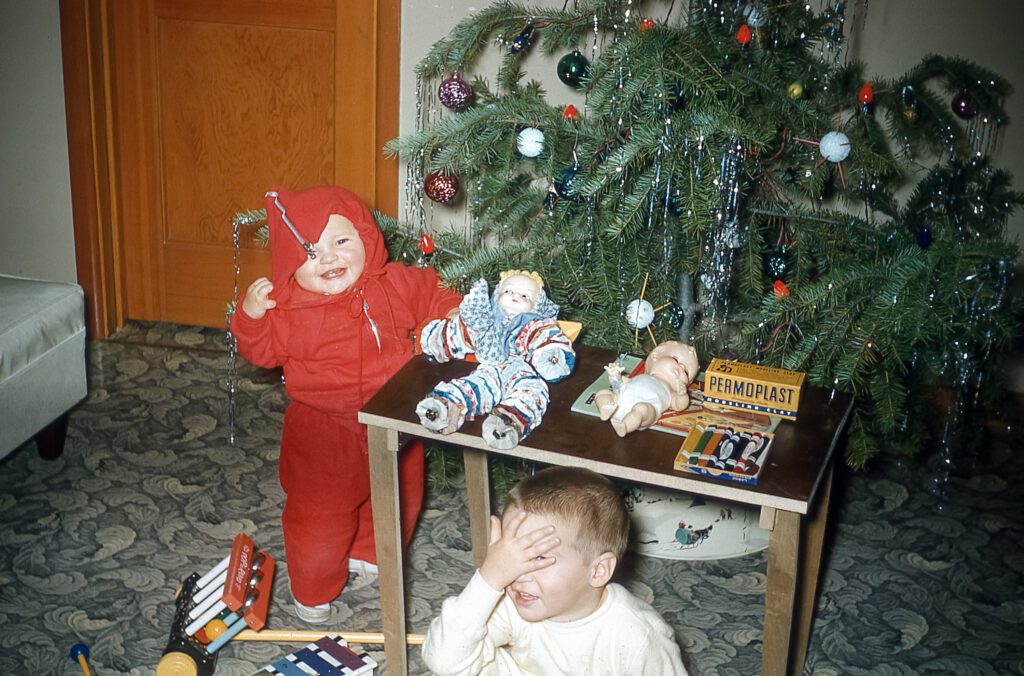
After restoration
“If it feels heavy, you don’t want that,” she said. “It should feel light. It should make you feel good about what you come from and what you have.”
“The end result was amazing — beautiful digital images that brought old memories back to life,” Emry said. “Seeing my mom as a teenager and my grandparents, aunts and uncles when they were so much younger was truly priceless. I’m so grateful to have these family moments preserved.”
Some of the photographs Schillerstrom has scanned end up framed on clients’ walls. Others end up on flash drives or on CDs, where they can be viewed on computers and laptops. Enlarging them on a computer screen means her clients can see details they might not be able to observe otherwise.
Schillerstrom named Aronel Archives using her middle name as the inspiration. Her grandmother’s name was Lenora; Schillerstrom’s mother reversed it to give her daughter a distinctive name.
Family stories like that can come up when sharing the scanned photos among other relatives. Schillerstrom hopes to pass her family history on to her teenage son, who already has used it for school projects, so he can feel its importance.
“He goes into the world, and he knows what his roots are,” she said.
Share This Story
Most Recent
Videos

Looking amazing @dtsiouxfalls and @washpav! Thanks to @jpickthorn for capturing an incredible night.
Nov 26

Enjoy this glow headed into Halloween week! 📸: @jpickthorn
Oct 31
Hope you had a wonderful summer weekend and are recharged for the week ahead! 📸: @jpickthorn
Jun 27
Beautiful way to start a week! 📸: @jpickthorn
Jan 10
Favorite flyover of the year! Merry Christmas from our entire @pigeon605news flock. 🎄🐦 📸: @actsofnaturephotography
Dec 24
They definitely deserve to be treated like holiday royalty and they were! ❤️ these scenes from tonight’s lighting celebration at @sanfordhealth Children’s Hospital. 🎄
Dec 1
The holidays are here! Perfect night @dtsiouxfalls
Nov 27
Happy Halloween from @avera_health NICU babies! Link in bio to see more! 🎃
Oct 31
Did you know @dtsiouxfalls is filled with 👻 stories? Link in bio … if you dare 😱
Oct 8
When it comes to kids parties nobody wants to be cookie-cutter. Link in bio for the story on what’s trending.
Sep 28
Want to stay connected to where you live with more stories like this?
Adopt a free virtual “pigeon” to deliver news that will matter to you.


Are you a little bird with something to share?
Delivering news that matters to you
Years ago, homing pigeons were used to bring us news we needed. Today, your virtual “pigeon” will deliver what you want to know about the place you call home.
All pigeons are free to good homes!
Our Partners