

Know the symptoms of gynecologic cancers
This paid piece is sponsored by Avera Health.
Gynecologic cancers are less common forms of cancer but still represent serious threats to a woman’s health as they can go unnoticed.
For example, Pap tests can find cancer in the cervix, but the reproductive system includes the uterus, fallopian tubes, ovaries and other organs. Successful screening tests for many of these do not exist.
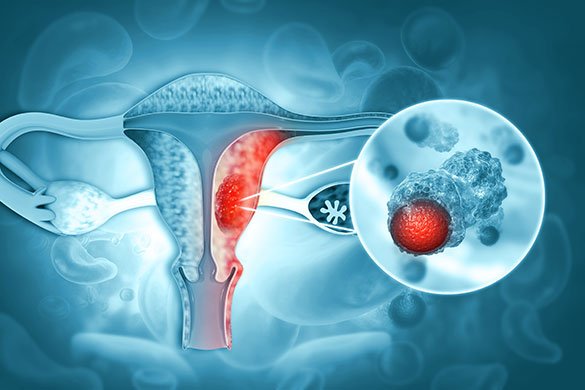
That’s why it’s important for all women to have yearly checkups and report troublesome symptoms, even if they seem vague.
“These cancers impact the lives of almost 100,000 people each year, but we don’t have the equivalent to screening mammograms and colonoscopies to catch most gynecologic cancers early,” said gynecologic oncologist Dr. David Starks, Avera Medical Group Gynecologic Oncology Sioux Falls.
Understanding the primary types of gynecologic cancers, as well as the signs that might lead you to a doctor, is a critical way to catch – and treat – cancer earlier. Timing can improve the possible outcomes.
Types of reproductive cancer
Starks said there are three main types of gynecologic cancers:
- Cervical cancers affect the cervix and nearby tissue. The human papillomavirus, or HPV, is the main cause of this cancer.
- Endometrial cancers affect the uterus, also called the womb. Sedentary lifestyles and obesity can increase risk, and many of these cancers are notable in people who begin menstruation early or have later menopause.
- Ovarian cancers affect the ovaries and fallopian tubes. While most of these cancers have no known cause, about 10 percent to 15 percent of them can be related to genetics and passed through families, such as people who have BRCA 1 and 2 genetic mutations. Ovarian cancers are most common in older women, after menopause. People carrying the BRCA mutation develop these cancers at earlier ages, with risk starting at 40.
Starks and his clinical team also treat vaginal and vulvar cancers, which are rare gynecologic cancers, as well as molar pregnancies, or gestational trophoblastic disease.
Common symptoms of gynecologic cancers
Gynecologic cancer can appear as vague signs or symptoms, making diagnosis tough. Signs include:
- Unusual bleeding, especially in post-menopausal patients.
- Discomfort in the pelvic area, including long-lasting abdominal pain or cramps.
- Recurring or worsening constipation.
“Unfortunately, these signs are easy to ignore,” Starks said. “That can make them harder to find before they have time to spread.”
Symptoms may be mistaken for a urinary tract infection or other less-concerning issue before a diagnosis is made.
If you feel unsure, pursue the matter with your primary doctor or see a gynecologist if the symptoms don’t improve. “It’s better to have a false alarm than to ignore signs,” Starks said.
How to reduce the risk of gynecologic cancers
These steps help reduce the risk of cancer affecting the reproductive system:
- Get the HPV vaccine between age 11 and 26.
- Get regular Pap tests as recommended, based on your age.
- Avoid high-risk sexual behavior.
- Avoid tobacco use.
- Follow a healthy lifestyle that includes diet, exercise and regular exams.
While there are few successful screening tools for gynecologic cancers, one success has been in cervical cancer. During the past 50 years, Pap tests used regularly have led to a 75 percent reduction in cervical cancer deaths in the United States. Precancerous lesions that would form cervical cancer are found and treated, stopping the threat.
In addition, Starks said vaccination provides protection.
“HPV vaccine is an evidence-based tool that has been shown to prevent chronic HPV infection of the cervix, thus stopping the formation of precancerous lesions,” he said. “However, it requires about 70 percent of the population to receive the vaccine.”
Remember, get the screenings you can, and report symptoms early.
“The sooner we can detect it, the sooner we can start treatment and management, and hopefully the better the outcome,” Starks said.
Get more wellness tips at Avera.org/Balance.
Share This Story
Most Recent
Videos



Looking amazing @dtsiouxfalls and @washpav! Thanks to @jpickthorn for capturing an incredible night.
Nov 26

Enjoy this glow headed into Halloween week! 📸: @jpickthorn
Oct 31
Hope you had a wonderful summer weekend and are recharged for the week ahead! 📸: @jpickthorn
Jun 27
Beautiful way to start a week! 📸: @jpickthorn
Jan 10
Favorite flyover of the year! Merry Christmas from our entire @pigeon605news flock. 🎄🐦 📸: @actsofnaturephotography
Dec 24
They definitely deserve to be treated like holiday royalty and they were! ❤️ these scenes from tonight’s lighting celebration at @sanfordhealth Children’s Hospital. 🎄
Dec 1
The holidays are here! Perfect night @dtsiouxfalls
Nov 27
Happy Halloween from @avera_health NICU babies! Link in bio to see more! 🎃
Oct 31
Did you know @dtsiouxfalls is filled with 👻 stories? Link in bio … if you dare 😱
Oct 8
When it comes to kids parties nobody wants to be cookie-cutter. Link in bio for the story on what’s trending.
Sep 28
Want to stay connected to where you live with more stories like this?
Adopt a free virtual “pigeon” to deliver news that will matter to you.





Are you a little bird with something to share?

Delivering news that matters to you
Years ago, homing pigeons were used to bring us news we needed. Today, your virtual “pigeon” will deliver what you want to know about the place you call home.
All pigeons are free to good homes!
Our Partners