From small beginnings, Friends of Big Sioux matures into bigger player in area water quality
A grassroots effort started by local volunteers has turned into an influential player in efforts to improve the Big Sioux River.
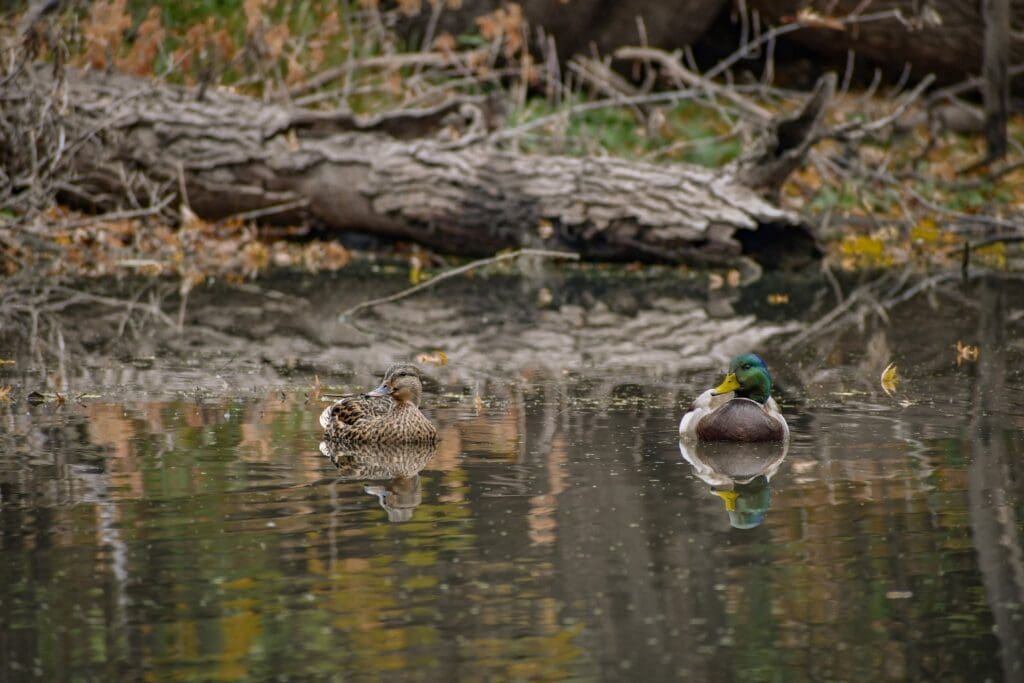
Its accomplishments include river restoration, water-quality monitoring, the creation of floating islands and public policy and advocacy.
An essential focus of the Friends of the Big Sioux River, said executive director Travis Entenman, is educating the area’s youngest residents. If he could save funding in only one area, he said, it would be that.
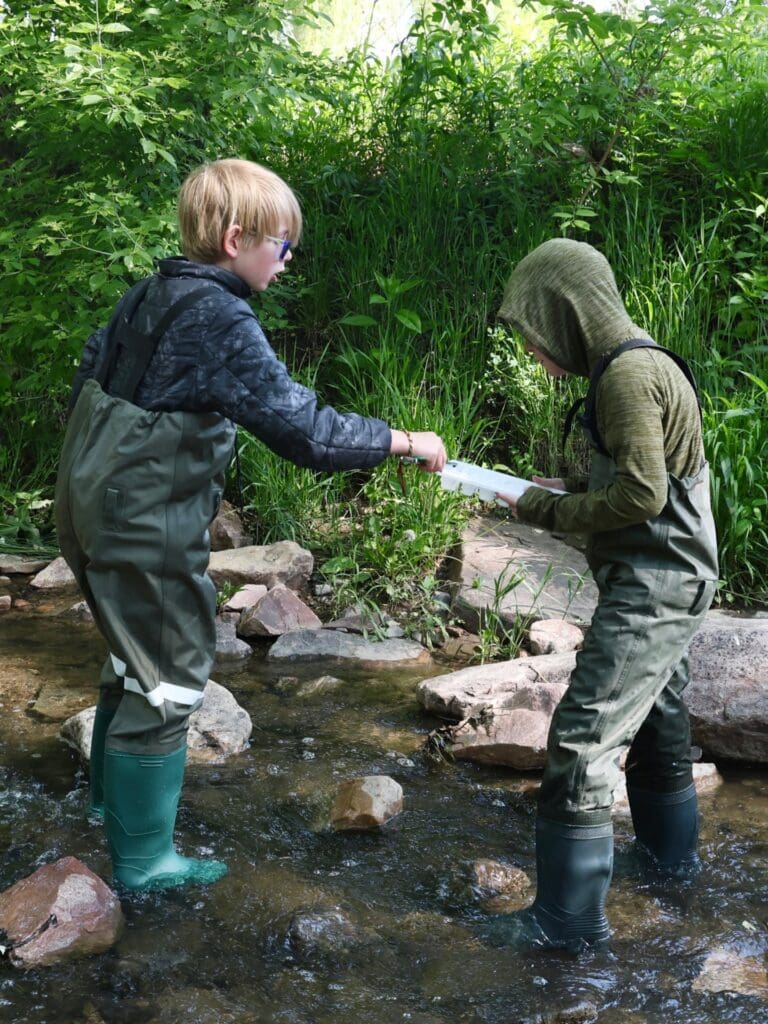
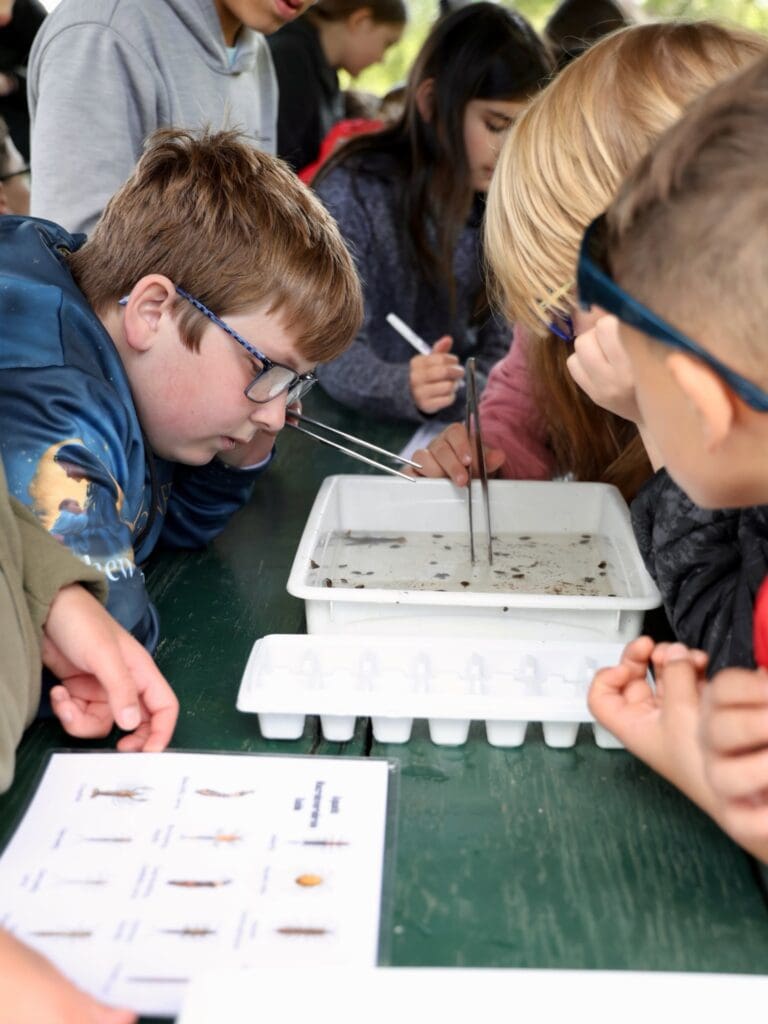
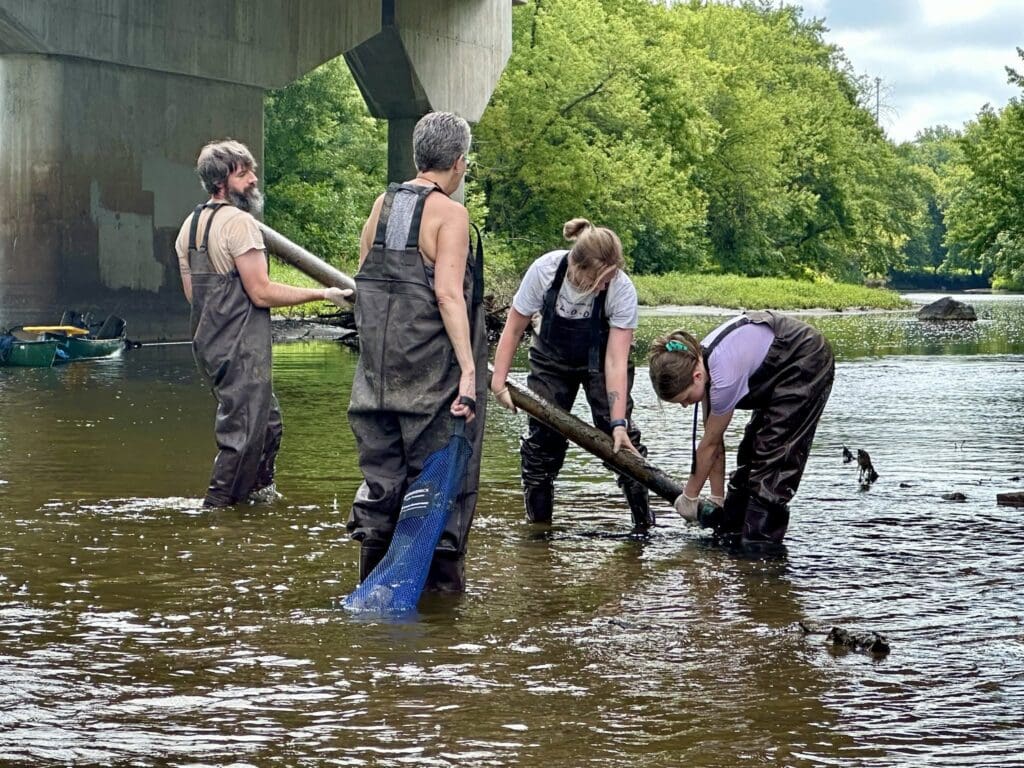
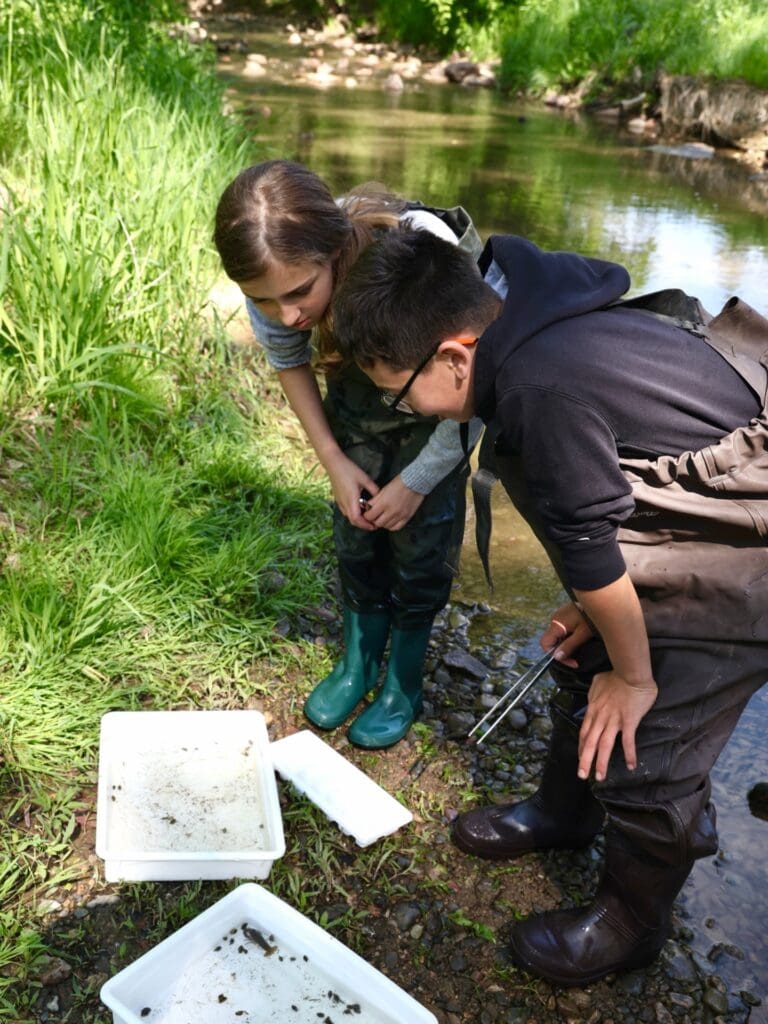
“We’ve seen the impact we can have in schools,” Entenman said. “We do a lot of K-12 and college-level education. … A handful of years ago, we purchased equipment like waders and nets and fun stuff. We take kids out and go in the river in waders and look for macroinvertebrates. Those are signifiers of a healthy system.”
In the summer, FBSR spends two days every other week at YMCA Camp Leif Ericson, leading kids in hunts for crawdads, clamshells and other river creatures. Some participants have never been in a river before, Entenman said.
This past spring, FBSR partnered with the Teen Lead Foundation, an organization that works with children using leadership guides and conservation materials.
But as someone who grew up in the Brandon area, Entenman understands most adults have two questions: How polluted is the Big Sioux River, and what is being done about it?
The answer to the first question is complex. FBSR’s roots go back to 2011 when Dana Loseke and fellow Sierra Club members toured the site that now is known as Good Earth State Park at Blood Run. They heard the park manager caution kayakers not to drink the water.
He then told them that the Big Sioux was the 12th dirtiest river in the country. The water at the five state parks within 30 miles of Sioux Falls was so contaminated that it could not be used safely for recreation.
It was a challenge. And it was accepted.
In the years since then, Friends of the Big Sioux River has gained the respect of other groups that share similar goals.
“It’s a great partnership. They are a major partner and sponsor of the river cleanup in the spring, and recently they competed for one of our sustainability grants and were awarded one to focus on clean water,” said Mark Cotter, who oversees Sioux Falls’ Public Works Department.
“The overarching theme is we have a great relationship with them. I think a lot of times we’ll focus on water quality in or adjacent to Sioux Falls, and an organization like that can go from Watertown to Elk Point and truly make an impact.”
To build enthusiasm in those early years, the organizers used the phrase “swimmable by 2025.” That hasn’t happened, Entenman said, but measurable progress has been made.
“The river is slowly improving year over year,” said Entenman, who joined FBSR as a volunteer board member in 2017 and became director two years later.
“The big thing is we do water testing or sample collection in partnership with the state of South Dakota. They can use our samples for their regulatory purposes and use them for trend analysis.”
The Big Sioux is broken into sections with each one given a designated use such as swimming, boating or livestock. The majority are designed as swimmable or limited contact such as fishing.
Testing has determined that, as far as drinking the water, 75 percent to 80 percent remains impaired. What that grading system doesn’t allow for is nuance, Entenman said.
It’s that “nuance” that gives the grassroots, community organization the drive to keep going.
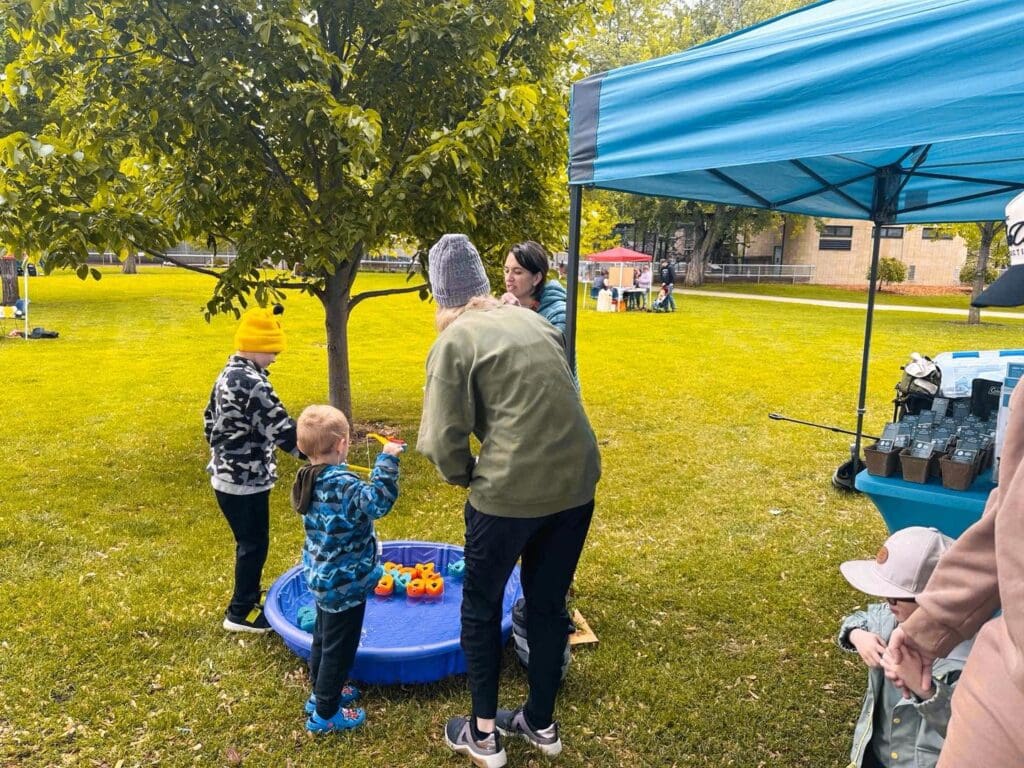
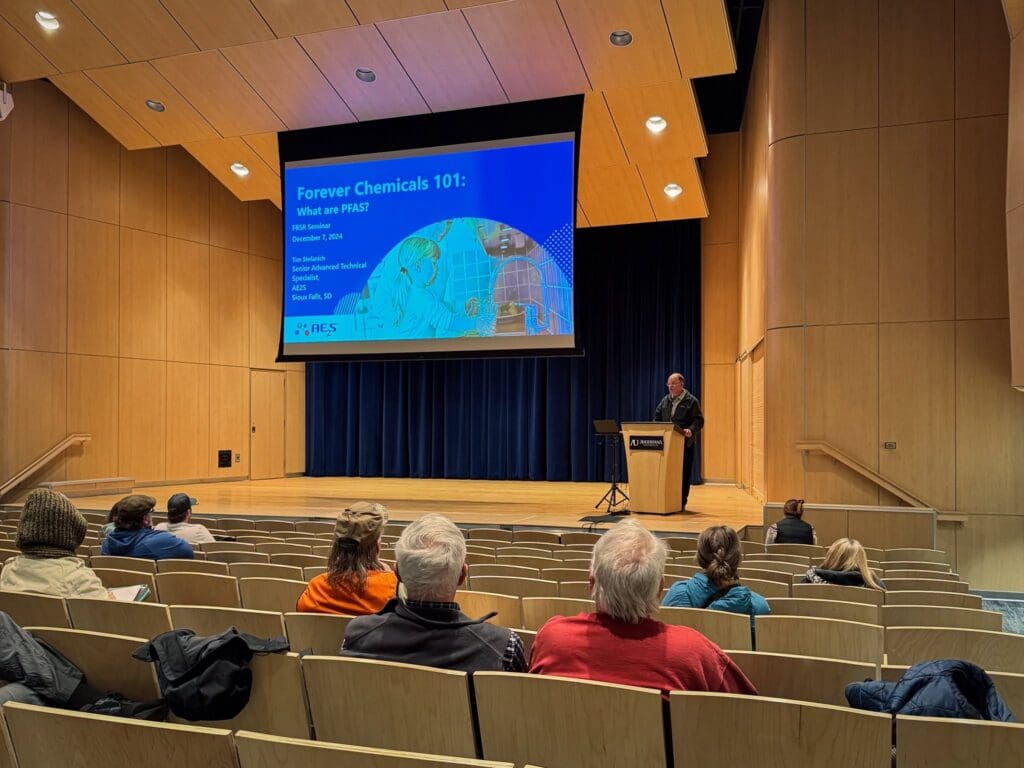
“We do a lot of community-based education and events and awareness, trying to meet people where they are,” Entenman said. “Like Riverfest, working in classrooms with teachers in the school district, community talks. We’ve built our reputation over the years. Year over year, we see our presence increase and people familiar with us. We try to work within the community and be engaged in different aspects.”
The city often will host a booth at FBSR events and considers it valuable to have a nonprofit locally that advocates for water quality, Cotter said.
The apathy that once surrounded the Big Sioux and its future is dissipating, Entenman said. More people understand what an asset the river is to the community and have made water quality a priority.
The difficult part is that it takes a long time to see impactful results.
“One landowner might be doing everything beneficial, but the neighbor is doing nothing,” Entenman said. “Ultimately, it will take the majority of the watershed putting changes in practices before we see that change.”
The South Dakota Legislature has helped in recent years. About five years ago, several million dollars were designated for cleaning up the Big Sioux. In the most recent legislative session, $10 million was authorized for statewide programs.
Individuals implement water-quality practices, collaborating with partners such as the U.S. Department of Agriculture’s federal conservation arm. Assistance also comes from groups as diverse as the South Dakota Soil Health Coalition, Ducks Unlimited, Pheasants Forever and conservation districts.
As an advocacy and education group, FBSR offers the knowledge and tools to implement water-quality practices, but the individual must choose to act.
The good news: There’s a huge demand from private landowners, Entenman said. The bad news: The demand far exceeds the available resources.
One area where the FBSR made a visible change is Covell Lake in Sioux Falls. Floating eco-islands are platforms filled with native plants. When placed in a body of water, the plant roots help filter and clean the water, create habitats for aquatic species and add biodiversity.
Last week, FBSR removed the islands it placed in Covell Lake in 2025. It is now redesigning them with plans for a relaunch next spring.
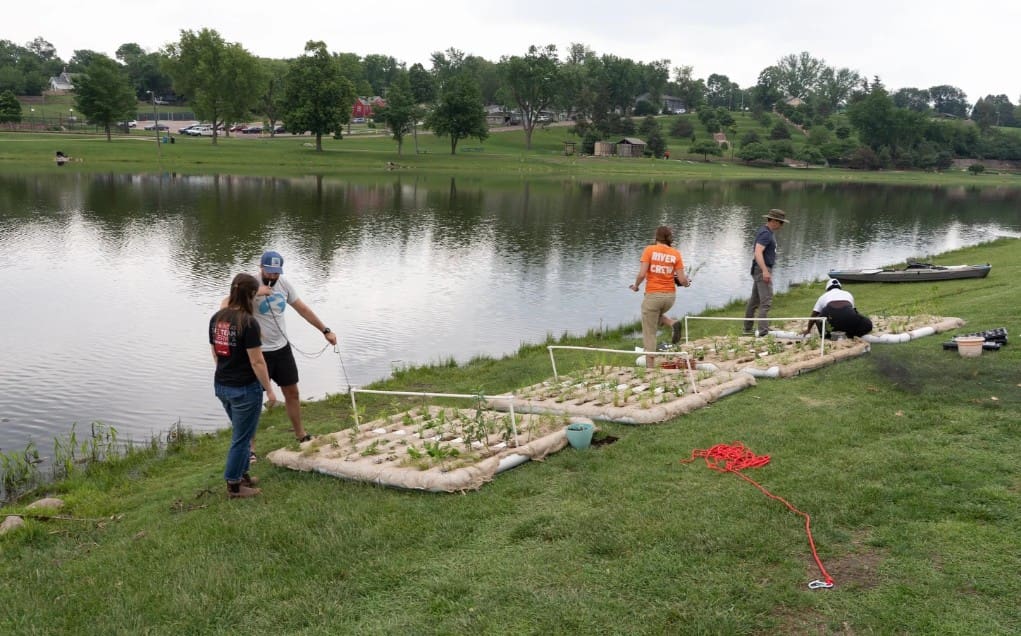
The native plants and flowers on the Covell Lake floating islands included sedges, milkweed, prairie coreopsis and prairie blazing star. In that year of existence, FBSR determined which plants did and did not do well in that environment and what to do to improve the structure, Entenman said.
FBSR’s goal is to be a piece of the large puzzle in improving the river and bringing education and awareness to those who use the river and those who don’t.
“We essentially chose to have a water body like this,” Entenman said. “It wasn’t always like this. We saw a need and an issue around water. Our goal is to work ourselves out of a job because we’ve solved the issue. But that will be a long time down the road.”
People must understand where the water they drink, that comes through the pipes, that they fish in and boat on comes from, he said. They need to realize that individually they have an impact.
“We have the water quality we choose to have,” Entenman said. “That this is what the watershed wants — but I don’t believe that’s the case. We have to make decisions.”
Upcoming event
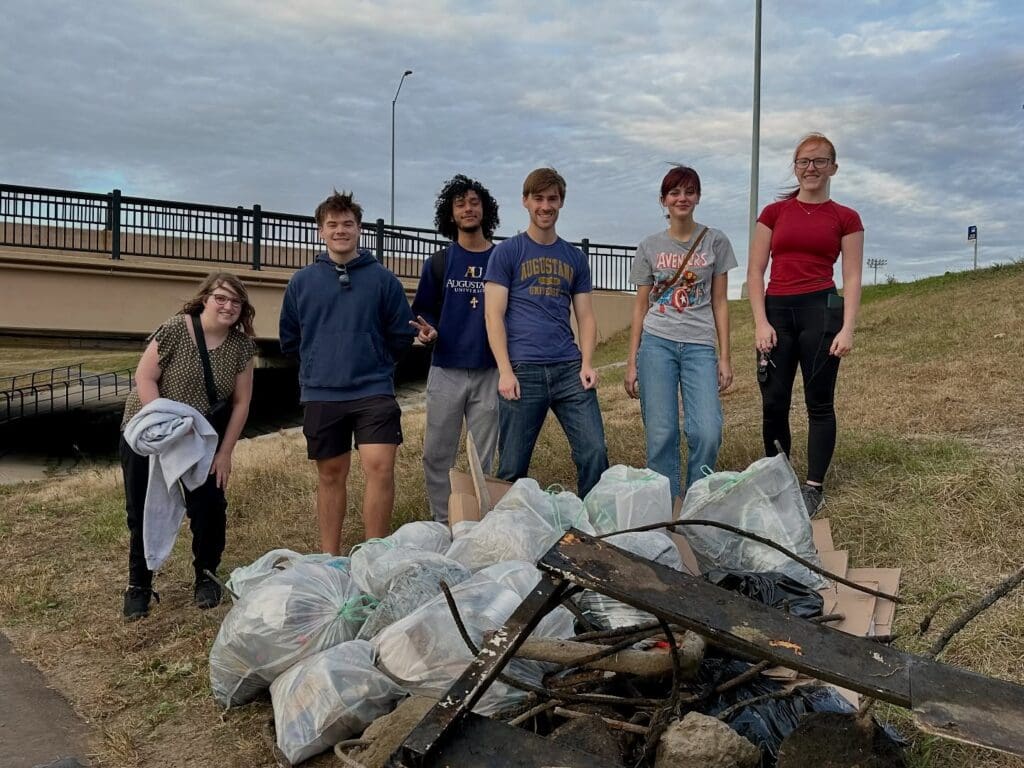
Sioux Empire Paddlers and Friends of the Big Sioux River will host a community river cleanup from 10 a.m. to noon July 11. Participants will start at 41st Street near the Olive Garden restaurant and travel to Farm Field Park, picking up trash along the way. Sioux Empire Paddlers will provide canoes to collect the trash. Wear clothing and shoes that can get wet and dirty.
Friends of the Big Sioux River will provide garbage bags, gloves and a limited number of waders. Following the cleanup, a free picnic lunch will be served. RSVP for the event on Facebook or email [email protected] so FBSR has an accurate count for lunch.
Share This Story
Most Recent
Videos



Looking amazing @dtsiouxfalls and @washpav! Thanks to @jpickthorn for capturing an incredible night.
Nov 26

Enjoy this glow headed into Halloween week! 📸: @jpickthorn
Oct 31
Hope you had a wonderful summer weekend and are recharged for the week ahead! 📸: @jpickthorn
Jun 27
Beautiful way to start a week! 📸: @jpickthorn
Jan 10
Favorite flyover of the year! Merry Christmas from our entire @pigeon605news flock. 🎄🐦 📸: @actsofnaturephotography
Dec 24
They definitely deserve to be treated like holiday royalty and they were! ❤️ these scenes from tonight’s lighting celebration at @sanfordhealth Children’s Hospital. 🎄
Dec 1
The holidays are here! Perfect night @dtsiouxfalls
Nov 27
Happy Halloween from @avera_health NICU babies! Link in bio to see more! 🎃
Oct 31
Did you know @dtsiouxfalls is filled with 👻 stories? Link in bio … if you dare 😱
Oct 8
When it comes to kids parties nobody wants to be cookie-cutter. Link in bio for the story on what’s trending.
Sep 28
Want to stay connected to where you live with more stories like this?
Adopt a free virtual “pigeon” to deliver news that will matter to you.



Are you a little bird with something to share?
Delivering news that matters to you
Years ago, homing pigeons were used to bring us news we needed. Today, your virtual “pigeon” will deliver what you want to know about the place you call home.
All pigeons are free to good homes!
Our Partners