

From all walks of life, new volunteers are drawn to shared mission for kids
This piece is sponsored by Sioux Falls CASA.
For more than three decades, Dave Hunhoff served as a county sheriff. He completed his career spending seven years in security at the University of Sioux Falls.
Now, eight years into retirement, he had some spare time and wanted to do volunteer work that benefited the community.
“I have a lot of empathy for children who didn’t have the opportunity to be brought up in a loving and supporting family, so I looked for something that might allow me to work with kids,” he said. “CASA seemed to fit what I am looking for.”
Cindy Dwyer’s public service spans from teaching kindergarten to supporting South Dakota’s congressional delegation.
“I had the honor of working for four of the best senators to have ever served, and each taught me about service,” she said. “My parents are gone, and I have time, energy and a willingness to make the world I live in better. I’m excited about making a difference. Making a child’s life better.”
For Sue Clausen, connecting with Sioux Falls CASA also is the next step in a career of helping others. She retired in 2018 from the University of Washington as associate vice president for medical affairs and chief compliance officer after previously helping lead compliance and equal opportunity at the University of Kansas Medical Center and Western Washington University.
“I spent much of my career advocating for justice, human rights and fairness,” she said.
“In my academic leadership roles, I fought to protect the rights of women, minorities, persons with disabilities, patients and research subjects. As a FEMA reservist, I was deployed as the equal rights officer responsible for ensuring fair and equal treatment of disaster victims. It’s part of my DNA.”
After returning to Sioux Falls to help care for her parents, she continued helping vulnerable populations through other nonprofits and arrived at a point when she felt she could make a solid commitment to CASA.
“I applied because I wanted to use my time in a meaningful way and believed I could effectively advocate for a child’s well-being,” she said.
Sioux Falls CASA, or Court Appointed Special Advocates, essentially serves as the eyes and ears of the court for children who are part of abuse and neglect cases.
Volunteers are assigned a case and meet regularly with the family involved, writing and filing reports that the court takes into consideration when deciding the best living situation for the children.
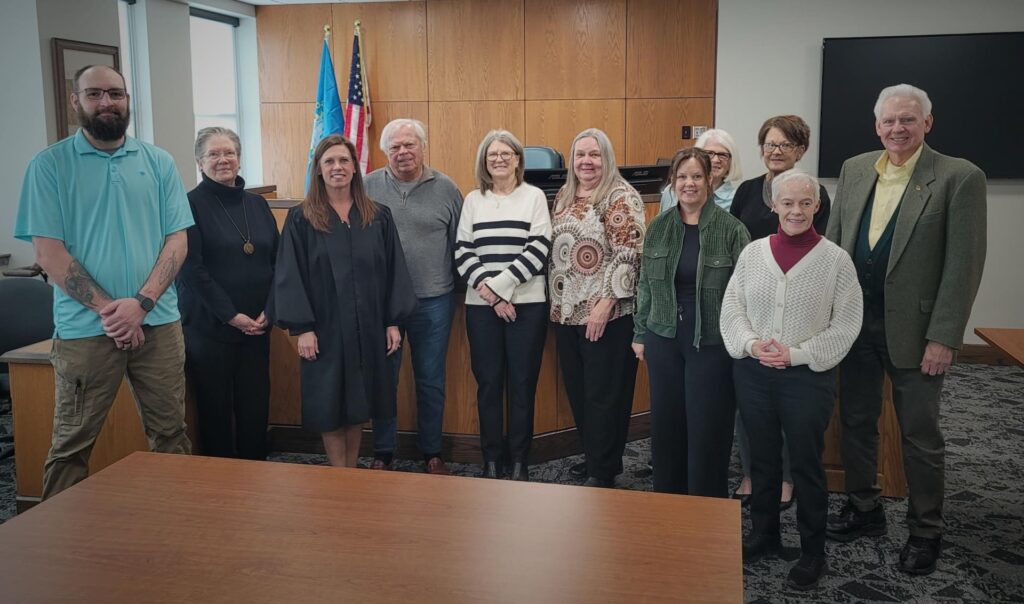
These three volunteers are part of the latest group to be trained for this critical community role.
Becoming a volunteer
Most people learn about CASA, then fill out a form online to express an interest in potentially volunteering. “We had an incredible response to our last call for volunteers,” said Heather Miller, director of volunteer engagement and impact at Sioux Falls CASA.
“The form comes directly to me, and I will email out additional information about becoming a CASA volunteer along with our application,” Miller said.
“Once the application is received, we coordinate a time for the potential volunteer to come in for an interview. The interview is also a great opportunity to learn even more about the CASA program and the role of the volunteer.”
Volunteers bring many motivations for wanting to give their time.
“In my former career, I’ve seen many bad, sometimes tragic, incidents involving children,” Hunhoff said. “I hope to make a meaningful difference in some of these children’s lives. I hope to be an inspiring and supportive person to those who haven’t had a good reason to be optimistic about life so far.”
Training for volunteers is 30 hours, which is mandated by CASA’s national organization. In Sioux Falls, it’s spread over four days or two weekends.
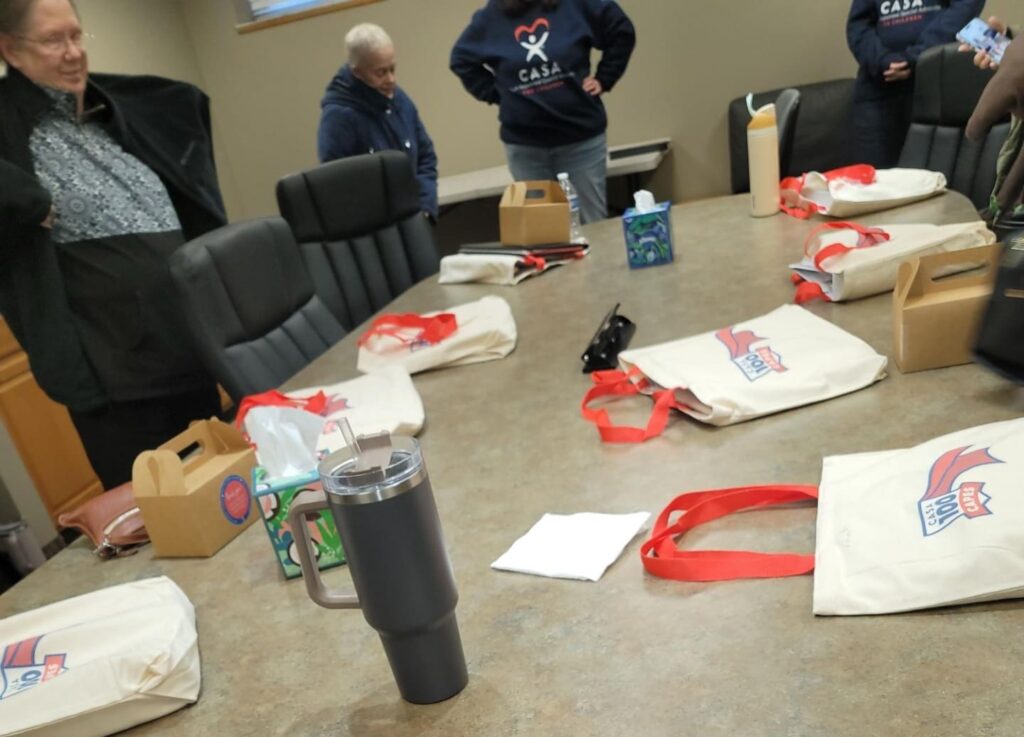
“We bring in speakers from agencies that our volunteers will be working with to help them get a better understanding of the whole picture,” Miller said.
“We also go through several real-life scenarios volunteers may encounter while working with their families. One thing we always emphasize to our volunteers is that they are never alone on this journey. They will always have the support and guidance of their advocate supervisor. This is about the lives of children, and we are committed to doing everything we can to help you be the best advocate possible.”
The service is crucial: There are 85 active Sioux Falls CASA volunteers, and on average 150 children waiting for a CASA volunteer.
“Our training class consisted of a wide range of persons from all walks of life,” Hunhoff said.
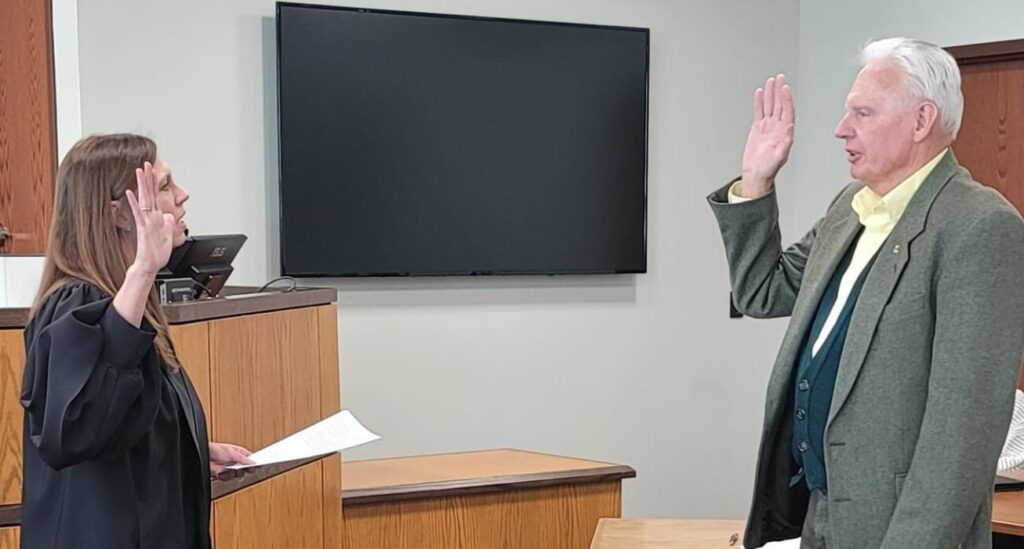
“If you have a little spare time and are empathetic to persons who are facing problems in their lives and you believe that the children in these circumstances deserve an opportunity to live happy successful lives, you should consider being a CASA volunteer. No other requirements are necessary.”
The training was organized, fun and easy, he said.
“Getting to know the other ‘trainees’ was enjoyable. The CASA staff are very helpful and went out of their way to make the training sessions comfortable,” he said.
“Much of the training was geared toward an understanding of what some unfortunate segments of our community are going through. There was an interesting session where we would defend positions that we didn’t necessarily agree with, the goal being to learn to put ourselves in the other person’s shoes. We also spent a day learning from current child advocates about their experiences, which was very helpful.”
Clausen said she found the training less formal and more interactive than she expected — meaningful, thorough and comfortable.
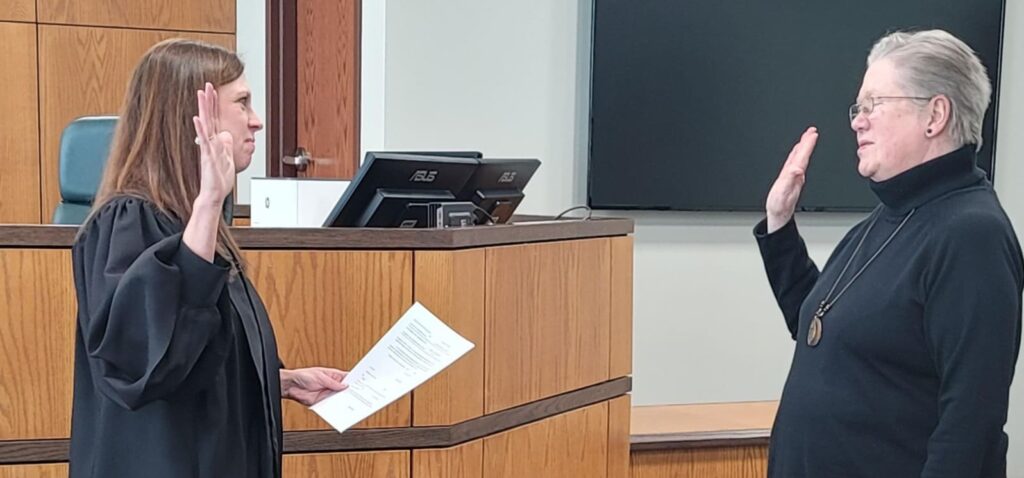
“I finished the training accepting that I didn’t know everything but knew I would be supported by competent staff,” she said.
“The team did a masterful job of presenting statistics, history, anecdotes and unyielding realities that provided me with much-needed context, not having lived in this state or worked in this field of advocacy for much of my professional career. It will serve as the cornerstone for my personal foundation of awareness and compassion as a CASA volunteer.”
Clausen also appreciated hearing from individuals representing related programs and agencies who were “candid about the complexities, challenges and rewards of their work,” as well as the “positive energy, collective knowledge and respect the team brought to this training.”
For Dwyer, the training was a chance to put a human face and cost to issues such as poverty and to reexamine any preconceived notions she might bring to the role.
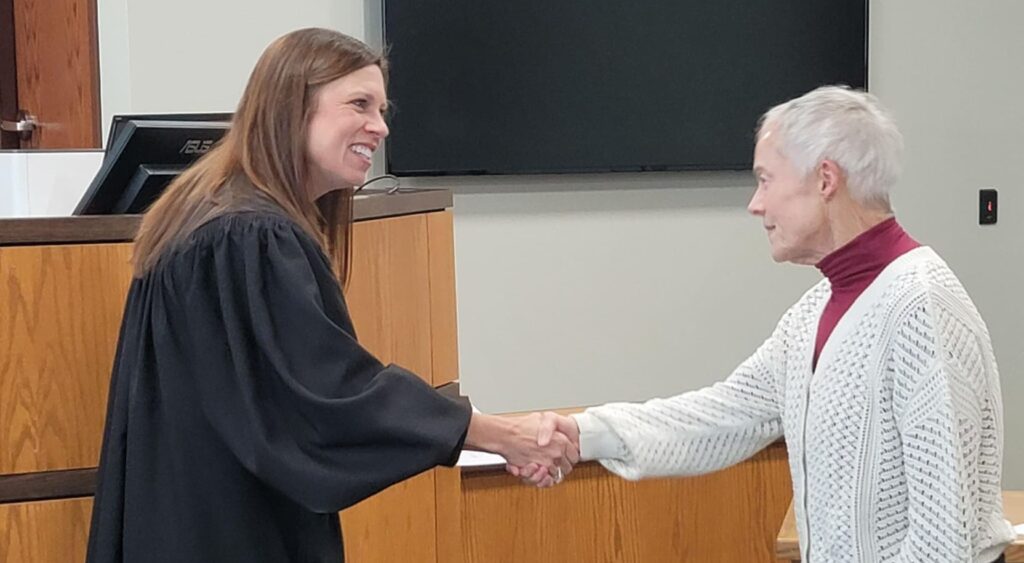
“It forced us to think more critically,” she said. “And we learned the CASA staff will be with us every step of the way as we begin our own journeys into uncharted territories.”
Next steps
The volunteers who have just completed training are meeting with their advocate supervisor to decide on a case that best suits them.
“We do our best to assign new volunteers to cases with one or two children,” Miller said.
“We also ask the volunteers what age group they think they would work best with and try to accommodate them as best we can. Once they have decided on a case, our office requests their order of appointment from the judge. This is the legal document that grants our volunteers the ability to gather information about the family they are working with. Once that paperwork is received, our volunteers get to work advocating for the children on their cases.”
Clausen said she’s looking forward to returning to a role in which she has direct contact with the people at the center of her work.
“One of the most rewarding aspects of my career was working directly with victims of discrimination, harassment, fraud and misconduct,” she said.
“As a CASA volunteer, I look forward to personally engaging with the children, building their trust and serving as their spokesperson to the court. I haven’t had much experience protecting the rights of children, who are arguably the most vulnerable among us, so I’m looking forward to that.”
While Dwyer didn’t have expectations going into the volunteer role, “what I discovered at CASA was passion, knowledge, experience and an unending desire to make a child’s life better,” she said.
“The staff and seasoned volunteers are amazing. I’m eager to see where this takes me and if I can make a difference.”
To learn more
If you’re considering becoming a CASA volunteer, you must be at least 21 years old and pass a thorough background check.
Volunteers come from diverse backgrounds, but the common thread is “they all want what is best for the children and families they work with,” Miller said.
“The perfect candidate is someone who will make this a priority in their lives and commit to seeing the case through until the end.”
The next training begins April 17.
To learn more about becoming a CASA volunteer, start online here, or email [email protected].
Share This Story
Most Recent
Videos



Looking amazing @dtsiouxfalls and @washpav! Thanks to @jpickthorn for capturing an incredible night.
Nov 26

Enjoy this glow headed into Halloween week! 📸: @jpickthorn
Oct 31
Hope you had a wonderful summer weekend and are recharged for the week ahead! 📸: @jpickthorn
Jun 27
Beautiful way to start a week! 📸: @jpickthorn
Jan 10
Favorite flyover of the year! Merry Christmas from our entire @pigeon605news flock. 🎄🐦 📸: @actsofnaturephotography
Dec 24
They definitely deserve to be treated like holiday royalty and they were! ❤️ these scenes from tonight’s lighting celebration at @sanfordhealth Children’s Hospital. 🎄
Dec 1
The holidays are here! Perfect night @dtsiouxfalls
Nov 27
Happy Halloween from @avera_health NICU babies! Link in bio to see more! 🎃
Oct 31
Did you know @dtsiouxfalls is filled with 👻 stories? Link in bio … if you dare 😱
Oct 8
When it comes to kids parties nobody wants to be cookie-cutter. Link in bio for the story on what’s trending.
Sep 28
Want to stay connected to where you live with more stories like this?
Adopt a free virtual “pigeon” to deliver news that will matter to you.



Are you a little bird with something to share?

Delivering news that matters to you
Years ago, homing pigeons were used to bring us news we needed. Today, your virtual “pigeon” will deliver what you want to know about the place you call home.
All pigeons are free to good homes!
Our Partners