
Championing inclusion: How we all can support individuals with disabilities
This paid piece is sponsored by DakotAbilities.
In February 1987, three years before the Americans With Disabilities Act was passed into law, President Ronald Reagan proclaimed March as National Developmental Disabilities Awareness Month to increase public awareness of the needs and the potential of Americans with developmental disabilities.
He wrote in his proclamation, “For many people with developmental disabilities, there is now the prospect of a brighter future and greater opportunity. Americans are becoming increasingly aware that such disabilities need not keep individuals from realizing their full potential in school, at work or at home, as members of their families and of their communities.”
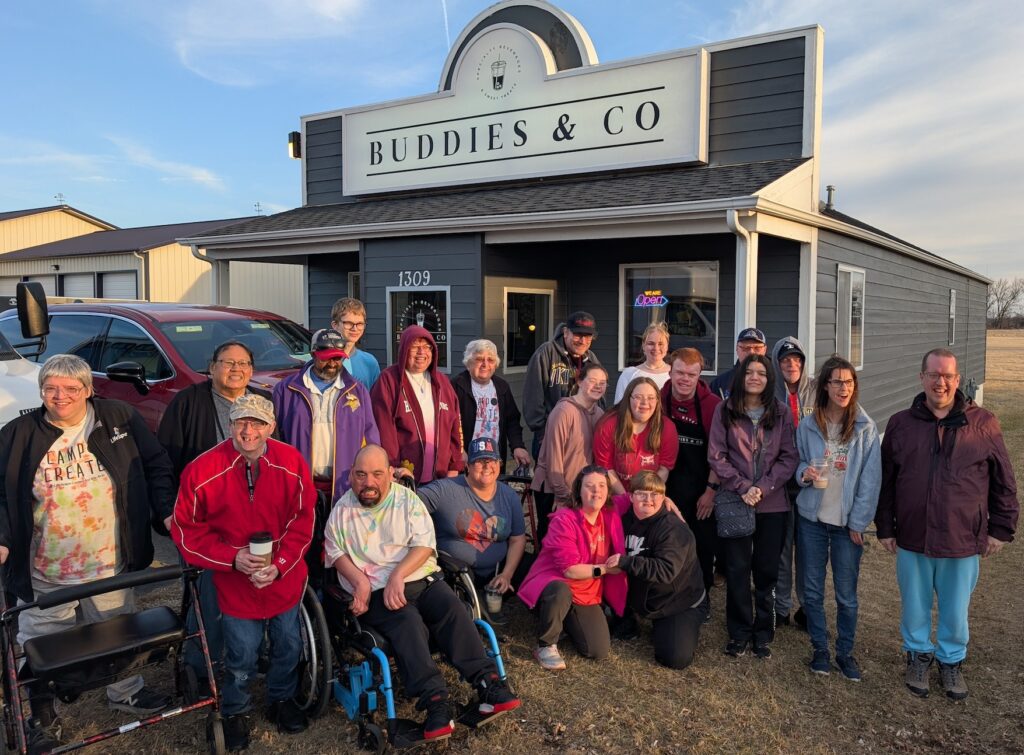
Thirty-eight years later, Developmental Disabilities Awareness Month still aims to foster a culture where individuals of all abilities are valued and included in all areas of life, including education, employment, health care and public places. It starts with letting go of stigmas and focusing on the person with understanding and respect.
“We can all keep this conversation front and center; it’s as important today as it was 38 years ago and probably more so,” said Joe Dvorak, director of day services at DakotAbilities. “Simple acts of kindness such as reaching out, asking and listening instead of assuming, and offering support can make a significant difference in someone’s life.”
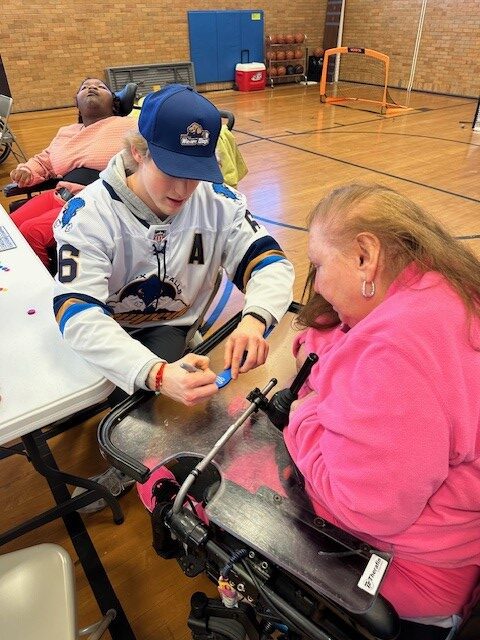
“People-first language is one of the first things I became aware of and adapted when I joined DakotAbilities,” said Shelly Johnson, director of development. “It’s also one of the first things I bring up in interviews and conversations with friends and new co-workers. People-first language emphasizes the person, not the disability. It’s a seemingly small change with a big impact.”
An easy example of people-first language is “people with disabilities” rather than “disabled people.”
“Every person is unique. Their abilities and disabilities are part of who they are. See the person, not the disability, is the best advice I can give.”
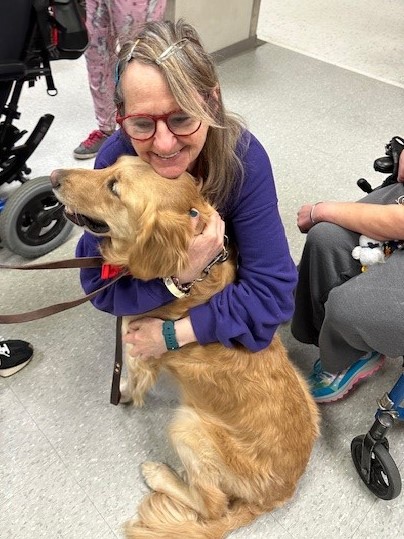
“Meeting and interacting with people with disabilities is just like any other relationship — you gravitate to the people you have the most in common with and who you can share a laugh with,” Johnson said.
“For example, I had no idea who Jelly Roll was, but in my conversations with Andrew, a person supported who shares my love of music, I was schooled on Jelly Roll and Metallica. That’s just one example. We hear from employees and volunteers all the time just how much their relationships with people supported mean to them.”
When meeting someone with a disability:
- See the person first.
- Learn about the person by taking an interest in who they are.
- Listen.
- Promote independence.
- Promote inclusivity.
What the future holds
As part of DakotAbilities’ five-year outlook, the organization is addressing the need for expanded day services programs, particularly for those who recently have graduated from special education programs.
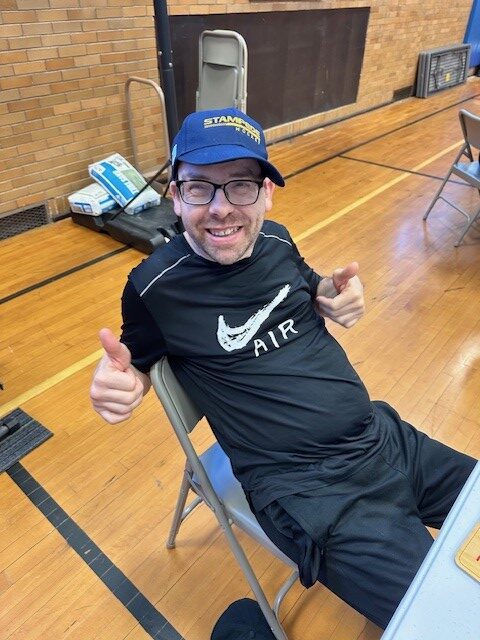
Many young adults with developmental disabilities face challenges transitioning out of school because supports that were available during their K-12 education may no longer be accessible. Expanding day programs will provide essential services such as job training, social engagement, skill-building and community involvement — all of which help individuals lead fulfilling and independent lives.
One example is a cooperative effort with Lutheran Social Services to present a series of financial literacy and management classes.
Classes for adults supported by DakotAbilities are being held this month and in April, covering topics such as Supermarket Survival, Money Smarts, Spending Plans for the Budget Savvy, Fighting Fraud and Protecting Yourself from ID Theft, and Finding and Keeping the Job You Want.
“This is an exciting opportunity for people living in supported apartments or wanting to achieve that goal at some point,” said Heather Craig, education and support manager.
“Our population is growing and with that is the need to constantly revisit and evaluate what we can do for adults with disabilities to ensure each person lives their life to their greatest potential,” added Nathan Stallinga, executive director.
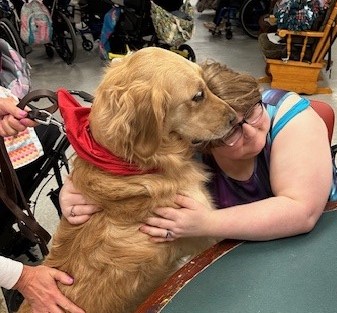
“From what accessible housing looks like now as compared to 10 years ago, to how we approach nursing care and how we advocate for people with disabilities, our mission of creating a warm and welcoming community enriching the lives of those we support remains at the forefront of all we do.”
To learn more about DakotAbilities, go to dakotabilities.org.
Share This Story
Most Recent
Videos


Looking amazing @dtsiouxfalls and @washpav! Thanks to @jpickthorn for capturing an incredible night.
Nov 26

Enjoy this glow headed into Halloween week! 📸: @jpickthorn
Oct 31
Hope you had a wonderful summer weekend and are recharged for the week ahead! 📸: @jpickthorn
Jun 27
Beautiful way to start a week! 📸: @jpickthorn
Jan 10
Favorite flyover of the year! Merry Christmas from our entire @pigeon605news flock. 🎄🐦 📸: @actsofnaturephotography
Dec 24
They definitely deserve to be treated like holiday royalty and they were! ❤️ these scenes from tonight’s lighting celebration at @sanfordhealth Children’s Hospital. 🎄
Dec 1
The holidays are here! Perfect night @dtsiouxfalls
Nov 27
Happy Halloween from @avera_health NICU babies! Link in bio to see more! 🎃
Oct 31
Did you know @dtsiouxfalls is filled with 👻 stories? Link in bio … if you dare 😱
Oct 8
When it comes to kids parties nobody wants to be cookie-cutter. Link in bio for the story on what’s trending.
Sep 28
Want to stay connected to where you live with more stories like this?
Adopt a free virtual “pigeon” to deliver news that will matter to you.



Are you a little bird with something to share?
Delivering news that matters to you
Years ago, homing pigeons were used to bring us news we needed. Today, your virtual “pigeon” will deliver what you want to know about the place you call home.
All pigeons are free to good homes!
Our Partners