Building barrier-free communities: The ongoing impact of the ADA
This paid piece is sponsored by DakotAbilities.
When Joe Dvorak began a career supporting people with disabilities, there were events he couldn’t attend with them because the venues involved stairs.
There were no curb cutouts on sidewalks to accommodate wheelchairs.
Opportunities for those with disabilities to hold jobs or volunteer in the community were limited at best.
That was in 1990, the same year the Americans With Disabilities Act was signed into law July 26.
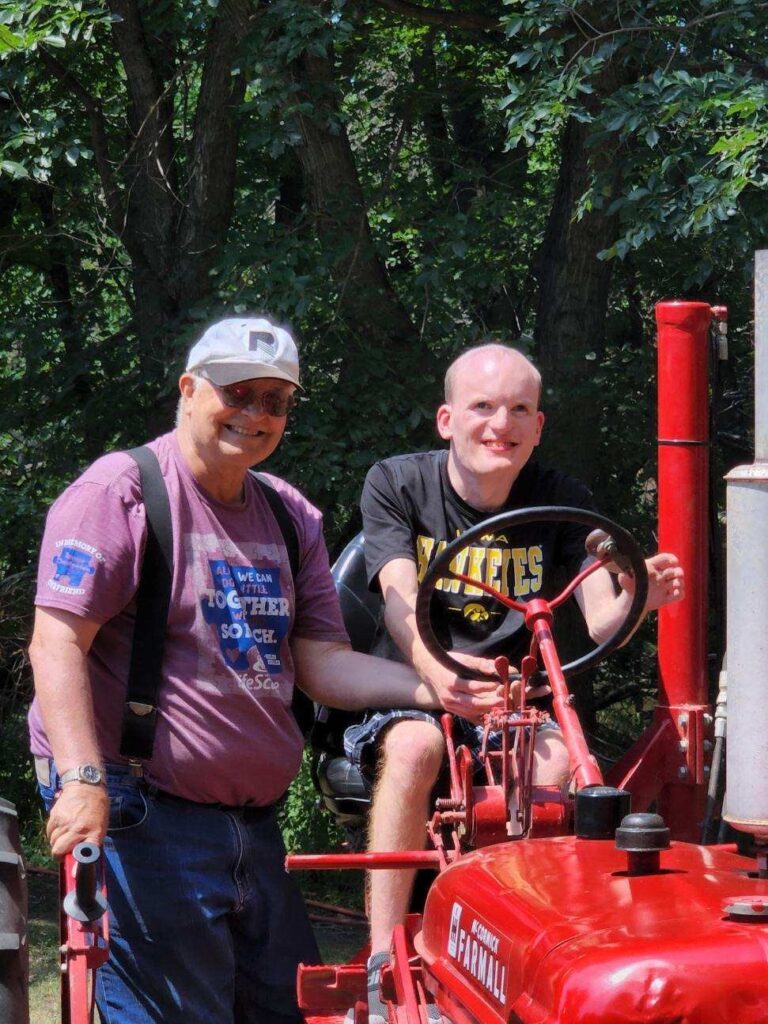
While it would take time to see concrete changes because of the landmark legislation, “over the years, I’ve seen a lot of positive changes in the community’s acceptance and inclusion of people with disabilities,” said Dvorak, who serves as director of day services at DakotAbilities.
It might seem remarkable to think that in such recent history, individuals with disabilities faced significant barriers in accessing public spaces, employment opportunities and everyday activities, but that was the reality for millions of Americans. The ADA seeks to rectify these disparities by prohibiting discrimination based on disability and mandating accommodations to ensure equal access and opportunities.
“When I think of the Americans With Disabilities Act, I think about it in the context of adults with disabilities who are in their 50s and older, and the challenges they and their families faced regarding housing, education and transportation, among other things,” said Shelly Johnson, development director at DakotAbilities.
“Legislation protecting the rights of people with disabilities started taking hold in the 1960s, ’70s and ’80s, leading up to the ADA in 1990. We need to keep the conversation going about equality for people with disabilities.”
Accordingly, DakotAbilties has shifted its focus in the past few decades, away from what Dvorak describes as a “sheltered workshop mindset” to one that advocates for employment and volunteer opportunities as part of the community.
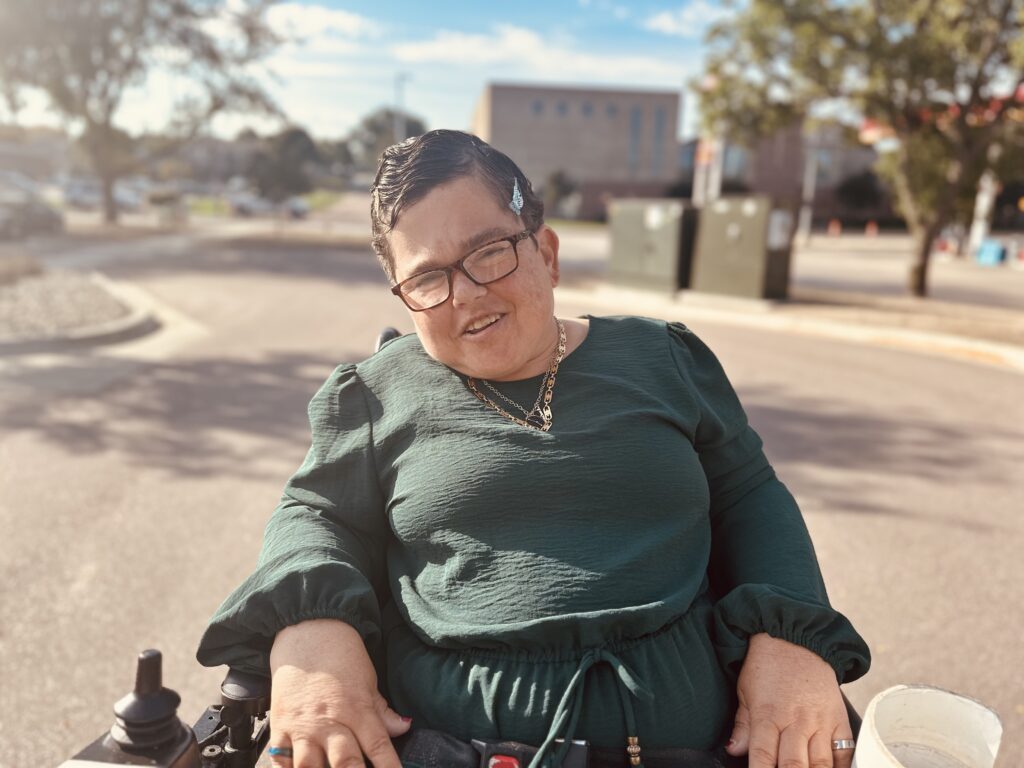
He describes the shift as being intentional in creating internal and external partnerships that are community-inclusive.
“We offer numerous activities to invite the public to Longfellow Center, where day services take place, to experience plays, pet therapy and music therapy. Likewise, we are visibly out and about in the community at the Premier Center, the Midco Aquatics Center and the zoo, to name just a few. We are an integral part of the Sioux Falls community, which works to everyone’s benefit and has proven to be a successful strategy.”
Employment opportunities
The Denny Sanford PREMIER Center is one example of an employer that hires people with disabilities. Emily, a person supported by DakotAbilities, recently celebrated her one-year anniversary at the event venue.
“I make sure people get to their seats or the backstage security area,” she said. “I found the position on Indeed saying they were looking for event staff. I work from 5:30 to 8 p.m. for concerts, and I really like helping people. People who are having a good time can be very entertaining. It’s fun, and I get to see all kinds of acts.”
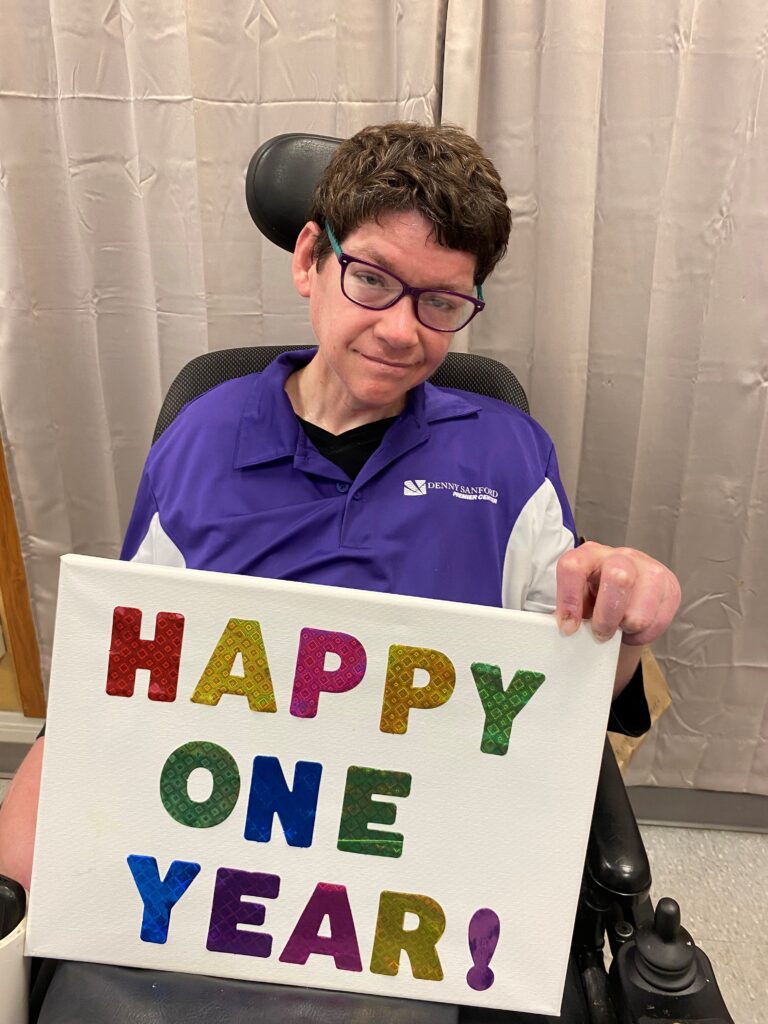
Emily, like many people in Sioux Falls, has faced transportation challenges in getting to and from work.
“Many people we support have jobs in the community,” Dvorak said. “There are several employers open to making adaptations and being flexible with work schedules. Our services are dictated many times by transportation issues. Flexible employers make a huge difference in the lives of people supported.”
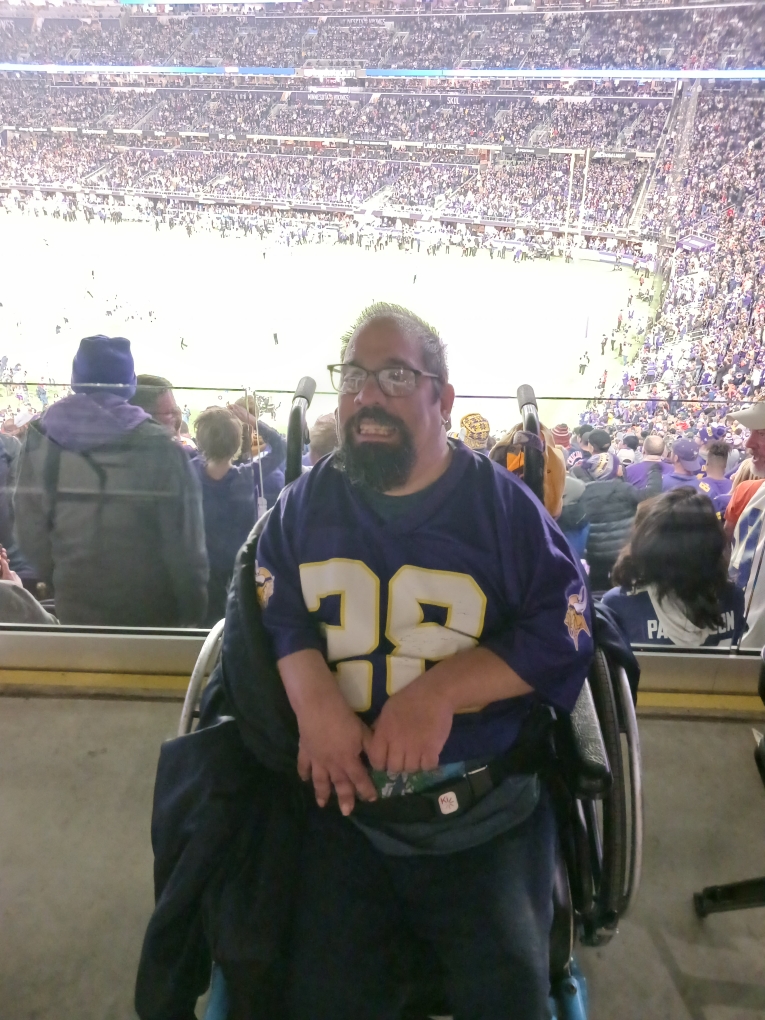
Among employees with and without disabilities, “flexibility is the most highly requested accommodation. It is not disability-specific,” said Vicki Stewart, executive director of Employment Disability Resources.
“There is a misconception that employees with disabilities will cost a business additional money to provide reasonable accommodations,” she said. “The fact is many people with disabilities do not need any accommodations in the workplace, and if they do, the expense is typically $300 or less.”
Cultural shift and social inclusion
According to the Pew Research Center and 2021 U.S. Census Bureau data, an estimated 42.5 million Americans have a disability, making up 13 percent of the population.
Beyond its legal and practical implications, the ADA sparked a cultural shift toward greater acceptance and inclusion of people with disabilities by challenging stereotypes and advocating for equal rights. This shift is evident in increased representation in media, sports and cultural events, highlighting the diverse talents and capabilities of people with disabilities.
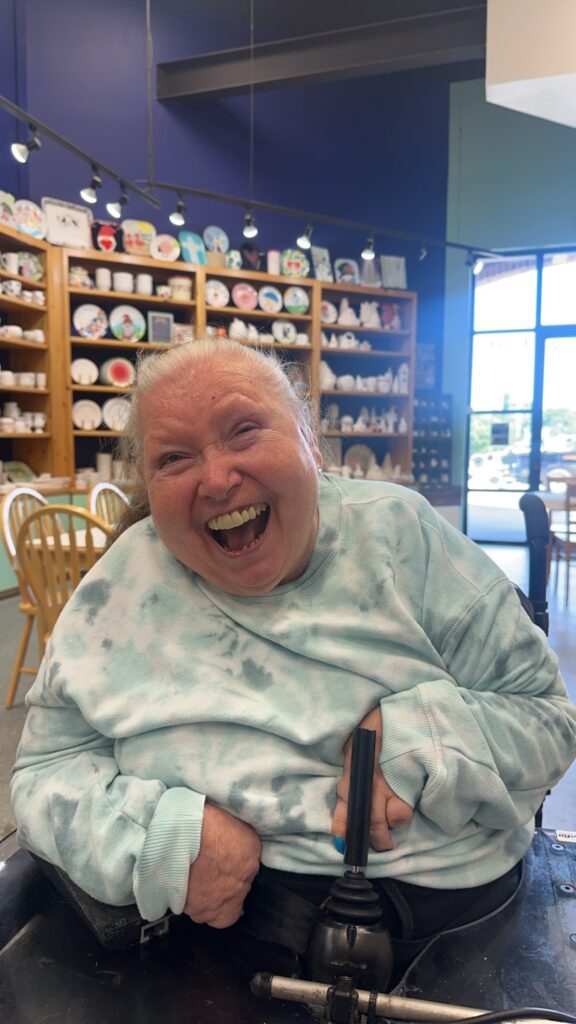
“By removing barriers, access and inclusion occurred, leading to societal changes and new generations seeing the person, not the disability,” added DakotAbilities executive director Nathan Stallinga. “This has helped challenge stereotypes and promote a more realistic understanding of disability.”
Resources
- For information on the Americans With Disabilities Act, visit ada.gov.
- For resources about hiring people with disabilities, visit dol.gov/general/topic/disability or edrsd.org.
- To learn more about DakotAbilities, visit dakotabilities.org.
Share This Story
Most Recent
Videos
Looking amazing @dtsiouxfalls and @washpav! Thanks to @jpickthorn for capturing an incredible night.
Nov 26

Enjoy this glow headed into Halloween week! 📸: @jpickthorn
Oct 31
Hope you had a wonderful summer weekend and are recharged for the week ahead! 📸: @jpickthorn
Jun 27
Beautiful way to start a week! 📸: @jpickthorn
Jan 10
Favorite flyover of the year! Merry Christmas from our entire @pigeon605news flock. 🎄🐦 📸: @actsofnaturephotography
Dec 24
They definitely deserve to be treated like holiday royalty and they were! ❤️ these scenes from tonight’s lighting celebration at @sanfordhealth Children’s Hospital. 🎄
Dec 1
The holidays are here! Perfect night @dtsiouxfalls
Nov 27
Happy Halloween from @avera_health NICU babies! Link in bio to see more! 🎃
Oct 31
Did you know @dtsiouxfalls is filled with 👻 stories? Link in bio … if you dare 😱
Oct 8
When it comes to kids parties nobody wants to be cookie-cutter. Link in bio for the story on what’s trending.
Sep 28
Want to stay connected to where you live with more stories like this?
Adopt a free virtual “pigeon” to deliver news that will matter to you.



Are you a little bird with something to share?
Delivering news that matters to you
Years ago, homing pigeons were used to bring us news we needed. Today, your virtual “pigeon” will deliver what you want to know about the place you call home.
All pigeons are free to good homes!
Our Partners