Anyone can be a victim of fraud. Take these steps to stop it
This paid piece is sponsored by The First National Bank in Sioux Falls.
Think it’s just big businesses, high-end individuals or unsuspecting seniors who become victims of fraud?
Not even close.
While some types of fraud require a highly technical hacker, many incidents require nothing more than the trust of the person on the other end of an email or phone call.
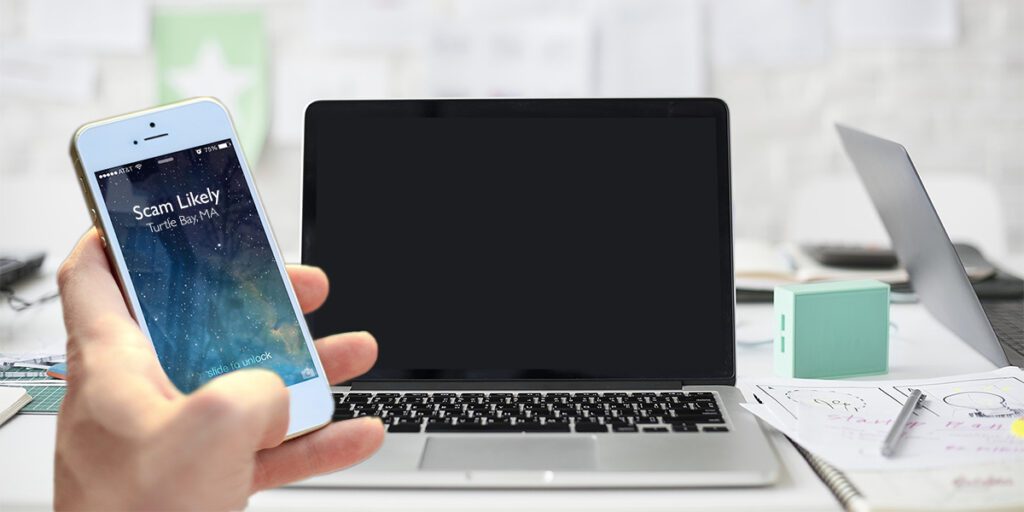
Even if you think you could never fall victim to a scam or fraud, someone you love may not know what to look out for. Review these tips for keeping your information safe and share them with others.
Monitor your account statements regularly
The best way to monitor your account for fraud is by reviewing your account and statements regularly. If you see a transaction that you don’t recognize, contact your bank right away.
At FNB, we suggest setting up your account with online banking because it’s a great way to easily view your account activity whenever and wherever you want. Sign up for online banking, or reach out to our customer service team for assistance with enrolling.
Do not give anyone money or any kind of personal information on the phone, online or by email
The best way to prevent fraud is to avoid giving out any kind of personal information. If you’re not sure the person calling or emailing is who they say they are, call the organization or person yourself. In addition, you should never give out your credit card or debit card number in these types of situations or on unfamiliar websites.
Do not publicly share information like your car make and model, your favorite teacher, the names of your siblings or any previous addresses. Even this type of seemingly harmless information can be used by fraudsters to answer security questions for your online banking or other internet accounts.
Think before clicking links
We all sometimes click before we stop and think. Use caution before clicking links in emails or text messages. When you click a harmful link, hackers can gain access to your phone or computer and get ahold of your personal information. This is known as “phishing” and “smishing.” See this blog post for more ways to spot these types of attacks.
Recently, people around the country have been receiving spoofed emails or text messages that appear to be coming from a bank or the IRS with a link to view a “new deposit” or “unusual account activity.”
Approach these messages with caution and remember: the IRS would never call or text you, and if you don’t usually receive text alerts from a bank, it’s very likely a phishing attempt.
Shred documents that contain personally identifiable information
Some instances of fraud occur when the fraudster gets access to documents that contain personally identifiable information. If you are disposing of important documents, be sure to shred them. For extra security, anything with your Social Security number, bank account numbers, debit or credit card numbers, etc., should be shredded when disposed.
Do not cash or deposit a check you receive in the mail if you don’t know where it’s from
Lately, we’ve been seeing some check fraud occurring through the mailing of checks. The victims receive a check made out to them in the mail. Usually, they weren’t expecting a check from anyone and don’t recognize the maker of the check. If you don’t know where a check is coming from or why you got it, do not deposit it because it’s probably fraud. Take it to the bank, or notify us, and we can check if it’s legitimate or not.
We’re always looking out for fraud, but with these tips, you can protect yourself too.
Share This Story
Most Recent
Videos



Looking amazing @dtsiouxfalls and @washpav! Thanks to @jpickthorn for capturing an incredible night.
Nov 26

Enjoy this glow headed into Halloween week! 📸: @jpickthorn
Oct 31
Hope you had a wonderful summer weekend and are recharged for the week ahead! 📸: @jpickthorn
Jun 27
Beautiful way to start a week! 📸: @jpickthorn
Jan 10
Favorite flyover of the year! Merry Christmas from our entire @pigeon605news flock. 🎄🐦 📸: @actsofnaturephotography
Dec 24
They definitely deserve to be treated like holiday royalty and they were! ❤️ these scenes from tonight’s lighting celebration at @sanfordhealth Children’s Hospital. 🎄
Dec 1
The holidays are here! Perfect night @dtsiouxfalls
Nov 27
Happy Halloween from @avera_health NICU babies! Link in bio to see more! 🎃
Oct 31
Did you know @dtsiouxfalls is filled with 👻 stories? Link in bio … if you dare 😱
Oct 8
When it comes to kids parties nobody wants to be cookie-cutter. Link in bio for the story on what’s trending.
Sep 28
Want to stay connected to where you live with more stories like this?
Adopt a free virtual “pigeon” to deliver news that will matter to you.





Are you a little bird with something to share?
Delivering news that matters to you
Years ago, homing pigeons were used to bring us news we needed. Today, your virtual “pigeon” will deliver what you want to know about the place you call home.
All pigeons are free to good homes!
Our Partners