
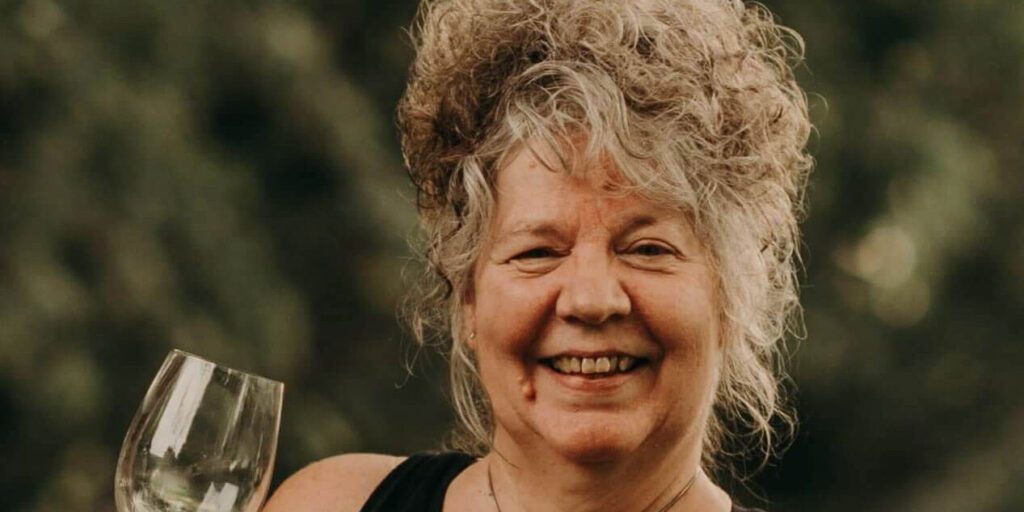
After move from Illinois, woman pens vegetable-focused cookbook
Heidi Herman never outgrew her dislike of vegetables.
She grew up in a small farming community in Illinois, right outside a city about the size of Sioux Falls. So while her roots are rural, her lifestyle wasn’t.
“I didn’t live on a farm and had a lot of that larger-city influence,” Herman said.
In 2018, Herman moved to Lake Preston in eastern South Dakota to build a life with her new husband. “I married somebody who is very much into team roping, and I had not had much experience with cattle or horses or goats or 4-H and certainly not gardening or canning or any of the home preservation things,” Herman said.

You would think a backyard garden – tending the vegetables, bringing a tomato in warm from the sun and slicing it open on the kitchen counter – would make her fall madly in love with vegetables.
After all, is there anything more delicious?
Not to Herman. In fact, all of it just confirmed that she didn’t have the palate for fresh vegetables.
“Where I grew up, it was easy to avoid what I didn’t like,” Herman said, noting that her mother is from Iceland, and she was influenced by her eating habits growing up. “We didn’t have a vegetable garden, so I would eat to my taste. But here, we had this huge garden with zucchini and peppers. I’m harvesting this, and I have no idea what to do with it. And when I started tasting them, I realized I couldn’t even acquire the taste.”
She tried.
But when nothing seemed to work, she turned to a new solution: writing a cookbook about how to make the best of a veggie situation.
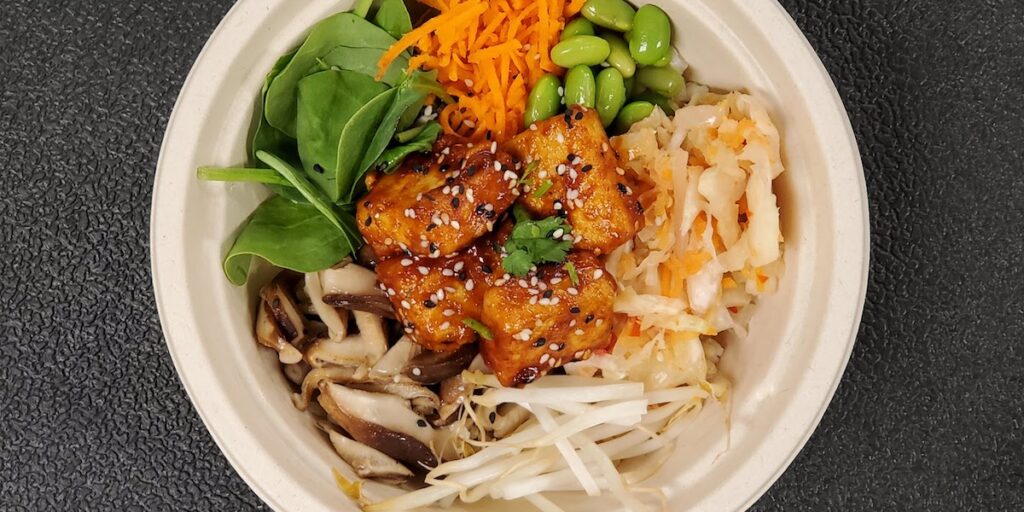
“The Hidden Vegetables Cookbook,” featuring 90 recipes, was released earlier this month. It walks home chefs through everything from how to choose fresh produce and how to store it to what nutrients it offers and various ways to prepare it.

The cookbook is geared toward adults. Herman notes that there are tons of cookbooks to help sneak vegetables into a kids’ diet. But there are few that address that distaste in adults.
“There’s nothing for adults, for those who say, ‘I don’t like them, but I know I need the nutrition,’” Herman said. “It’s important, especially as you age, to keep that good, wholesome food and nutrition. Eating good farm-to-table food is so important for your body. But you shouldn’t have to force yourself to choke down something you hate.”
Her book doesn’t try to hide or highlight vegetables – it just deals with them.
“Find a way you can make it work,” Herman said. “Let the vegetable take a back seat, and you still get wholesome, fresh vegetables.”
Herman said it could be awkward, not loving vegetables as an adult.
“In the back of your brain, there’s a stigma,” Herman said, noting that she would feel guilty when invited to dinner at someone’s house or at events, pushing the vegetables off her plate. “I spent a lot of my 20s and 30s trying to learn to like more vegetables. But the strong ones – like spinach and kale and cauliflower – I just don’t care for any of it.”
As she began cooking with the vegetables from her garden and experimenting, she found a few tricks to prepare them. Take carrots, for example. She likes to steam or roast them, especially with honey and salt.
Or making a pizza crust out of cauliflower works because the pizza toppings overwhelm the cauliflower flavor.
“There are some, that prepared the right way, are OK,” she said with a laugh. “Even Brussels sprouts. If I cook them with butter and honey and pan-fry them and then add them to rice, I like them. I add walnuts, and it’s very mild.”
Herman hopes other adults will find new vegetables to enjoy and new ways to enjoy foods they already love. She also hopes home cooks will become more confident and comfortable in the kitchen.
Knowing how to buy, store and prepare fresh produce can reduce waste and help stretch a food budget, Herman said.
“So many people have the desire to eat healthier, and they load up on all this fresh produce, and then it goes bad before they eat it.”

The cookbook helps, including storage to extend the shelf life of vegetables and how to prep and save them for later recipes.
She notes that it can be hard with a busy life – maybe you have to work and then drive kids around in the evening, or an event comes up. And suddenly, all your good intentions for how to make fresh, healthy food go out the window.
“If you’ve got a five-day clock going with your produce, you know that maybe you need to steam it and puree it and freeze it so you can grab it and use it,” Herman said. “You have to find a way to process it, so it keeps to your schedule and you aren’t locked into the natural shelf life.”
Living in South Dakota and tending a backyard garden has given her a sense of satisfaction, she said. She loves collecting the tomatoes, onions and jalapenos and making salsa. “It’s so satisfying to do that and know there aren’t extra chemicals or ingredients,” Herman said. “This isn’t even farm to table. It’s your backyard to your kitchen countertop. South Dakota is such a rewarding way to live. I’m still learning how to be a really good South Dakotan.”
Share This Story
Most Recent
Videos



Looking amazing @dtsiouxfalls and @washpav! Thanks to @jpickthorn for capturing an incredible night.
Nov 26

Enjoy this glow headed into Halloween week! 📸: @jpickthorn
Oct 31
Hope you had a wonderful summer weekend and are recharged for the week ahead! 📸: @jpickthorn
Jun 27
Beautiful way to start a week! 📸: @jpickthorn
Jan 10
Favorite flyover of the year! Merry Christmas from our entire @pigeon605news flock. 🎄🐦 📸: @actsofnaturephotography
Dec 24
They definitely deserve to be treated like holiday royalty and they were! ❤️ these scenes from tonight’s lighting celebration at @sanfordhealth Children’s Hospital. 🎄
Dec 1
The holidays are here! Perfect night @dtsiouxfalls
Nov 27
Happy Halloween from @avera_health NICU babies! Link in bio to see more! 🎃
Oct 31
Did you know @dtsiouxfalls is filled with 👻 stories? Link in bio … if you dare 😱
Oct 8
When it comes to kids parties nobody wants to be cookie-cutter. Link in bio for the story on what’s trending.
Sep 28
Want to stay connected to where you live with more stories like this?
Adopt a free virtual “pigeon” to deliver news that will matter to you.




Are you a little bird with something to share?
Delivering news that matters to you
Years ago, homing pigeons were used to bring us news we needed. Today, your virtual “pigeon” will deliver what you want to know about the place you call home.
All pigeons are free to good homes!
Our Partners