Why loneliness is just as bad as smoking
This paid piece is sponsored by Avera.
You’ve never smoked a day in your life or perhaps just one or two cigarettes in your youth, but you could be carrying a health hazard that’s just as risky.
“Unresolved, ongoing loneliness is equal to smoking three-fourths of a pack, or 15 cigarettes per day, on one’s health,” said Dr. Jay Weatherill, a psychiatrist at Avera Medical Group Behavioral Health.
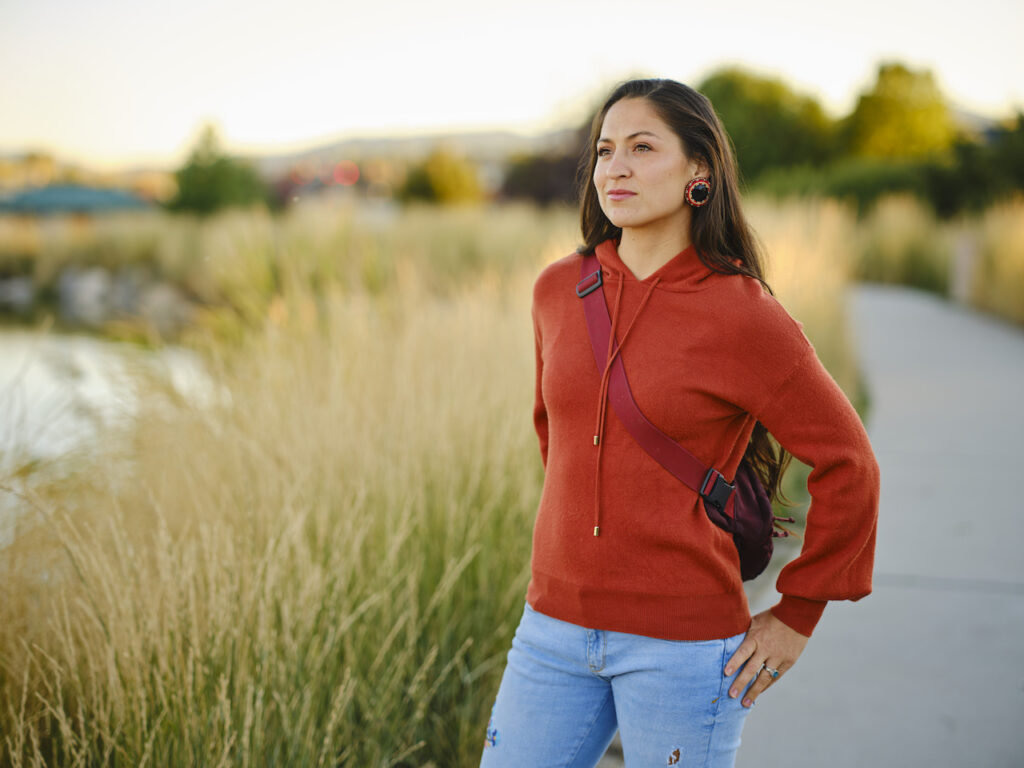
You read that right. According to the surgeon general’s report “Our Epidemic of Loneliness and Isolation,” which was released recently, “The mortality impact of being socially disconnected is similar to that caused by smoking up to 15 cigarettes a day and even greater than that associated with obesity and physical inactivity.”
Why people get lonely
You don’t have to be alone to feel lonely. Some relationships can make you feel even lonelier than when you’re actually alone. Low-quality relationships leave you feeling like things are one-sided or you can’t speak up to work through problems.
Physical isolation works in tandem with loneliness, and it can be voluntary or involuntary.
- Voluntary: Depression and social anxiety can contribute to people making the decision to withdraw from people, places or hobbies. You have the resources and capability to talk to people or go places, but burdening emotions prevent you from doing so. Whether it’s actually true or not, it’s easy to believe that “I have no friends.”
- Involuntary: Sometimes, people want to join events and activities, but lack of transportation or physical disabilities creates a barrier. Also, it isn’t just not owning a car; some communities simply don’t have a bus or transportation system available.
“Also, loneliness and isolation are different than having an introverted personality,” Weatherill said. “Introverts desire relationships and thrive with those connections, but social situations drain them over time. They need to retreat into their hobbies, work or themselves to recharge.”
Health effects of loneliness
Loneliness and isolation have health effects across the board. They increase the release of cortisol, the “stress hormone,” which contributes to an increase in chronic conditions. These include but aren’t limited to:
- Heart disease
- Stroke
- Infection
- Poor diabetic management and blood sugar control
- Cognitive decline
- Depression
- Anxiety
“Left unaddressed, the biological effects of loneliness cause both stroke and heart disease risks to rise by 30 percent,” said Weatherill, citing the surgeon general’s report.
Loneliness and the workplace
Loneliness also leaks into the workplace, and the costs are enormous. All those health effects we mentioned earlier? These lead to absenteeism — creating an annual loss of $154 billion, according to the surgeon general’s report.
But what work-related issues exacerbate loneliness? Here are two contributors:
- Working remotely. For some, the COVID-19 pandemic offered an ongoing opportunity for employees to work from home. Though convenient, some work-from-home employees start to miss the small connections we naturally have throughout the day.
- Toxic work environments. Passive-aggressiveness, false promises or unreliable co-workers and managers can cause people to feel alone with no reliable place to turn for support.
“Some workplaces are aware of the positive impact of socialization and find ways to bring employees together with activities and office layouts,” Weatherill said.
Remember, your work connections are what you make them to be. You can be that person who automatically thinks co-workers equal nuisances, or you can be that open and friendly person who offers the right encouragement at the right time.
Human connection boosts your quality of life
We are social creatures, hard-wired to be that way. Building healthy relationships and connections can improve many areas of your life. For example, you could experience:
- Better performance – Showing up and doing better at work and in school.
- Better health – Connections reduce the stress hormone cortisol, offering reprieve to certain health risks.
- Better habits – Eating better nutritionally, going to the gym and naturally being more active.
- Stronger emotionally – More resilience to stress and ability to work through conflict effectively.
- Social connectedness – Finding and embracing a personal purpose in life.
“Relationships have their ups and downs but are worth fighting for,” Weatherill said. “Remember, there are people out there looking for friendships; be brave, put yourself out there, and you’ll never know who may become a great connection for a season or a lifetime.”
Get more wellness tips at Avera.org/Balance.
Share This Story
Most Recent
Videos



Looking amazing @dtsiouxfalls and @washpav! Thanks to @jpickthorn for capturing an incredible night.
Nov 26

Enjoy this glow headed into Halloween week! 📸: @jpickthorn
Oct 31
Hope you had a wonderful summer weekend and are recharged for the week ahead! 📸: @jpickthorn
Jun 27
Beautiful way to start a week! 📸: @jpickthorn
Jan 10
Favorite flyover of the year! Merry Christmas from our entire @pigeon605news flock. 🎄🐦 📸: @actsofnaturephotography
Dec 24
They definitely deserve to be treated like holiday royalty and they were! ❤️ these scenes from tonight’s lighting celebration at @sanfordhealth Children’s Hospital. 🎄
Dec 1
The holidays are here! Perfect night @dtsiouxfalls
Nov 27
Happy Halloween from @avera_health NICU babies! Link in bio to see more! 🎃
Oct 31
Did you know @dtsiouxfalls is filled with 👻 stories? Link in bio … if you dare 😱
Oct 8
When it comes to kids parties nobody wants to be cookie-cutter. Link in bio for the story on what’s trending.
Sep 28
Want to stay connected to where you live with more stories like this?
Adopt a free virtual “pigeon” to deliver news that will matter to you.




Are you a little bird with something to share?
Delivering news that matters to you
Years ago, homing pigeons were used to bring us news we needed. Today, your virtual “pigeon” will deliver what you want to know about the place you call home.
All pigeons are free to good homes!
Our Partners