
When you have tooth removed, consider ‘banking’ your stem cells
This paid piece is sponsored by Siouxland Oral & Maxillofacial Surgery.
By Dr. Denis Miller, DDS, MBA
Yes, you can “bank” your own stem cells for future use!
Stem cell research has been around for decades, and a wide variety of different therapies are being rapidly developed for the public. In fact, some of these therapies are even available for application outside of the experimental realm. People don’t always realize that they already are familiar with a popular form of stem cell transplantation commonly known as a bone marrow transplant.
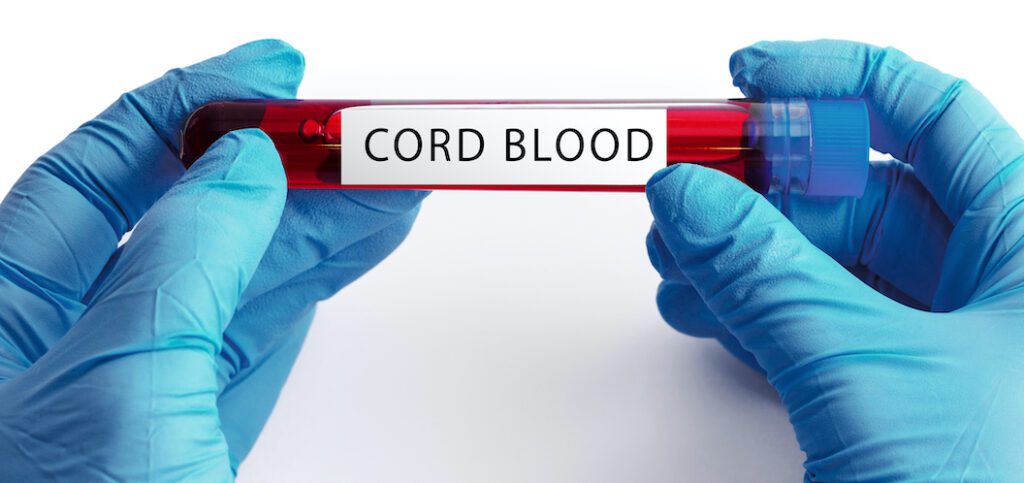
During our younger years, we as individuals possess a large number of stem cells. As we age, their numbers steadily decrease along with their activity. Some people may have banked stem cells from umbilical cord blood or tissue after a child is born, or they may have heard about obtaining stem cells from other tissues. The “holy grail” of stem cell therapy is finding cells that can be guided to differentiate/change into any tissue — not just one particular cell or tissue type.
In a very simple sense, the tissues of the body can be categorized as endoderm (inside), ectoderm (outside) and mesoderm (in the middle). A good example of ectodermal cells are skin and brain cells. Endodermal cells line the lungs and inside of blood vessels, while mesodermal cells form bone and muscle. Every tissue in the body holds its own set of stems cells that divide and replace damaged cells in that particular tissue. A great example of such tissue regeneration by stem cells is our skin. These specific stem cells continuously replace the skin cells that “flake off.” Interestingly enough, did you know that a lot of the “dust” in your house is your own discarded skin cells?
So in light of all this information, a good question to pose is how do stem cells actually relate to dental treatments?
Surprisingly, a good source of stem cells comes from the pulp of teeth. During our younger years, we have an increased amount of active stem cells that are often of a much higher quality. Harvesting stem cells from teeth is a concept that has been around for over 10 years; however, most people don’t ever even think to ask about it. The technique usually is not offered simply because of a lack of education and awareness in the dental and medical community.
Stem cells in teeth are in fact mesenchymal cells — think mesoderm. Furthermore, research suggests that these particular stems can be pluripotent, meaning they can be differentiated into multiple tissue types — such as ectoderm and endoderm. Stem cells retrieved from the umbilical cord blood after a baby is born, with current technology, are not able to be pluripotent and differentiate into a wide variety of cell and tissue types. Stem cells that come from teeth, however, are pluripotent and thus a better option for banking stem cells.
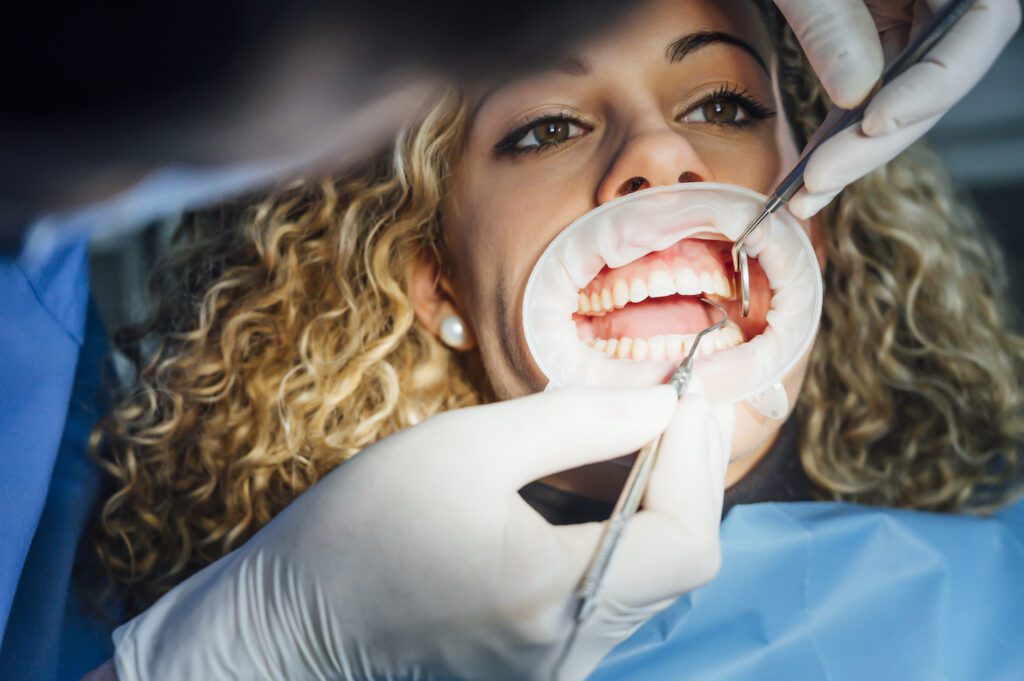
Remember, we now know that when we are younger our stems cells are of a better quality. We also know that many kids need to have their wisdom teeth removed, whether it is for for orthodontic or oral surgery reasons. Therefore, it makes sense to consider getting stem cells out of the wisdom teeth because they are being removed anyway. This technique doesn’t always work, such as when a tooth is infected or fractured, but for healthy teeth, the process yields an excellent source of stem cells.
After the wisdom teeth are removed, they are sent to a stem cell company where staff carefully separate the stem cells from the tissue and then cryopreserve or “bank” them. By doing this, an individual can access and use them at a later date if the need arises.
The proposed needs are ever-expanding. Research is ongoing with stem cells from teeth to see if they can be used to treat a wide variety of problems such as multiple sclerosis, Parkinson’s disease, Alzheimer’s, organ replacement, diabetes, heart disease, leukemia, brain injuries, arthritis, sports injuries, paralysis, muscular dystrophy, anti-aging and even to regenerate lost teeth.
Much of this is still in the research or experimental treatment phases, but the research itself is very promising. We can expect that in 10 to 20 years, more applications of stem cell treatments most certainly will enter mainstream medicine and dentistry. In fact, some researchers have regrown toothlike structures in the lab as first step toward regenerating useful teeth!
For now, we have dental implants that are a wonderful replacement option for lost teeth. The ability to regenerate your own tooth as a biologic, however, always will be the ultimate goal.
If you are planning to have a tooth removed, consider asking about the cost of saving the stem cells for future use. The proposed process greatly hinges on maintaining a viable pulp from the tooth extraction. If you are able to remove the tooth with the pulp chamber intact or with a clean cut, the results are much better than if the tooth is taken out in a lot of pieces. Therefore, having your tooth extracted by a specialist oral surgeon who has the advanced residency training and the most experience at extractions is the best decision if you want to successfully bank the stem cells.
Share This Story
Most Recent
Videos



Looking amazing @dtsiouxfalls and @washpav! Thanks to @jpickthorn for capturing an incredible night.
Nov 26

Enjoy this glow headed into Halloween week! 📸: @jpickthorn
Oct 31
Hope you had a wonderful summer weekend and are recharged for the week ahead! 📸: @jpickthorn
Jun 27
Beautiful way to start a week! 📸: @jpickthorn
Jan 10
Favorite flyover of the year! Merry Christmas from our entire @pigeon605news flock. 🎄🐦 📸: @actsofnaturephotography
Dec 24
They definitely deserve to be treated like holiday royalty and they were! ❤️ these scenes from tonight’s lighting celebration at @sanfordhealth Children’s Hospital. 🎄
Dec 1
The holidays are here! Perfect night @dtsiouxfalls
Nov 27
Happy Halloween from @avera_health NICU babies! Link in bio to see more! 🎃
Oct 31
Did you know @dtsiouxfalls is filled with 👻 stories? Link in bio … if you dare 😱
Oct 8
When it comes to kids parties nobody wants to be cookie-cutter. Link in bio for the story on what’s trending.
Sep 28
Want to stay connected to where you live with more stories like this?
Adopt a free virtual “pigeon” to deliver news that will matter to you.
Read More






Are you a little bird with something to share?

Delivering news that matters to you
Years ago, homing pigeons were used to bring us news we needed. Today, your virtual “pigeon” will deliver what you want to know about the place you call home.
All pigeons are free to good homes!
Our Partners