
What to expect during hormonal storm of perimenopause, menopause
This piece is sponsored by Avera Health.
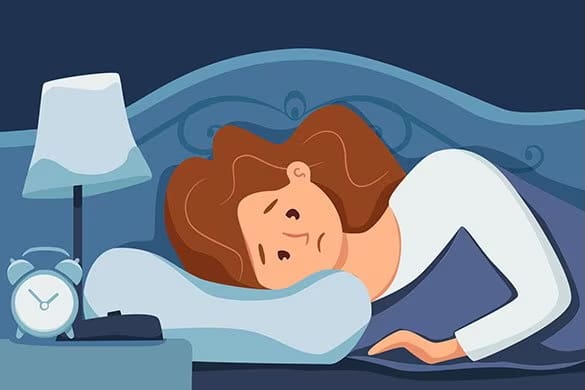
Are you ready to trade your sweaters for a fan? Do you have a shorter fuse? Is a good night’s sleep only a dream? Or maybe you just don’t feel like yourself.
Vague symptoms like these are what women’s providers often hear from their patients who are entering the time of life known as perimenopause and menopause.
What’s the difference between perimenopause and menopause?
Perimenopause is defined as the years leading up to cessation of menstrual periods, and it usually begins in your 40s but can happen earlier or later.
“When you actually stop having periods and they have stopped for at least 12 months, you’ve gone through menopause, marking the end of your reproductive years,” said Heidi Vogel, PA-C with Avera Obstetrics & Gynecology. On average, that happens at age 51.
“Perimenopause can be absolute hormonal chaos,” said Dr. Annie Siewert, Avera OB/GYN specialist. Symptoms are many and varied, but they all stem from changing hormone levels.
As a newborn and even as a fetus, a female has all the egg follicles in her ovaries that she’ll ever have. At puberty, eggs number around 300,000, and they decrease from that time on.
“Once we get to perimenopause, we have fewer of those powerful follicles, which release hormones that support the process of ovulation and possible pregnancy,” Siewert said. Fluctuations happen because some months, a robust follicle releases hormones. Other months, the follicle may be “wimpy,” with less hormone release.
What are the symptoms?
Perimenopause symptoms may include:
- Changing periods: less predictable cycles that might happen every two weeks or every other month; bleeding might be heavier or lighter.
- Hot flashes: a sudden intense feeling of heat that may be accompanied by sweating and flushed skin; might be triggered by emotional stress or come on unexpectedly any time of the day or night.
- Trouble sleeping: either getting to sleep or staying asleep. “Progesterone is one of the first hormones that starts to decrease, and that impacts sleep,” Siewert said.
- Mood changes: anxiety, depression or irritability; feeling like you have a shorter fuse or you can’t handle stress the way you could in the past.
- Decreasing sex drive and vaginal dryness.
- Heart palpitations.
- Joint pain: more pain in your shoulders, hips and knees.
“A symptom women don’t want to talk about is irritability or even rage. You can go from the most pleasant person on the planet to feeling intense anger. It’s something that brings people a lot of guilt,” Siewert said.
“The oddest symptoms I’ve heard are itchy ears and itchy eyes. But we hear it, and it’s documented.”
Symptoms actually might improve when a woman reaches menopause because hormone levels – while lower – will stabilize, Vogel said.
Talking over your history of symptoms with your provider is the best way to identify that you’re in perimenopause. “There’s no blood test to check for sure,” Siewert said.
While there are tests for hormone levels, results can vary depending on the point in a woman’s cycle when the test is taken. Hormone levels vary greatly even day to day, so hormonal testing is not very reliable. Your constellation of symptoms is most important.
Treatment is not one-size-fits-all
Some women breeze through this time in life, yet others experience more intense symptoms that impact quality of life.
Treatment is individual and depends on your concern and should start with a talk with your primary care provider.
Hormonal medications can make a big difference and still be safe in terms of cancer risk.
Avoid reaching for over-the-counter solutions as your own private quest. “If you’re desperate to feel better, you may be willing to try a lot of different things, but what we want is proven therapies and evidence-based medicine,” Vogel said.
Most importantly, you don’t have to “tough it out” because it’s part of life. “It’s hard to function well if you don’t feel good or you’re not sleeping well.”
This is the first in a series about women’s health before and after menopause. Watch for a monthly article at Avera.org/Balance on topics including hormone therapy, sexual effects, exercise, nutrition, weight loss, mood, sleep, bone loss and more.
Share This Story
Most Recent
Videos



Looking amazing @dtsiouxfalls and @washpav! Thanks to @jpickthorn for capturing an incredible night.
Nov 26

Enjoy this glow headed into Halloween week! 📸: @jpickthorn
Oct 31
Hope you had a wonderful summer weekend and are recharged for the week ahead! 📸: @jpickthorn
Jun 27
Beautiful way to start a week! 📸: @jpickthorn
Jan 10
Favorite flyover of the year! Merry Christmas from our entire @pigeon605news flock. 🎄🐦 📸: @actsofnaturephotography
Dec 24
They definitely deserve to be treated like holiday royalty and they were! ❤️ these scenes from tonight’s lighting celebration at @sanfordhealth Children’s Hospital. 🎄
Dec 1
The holidays are here! Perfect night @dtsiouxfalls
Nov 27
Happy Halloween from @avera_health NICU babies! Link in bio to see more! 🎃
Oct 31
Did you know @dtsiouxfalls is filled with 👻 stories? Link in bio … if you dare 😱
Oct 8
When it comes to kids parties nobody wants to be cookie-cutter. Link in bio for the story on what’s trending.
Sep 28
Want to stay connected to where you live with more stories like this?
Adopt a free virtual “pigeon” to deliver news that will matter to you.






Are you a little bird with something to share?
Delivering news that matters to you
Years ago, homing pigeons were used to bring us news we needed. Today, your virtual “pigeon” will deliver what you want to know about the place you call home.
All pigeons are free to good homes!
Our Partners