

What is a breast cancer screening risk assessment score at Avera?
This paid piece is sponsored by Avera Health.
Recently, Avera implemented software that offers a cancer risk assessment for all patients who come in for screening and diagnostic mammograms.
“Knowing a patient’s breast cancer risk score can help determine if a patient needs more frequent and specialized breast imaging,” said Tara Kocourek, director of breast health.
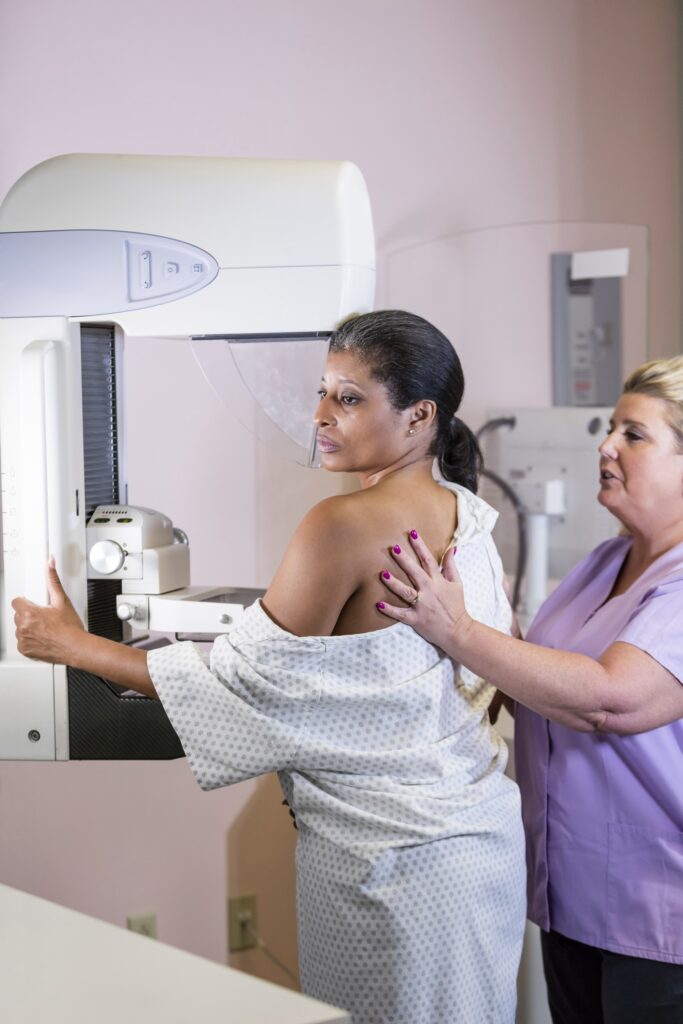
As patients come in for their mammograms, they now will be asked specific risk assessment questions before obtaining their mammogram images. These risk assessment questions are focused on:
- Height/weight.
- Personal breast history.
- Family history of cancer.
- Gynecologic history.
- Pregnancy history.
- Hormone history.
- Known genetic mutation such as BRCA1 or BRCA2.
- Breast density.
How your breast cancer risk is calculated
Most women will be of an average risk score for developing breast cancer. A risk score of 20 percent or greater means you have a higher than average chance to develop breast cancer in your lifetime. This does NOT mean you are going to get breast cancer but does mean you should consider being screened more often.
Understanding options for women with a high risk for breast cancer
Yearly mammograms starting at 40 years old, along with monthly self-exams, are routine recommendations for women of average risk.
“We’re always using mammogram as a tool to detect breast cancer,” said Dr. Michelle Bryan, a fellowship-trained breast surgeon. “There’s nothing that takes the place of a mammogram.”
Women who are identified as high risk may follow up at Avera High Risk Breast Clinic, where they would assist with developing a personalized imaging plan, discuss risk-reduction strategies and meet with a genetic counselor. Follow up with your primary care provider to see if a high-risk referral is appropriate for you.
Imaging recommendations for high-risk patients are personalized based on the patient’s risk score, family history and personal factors. Many high-risk patients get imaging every six months based on guidelines set by the National Comprehensive Cancer Network. Specialized imaging could include diagnostic mammograms, contrast-enhanced spectral mammogram or breast MRI.
Genetic counseling and breast cancer risk
Avera genetic counselors are specialized in genetics and risk assessments. They can help families and individuals understand and manage their chance of developing cancer based on family history and genetics.
If you do have an average risk score but still have a family history of cancer, you would benefit from meeting with a genetic counselor.
When you meet with a genetic counselor, they will review your family and medical history, discuss how likely cancer in your family is hereditary or familial, discuss your risk for certain cancers, discuss the risk and benefits of genetic testing and explain test results if you decide that is best for you.
Get more wellness and prevention tips at Avera.org/Balance.
Share This Story
Most Recent
Videos



Looking amazing @dtsiouxfalls and @washpav! Thanks to @jpickthorn for capturing an incredible night.
Nov 26

Enjoy this glow headed into Halloween week! 📸: @jpickthorn
Oct 31
Hope you had a wonderful summer weekend and are recharged for the week ahead! 📸: @jpickthorn
Jun 27
Beautiful way to start a week! 📸: @jpickthorn
Jan 10
Favorite flyover of the year! Merry Christmas from our entire @pigeon605news flock. 🎄🐦 📸: @actsofnaturephotography
Dec 24
They definitely deserve to be treated like holiday royalty and they were! ❤️ these scenes from tonight’s lighting celebration at @sanfordhealth Children’s Hospital. 🎄
Dec 1
The holidays are here! Perfect night @dtsiouxfalls
Nov 27
Happy Halloween from @avera_health NICU babies! Link in bio to see more! 🎃
Oct 31
Did you know @dtsiouxfalls is filled with 👻 stories? Link in bio … if you dare 😱
Oct 8
When it comes to kids parties nobody wants to be cookie-cutter. Link in bio for the story on what’s trending.
Sep 28
Want to stay connected to where you live with more stories like this?
Adopt a free virtual “pigeon” to deliver news that will matter to you.
Read More




Are you a little bird with something to share?

Delivering news that matters to you
Years ago, homing pigeons were used to bring us news we needed. Today, your virtual “pigeon” will deliver what you want to know about the place you call home.
All pigeons are free to good homes!
Our Partners