What does the future look like for Siouxland Libraries? This plan offers a glimpse
What does the community want?
Where do we want to go and how do we get there?
How can Siouxland Libraries meet community desire and innovate to meet changing needs?
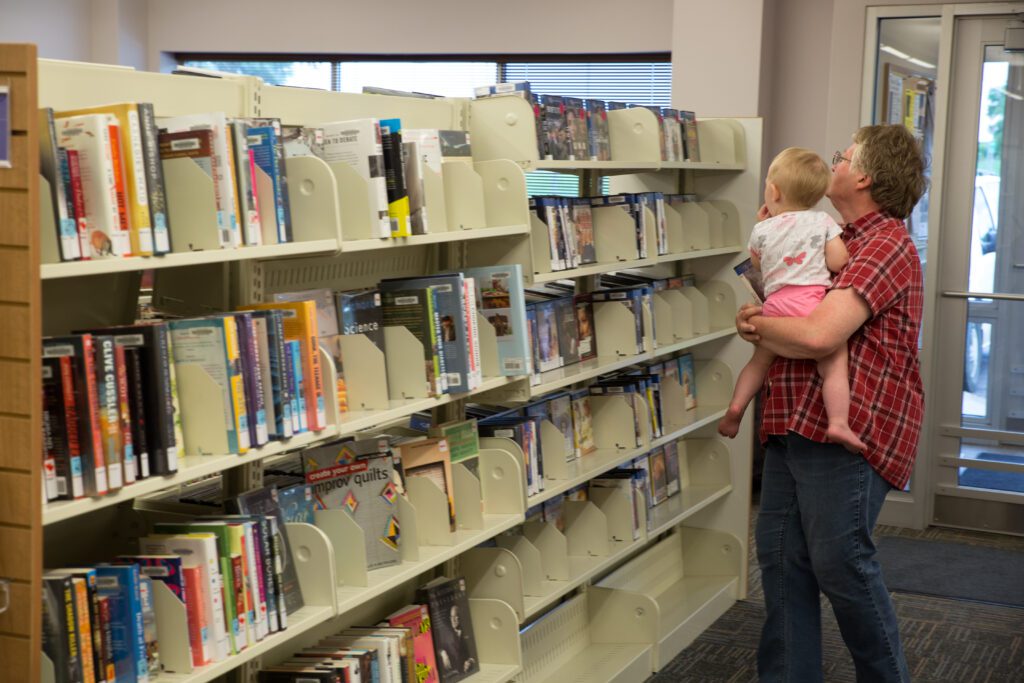
Those are the three questions Siouxland Libraries set out to answer when it started a strategic planning process last year, more than 25 years after it was founded when the city of Sioux Falls and Minnehaha County formed a partnership.
The answers to those questions were shared last week with the library board of directors and will be presented soon to the Sioux Falls City Council and Minnehaha County Commission.
Put most concisely, the answer to the question is simple: People want the library branches to offer the services currently available and to expand into other areas when feasible.

“In general, what we learned is that our people really like what we’re doing, especially when we went to our rural sites,” said library director Jodi Fick. “They want us to continue to provide access, continue to have books, continue to do programming.”
But one issue is that library users may not realize the extent of the services being offered. Fick sat in on listening sessions with adults and teenagers, and she frequently heard people say “It would be great if the library would …” referring to a service now being offered.
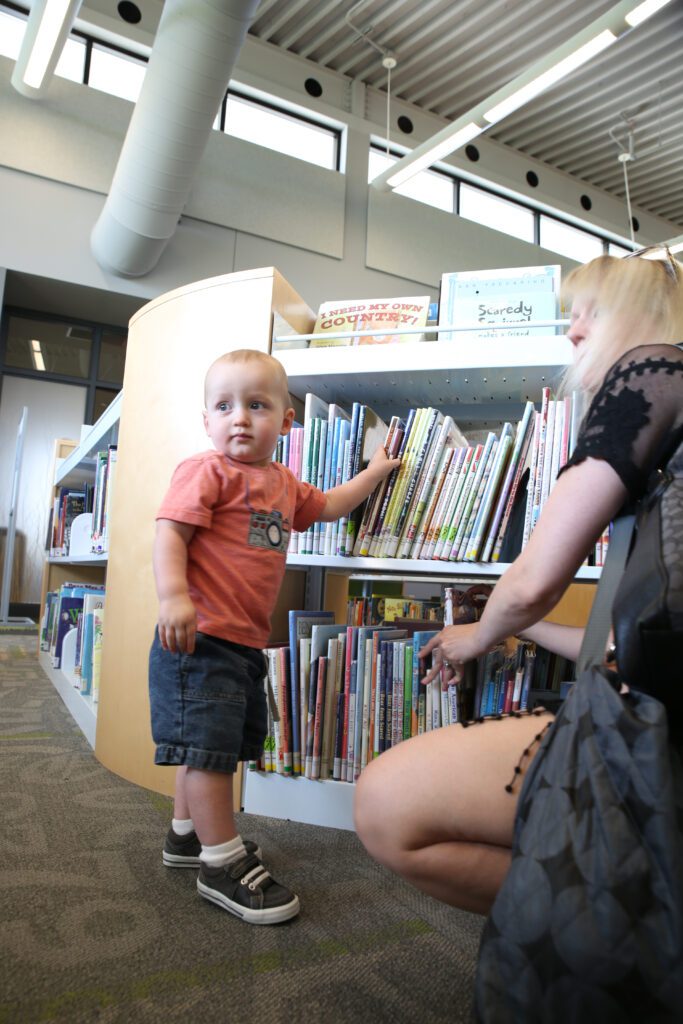
“There is definitely a lack of awareness by both library users and nonusers about what services we currently provide and what services libraries across the nation could provide,” Fick said. “There’s a lot of perception that the library is a place where I check out books, and if the person doesn’t want to check out books, then the library doesn’t have a place for them.”
That’s why the strategic plan adopted by the library board set out ways to raise awareness of library services through marketing and outreach, “embracing the needs of a growing community.”
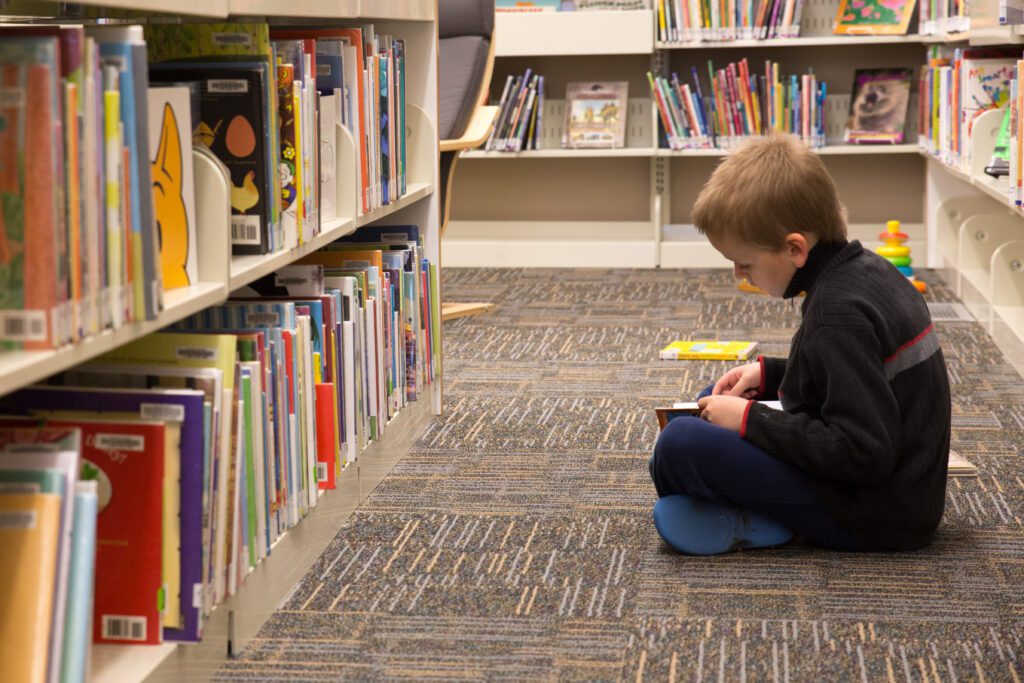
“Increase awareness” is one of three goals and objectives set out in the strategic plan. The others are to “encourage learning” and “ensure inviting spaces.”
The key challenges set out in the strategic plan are:
- A perception that Siouxland Libraries’ branches are primarily a place to check out books with inadequate understanding of how learning and social engagement is supported.
- Fast growth in the communities served, with newcomers from multiple countries and socioeconomic groups.
- Lack of awareness of the services and resources provided and what could be offered.
- An assumption that brick-and-mortar locations are the only way to provide services, particularly in rural areas.
- An assumption that most library users are from underserved communities, when patrons actually come from many socioeconomic groups.
That assumption came particularly from library staff, influenced in part by a high number of participants from the downtown branch, Fick said, and an awareness of efforts to reach out to those who can’t come to the library.
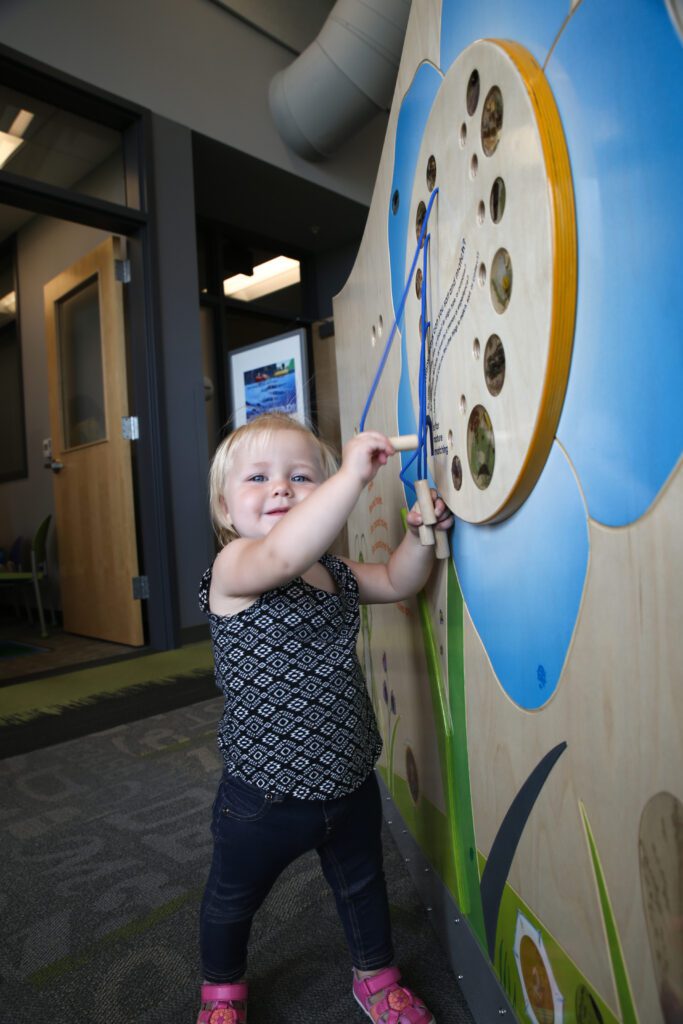
“In actuality, what we found out is our biggest users of the library were our more affluent members of the community,” Fick said. In Siouxland Libraries’ service area, nearly 20 percent of its users are more affluent, more familiar with technology, have higher education and are age 30 to 55 with children.
The strategic plan will run from this year through 2027. This year, library staff plans to develop and implement a plan to increase new cardholder activity. In 2024, a marketing plan will be developed to inform current users about services they may not know are offered.
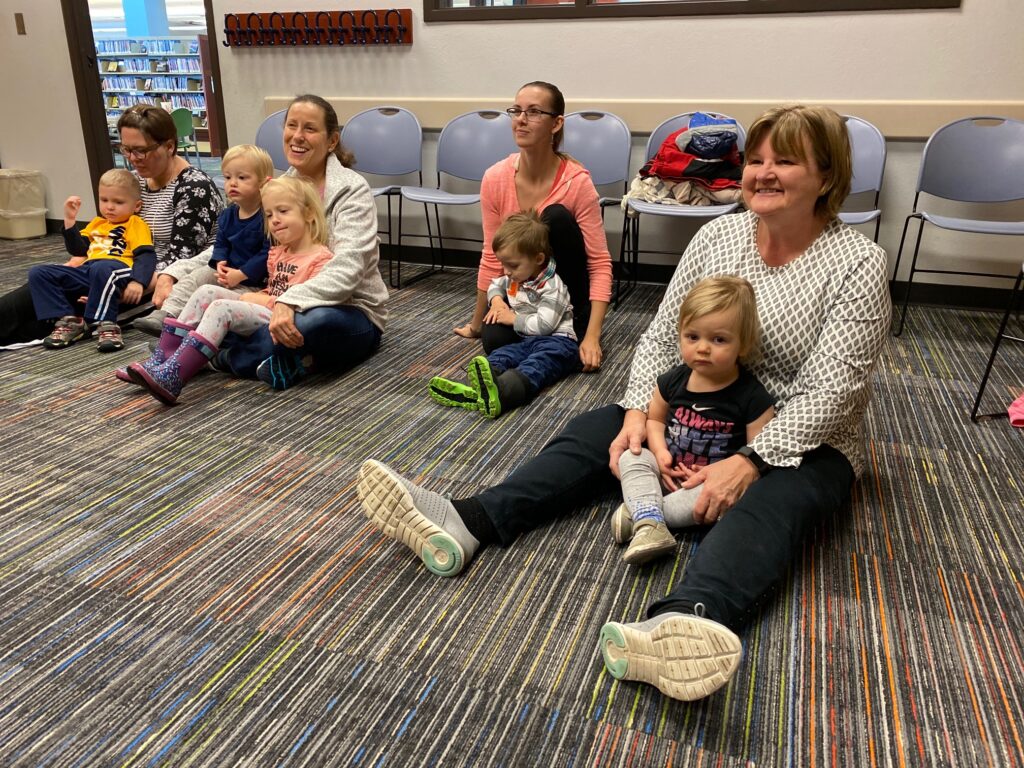
To promote the library’s profile, staff next year will make presentations throughout the county, connecting with community groups and at public events.
Expanded services, evaluating spaces
Encouraging learning involves providing experiences that encourage early literacy. In response to library users with young children who can’t come to story time in the morning, the library will expand its offerings to evenings and weekends, while also recognizing the needs of staff members’ families, Fick said.
To ensure inviting spaces, Fick said, a two-pronged approach will be followed. One is to provide access to gather as a community. That will include expanding access at additional branches to allow the public to use library space and services outside of staffed hours.
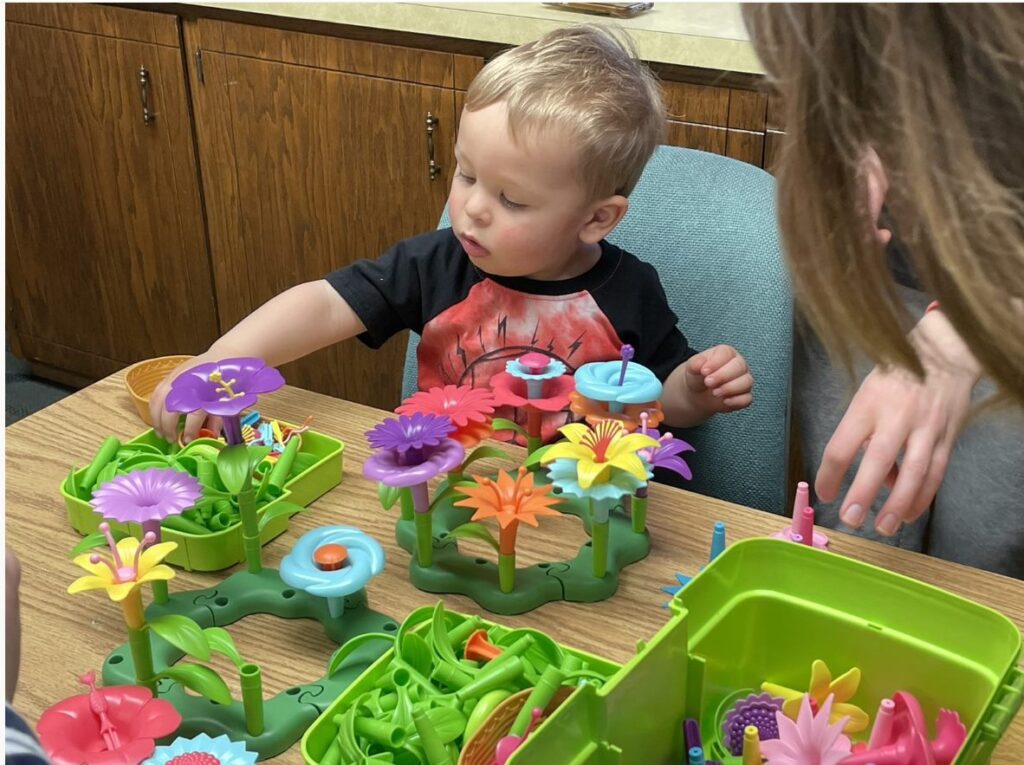
Siouxland Libraries’ general approach is to place facilities within a six-minute drive of residents. That means in 2025, the need for any future library facilities based on community growth will be identified.
Providing access to new and existing technology could mean establishing a makerspace in a branch library, most likely the downtown facility. In 2025, the library also will look at opportunities to expand library services to other community meeting spaces. That could involve vending machines in a space like Midco Aquatic Center, “places where people are already gathering,” Fick said.
The vending machines allow people to insert their library card, choose the item they want to check out, then close the door. It automatically records the selected item.
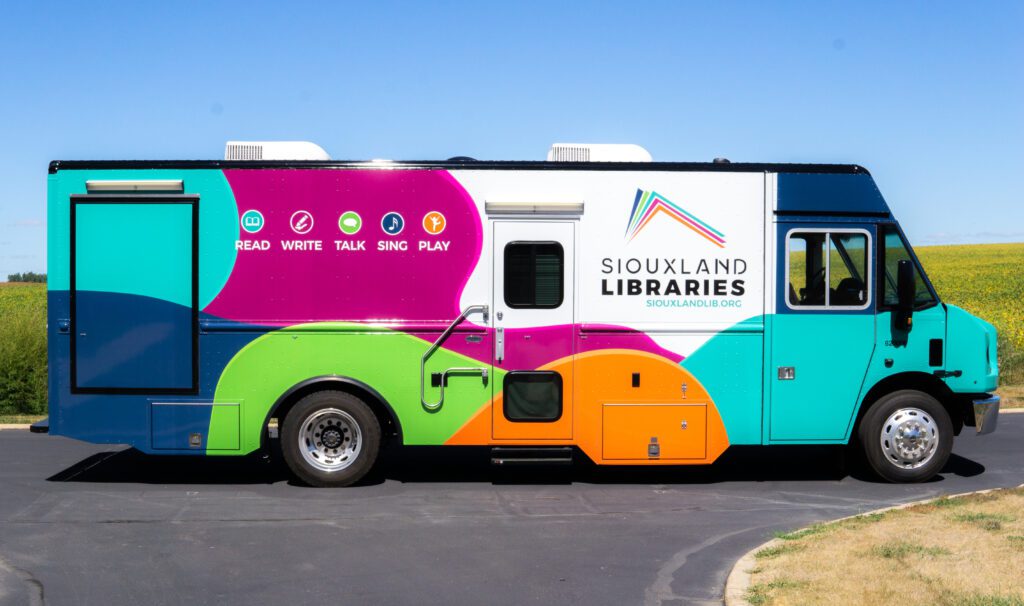
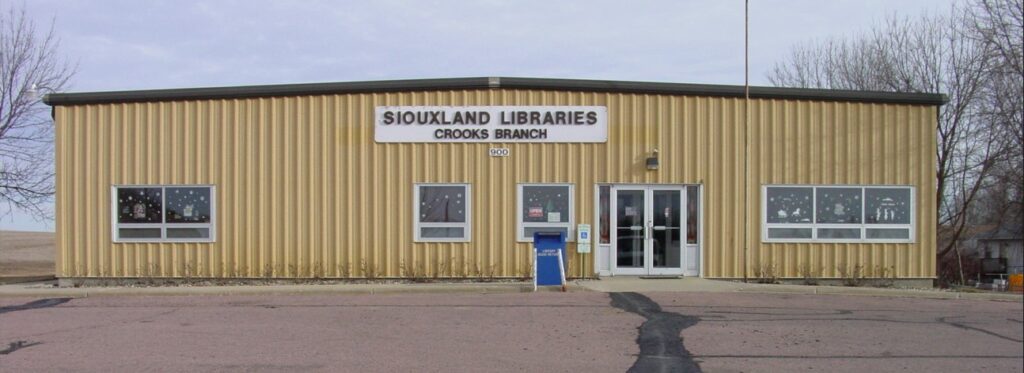
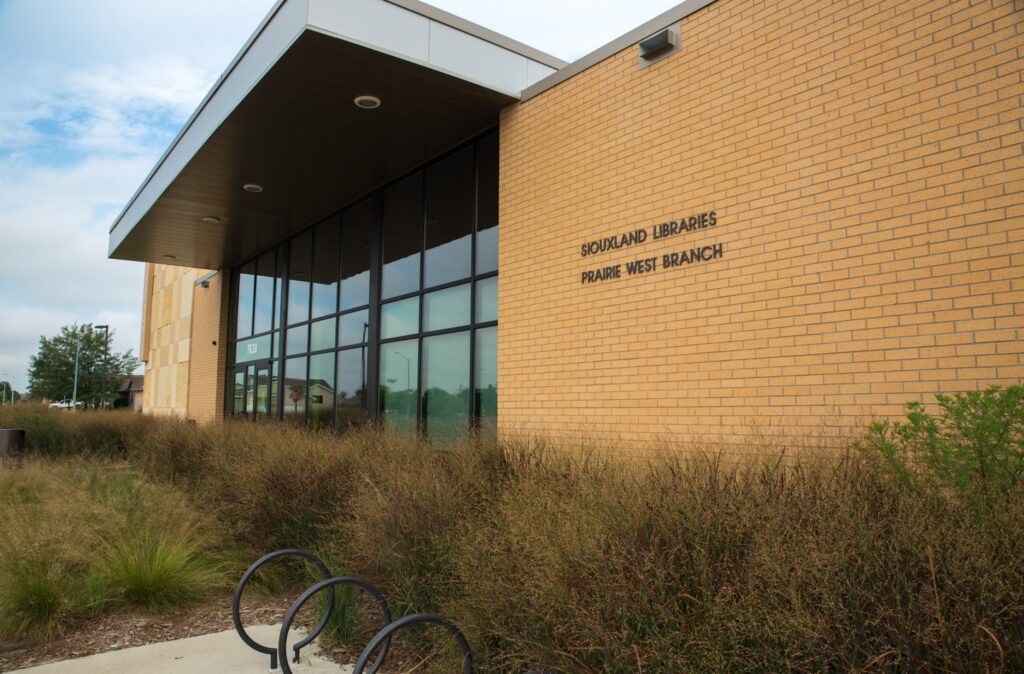
Siouxland Libraries offers services at 13 branch libraries: five in Sioux Falls and eight others in Baltic, Brandon, Colton, Crooks, Garretson, Hartford, Humboldt and Valley Springs. It also sends a bookmobile to child care centers, schools and partner organizations, with delivery services to in-home child care sites, senior facilities and people who cannot leave their homes.
By the numbers
LibraryIQ was hired to conduct an analysis of Siouxland Libraries compared to similar libraries in Lincoln, Nebraska; Washington County, Minnesota; and Des Moines. It determined that Siouxland Libraries had the lowest operating cost per hour among the four libraries, the highest ranked visits per capita and the highest circulation rate compared with averages in South Dakota and the nation.
For every 100 people who visit Siouxland Libraries, 13 will use a computer and 82 will check out a book or other item. At the average library in South Dakota, 26 use a computer and 65 check out a book or other item.
In analyzing the trends, library visits and circulation rates are trending down but are still above state and national averages. The library also has seen changes since information for the strategic plan was completed. At the board’s first quarterly meeting of the year, directors were told the number of new library cards issued is higher than the estimated population increase for Sioux Falls. Much of the increase came in digital usage.
In addition, a recent change has proved popular. On Dec. 1, the library stopped charging fines for books that had not been returned by their due date. The response has included library users renewing their cards and returning to the branches.
Share This Story
Most Recent
Videos


Looking amazing @dtsiouxfalls and @washpav! Thanks to @jpickthorn for capturing an incredible night.
Nov 26

Enjoy this glow headed into Halloween week! 📸: @jpickthorn
Oct 31
Hope you had a wonderful summer weekend and are recharged for the week ahead! 📸: @jpickthorn
Jun 27
Beautiful way to start a week! 📸: @jpickthorn
Jan 10
Favorite flyover of the year! Merry Christmas from our entire @pigeon605news flock. 🎄🐦 📸: @actsofnaturephotography
Dec 24
They definitely deserve to be treated like holiday royalty and they were! ❤️ these scenes from tonight’s lighting celebration at @sanfordhealth Children’s Hospital. 🎄
Dec 1
The holidays are here! Perfect night @dtsiouxfalls
Nov 27
Happy Halloween from @avera_health NICU babies! Link in bio to see more! 🎃
Oct 31
Did you know @dtsiouxfalls is filled with 👻 stories? Link in bio … if you dare 😱
Oct 8
When it comes to kids parties nobody wants to be cookie-cutter. Link in bio for the story on what’s trending.
Sep 28
Want to stay connected to where you live with more stories like this?
Adopt a free virtual “pigeon” to deliver news that will matter to you.




Are you a little bird with something to share?
Delivering news that matters to you
Years ago, homing pigeons were used to bring us news we needed. Today, your virtual “pigeon” will deliver what you want to know about the place you call home.
All pigeons are free to good homes!
Our Partners