
Staying sober: Those in recovery say it has been their toughest year ever
Connection is a universal tenet of addiction recovery.
Whether it’s alcohol or the various chemical substances used to dull reality, a frequent thread is isolation, a way to stay in one place that feels better than another place.
At least for a while.
That’s an over-simplification of a deeply complex mental and physical condition.
But consider, for a moment, what losing that connection means for someone trying to beat back the impulses of addiction.
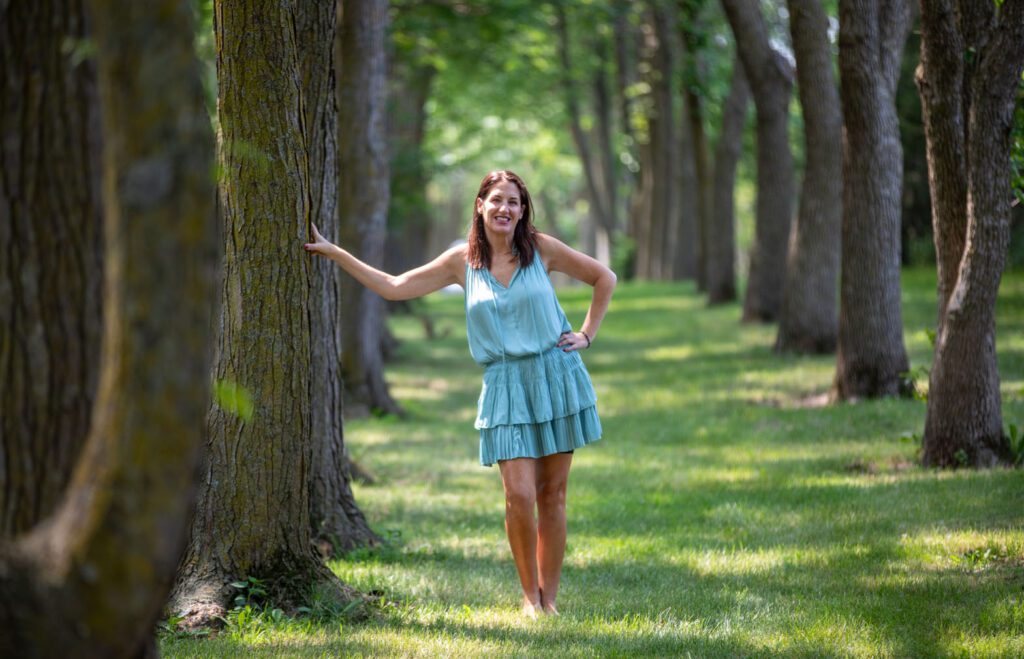
That’s what the COVID-19 pandemic was like for Joan Zych.
Zych quit drinking 13 years ago after a couple of attempts, including a monumentally failed stint at the Betty Ford Clinic.
But she did it, building a life, containing the demons in a box in her brain. She found community and comfort, working at TLC Tallgrass in Sioux Falls and founding an art program for people in recovery.
Then, the world shut down.
“All of this changed very quickly, and it was very hard,” Zych said. “What I found myself doing, instead of reaching out to people, I didn’t because I didn’t want to burden them. I didn’t want to put more sh!t on their plate.
“That’s not how it works.”
***
We drank more during the COVID-19 pandemic.
The reasons run from financial stress to boredom.
The evidence of drinking is glaring because we can precisely measure consumption in gallons.
The effect is less clear based on the ambiguity of human response and the darkness of addiction, whether from alcohol or substances more broadly.

Addiction counselors in Sioux Falls say the number of people seeking treatment increased noticeably since the pandemic exploded in early 2020. And research clearly shows substantial upticks in the rates of anxiety and depression across the country after a year of quarantine, social distancing and rumbles of economic doom.
Nationwide, the number of deaths from overdose increased about 30 percent during the pandemic year, according to a report released this month by the Centers for Disease Control and Prevention.
The same CDC report said South Dakota was one of only two states that had a decrease in overdose deaths. However, the report notes, the numbers nationwide are underreported because of incomplete data, making comparisons and trends difficult.
“Everybody’s scenario was a little different, but there are a lot of stressors for everyone,” said Malia Holbeck, manager of addiction at Avera.
Consider those scenarios, layered on the existing pressures of daily life:
- Virtual classrooms were a necessity. At the other end of the wire, however, were families thrown into the role of teacher for which most have little to no training.
- The technology gap that put up further barriers for low-income families to the point where many kids simply dropped out.
- Real threats to household economic stability, particularly on the margins, where people didn’t have the opportunity for remote work.
- Remote work itself, where the bottle is a few steps away and the accountability – getting up, getting clean and dressed – that kept addictive behaviors below the surface are miles away.
- Mental health services in general became harder to access and more uncertain.
These generalities played out repeatedly in little ways since COVID hit American shores.
People endured. They did what needed to be done and hoped for better days. But many stretched their abilities to cope.
For mental health professionals, scenarios are real people.
“We’re seeing some of that downstream effect of what had happened 12, 13, 14 months ago, where things potentially got a lot worse for individuals,” Holbeck said. “They are really at a place where they are needing to get help.”
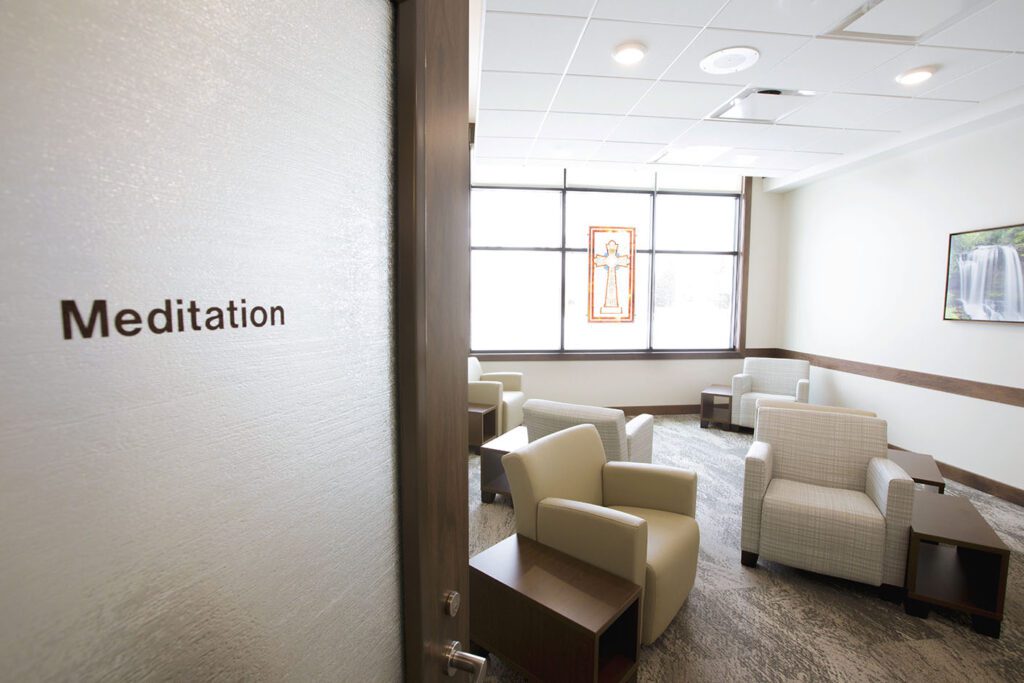
The Avera Addiction Care Center opened in December 2019, just before the pandemic arrived in America.

It’s a 20,000-square-foot facility developed to treat addiction as opioids added to the growing list of substances people rely on for escape. The center has taken patients for only about 18 months, so it’s difficult to quantify the effect of the pandemic on admissions.
However, addiction-related admissions systemwide increased between 20 percent and 25 percent from the first nine months to the second, according to Thomas Otten, the assistant vice president of Avera Behavioral Health.
That’s not caused solely by the pandemic, he cautioned. It’s also awareness of the new facility and natural growth in the program.
“One thing that we saw from individuals that had already maybe struggled with either mental health or with addiction, it (the pandemic) made that whole situation a little bit worse,” Holbeck said. “There were a lot of different factors that caused an increase of threats, but not having the accountability of having to present themselves in the work environment, if they’re not having to come to work, you could probably have started having a drink at the end of the day, and probably no one would really know.”
If there’s no accountability, the end of the day can become 4 p.m.
Then 3:30.
Or noon.
Then, the work starts to suffer, and it’s a crisis.
Crisis is part of life.
So is addiction.
And recovery.
***
Amber Thomas’ story is similar to Joan Zych.
No two people are the same. No two addictions.
Thomas was a binge drinker for 11 years who flirted with death, making 12 trips to the emergency room.
“I had always wanted to stop, to be fair, probably six of those 11 years,” she said. “Really, actively trying to stop.”
She knew the stakes – and the path out – in the brutally personal experience of family.
“We’re all addicted to alcohol.”
Her older brother found sobriety through Alcoholics Anonymous and a great counselor.
It killed her middle brother.
Thomas tried outpatient treatment but kept drinking throughout. It was the support of her husband and family and finding the inner strength to stop that saved her life.
“If I don’t do the work, get some kind of help, I’m not going to get the future that I always assumed I would get,” she recalled telling herself at the time. “I threw away all my stashes of alcohol. I focused on anything I could to improve myself. I focused on physical health, mental health.”
Sobriety led her to FaceIt Together in Sioux Falls, a recovery program that uses peer coaching for addicts and their loved ones, where she took a job as a coach.
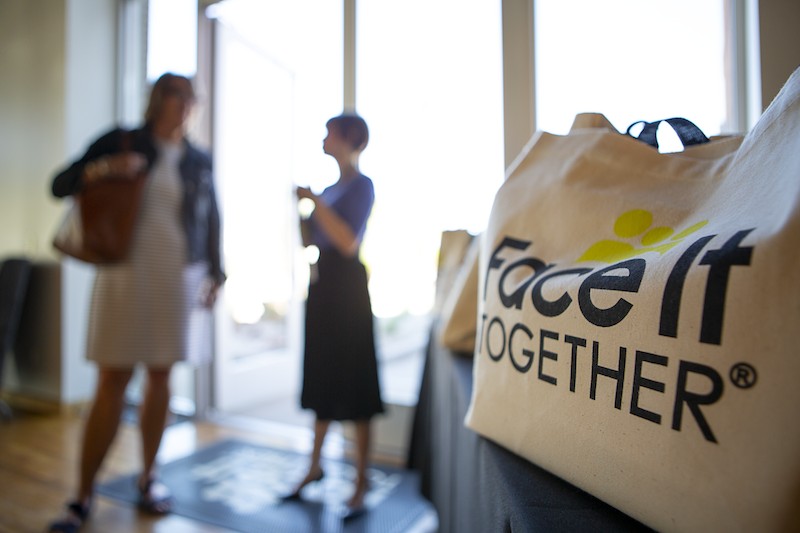
The isolation of the pandemic was difficult for people who need the interaction of work, family, church and the activities of daily life. And maybe introverts and extroverts deal with it in different ways. But change on such a monumental scale is difficult for everybody.
That’s particularly true of people in recovery.
“We have seen a lot of clients that we’ve had in recent years reengage with us,” Thomas said.
The number of monthly coaching sessions at FaceIt was erratic during the past 18 months, fluctuating by nearly 50 percent. However, the spikes roughly follow the surges in infection rates.
An old adage of research and analysis says that correlation is not causation, so there’s no way to attribute visits to the pandemic. But stress and strain are clear factors.
“One of the biggest pieces of progressing from addiction, or getting well, is learning how to not isolate yourself,” Thomas said. “Learning to find your own grounding, your own base. But also engaging in your community, creating and solidifying relationships, connecting with people. There’s been no opportunity for that, so when (people) come back to us to reengage, a lot of them are worried. ‘I’ve been feeling a lot of triggers lately, and I’m not sure how to handle them.’”
***
Zych was already going through some life changes when the pandemic hit.
Her marriage was coming to an end. She was packing up a house and unpacking a relationship.
That, on its own, strains sobriety. Remove the support system, the connection, and everything is amplified.
Not to mention, the existential dread of a disease that was killing people all over the world.
“Am I going to get it? Are my kids going to get?” she said. “Nobody could give you any real answers. Drinking feels like an option again because f*ck it. If this is the way I am going to go out, then f*ck it.”
It was the most difficult year of her sobriety, made that much worse as some friends and confidantes – her community – relapsed.
“I was heartbroken for the people around me,” she said. “People are at home and not able to work, are you going to lose everything you worked for. It’s scary, and it’s still scary.
It was hard watching people fall, not just with addiction but mental health in general.
“You have to keep yourself together because you had to help them swim,” she said.
***
There’s no perfect path to recovery.
Twelve-step programs such as Alcoholics Anonymous work for many people.
FaceIt stresses peer coaching, finding a path to wellness that fits who you are and what you need. Regular surveys with the clients produce the Recovery Capital Index, something of a benchmark of current wellness.
“It covers all the areas of a person’s life that encompass holistic progress,” Thomas said. “We’re talking about how is your support? How is your family life? How is your culture? Do you feel engaged in your community? Each subset of those questions gives us a really good insight into how our client is doing at that time.”
Avera Behavioral Health deals with so much more than addiction, yet conversations about substance use intertwine with mental health on many levels.
The pandemic affects us in different ways. The self-care and awareness that is part of ongoing recovery is useful, regardless of where one might see themselves on the spectrum of abuse.
“Let’s look at things that you do that make you feel good. What do you really enjoy doing and how can we fit that into the box that we currently have right now?” Holbeck said. “Do you really enjoy sitting down and playing a board game with your family and your kids? Do you really enjoy listening to music or going out for a walk? Taking a bath? What are some things that you use that make you feel good, that can help you manage the kind of the crazy world that we’re living in right now?”
***
Zych didn’t relapse.
But she also didn’t make any art, one of things that keeps her grounded and well.
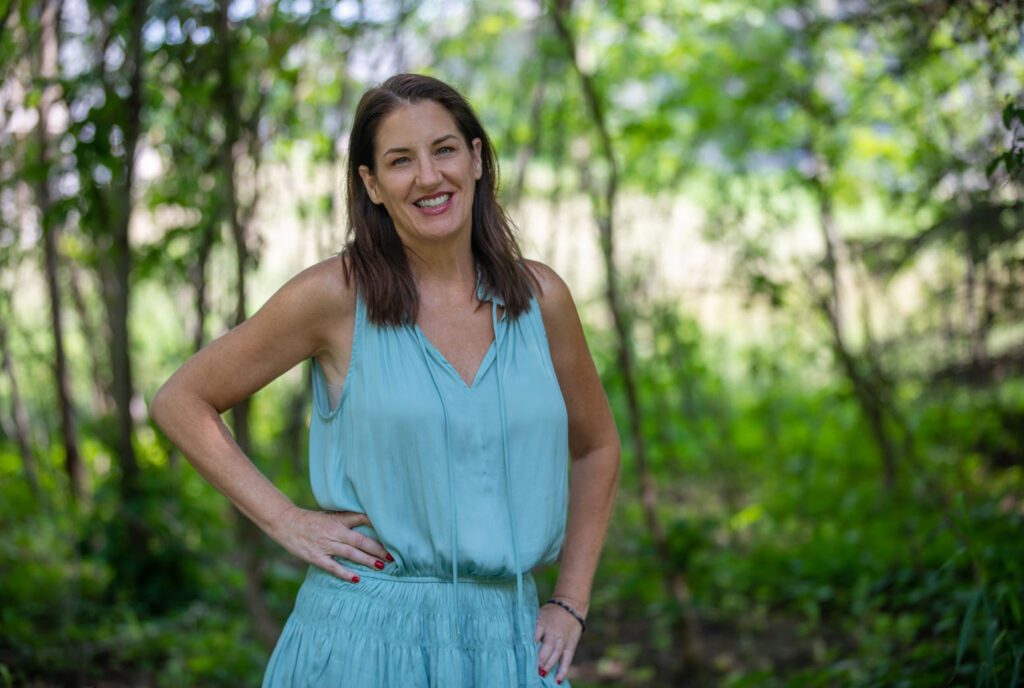
She hasn’t seen her 25-year-old daughter who lives in California for more than a year. Another adult daughter lives nearby, but her two younger children spent the pandemic with their father to reduce exposure to the virus and maintain their schoolwork as much as possible. It was the best thing to do, to keep people safe, but it reduced how much time they could spend together.
“I didn’t drink. I didn’t pick up a cigarette,” she said.
“I literally would go home and pet my dog and go in my bedroom and shut the door. That’s where I would stay until I had to take a bath, take care of the basics. It’s hard to be that isolated again. You don’t have control over the bigger things, only your reaction to them. Sometimes my reactions weren’t good. I didn’t drink or smoke, but it wasn’t good.”
Years of recovery gave her the knowledge of what she should do, what would make her feel better.
That doesn’t mean she was doing them.
That’s how people relapse.
“It’s sitting in yourself with yourself,” she said.
“It was heartbreaking. We are, as a collective group, an isolated group. When we are active in our addictions, we are isolated.
“The cure to addiction is connection.”
If you or someone you know is dealing with addiction, call 211 to get started on a path to recovery.
Share This Story
Most Recent
Videos



Looking amazing @dtsiouxfalls and @washpav! Thanks to @jpickthorn for capturing an incredible night.
Nov 26

Enjoy this glow headed into Halloween week! 📸: @jpickthorn
Oct 31
Hope you had a wonderful summer weekend and are recharged for the week ahead! 📸: @jpickthorn
Jun 27
Beautiful way to start a week! 📸: @jpickthorn
Jan 10
Favorite flyover of the year! Merry Christmas from our entire @pigeon605news flock. 🎄🐦 📸: @actsofnaturephotography
Dec 24
They definitely deserve to be treated like holiday royalty and they were! ❤️ these scenes from tonight’s lighting celebration at @sanfordhealth Children’s Hospital. 🎄
Dec 1
The holidays are here! Perfect night @dtsiouxfalls
Nov 27
Happy Halloween from @avera_health NICU babies! Link in bio to see more! 🎃
Oct 31
Did you know @dtsiouxfalls is filled with 👻 stories? Link in bio … if you dare 😱
Oct 8
When it comes to kids parties nobody wants to be cookie-cutter. Link in bio for the story on what’s trending.
Sep 28
Want to stay connected to where you live with more stories like this?
Adopt a free virtual “pigeon” to deliver news that will matter to you.


Are you a little bird with something to share?
Delivering news that matters to you
Years ago, homing pigeons were used to bring us news we needed. Today, your virtual “pigeon” will deliver what you want to know about the place you call home.
All pigeons are free to good homes!
Our Partners