

Recovering from alcoholism, nonprofit leader shares story
Dec. 5, 2019.
Heather Kittelson’s body was, by her own description, shutting down.
“I was at death’s door,” she said. “I could feel it.”
Down to 95 pounds, the destruction years of drinking alcohol had done to her body and her brain threatened to get the best of her.
“I was shaking so bad I could hardly stand,” she said. “I had no nutrients. I had lost so much weight. I couldn’t even eat a banana.”
It wasn’t that she hadn’t tried to quit.
“Every day,” she said. “Every day was, ‘not today.’ And then you do. ‘I’ll just finish this bottle today, and then I’ll quit tomorrow.’”
The inner voice “was going nonstop,” she continued.
“You’re going to ruin your kids lives,” it said.
By that point, Kittelson acknowledged her drinking had become a problem. But admitting it actually compounded it.
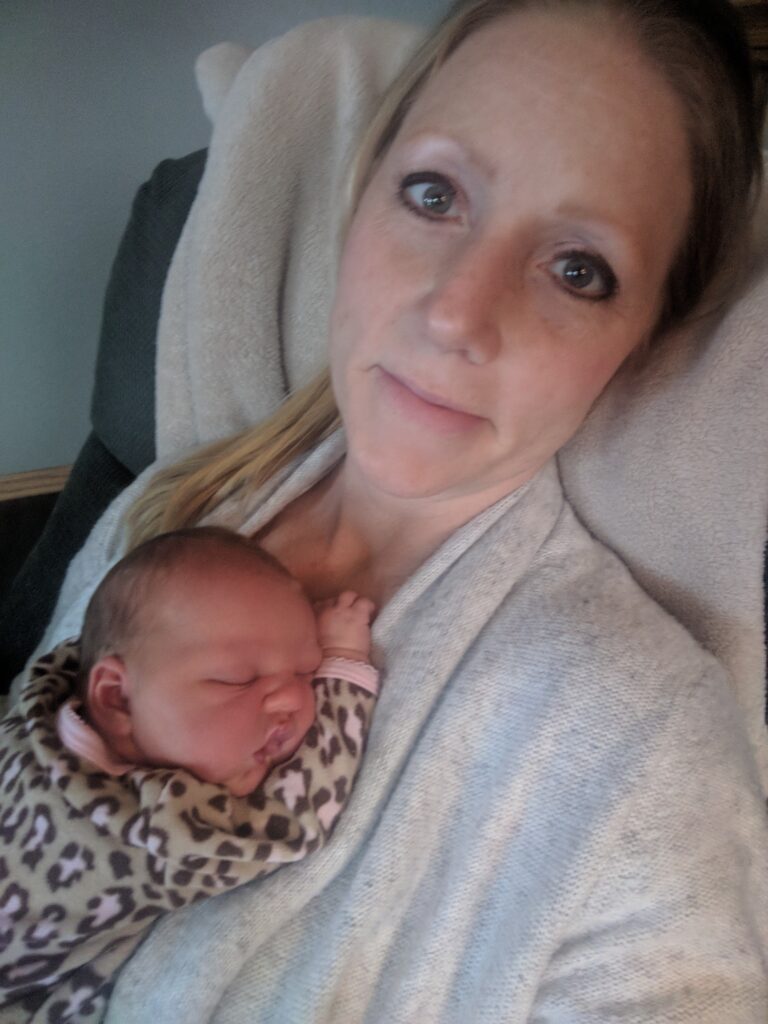
“If this is my life and I’m going to identify as an alcoholic, I couldn’t hide it anymore,” she said. “People were starting to notice. People are finding out the shame. I was so scared of ruining my kids’ and husband’s lives. I didn’t want to ruin my family’s life because I couldn’t quit.”
So instead, Dec. 5, would be the day she took her own life, she decided.
She’d written the note. Came up with the plan.
And then, for reasons they credit only to God, her husband, Amos, turned around while driving into work.
“Something just said this is a day to work from home,” he said. “That wasn’t my character. The fact I turned around at all, if I was questioning if there was a God, that would have solidified it. The chances of that happening were so low.”
He found Kittelson in bed, and called her close friend and Bible study leader.
“I really believe she’s the only one who could have gotten through to me,” Kittelson said. “Amos could have told me it was time, and I would have fought and kicked and screamed.”
But she did listen to her friend, who told her it was time to get help and convinced her in-patient treatment was the best course for her.
More than three years later, she still straps on what she calls “the armor of God” not only to help her continue sobriety but also as she increasingly tells her story.
Seeds of addiction
Heather Kittelson’s story starts well before she was born — into a family that has struggled with addiction.
“A very long line,” she said. “Generational trauma as far back as you can see.”
She had her first drink at 16 and throughout college became the driver because she was known for having the highest tolerance for alcohol.
“I could drink so much,” she said. “It was glorified. The football players were like: ‘I’ll take her on. She’s a challenge.’ I knew if the words came out of my mouth that I was a little worried I had this genetic (predisposition) or whatever, people would start to watch. It wasn’t Heather the fun person. It was Heather has a drinking problem.”
Through adulthood, she called her drinking “a continuous roller coaster.” The couple would split a bottle of wine. It wasn’t always binging. A mother of four, she stopped during pregnancy.
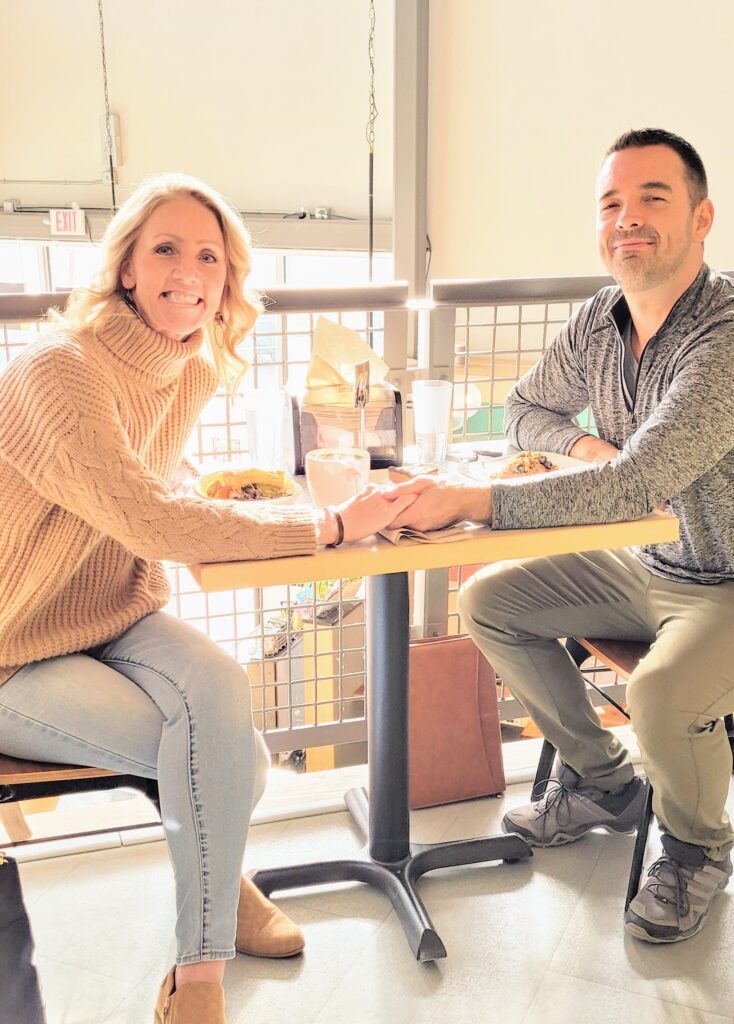
But Amos Kittelson first noticed a warning sign when she was pregnant.
“Things were better when she wasn’t drinking,” he said. “What I didn’t realize is the personality shift that happens when someone is drinking. Heather is well known for being a professional in the community … but when she was drinking, she turned into a very different person.”
Combative. Argumentative. Disrespectful. Up and down.
“We can walk and talk and converse and do all these things, and we’re not coherent,” Kittelson explained. “It’s weird. That’s the whole ‘I don’t remember what I did last night.’ We can do all these things and have no memory.”
Arguments the night before that led her husband to be upset the following morning didn’t even exist in her memory, she continued.
“They know how bad it is, but in a way they choose the alcohol,” Amos Kittelson said.
“We can’t live without it,” Kittelson agreed. “And we can’t imagine having to.”
However, the high-functioning alcoholic “is literally just getting by,” she continued. “There’s no growth. The job we have at hand, we will do what we have to do to get it done. But we’re just gripping every day.”
For her, postpartum depression made her lose that tenuous grip. The effects on her mental health caused her to turn more deeply to alcohol.
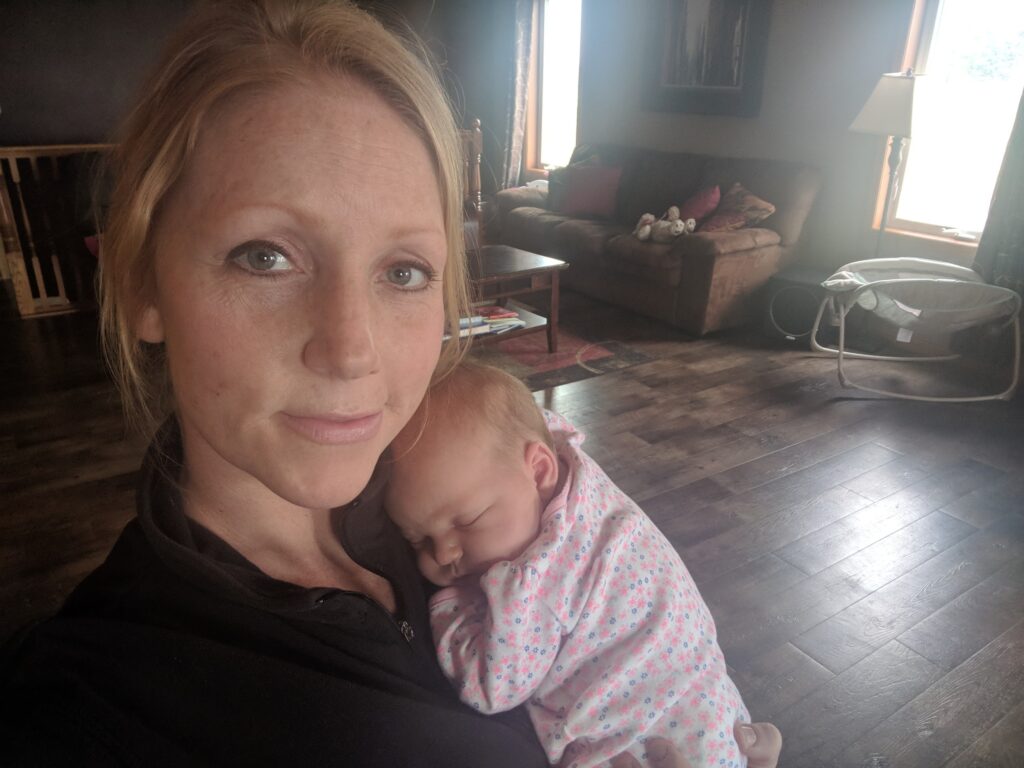
“I couldn’t feel happy. I couldn’t feel sad. I couldn’t feel joy. I couldn’t even smile,” she said. “I couldn’t look at my kids and smile at all. The alcoholic drinks to feel something, to feel happy. However, it’s such a short-lived moment, and the aftermath – the anxiety, regret, shame – is what kills the alcoholic because it spirals you down a big hole.”
It’s also “really hard on the house,” Amos Kittelson added. “The stress in the spouse’s life is a really hard thing. We’re still dealing with the side effects impressed on our kids.”
“It was fine in our marriage until I started to hide a bottle,” Kittelson said. “I thought, this isn’t normal. Why am I hiding it? So that was a big sign.”
While “I have an off switch,” Amos Kittelson said, his wife didn’t.
“We don’t have an off switch,” Kittelson agreed. “Once our brain is lit up, we drink and drink and drink. We chug versus being able to have a drink or two. Our brain tells us we need more and more and more.”
Recovery and reinvention
Kittelson spent Christmas 2019 in in-patient rehab. Her kids were told she’d gone to an intense Bible school. From Dec. 17 until Jan. 17, she began to heal.
Her boss, Dennis Hoffman at Volunteers of America, Dakotas was incredibly supportive, she said.
“The best blessing ever could be an understanding boss who looks at you across the table, and you’re already scared to tell him, and he said, ‘It’s OK, we are going to get through this.’”
She burned her suicide note in treatment.
“For us, (recovery) is minute by minute, hour by hour, day by day,” she said. “And the hardest part is it’s everywhere. Every gas station. Everywhere you stop. It would be so easy to grab a bottle of wine.”
The pandemic provided an unexpected accelerant to her recovery, she said.
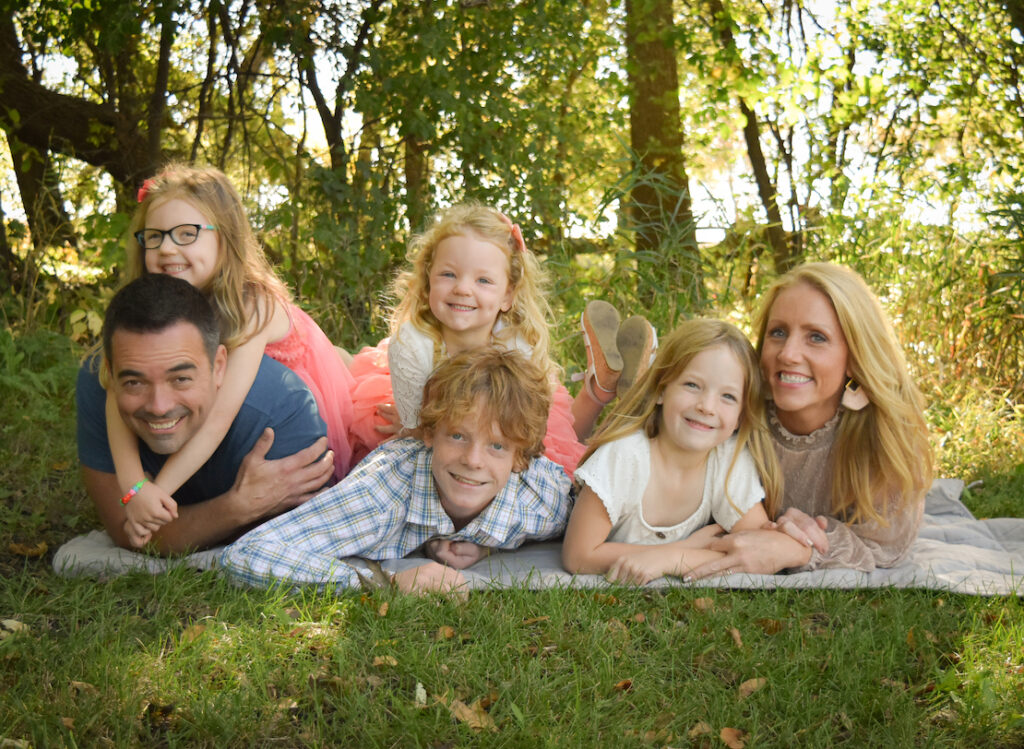
“I was allowed time on my side to heal faster,” she said, explaining often people “bump back into busy life and the busy world, and my world came to a halt, and I got to be present with my kids and got uninterrupted healthier family time. I fast-forwarded learning and reading and podcasts.”
It set the foundation for what she’s doing today, speaking about her experience and planning her own nonprofit. The couple now have a podcast and are working through forming a nonprofit. She’s planning to become an ordained minister.
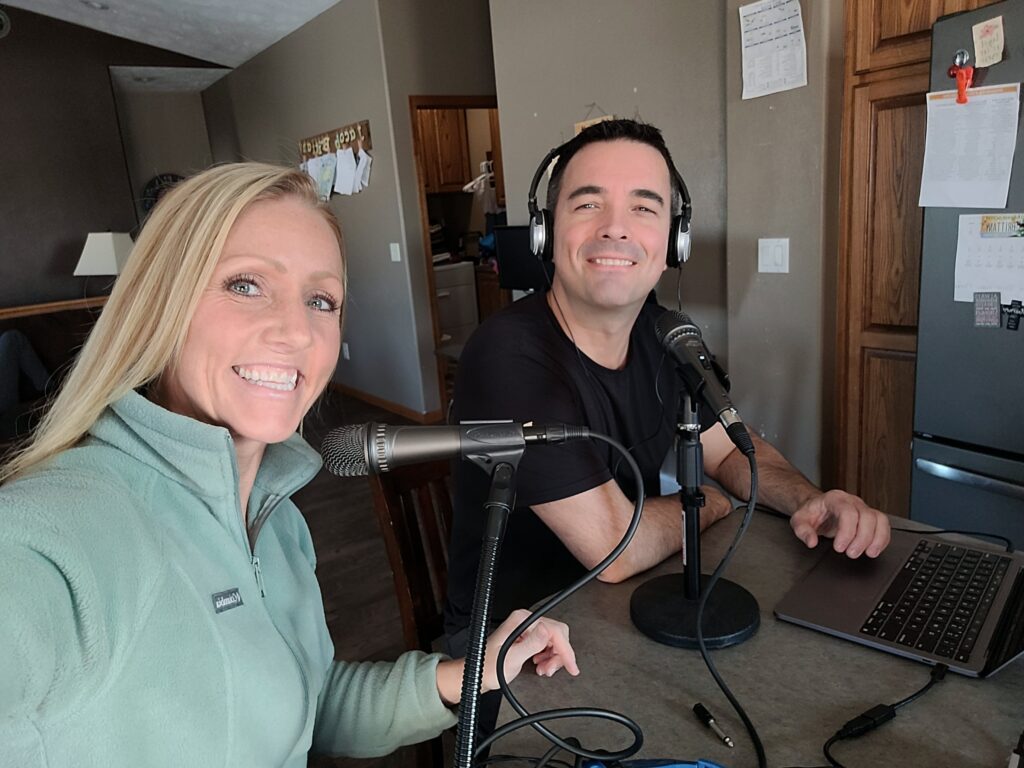
But the most powerful moments have been one-on-one conversations she already knows have changed lives.
She recalls sitting at a coffee shop in an unrelated meeting as her heart started pounding, and she had the feeling she was meant to share her experience with the person across the table.
“And that person across from me had a husband in the middle of his alcoholism, and she hadn’t told anyone,” Kittelson said. “He was hard-core active like I was. … Every time I’d get the feeling I was going to share something and I didn’t know if it was going to resonate, (it happened) every time. It was ‘my aunt,’ ‘my brother,’ ‘my son,’ ‘my daughter.’”
Recovery is necessary for the spouse too, Amos Kittelson added.
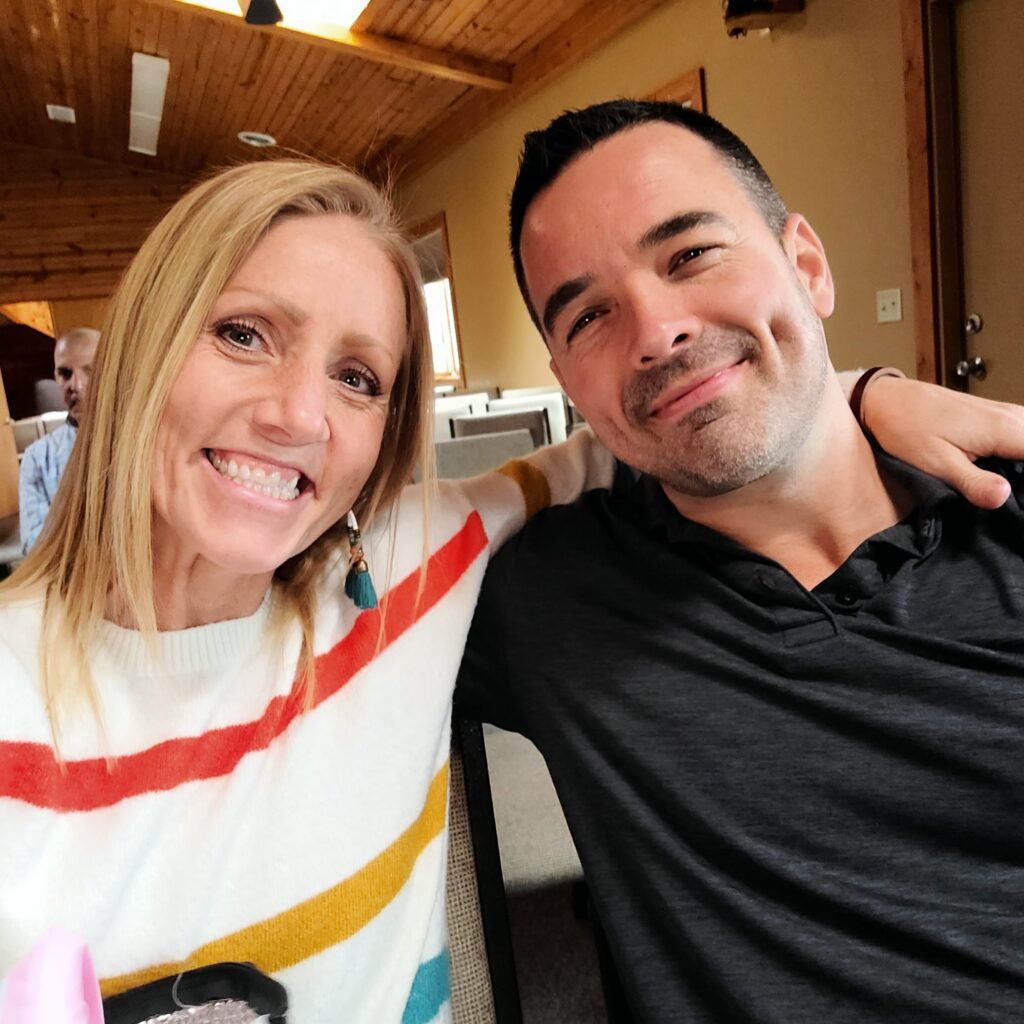
“I started learning and understanding what it means to have boundaries,” he said. “It’s so important for yourself and kids … so not being an enabler, not letting someone else’s chaos affect your life. You have to learn about the disease and understand your spouse, and most people don’t.”
Culture doesn’t help any of this, they added.
Now that Dry January is over, Kittelson is back to being one of a minority of people who don’t drink alcohol. But she has found a supportive social circle and said there’s accountability in being public about her struggle.
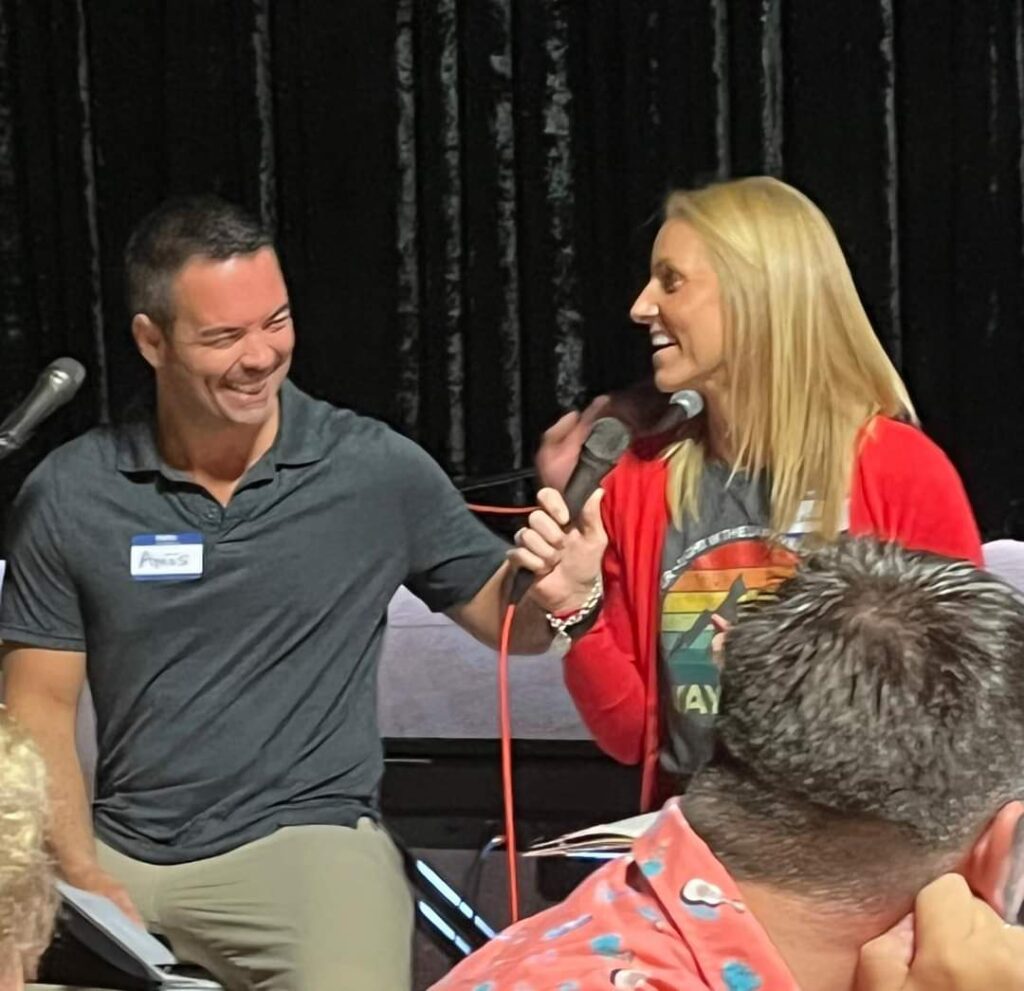
“I don’t care what people think because all I want to do is change lives and bring awareness and advocate for those who no longer have a voice and haven’t made it through and those who are still suffering,” she said.
“You either quit and quit forever, or you die. Alcoholics are wired to drink ourselves to death. Those are my words, I can’t quote a doctor on that, but I really believe we have to dig in our heels and say ‘no more.’”
Share This Story
Most Recent
Videos



Looking amazing @dtsiouxfalls and @washpav! Thanks to @jpickthorn for capturing an incredible night.
Nov 26

Enjoy this glow headed into Halloween week! 📸: @jpickthorn
Oct 31
Hope you had a wonderful summer weekend and are recharged for the week ahead! 📸: @jpickthorn
Jun 27
Beautiful way to start a week! 📸: @jpickthorn
Jan 10
Favorite flyover of the year! Merry Christmas from our entire @pigeon605news flock. 🎄🐦 📸: @actsofnaturephotography
Dec 24
They definitely deserve to be treated like holiday royalty and they were! ❤️ these scenes from tonight’s lighting celebration at @sanfordhealth Children’s Hospital. 🎄
Dec 1
The holidays are here! Perfect night @dtsiouxfalls
Nov 27
Happy Halloween from @avera_health NICU babies! Link in bio to see more! 🎃
Oct 31
Did you know @dtsiouxfalls is filled with 👻 stories? Link in bio … if you dare 😱
Oct 8
When it comes to kids parties nobody wants to be cookie-cutter. Link in bio for the story on what’s trending.
Sep 28
Want to stay connected to where you live with more stories like this?
Adopt a free virtual “pigeon” to deliver news that will matter to you.



Are you a little bird with something to share?
Delivering news that matters to you
Years ago, homing pigeons were used to bring us news we needed. Today, your virtual “pigeon” will deliver what you want to know about the place you call home.
All pigeons are free to good homes!
Our Partners