
Efforts grow to improve Big Sioux River water quality
It’s hard not to love the Big Sioux River.
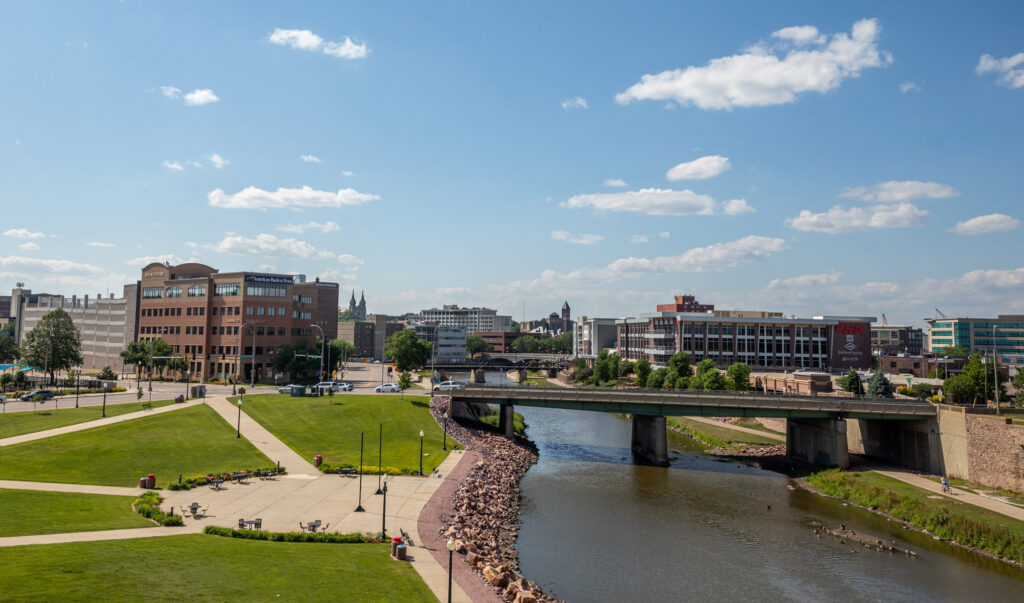
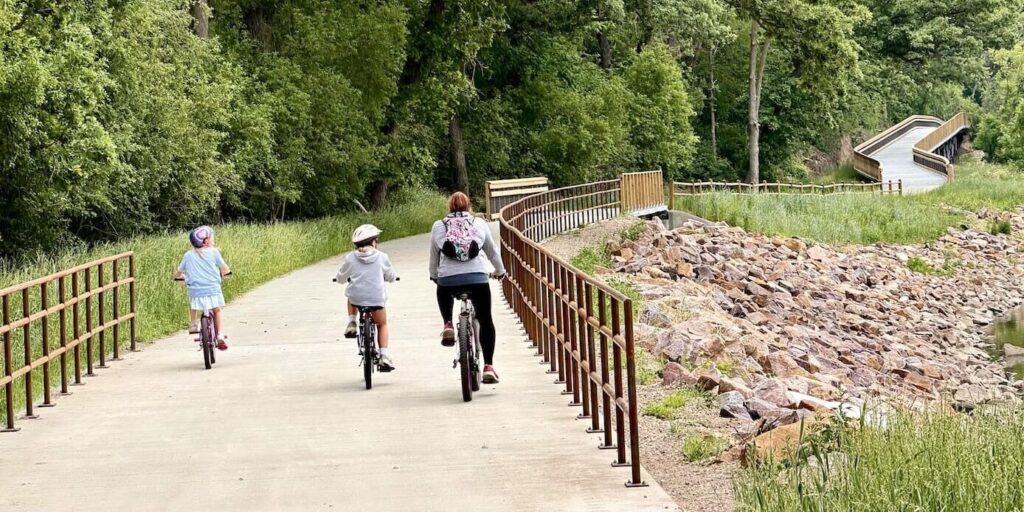
The multi-use path runs along its banks, with walkers, cyclists and people lounging in hammocks enjoying the view. Kayakers float along under the canopy of trees.

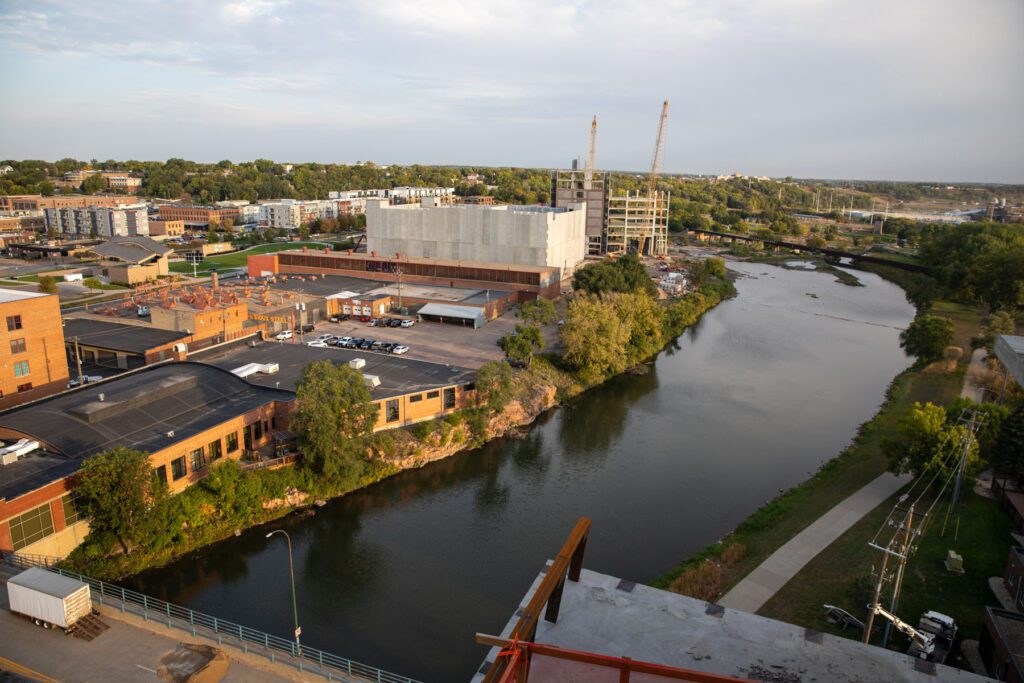
Office buildings and restaurants are rising up alongside the river in downtown Sioux Falls, while the Arc of Dreams spans it. Families take photos on the bridge at Falls Park, with the water thundering behind them.
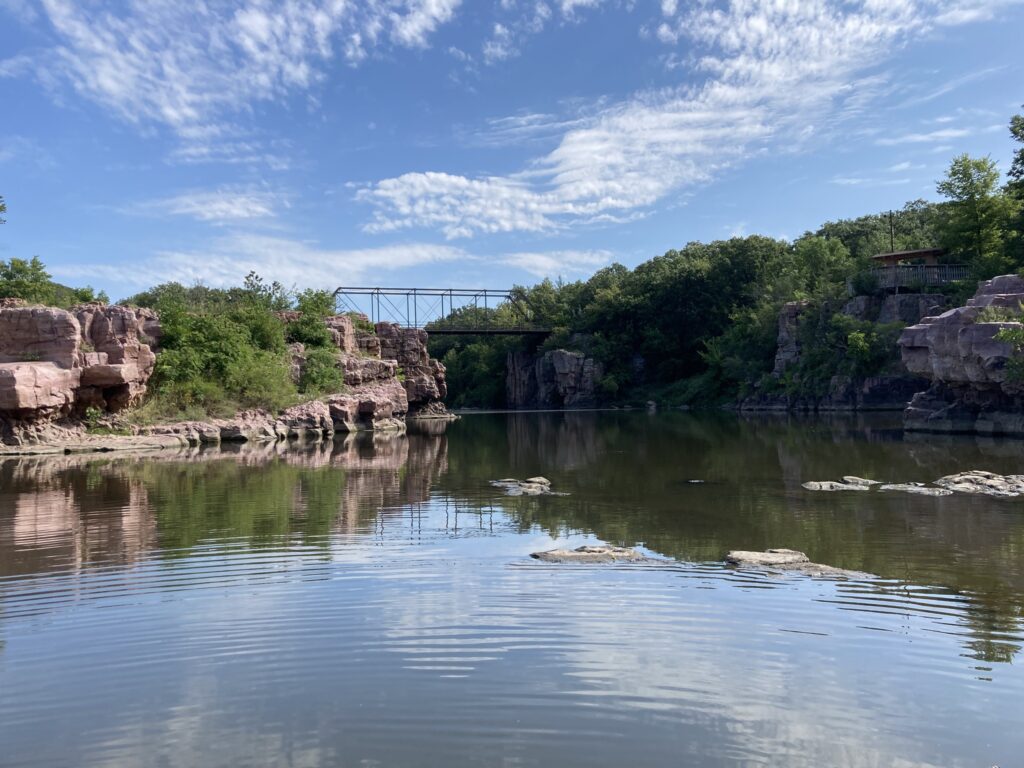
Organizations increasingly ask: What else can we use our river for? They want to whitewater raft in it, swim in it, fish in it, return it to what it once was, which was an 8-foot deep, crystal clear river with a rocky bottom.
This Thursday, experts will gather at the City of Sioux Falls Big Sioux River and Sustainability Summit to talk about how to protect one of the community’s biggest assets. This is the 10th year of the summit, and the first time sustainability along with water use and quality will be addressed, said Holly Meier, sustainability coordinator with the city of Sioux Falls. She noted how successful past summits have been. “With increasing initiatives happening around other sustainability topics, the city wanted to expand the scope,” she said.
The summit is at the Convention Center from 8 a.m. to 5 p.m. and is open to the public. No pre-registration is required.
“There is an incredible lineup of speakers, including two keynotes, on a wide variety of topics, including water resources, conservation, local food, waste reduction, energy and green business practices,” Meier said.
Protecting the watershed
Travis Entenman, managing director of Friends of the Big Sioux River, said attendees not only can learn about what others are doing but also find opportunities to make a difference themselves.
“I’m hoping folks understand what they can do at home, specifically with water quality and how to impact the Big Sioux – like how to conserve water at their home or what happens when they put fertilizer on their yard and what that does to water quality and how it is all connected,” Entenman said. “And then if this is an area of passion for them, how they can become more involved and contact their elected officials and have more of a voice around water quality and the issues they care about.”
Entenman notes that 78 percent of the stream miles of the Big Sioux watershed – which is the size of New Jersey – are impaired, meaning the water quality doesn’t meet certain standards, either through contamination with E. coli or other issues, primarily from runoff – from agricultural practices to city streets and residential yards.
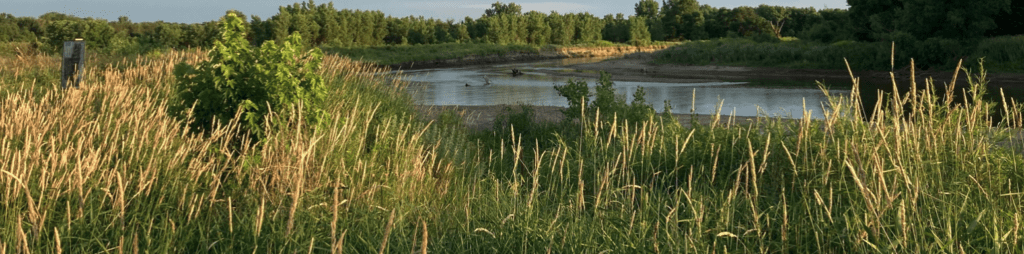
“Water quality takes multiple years, even decades, to come back,” Entenman said. He said putting more economic development along the river puts a spotlight on it and provides an opportunity to talk about how to improve the water quality.
“What is the point in putting multimillion-dollar buildings on the shores of the river if it’s polluted,” Entenman said. “The fact that on a July day when it’s 90 degrees there’s not families and kids recreating in the river, floating, fishing, swimming, what have you, it’s not indicative of a healthy community. It would be great to get back to that.”
He points to resources, manpower and understanding upstream and down to improve the river.
“It’s going to take some time, but the river can be back to a place of highlight and pride for the community,” Entenman said “We need to work past our apathy for the river. It’s possible.”
Meier hopes the summit can highlight some of the work already being done while bringing people together to continue moving forward.
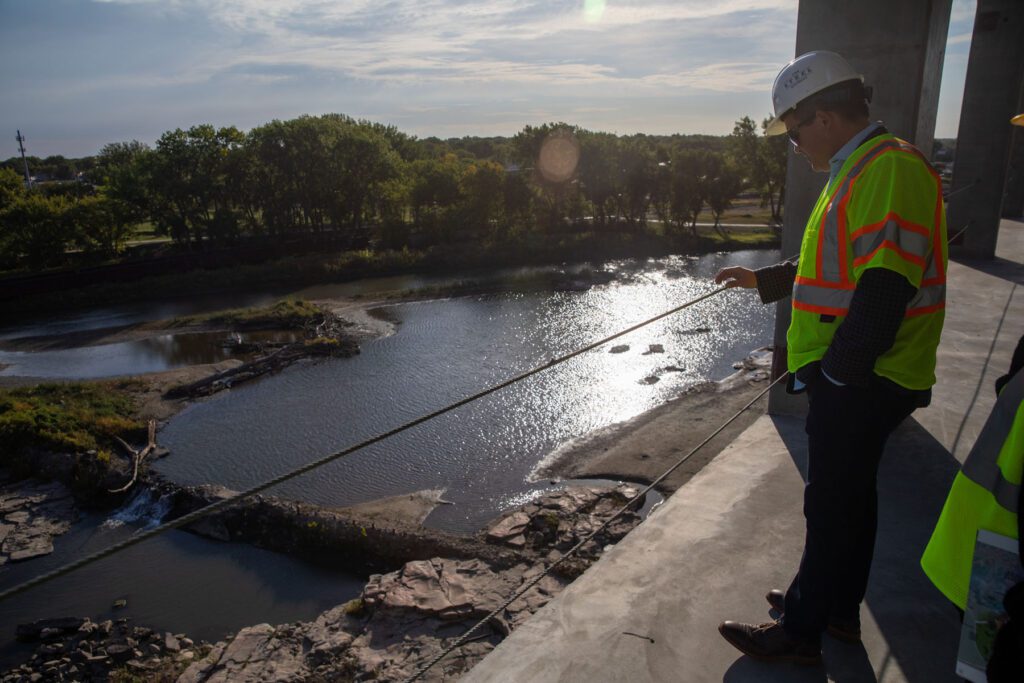
The Sustainable Sioux Falls Plan is being revised by the Sustainability Steering Committee, which was expanded a few months ago to include representatives from utility, homebuilder and affordable housing stakeholder groups, Meier said.
The city took public comment at sessions in November, and the next draft of the plan will be ready for review this spring. The plan still needs to be considered by the City Council.
“Through conversations and public input the city has received, it is clear that the Big Sioux River and water resources are deeply valued by many in our community,” Meier said.
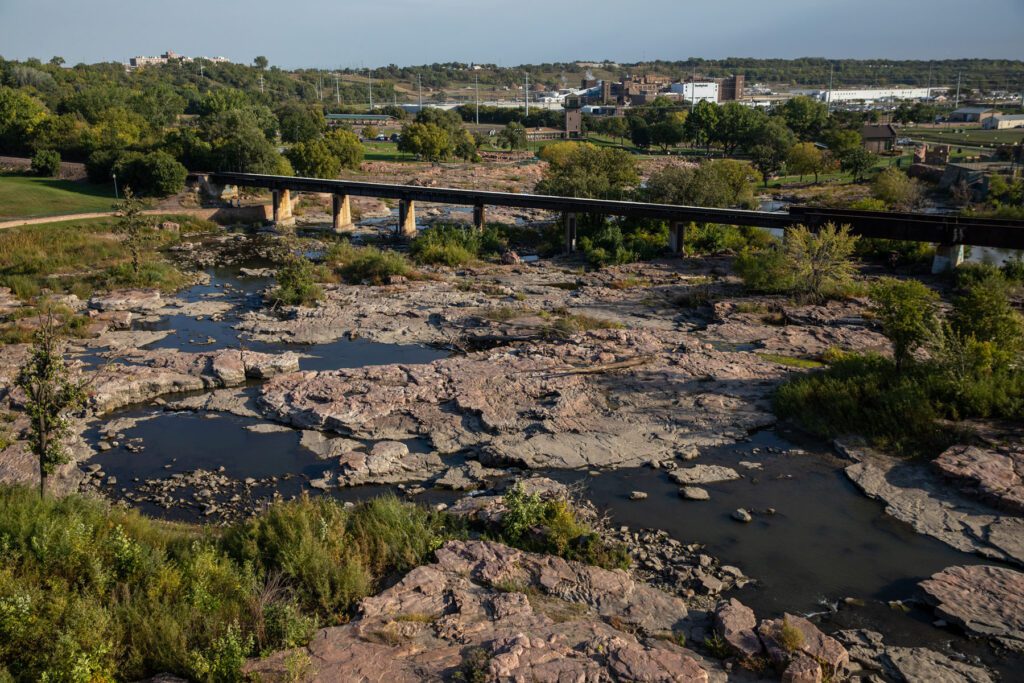
“The city has been working alongside other groups and agencies for many years to help improve water quality within the Big Sioux River watershed, and a lot of progress has been made.”
Solutions for urban, ag interests
John McMaine, an agricultural engineer with SDSU Extension, will speak at the summit about tile drainage and water quality.
“Everything in the Big Sioux River comes from somewhere upstream, and a lot of the landscape is agriculture, and it’s not an indictment on agriculture, it’s just what the landscape is,” McMaine said. “That’s why it matters to think about ag when thinking about the river in Sioux Falls.”
He said change is always difficult, and for sustainable practices to become widespread, you have to remove barriers and provide opportunities. He said farmers want to be good upstream neighbors and run a profitable business. Both are possible, he said.
Entenman agrees that looking for how to alleviate pressures on different groups and find ways to collaborate matters. “It will take everyone to clean up the Big Sioux.”
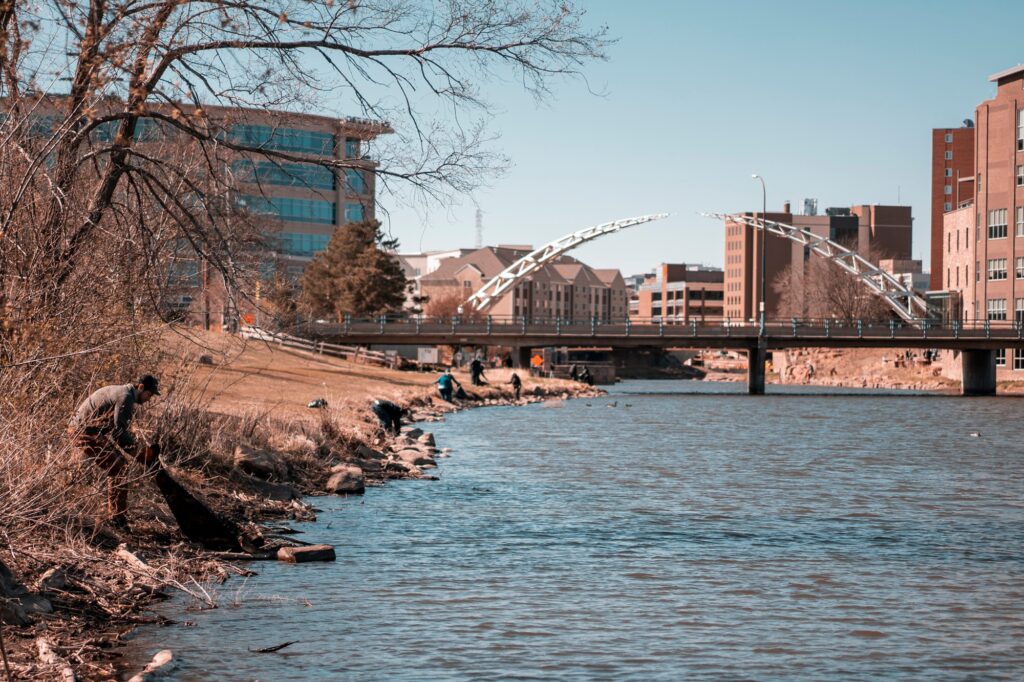
Urban growth puts its own demands on water use and quality. “Bringing in more industry and then more people to work there all requires water,” McMaine said. That’s part of why he thinks adding the sustainability track makes sense – connecting infrastructure upgrades like storm sewer replacements to green infrastructure to permeable pavement. “If you’re doing one project, you cut down the marginal cost” to improvements, he said.
“I’ve tried to identify ways urban and agricultural groups can do things. It’s one thing to point fingers, but it’s another thing to find solutions each side can do,” he continued.
“We talk about water as a renewable resource, but it is a finite resource because where is clean water available based on where the population is,” McMaine said. “There is definitely a nexus there between water and energy and food. I think it’s a good thing to include sustainability because we have complementary benefits to thinking about them together.”
He’ll address the growth in tile drainage and how it affects water quality and the results of a research project monitoring about 30 different tile outlets. They’ve found negligible differences within each outlet, but huge variability outlet to outlet.
“We’re looking at what is driving that – is it management practices, soil texture, something with field characteristics,” McMaine said. From that, they can begin to determine best practices based on site-specific characteristics.
“There’s a lot of investment that goes toward conservation, so this is one step to going away from random acts of conservation and to a more targeted approach,” McMaine said. The analysis should be complete at the end of 2023.
Entenman calls water quality an “everyone issue.”
“The water in South Dakota is held in a public trust because we all collectively own the water, and the state manages it,” he said. “If we want our water a certain way, we have to act like we own it.”
Share This Story
Most Recent
Videos



Looking amazing @dtsiouxfalls and @washpav! Thanks to @jpickthorn for capturing an incredible night.
Nov 26

Enjoy this glow headed into Halloween week! 📸: @jpickthorn
Oct 31
Hope you had a wonderful summer weekend and are recharged for the week ahead! 📸: @jpickthorn
Jun 27
Beautiful way to start a week! 📸: @jpickthorn
Jan 10
Favorite flyover of the year! Merry Christmas from our entire @pigeon605news flock. 🎄🐦 📸: @actsofnaturephotography
Dec 24
They definitely deserve to be treated like holiday royalty and they were! ❤️ these scenes from tonight’s lighting celebration at @sanfordhealth Children’s Hospital. 🎄
Dec 1
The holidays are here! Perfect night @dtsiouxfalls
Nov 27
Happy Halloween from @avera_health NICU babies! Link in bio to see more! 🎃
Oct 31
Did you know @dtsiouxfalls is filled with 👻 stories? Link in bio … if you dare 😱
Oct 8
When it comes to kids parties nobody wants to be cookie-cutter. Link in bio for the story on what’s trending.
Sep 28
Want to stay connected to where you live with more stories like this?
Adopt a free virtual “pigeon” to deliver news that will matter to you.
Read More



Are you a little bird with something to share?

Delivering news that matters to you
Years ago, homing pigeons were used to bring us news we needed. Today, your virtual “pigeon” will deliver what you want to know about the place you call home.
All pigeons are free to good homes!
Our Partners