
Do you know your calcium score?
This paid piece is sponsored by Avera Health.
Calcium is the most common mineral in the human body. We need it for strong bones and teeth, and many other vital functions.
Yet too much calcium, especially when we get it from meat, eggs and dairy, can clog the veins that supply oxygen to the heart.
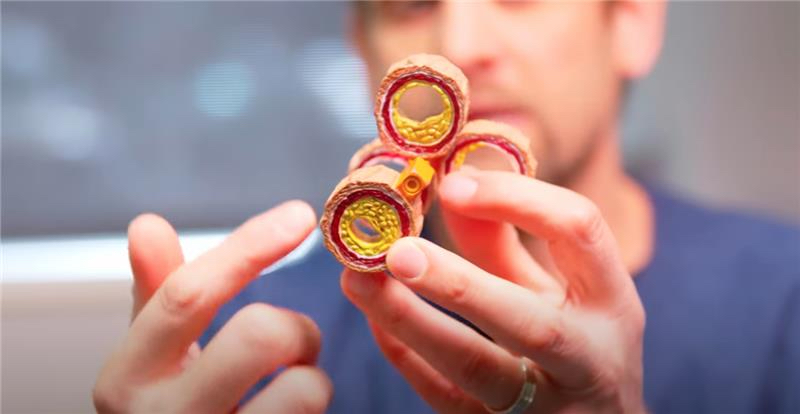
“Some people may seem to be in good health, but their score is high,” said Dr. John Wagener, a structural and interventional cardiology specialist with North Central Heart.
The high score shows that your risk is higher for having heart disease in the future.
What is a calcium score?
An exam called the coronary artery calcium test, also known as the coronary calcium or heart CT calcium scan, looks for calcium deposits in arteries that can reduce blood flow.
“The coronary arteries supply blood to heart muscle, and we use the test as a marker for potential plaque in these arteries,” Wagener said.
This scan can find coronary artery disease before other signs appear. The scan takes pictures of the arteries, looking for plaque buildup.
See what happens as your calcium score increases:
When to get a cardiovascular screening
People between the ages of 40 to 70 without any symptoms and who are at borderline risk for heart disease can benefit from a coronary calcium score.
The things heart experts look for include:
- A family history of heart disease.
- Use of tobacco products now or in the past.
- Being overweight or having a body mass index of 25 or more.
- High cholesterol levels.
- Inactive lifestyle.
How the calcium/plaque test works
The exam, like Avera’s Planet Heart, uses a CT scan that looks specifically at coronary arteries. Check with your insurance provider to see if the test is covered. Some companies, including Avera Health Plans, cover it based on your plan and age.
Coronary artery disease evidence is present when the score shows any amount above zero, but the scores usually fall in these ranges:
- 100 or less, mild proof of CAD.
- 100 to 400, moderate proof.
- More than 400, strong proof.
“The normal score is zero, and that’s sometimes called a negative scan – and that’s good news,” Wagener said. “Yet calcium scores are just one risk factor for heart disease.” The exam can be a lifesaver, though.
What if my calcium score is high?
If your test shows an elevated coronary calcium score, you can take steps.
This will range from exercise and diet changes to prescription medications such as a high-intensity statin medication to manage cholesterol levels.
“Calcium scoring tests can help with your health,” Wagener said. “Talk to your provider about it.”
Get more heart health tips at Avera.org/Balance.
Share This Story
Most Recent
Videos



Looking amazing @dtsiouxfalls and @washpav! Thanks to @jpickthorn for capturing an incredible night.
Nov 26

Enjoy this glow headed into Halloween week! 📸: @jpickthorn
Oct 31
Hope you had a wonderful summer weekend and are recharged for the week ahead! 📸: @jpickthorn
Jun 27
Beautiful way to start a week! 📸: @jpickthorn
Jan 10
Favorite flyover of the year! Merry Christmas from our entire @pigeon605news flock. 🎄🐦 📸: @actsofnaturephotography
Dec 24
They definitely deserve to be treated like holiday royalty and they were! ❤️ these scenes from tonight’s lighting celebration at @sanfordhealth Children’s Hospital. 🎄
Dec 1
The holidays are here! Perfect night @dtsiouxfalls
Nov 27
Happy Halloween from @avera_health NICU babies! Link in bio to see more! 🎃
Oct 31
Did you know @dtsiouxfalls is filled with 👻 stories? Link in bio … if you dare 😱
Oct 8
When it comes to kids parties nobody wants to be cookie-cutter. Link in bio for the story on what’s trending.
Sep 28
Want to stay connected to where you live with more stories like this?
Adopt a free virtual “pigeon” to deliver news that will matter to you.






Are you a little bird with something to share?

Delivering news that matters to you
Years ago, homing pigeons were used to bring us news we needed. Today, your virtual “pigeon” will deliver what you want to know about the place you call home.
All pigeons are free to good homes!
Our Partners