

‘Like a 2-week drowning’: COVID patient offers warning, inspiration for others
By Patrick Lalley, for Pigeon605
Jeff wouldn’t let go of his phone.
Not like when you’re standing on bridge and don’t want to drop it in the river. Not like you might lose your contacts.
Jeff fought to have his phone in his hospital bed, in his hand, just in case.
He wanted time to quick call his wife, call his siblings, call his mom.
Just to say hello, to say I love you, one more time.
Nurses and doctors checked and rechecked his oxygen levels, their faces masked, sealed in a protective shroud, a surreal scene of science fiction.
He could see only their eyes.
They had been pumping air into him for days to raise his blood-oxygen levels. First it was 3 liters a minute. Then 20 liters, then 60 and 100. His lungs couldn’t move the oxygen to his blood fast enough. They were too full of the virus.
First, he wore a normal plastic oxygen mask and then a CPAP to force the air in.
The next step was a tube down his throat.
Once that happened, he figured, there was a good chance he may never talk again.
Jeff wrapped his fingers around the phone.
He waited.
***
Jeff Kirstein is 54 years old and was healthy when he caught the COVID-19 virus.
The only thing of consequence in his medical history was knee surgery in 1985 and antibiotics for an infected finger.
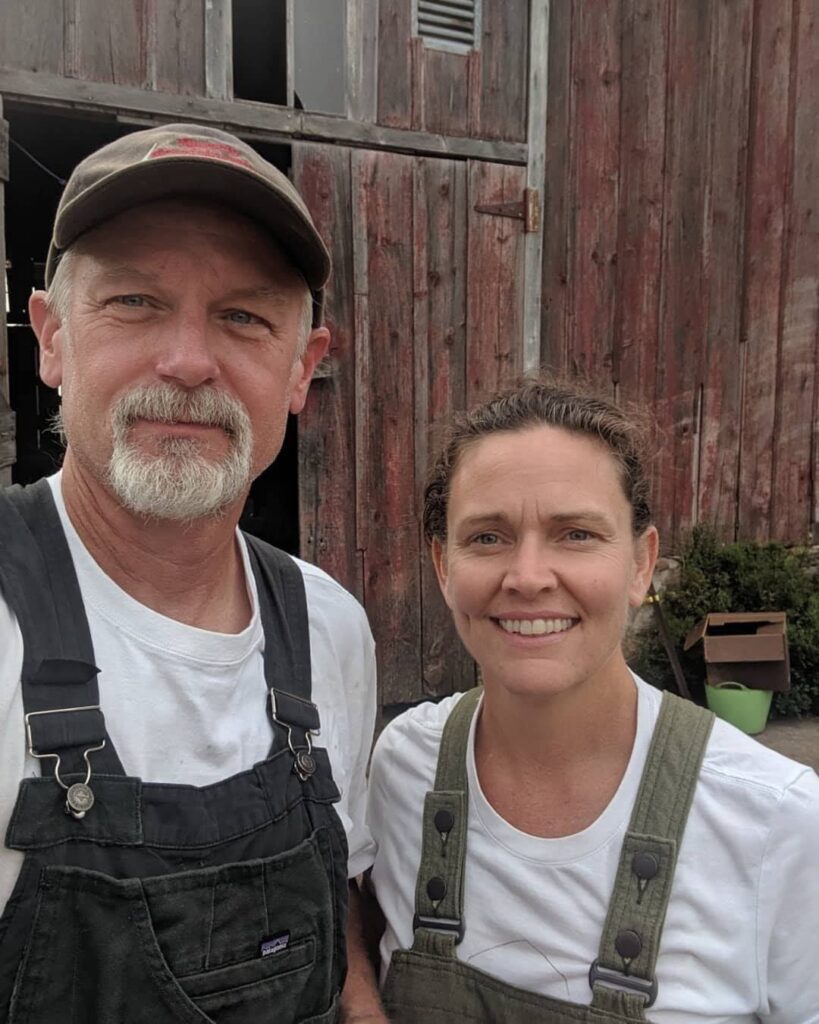
But a month ago, Jeff – who lives with his wife on The Good Earth, an organic vegetable farm in Lincoln County, who works in an office of one, who rarely gets colds – got sick.
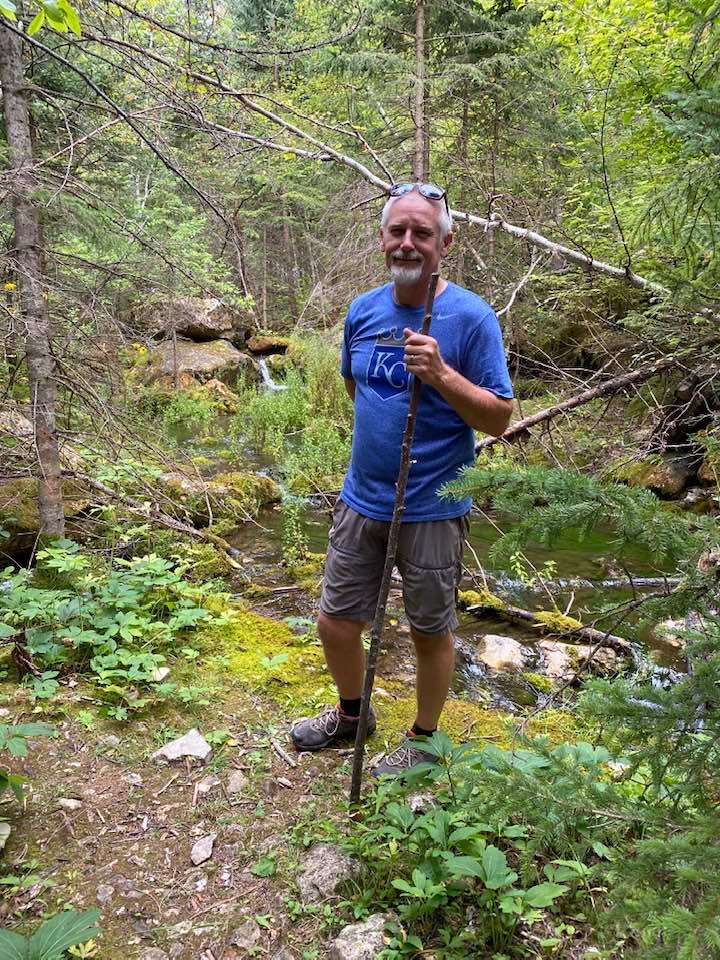
He spent 24 days in the hospital while his immune system bombarded his body trying to fight the virus. Eleven of those days were in intensive care.
But he lived.
He’s not sure how or why, other than the nurses and doctors at Avera McKennan Hospital & University Health Center in Sioux Falls saved him.
If you don’t contemplate death in a moment like that, well, you weren’t alive to begin with.
“I don’t believe there would be a worse way to die than to slowly suffocate,” Jeff said Monday afternoon, the day after his release from the hospital. “I don’t know how it would get worse than that. It’s like a two-week drowning.”
***
For the past year, Jeff did everything you were supposed to do in the pandemic.
He washed his hands religiously. He and Nancy stayed home most of the time, taking care of their farm, talking to friends on the phone or sometimes in person.
He had to travel occasionally for his job as the executive director of the Independent Electrical Contractors Association. But it was just driving in South Dakota and North Dakota to resupply electrician apprenticeship programs and only when he could do so without interaction on site.
Nobody can eliminate all risk of catching the virus, but Jeff did what he could.
Odds were that he wouldn’t catch it. That if he did, it wouldn’t be bad. And even if it was, odds were it wouldn’t kill him.
But even the best odds aren’t a guarantee.
***
On St. Patrick’s Day, Jeff had a sore throat and a headache.
The symptoms got worse each day. On Sunday, he went on the South Dakota Department of Health website to find out how to get tested. The site listed four area Hy-Vee stores, with a few days’ wait to get the test and then a few more for the results.
Friends suggested the Avera drive-thru testing station.

On Monday afternoon, he got a positive result for COVID-19 and was advised to stay home, to quarantine until Friday.
A friend brought over a case of Gatorade and a small blood-oxygen meter that clamps onto your finger.
It said 93 percent, just below the normal range.
It was low enough for the online Avera nurse to sign him up for supplemental oxygen.
That was Wednesday.
At full blast, the home supply of 3 liters a minute could keep his number at 92 unless he got up and moved around. Then, it dipped into the 80s, worrying him enough to head to the emergency room, where he was just sent home and told to keep watching.
Then, Jeff couldn’t keep the oxygen level above 90 at rest, and sometimes it dipped into the 70s.
Five minutes into a conversation with Avera telemedicine, the doctor said: “Get your stuff and go to the emergency room. Don’t go to the clinic. Go to the main hospital.”
Doctors there did a chest X-ray.
“And immediately diagnosed me with COVID-19 pneumonia,” Jeff said.
It was Thursday, March 25, day one of his hospital stay.
***
Research continues into how the coronavirus works, how it’s transmitted, how it mutates and how it kills. People wrongly compare it to the flu or assume it will feel the same.
But the flu doesn’t feel like suffocating. It doesn’t have what pneumonia from COVID-19 has: A pus buildup in your lungs, collateral damage from lack of oxygen to your kidneys, liver, heart, brain and other organs.
In the bad cases, the patient develops acute respiratory distress syndrome. The oxygen levels drop, breathing becomes more and more difficult, eventually requiring a ventilator, a machine that breathes for you via a tube.
That’s the last step before people die.
***
Nancy drove Jeff from the farm to the hospital that Friday.
The seriousness of his condition had been settling in for a few days, but this was different.
On the way, they talked about the big things that you don’t want to talk about. The kind of things that change how your hair feels and the way energy tingles through your body into your fingers and toes. It was possible they’d never see each other again.
“We’ve had a really good life,” Nancy recalls him saying. “It didn’t seem real.”
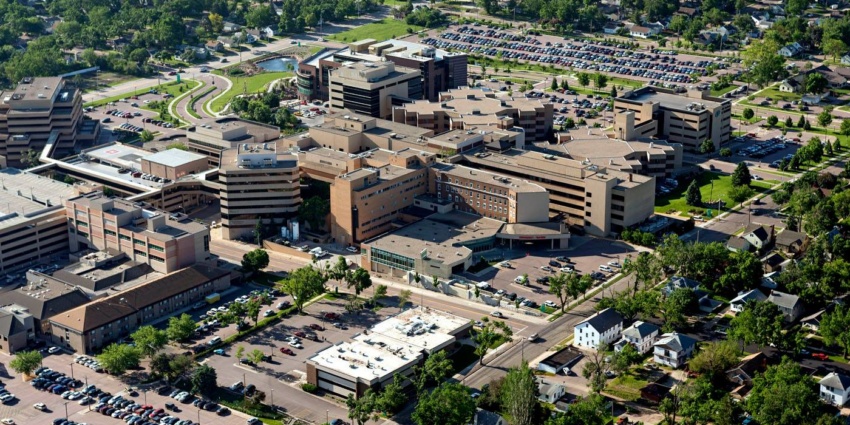
They arrived at the Avera McKennan campus and checked Jeff into the hospital. But the pandemic precautions prevented Nancy from going any farther. The shock left her reeling.
“I can’t drive home,” she said. “I couldn’t leave the ER. I can’t leave him here.”
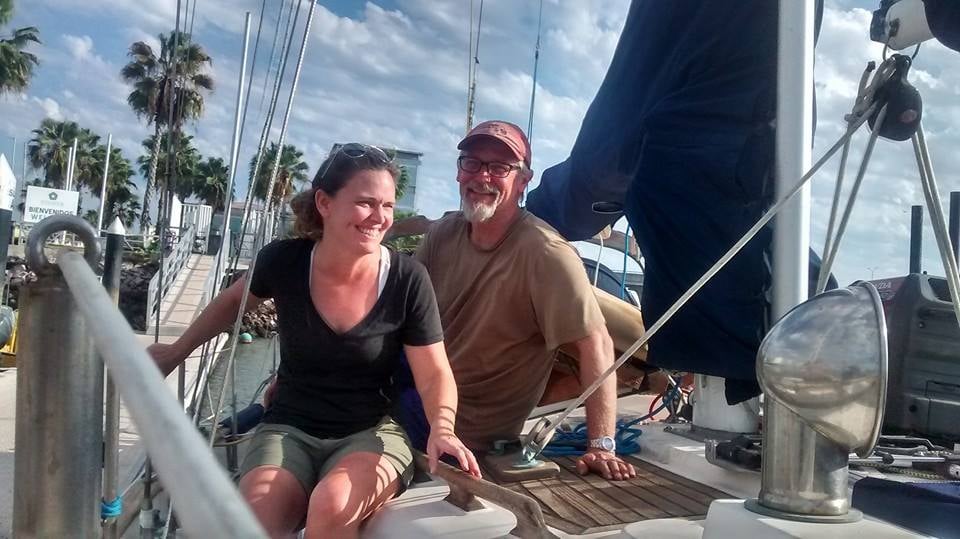
They’d once spent a year living on a boat, sailing the coast of Mexico. They were rarely more than 250 feet apart.
Ten years ago, they bought the small farm south of Lennox with a dream of restoring as much of the original homestead as possible. They worked together building an organic vegetable business, which meant they were rarely beyond shouting distance.
Nancy sat in her car, trying to figure it all out. She drove home.
It would be eight days before she would be able to see Jeff in person.
***
Lying in a hospital bed at 3 a.m., unable to breathe on your own, unable to sleep because of the monitors, unable to see the people you love, there’s a lot of time to think.
Jeff’s lungs were failing, but his mind was not.
“I had done the math in my head, and I knew it was very serious. Even though they characterize it as a moderate case. I figured it was 50-50. That I would live or die. You come to grips with that in your head.
“Which was a super-interesting process because a couple days before I got admitted to the hospital, they put me on steroids, and they don’t let you sleep. And then I got steroids when I was in there. So I went five days without a minute of sleep at one point. And your brain is just working overtime to process stuff. It was very bizarre. I definitely saw things that weren’t there.
“At one point, if I closed my eyes, when my eyelids came down, I would see two gigantic columns of numbers and words, like huge columns in front of me. They had thousands and thousands of characters on them, and they were slowly moving. In my mind, I’d figured it out that if I could remove a word or a number pattern from each side at the same time, it would allow me to sleep for a second.
“I was constantly trying to balance, and I’m looking to both sides trying to pull things out of there, that I’d circle and recognize and pull them out. Then if I got ahead, I would be able to sleep until the board filled up again.”
The doctor gave him sleeping pills.
***
Back on the farm, Nancy was seeing everything that was there.
People came to help however they could, taking over the seedlings, working on the barn restoration project, feeding the animals.
But she saw what was coming: a financial catastrophe because the Kirsteins don’t have health insurance.
Nancy’s brain slid into a weird dichotomy.
She couldn’t leave the farm. She desperately wanted to.
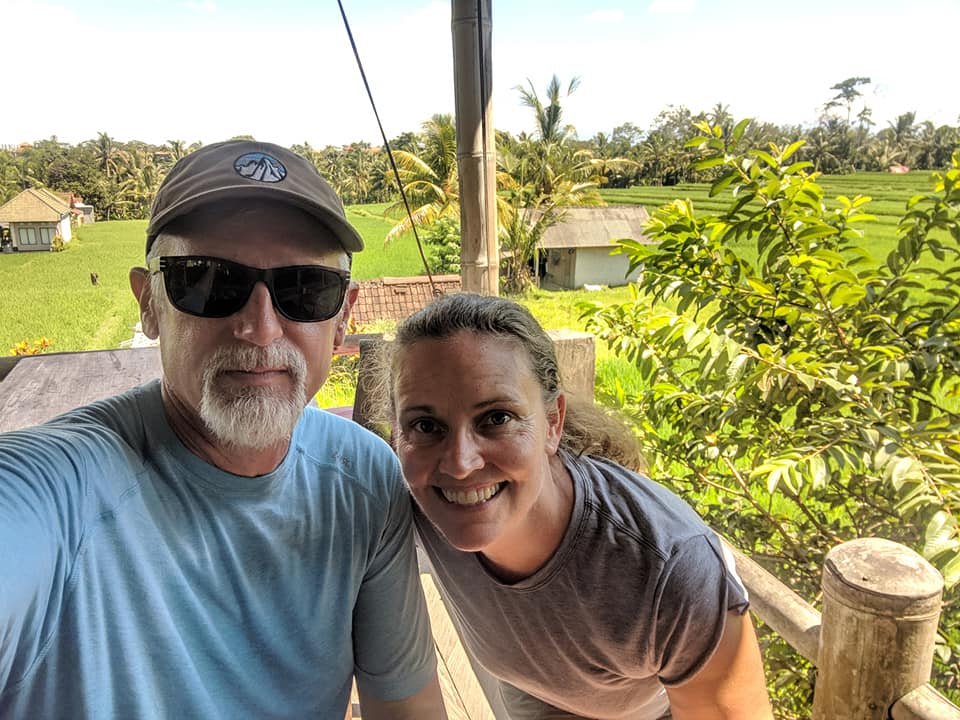
The weight of the potential loss was pressing down. The sense of security was fading. She thought about calling a real estate agent to get the process started.
They would sell the farm.
“I can’t keep him safe here,” she thought. “When he gets out, I just don’t want to be here anymore. I want to be a place that isn’t here.”
She didn’t Google anything, leaving that up to capable in-laws.
“I couldn’t go down that rabbit hole,” she said. “I was protecting myself. There was a brief moment, I think it was on Sunday night, for 10 seconds I thought about the fact that he might not live and what that might be like.
“I felt awful, and I can’t do that ever again. I just said he’s going to get through this. That’s where I had to be mentally just to get through my day.”
***
Numbers mean something to Jeff Kirstein.
In a previous chapter of his life, he built and sold a company that distributed framing supplies internationally.
So when he considered health insurance, as independent businesspeople, he calculated the cost and the risk.
The cost for the two of them would be north of $14,000 a year in premiums on the exchange. If something did happen, it could be an additional $12,000 to $20,000 out of pocket.
“Our thought is, we eat healthy, we exercise,” he said. “If we end up with something that costs 30 grand, we can pay it.”
The problem, of course, is that a risk analysis can’t analyze every unknown. Sometimes, there’s a virus that you don’t see coming.
“I know there are people that will think we were being irresponsible about not having insurance, and that’s OK,” Jeff said. “I just want them to know that we, to the best of our abilities, we thought stuff through, measured the risk and made a decision.”
***
It’s tempting to be angry.
Jeff is not.
He’s a businessman and a capitalist with a socially progressive heart.
The expensive and bureaucratic health care system saved his life.
The folks who walk proudly unmasked and refuse the shot? They aren’t irrational, he said. They’ve been misled.
“They believe what they’ve been told,” he said. “There are people in high places that have told them lies knowingly. I can’t fault people for believing that.”
Jeff wasn’t always so forgiving. Certainly, the experience changed his outlook.
He believed, like many of us, that it was his responsibility to take care of himself and his loved ones to the best of his ability. If somebody didn’t want to take precautions and they got COVID-19, that’s on them.
“I do not feel that way now,” he said. “I don’t want anybody else to go through this. That’s all I want. I want people to take care of each other.”
***
Jeff went home Sunday, greeted by Buck and Sydney, their dogs. He can’t move much. He can’t walk into the yard of the farm yet, and the prospects of a full recovery are unknown. Nancy spent 24 days in a fog, not knowing whether they would need to sell the farm to survive. The medical bills haven’t been delivered yet.
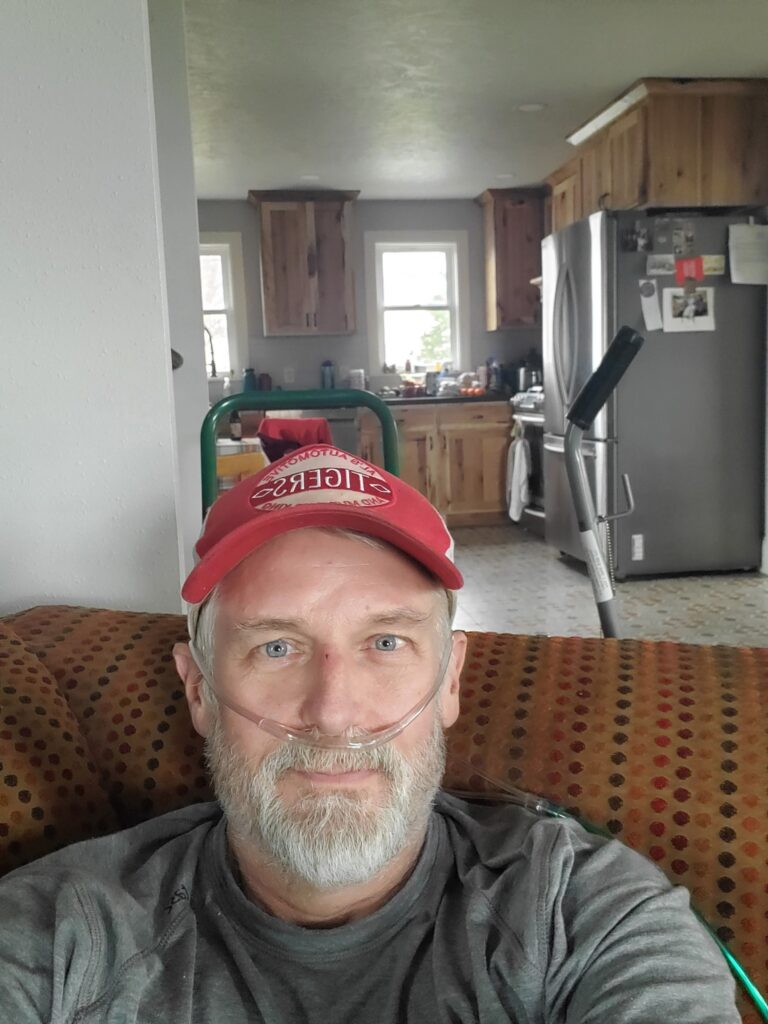
But this is a happy story.
Jeff didn’t die, and he is getting better every day.
And the past month, he and Nancy have been flooded with love.
Since childhood, Jeff has been a fan of the Villanova Wildcats basketball team. He has attended hundreds of games and drags anybody he can into the Villanova vortex. Relatives of relatives knew someone who was friends with this guy who knows Jay Wright, the Wildcats’ head coach.
That led to a personal video message of encouragement from Wright, who himself had tested positive in December.
And another from Ryan Arcidiacono, the MVP of the Final Four, who led the Wildcats to a national championship in 2016.
And actor Larry Manetti who played Rick on the “Magnum P.I.” television series sent a video. It’s a thing with Jeff. He also had a “Magnum P.I.” poster in the hospital that someone sent.
Another friend who is climbing Mount Everest put together a group of people to ask the mountain for blessings for Jeff.
A convent of nuns was praying for him.
“I’m not a religious person,” he said. “But I certainly don’t discount the value of it, and I really appreciate that. There were hundreds and hundreds of people praying for me, some of whom didn’t even know me. That’s just crazy.”
Nancy quickly realized that selling the farm wasn’t the answer. In fact, there’s no point in thinking too hard about it for now. You deal with reality when it’s real.
She doesn’t have any idea what the future holds, the degree to which Jeff will recover. Will he be able to help at the farm? Will he need continuing care? He also could fully recover, or something near that. There’s no way to tell.
But for all the challenges, and the fear and the tears, there is light.
Jeff’s brother Sam, who lives in the Twin Cities, tried to help in any way he could, making the trip to Sioux Falls to pitch in. He also looked into what the medical bills might be and learned that South Dakota had received federal funding to help hospitals cover the cost of the pandemic.
Nancy called Avera. After some research, they called back.
The hospital bills? Covered.
“Nancy just started bawling,” Jeff said. “Because if it hadn’t, I mean, obviously we’re selling this place. You know, if we lose our house, we lose everything we’ve got.”
***
In the thick of it, clutching his phone in the hospital, wondering what would happen each time a nurse or doctor checked on him, Jeff imagined himself.
“I’m a single-cell organism,” he texted a friend. “My job is to breathe. It’s what I do. I focus every waking moment on taking a breath of air.”
He never knew if the next breath would come.
He never let go of that phone.
Share This Story
Most Recent
Videos

Looking amazing @dtsiouxfalls and @washpav! Thanks to @jpickthorn for capturing an incredible night.
Nov 26

Enjoy this glow headed into Halloween week! 📸: @jpickthorn
Oct 31
Hope you had a wonderful summer weekend and are recharged for the week ahead! 📸: @jpickthorn
Jun 27
Beautiful way to start a week! 📸: @jpickthorn
Jan 10
Favorite flyover of the year! Merry Christmas from our entire @pigeon605news flock. 🎄🐦 📸: @actsofnaturephotography
Dec 24
They definitely deserve to be treated like holiday royalty and they were! ❤️ these scenes from tonight’s lighting celebration at @sanfordhealth Children’s Hospital. 🎄
Dec 1
The holidays are here! Perfect night @dtsiouxfalls
Nov 27
Happy Halloween from @avera_health NICU babies! Link in bio to see more! 🎃
Oct 31
Did you know @dtsiouxfalls is filled with 👻 stories? Link in bio … if you dare 😱
Oct 8
When it comes to kids parties nobody wants to be cookie-cutter. Link in bio for the story on what’s trending.
Sep 28
Want to stay connected to where you live with more stories like this?
Adopt a free virtual “pigeon” to deliver news that will matter to you.




Are you a little bird with something to share?

Delivering news that matters to you
Years ago, homing pigeons were used to bring us news we needed. Today, your virtual “pigeon” will deliver what you want to know about the place you call home.
All pigeons are free to good homes!
Our Partners