

Keep button batteries out of curious kids’ reach
This piece is sponsored by Sanford Health.
Electronic devices that use coin-sized lithium button batteries are all around us – in big brother’s mini remote control, sister’s calculator, Dad’s watch, Mom’s key fob, Grandpa’s hearing aid and even singing birthday cards. These small devices are part of our everyday life.
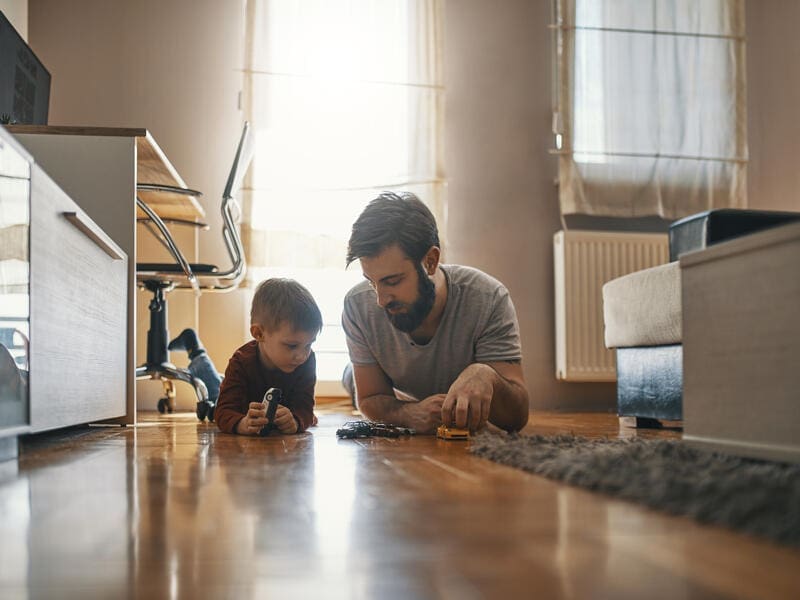
Coin-sized batteries may provide energy for things we use every day, but they also pose a danger to children and pets. When swallowed, these batteries can cause severe internal burns that can become life-threatening.
Know your battery facts, and know how to keep your children safe when it comes to button batteries in your home.
Potential risks of button batteries
- When a child swallows a button battery, saliva triggers an electrical current. A chemical reaction starts that can severely burn the esophagus in as little as two hours.
- Your child can still breathe and will act normal after ingesting a battery. It may not be obvious at first that there is something wrong.
- Repairing the damage from battery ingestion is painful and often involves multiple surgeries. Even after a battery is removed, your child can experience harmful side effects to their vocal chords and windpipe.
Keep your home safe
- Search your home for devices that may contain coin-sized lithium button batteries.
- Keep coin lithium battery-controlled devices out of sight and out of reach of young children. This includes devices such as remote controls, singing greeting cards, digital scales, watches, hearing aids, thermometers, older children’s toys, calculators, key fobs, flameless or tea light candles, flashing holiday jewelry or decorations that contain button batteries.
- Keep loose replacement batteries locked away and out of reach of young children.
- Secure the battery compartment of electronic devices that have button batteries with a piece of duct tape.
Get immediate treatment
- If you suspect your child has ingested a battery, go to the hospital immediately. Don’t induce vomiting or have your child eat or drink anything until assessed by a medical professional.
- The symptoms of ingesting a battery may be hard to recognize — symptoms may include coughing, drooling and discomfort. If you suspect your child has ingested a battery, don’t take any chances. Seek medical attention immediately.
The number of visits to emergency departments because of battery-related injuries has more than doubled in the past decade. Keep the phone number for Poison Control — 800-222-1222 — posted on your refrigerator or in your cellphone contact list.
For information on keeping your home safe, call Sanford Children’s Safety Center at 605-312-8390, or email [email protected].
Learn more
Share This Story
Most Recent
Videos



Looking amazing @dtsiouxfalls and @washpav! Thanks to @jpickthorn for capturing an incredible night.
Nov 26

Enjoy this glow headed into Halloween week! 📸: @jpickthorn
Oct 31
Hope you had a wonderful summer weekend and are recharged for the week ahead! 📸: @jpickthorn
Jun 27
Beautiful way to start a week! 📸: @jpickthorn
Jan 10
Favorite flyover of the year! Merry Christmas from our entire @pigeon605news flock. 🎄🐦 📸: @actsofnaturephotography
Dec 24
They definitely deserve to be treated like holiday royalty and they were! ❤️ these scenes from tonight’s lighting celebration at @sanfordhealth Children’s Hospital. 🎄
Dec 1
The holidays are here! Perfect night @dtsiouxfalls
Nov 27
Happy Halloween from @avera_health NICU babies! Link in bio to see more! 🎃
Oct 31
Did you know @dtsiouxfalls is filled with 👻 stories? Link in bio … if you dare 😱
Oct 8
When it comes to kids parties nobody wants to be cookie-cutter. Link in bio for the story on what’s trending.
Sep 28
Want to stay connected to where you live with more stories like this?
Adopt a free virtual “pigeon” to deliver news that will matter to you.
Read More





Are you a little bird with something to share?

Delivering news that matters to you
Years ago, homing pigeons were used to bring us news we needed. Today, your virtual “pigeon” will deliver what you want to know about the place you call home.
All pigeons are free to good homes!
Our Partners