
Inside newly expanded wastewater plant, capacity sits to support growth
The biggest public project in Sioux Falls history is done.
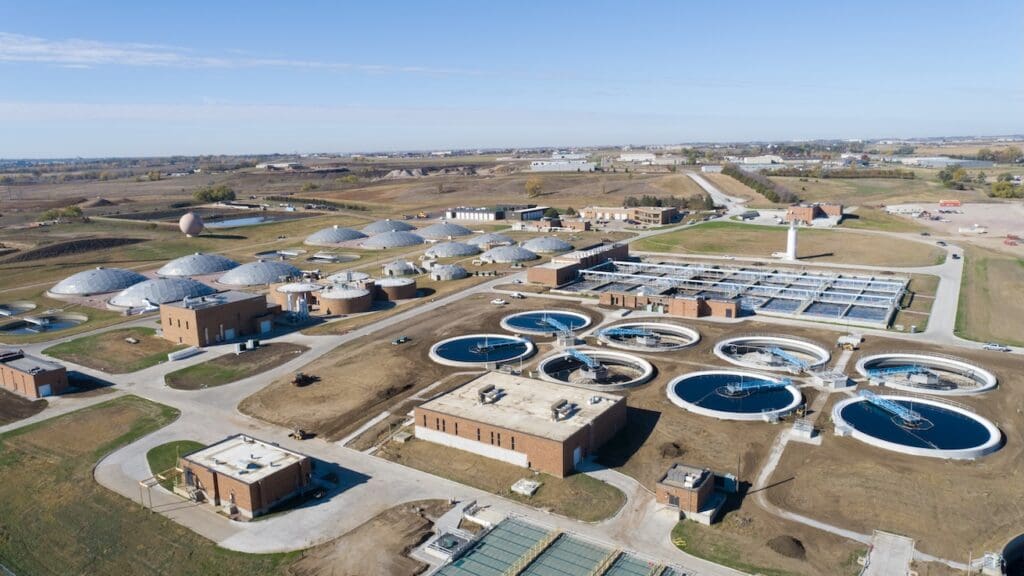
The $215 million expansion to the city’s water reclamation facility, which took more than three years, will position the city to support an estimated 20 years of growth and will be available to meet the needs of regional communities.
“It’s one of the foundational utilities that allows for communities to continue to grow,” said Mark Cotter, the city’s director of public works.
“This is the first major upgrade the facility has seen in more than 40 years since it was built.”
The water reclamation facility was built in the 1980s and is located at 4500 N. Sycamore Ave. In addition to Sioux Falls, it serves regional communities such as Renner, Brandon and Tea.
When it came online in 1986, Sioux Falls had fewer than 98,000 residents.
The current population is almost 220,000 residents and is projected to be 370,000 by 2050 with a metro area of 460,000.
“In order to plan for that growth and allow that growth to happen, we’ve got to go to our two most important utilities — wastewater is first and water is second, and the city is sitting very good from a water supply and a wastewater supply,” Cotter said.
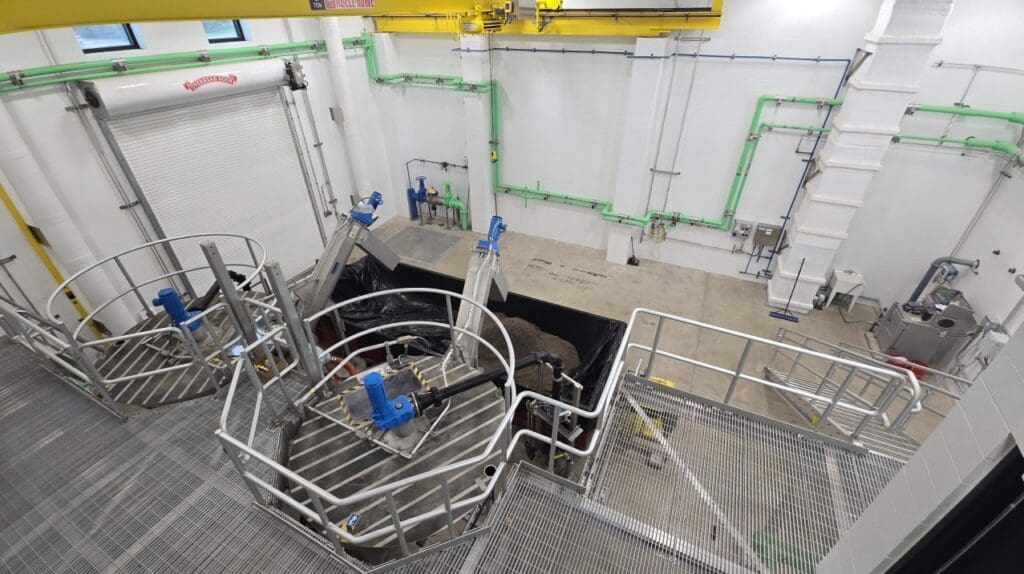
The upgrades officially will be done with a ribbon cutting at 11:30 a.m. Thursday and will bring the plant from a capacity of 21 million gallons per day up to 30 million gallons per day.
Along the way, the team at water reclamation worked alongside the project’s contractor to ensure that the system still functioned even though major improvements were being made.
It was not uncommon for 10 to 15 members of the team to work through the night, beginning system shutdowns at 2 a.m., turning it over to the contractor at 8 a.m. and then monitoring inside the plant and at sites across the city until late afternoon before beginning the complex process of restarting the operation.
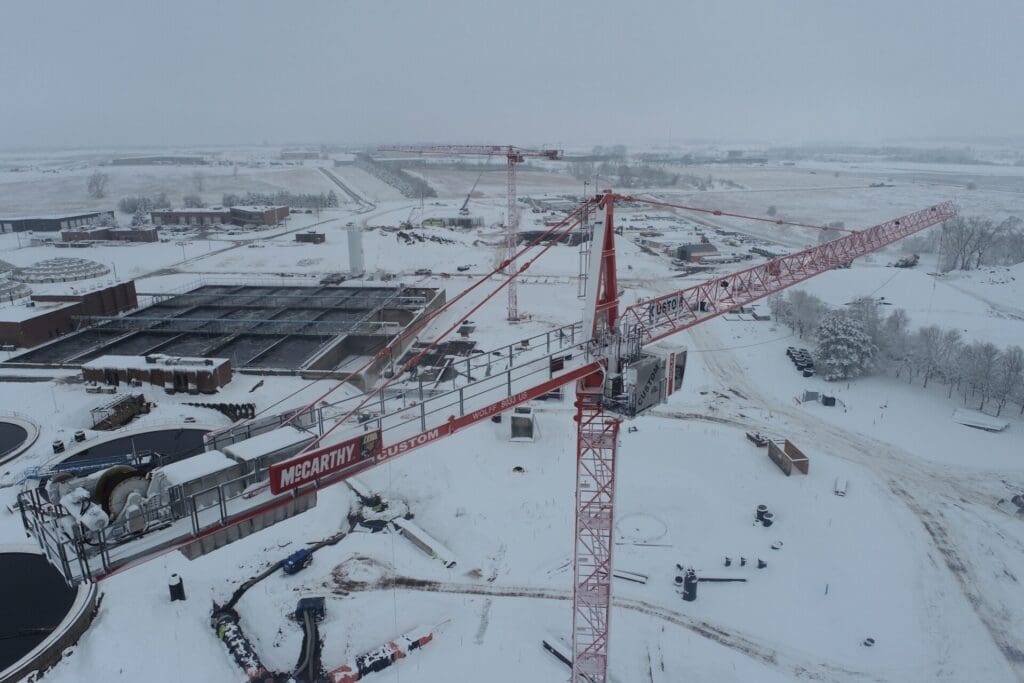
“It was a wild ride to say the least,” operations manager Sam Slaby said. “It was like trying to remodel your kitchen while still trying to cook.”
That’s because “the wastewater doesn’t stop flowing,” Cotter said. “The plant had to do a number of system shutdowns in the middle of the night when most of us are sleeping and when the flow is lowest, but still that water is coming at us, and we end up having to shut lift stations and divert flow into equalization basins.”
A shutdown would take anywhere from six weeks to three months to plan, making a detailed list of what the staff and contractors needed to do “to make sure we didn’t spill any water or flood any infrastructure,” Slaby said.
“We would walk the site and look for risks. What could happen? What could go wrong? How could we navigate around those risks?”
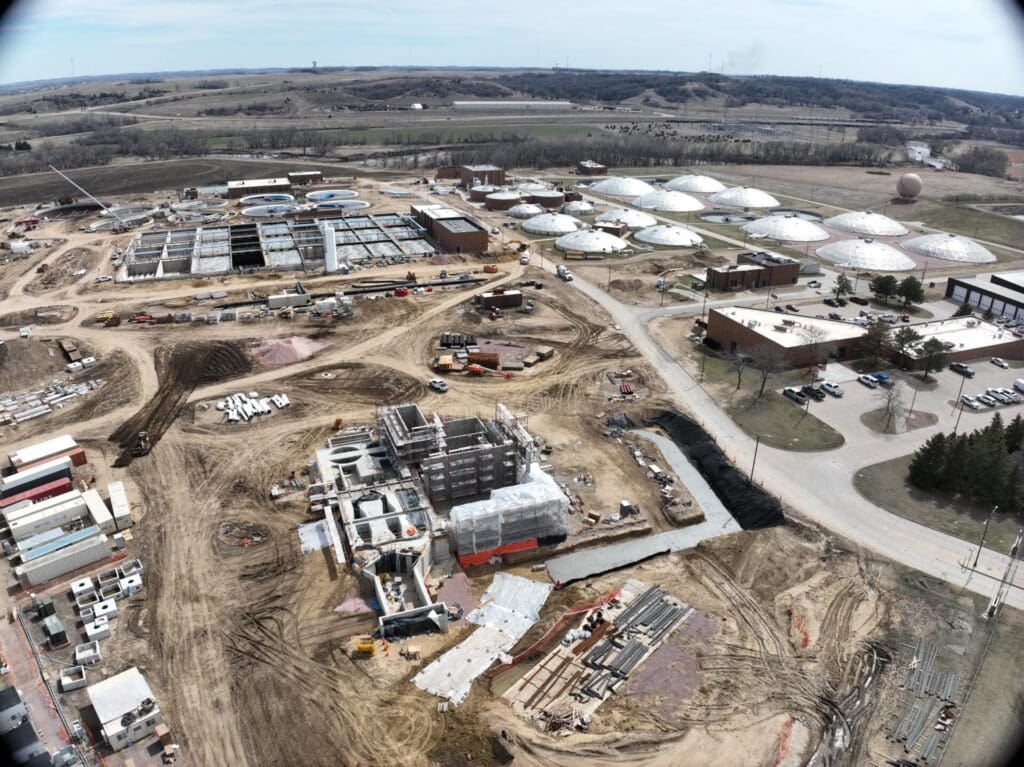
There were more than 25 shutdowns throughout the project, and each was slightly different.
“They’re a very skilled and talented team,” Cotter said. “There’s so many steps when you go in to modernize a 40-year-old plant that it’s very difficult to capture during a tour. They’re a team that’s constantly solving problems.”
Notably, “I don’t think we ever had an issue with any of those planned shutdowns,” Slaby said. “It was just awesome. The team worked so well together.”
With the expansion complete, “it’s significant” for future growth, utility administrator Ryan Johnson said.
“We’re growing on the west side, the southeast and the northeast, and that’s just to convey wastewater from these new growth areas to the wastewater treatment facility, and a big part of that is being able to treat that wastewater.”
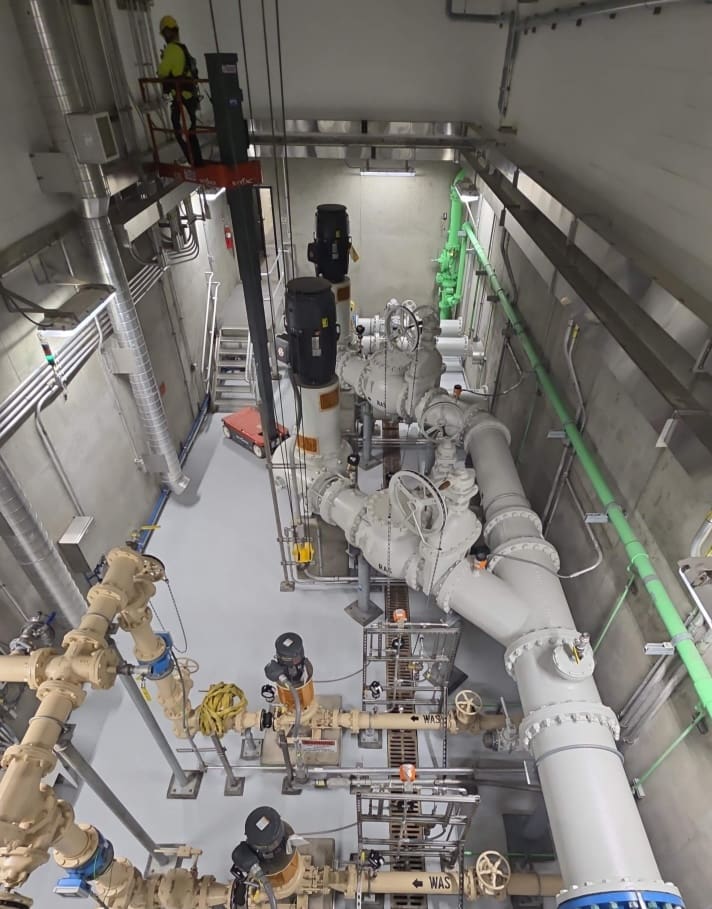
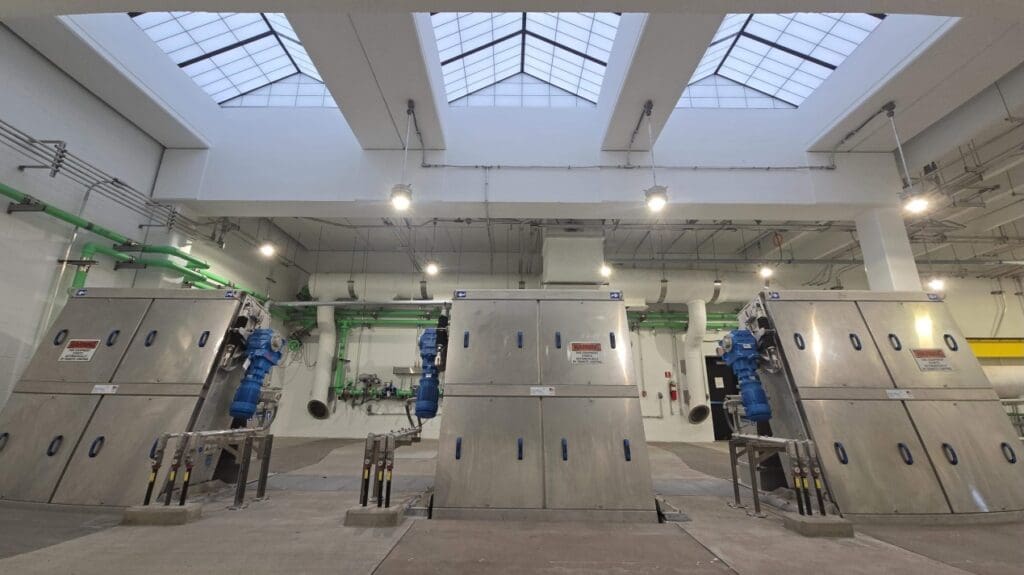
The new plant also incorporates technology “that is more effective at treating wastewater and most cost effective,” Johnson said. “That approach was taken throughout the expansion project to … really keep our operational cost as low as possible for customers.”
The city is working on or planning for several major expansions of sewer service, including Basin 15 on the west side that will open up about 3,100 initial acres for what ultimately will be 32,000 acres.
In the southeast, projects are under design and will be bid next year for construction later next year and in 2027. Those will open up about 3,100 acres of what eventually will be 7,900 acres.
In the northeast, 9,000 acres also have been identified as a growth area.
The city has changed how it charges for the improvements, transitioning from a cost-recovery method based on cost per acre to a system capacity charge that looks at what the future land use will be.
“It all depends on their meter size,” Johnson said. “If they use a residential-sized meter, they would be charged that no matter where they’re located in the city.”
Higher-water users are charged more.
Even though the plant has been substantially complete since midyear, working in a highly modernized facility brings its own share of ongoing challenges, Slaby said.
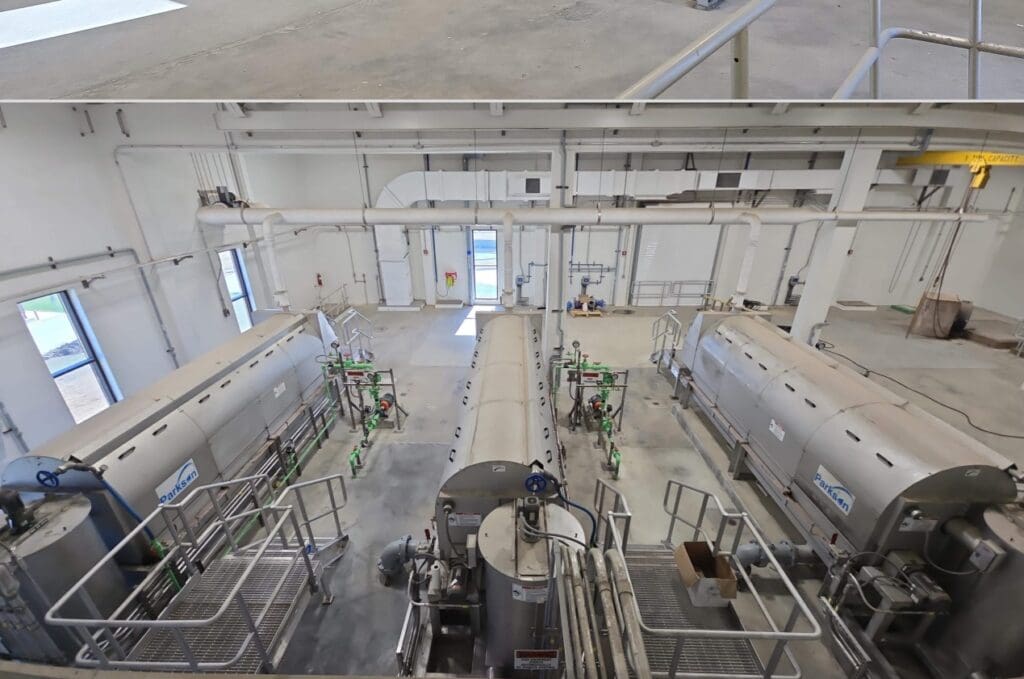
They’ve trained on the equipment, but it’s typical to have to “bugs to be worked out,” he said.
“We’re pretty dialed in now, but for the past year, it’s trying to diagnose stuff we don’t fully understand, (but) our team is a super-intelligent bunch,” he said. “I listen to these operators talk, and it’s unreal they know this already.”
Share This Story
Most Recent
Videos


Looking amazing @dtsiouxfalls and @washpav! Thanks to @jpickthorn for capturing an incredible night.
Nov 26

Enjoy this glow headed into Halloween week! 📸: @jpickthorn
Oct 31
Hope you had a wonderful summer weekend and are recharged for the week ahead! 📸: @jpickthorn
Jun 27
Beautiful way to start a week! 📸: @jpickthorn
Jan 10
Favorite flyover of the year! Merry Christmas from our entire @pigeon605news flock. 🎄🐦 📸: @actsofnaturephotography
Dec 24
They definitely deserve to be treated like holiday royalty and they were! ❤️ these scenes from tonight’s lighting celebration at @sanfordhealth Children’s Hospital. 🎄
Dec 1
The holidays are here! Perfect night @dtsiouxfalls
Nov 27
Happy Halloween from @avera_health NICU babies! Link in bio to see more! 🎃
Oct 31
Did you know @dtsiouxfalls is filled with 👻 stories? Link in bio … if you dare 😱
Oct 8
When it comes to kids parties nobody wants to be cookie-cutter. Link in bio for the story on what’s trending.
Sep 28
Want to stay connected to where you live with more stories like this?
Adopt a free virtual “pigeon” to deliver news that will matter to you.



Are you a little bird with something to share?

Delivering news that matters to you
Years ago, homing pigeons were used to bring us news we needed. Today, your virtual “pigeon” will deliver what you want to know about the place you call home.
All pigeons are free to good homes!
Our Partners