

Fate intertwines Sioux Falls cycling leader with honoring descendants of Wounded Knee
If you see Kasey Abbott walking down Phillips Avenue on the way to his loft in the Carpenter Building, you might think he’s just another empty nester who moved downtown to get away from mowing the lawn.
Which is true.
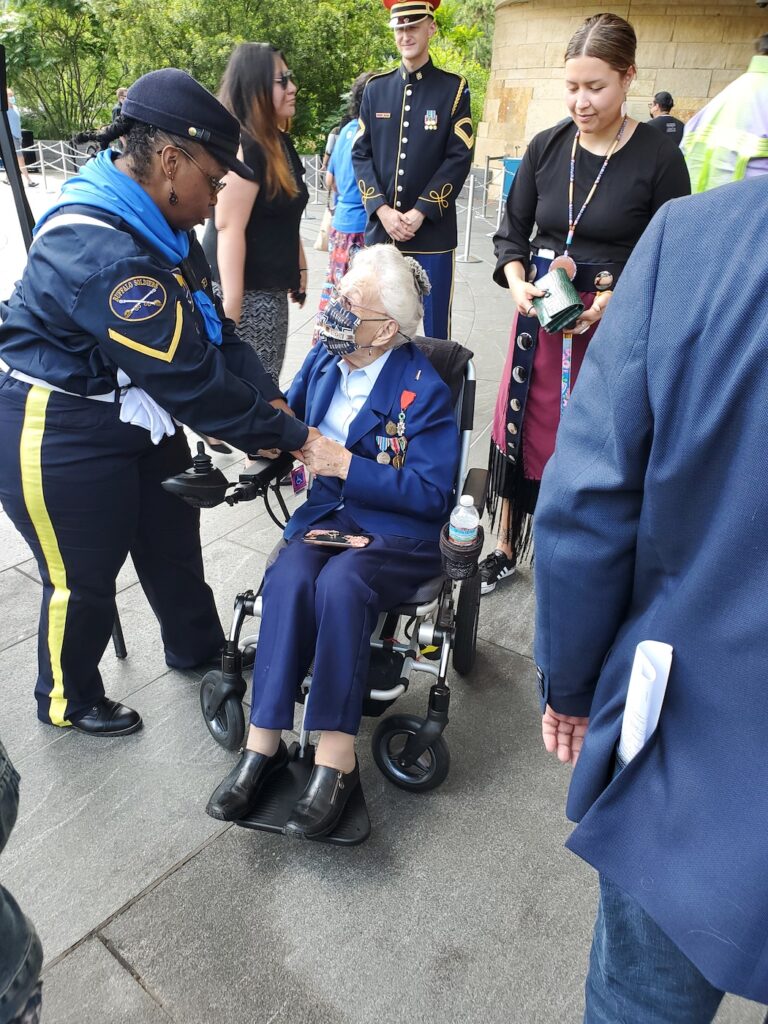
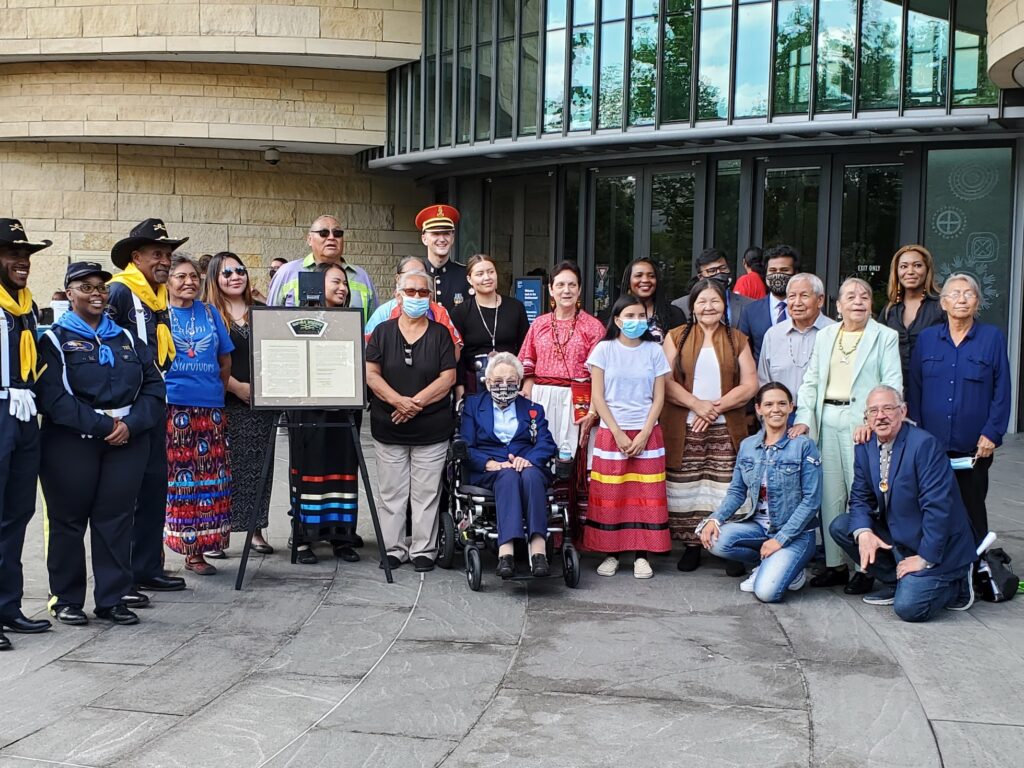
However, you’d never know that Abbott, 62, is the center point of a proclamation presented Friday at the Native American Veterans Memorial in Washington, D.C., in which several buffalo soldier associations declared support for the descendants of the Wounded Knee Massacre in their effort to pass the Remove the Stain Act.
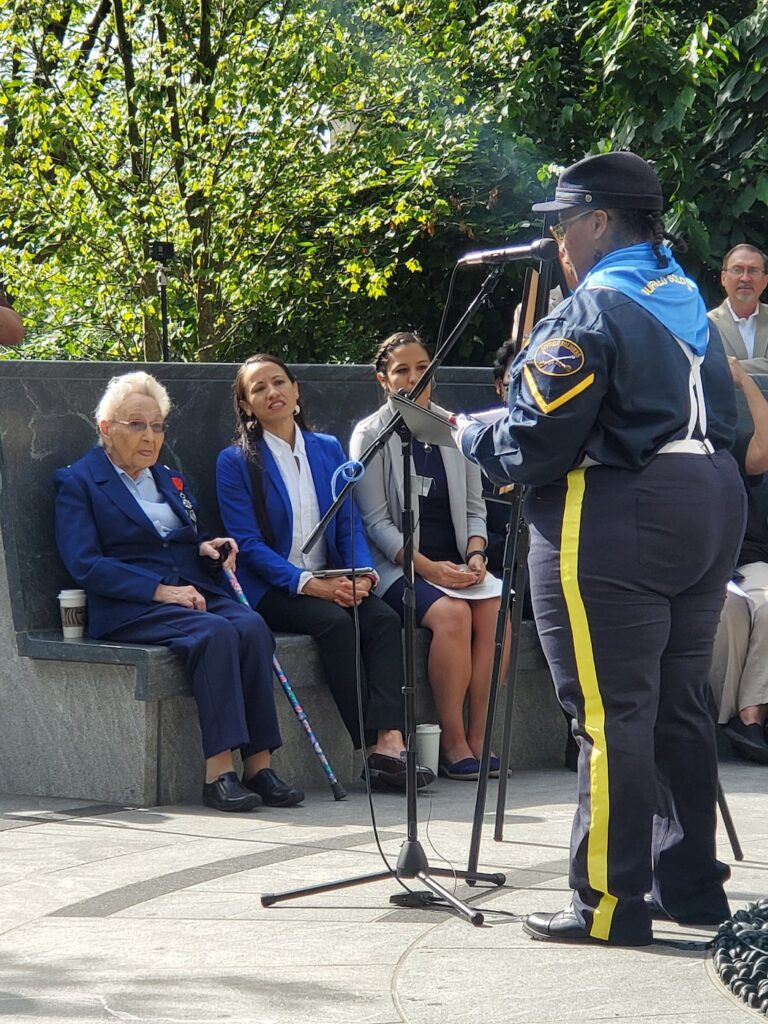
Buffalo soldiers refers to six cavalry and infantry regiments made up of African Americans following the Civil War. They were sent west to help secure the frontier and fight the tribes who resisted.
The Remove the Stain Act would revoke the Medals of Honor awarded to 20 members of the Army’s 7th Cavalry for their actions in the massacre on the Pine Ridge Reservation in 1890, which is often cited as the last armed conflict between U.S. troops and Native American tribes.
And here’s the twist: It all happened because of bicycles.
Abbott traveled to Washington last week with his wife, Karla, for the proclamation ceremony. Accompanying them was Marcella LeBeau, the granddaughter of Lakota war chief Rain-in-the-Face, a veteran of the Battle of the Bulge in World War II and a leading voice in support of the Remove the Stain Act.
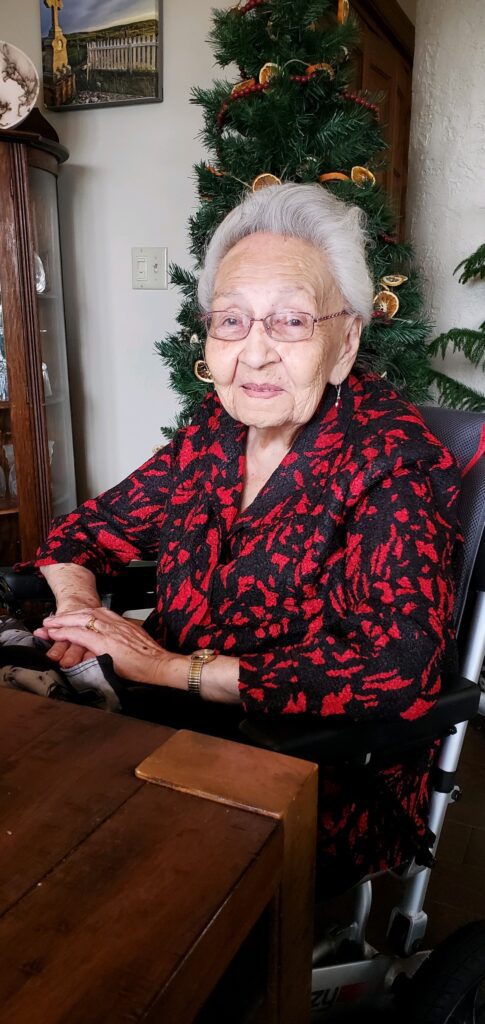
LeBeau spoke at the ceremony to introduce the bill in 2019, returning to Washington this year to reinforce the importance of the act to the members of her Cheyenne River Sioux Tribe and the Lakota people at large.
“That would set a lot of people free, knowing that the medals were revoked,” LeBeau said Saturday in Sioux Falls.
Wounded Knee was referred to as a battle for most of its infamous history but largely has become recognized as a massacre. On Dec. 29, 1890, elements of the 7th Cavalry – the regiment once led by Gen. George Custer – disarmed a band of Lakota led by Spotted Elk.
The Lakota were unarmed when a skirmish erupted, and the troops opened fire with four Hotchkiss machine guns. More than 250 Lakota men, women and children died and were buried in a mass grave. Twenty-five soldiers also were killed.
The Lakota had left a village on the Cheyenne River Reservation, where LeBeau grew up, worked and lives today.
“There is pervasive sadness that exists on our reservation today because of Wounded Knee, especially on the west end of our reservation,” she said. “They are still in mourning.”
The proclamation and the intertwining of the survivors’ groups came about in an unlikely way.
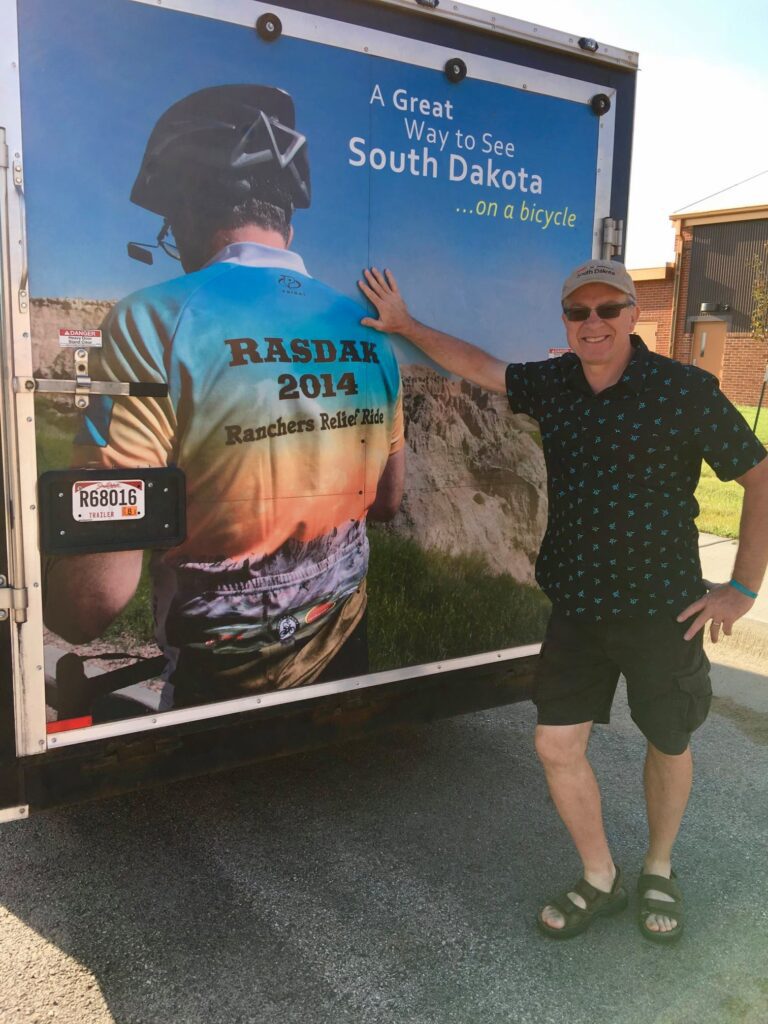
Abbot is a co-founder and president of the RASDAK organization, which is an annual bicycle ride across South Dakota.
The buffalo soldiers were part of a unique experiment in 1897 to test the resiliency and effectiveness using bikes as transportation for troops in the frontier. The test, called the Iron Ride, involved a group of soldiers from the 25th Infantry Bicycle Corps riding from Fort Missoula in Montana to St. Louis.
They completed the 1,900-mile trek in 40 days, average 6.3 mph and more than 50 miles each day.
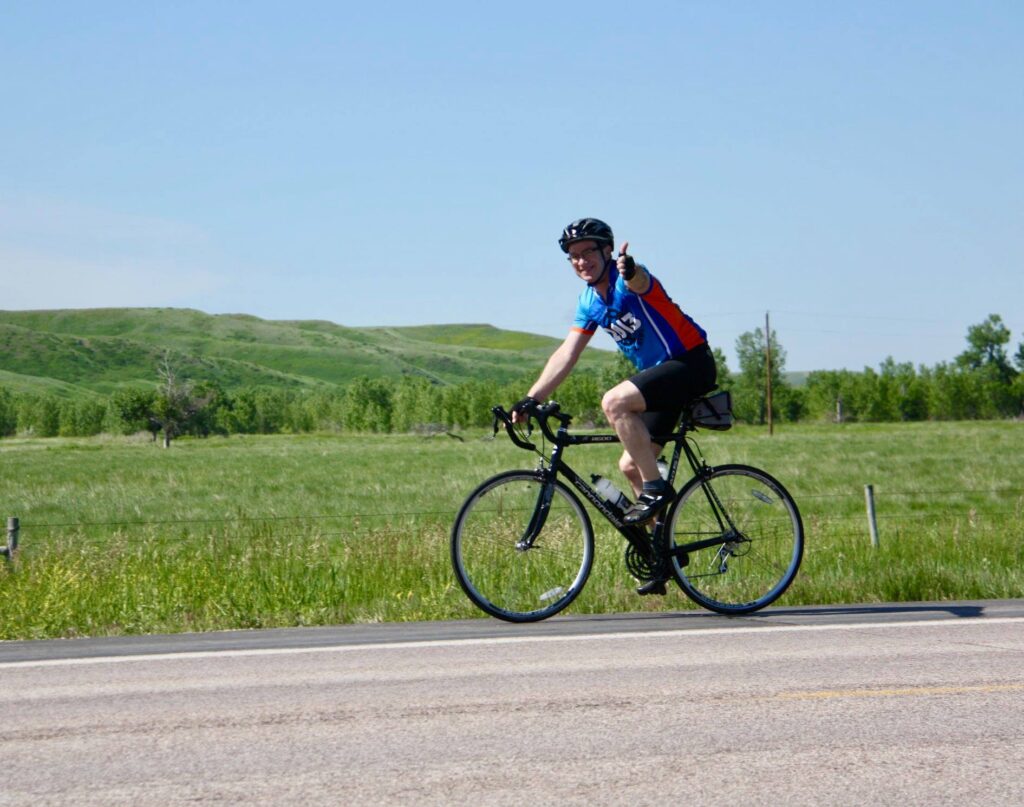
One of the buffalo soldiers groups wants to honor that achievement with a modern-day version — still not easy task. In planning the route, they came across RASDAK, which led to a call to Abbott.
Abbott is not just a cycling enthusiast. He grew up on the Rosebud reservation; and while he’s not native, his wife is. The Abbotts have deep ties into native culture, so when the topic came up, Abbot felt obliged to point out a few things to the Iron Ride organizers.
Perhaps, he said, this was a good opportunity for a reconciliation between the descendants on each side.
The Iron Ride organizers liked the idea and mentioned that Fort Robinson in Nebraska was one of the stops they likely would make along the way.
Abbott suggested that was not the best idea, as the great Lakota warrior Crazy Horse was killed there after surrendering to U.S. troops in 1877.
Eventually, that led to the idea of the proclamation, which was presented Friday.
“I just happened to be at the right place at the right time and connected the dots,” Abbott said. “The result that has come about turned out to be a pretty cool thing.”
He compares it to the idea behind the Arc of Dreams sculpture, which spans the Big Sioux River in downtown Sioux Falls, leaving just a gap representing the leap of faith required for innovation and progress.
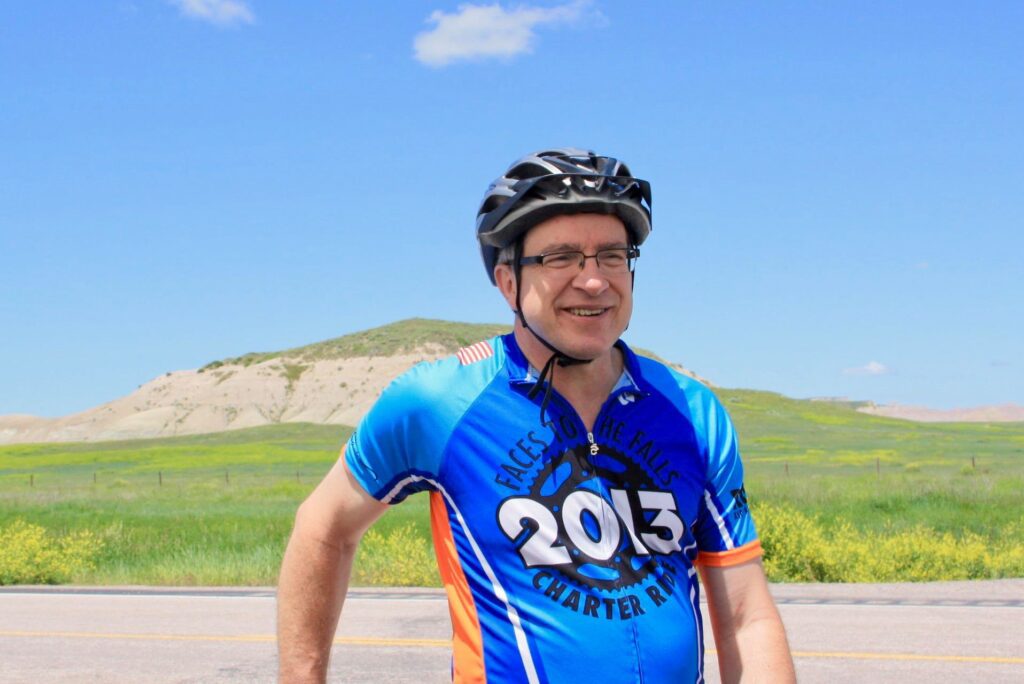
“You never know where a spark is going to come,” he said. “I could have just as easily not suggested it. We could have just stuck to the bike tour.”
But he did.
“This whole thing would not have happened if it were not for bicycling,” he said. “The universe works in mysterious ways.”
Share This Story
Most Recent
Videos



Looking amazing @dtsiouxfalls and @washpav! Thanks to @jpickthorn for capturing an incredible night.
Nov 26

Enjoy this glow headed into Halloween week! 📸: @jpickthorn
Oct 31
Hope you had a wonderful summer weekend and are recharged for the week ahead! 📸: @jpickthorn
Jun 27
Beautiful way to start a week! 📸: @jpickthorn
Jan 10
Favorite flyover of the year! Merry Christmas from our entire @pigeon605news flock. 🎄🐦 📸: @actsofnaturephotography
Dec 24
They definitely deserve to be treated like holiday royalty and they were! ❤️ these scenes from tonight’s lighting celebration at @sanfordhealth Children’s Hospital. 🎄
Dec 1
The holidays are here! Perfect night @dtsiouxfalls
Nov 27
Happy Halloween from @avera_health NICU babies! Link in bio to see more! 🎃
Oct 31
Did you know @dtsiouxfalls is filled with 👻 stories? Link in bio … if you dare 😱
Oct 8
When it comes to kids parties nobody wants to be cookie-cutter. Link in bio for the story on what’s trending.
Sep 28
Want to stay connected to where you live with more stories like this?
Adopt a free virtual “pigeon” to deliver news that will matter to you.




Are you a little bird with something to share?
Delivering news that matters to you
Years ago, homing pigeons were used to bring us news we needed. Today, your virtual “pigeon” will deliver what you want to know about the place you call home.
All pigeons are free to good homes!
Our Partners