
At home, Paul and Jill TenHaken reflect on year that called for leadership
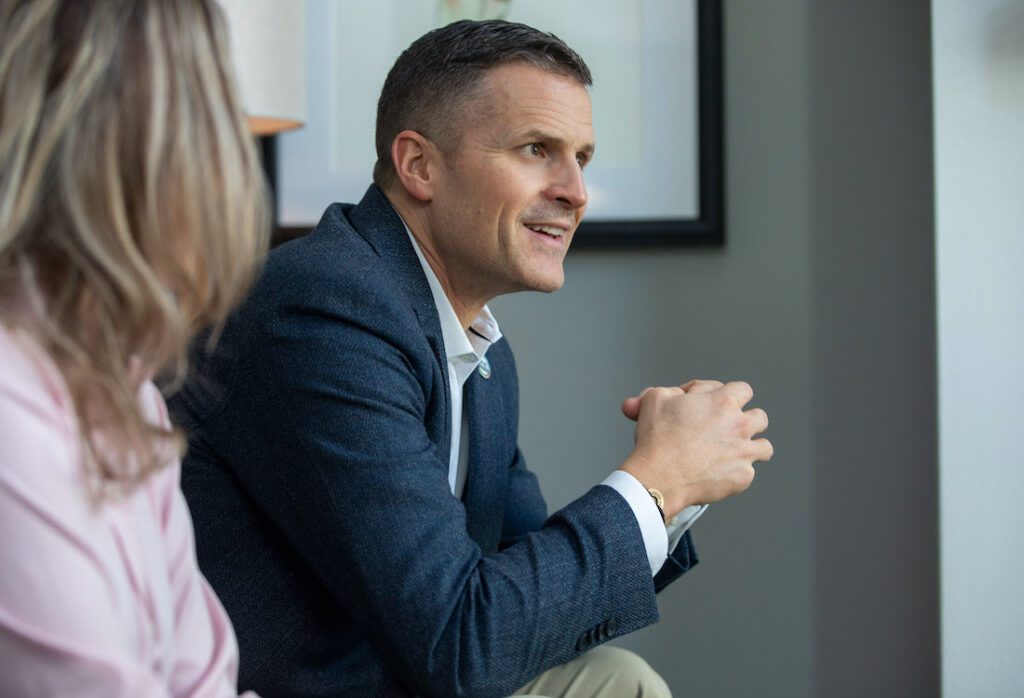
It didn’t take Jill TenHaken long, looking from a family photo to her husband sitting in the living room, to reach a conclusion.
“You look older,” she nodded.
This didn’t come as news to Paul TenHaken, who had suggested looking at a version of himself from three years ago to erase any doubt.
“I look way older,” he agreed.

That was the spring of 2018, when then mayoral candidate TenHaken entered a crowded field for the open seat at City Hall. At age 40, he sold his share of the digital marketing company he’d built into a market leader and landed the job.
Since then – and especially since March 2020 – he sees the signs of public service in the mirror as much as he feels them.
In more grey hair. In his lower back, which he calls “a wreck,” while tests haven’t shown a reason why.

“The only thing we can come up with is stress,” Jill TenHaken said.
With the weight of the state’s largest city on your shoulders, that sort of thing can happen.
As the one-year anniversary of the COVID-19 pandemic approaches this week, every day will have significance for the TenHakens.
On March 9, he was in Pierre, meeting with Gov. Kristi Noem and the leaders of CJ Foods USA, who 10 months later would announce the largest project in state history.
On March 10, he gave his wife a birthday gift in the form of a much-anticipated announcement and one of her favorites: Chick-fil-A committing to a store in Sioux Falls.
That same day, Minnehaha County reported its first patient with COVID-19.
“And two days later, it was a state of emergency in the city,” TenHaken said.
“A state of emergency?”
He remembers even hearing the words caused people to become nervous.
“I remember having to calm people down and say it’s OK, it’s a bureaucratic tool,” he said. “You have to declare an emergency to get certain powers you may need to enact.”
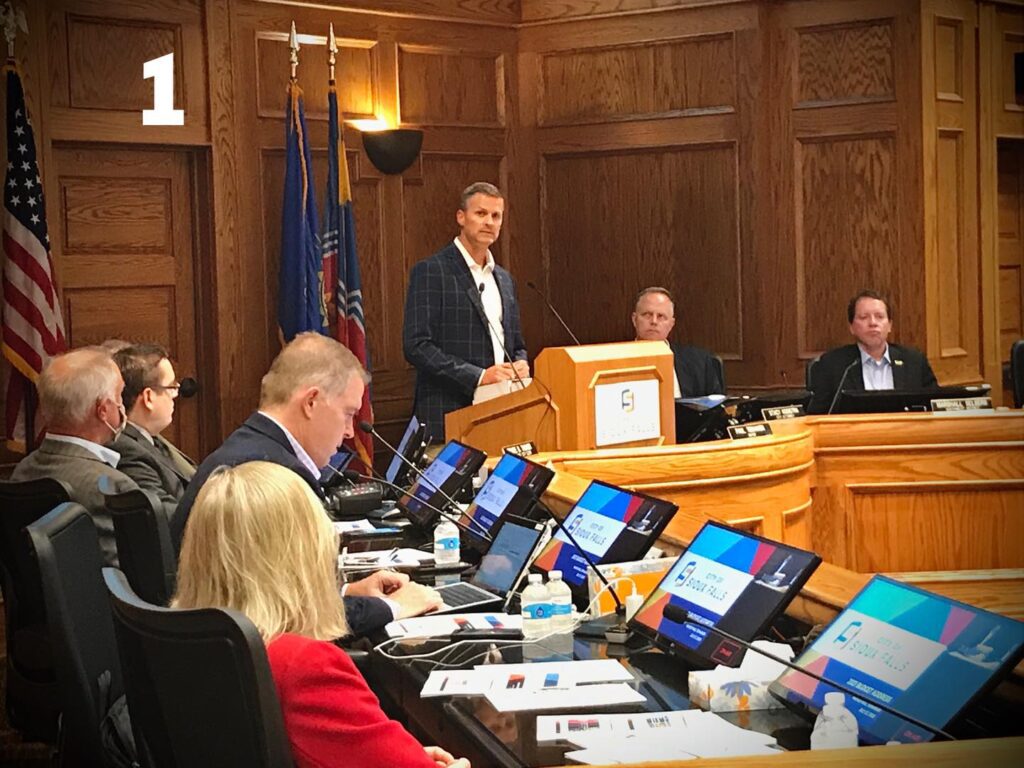
It wouldn’t be long before he needed them – acting quickly to call special meetings, attempting to strike a balance between keeping people healthy and preserving livelihoods.
At the time, he already felt like a possible eight years in office had been compressed into two years. He had led the city through tornados, ice storms and flooding.
The word “pandemic” was a new one, though.
“I knew we had a plan, and I knew we had a team that managed that plan, but I hadn’t been through it,” he said.
Before long, he was in the thick of it.
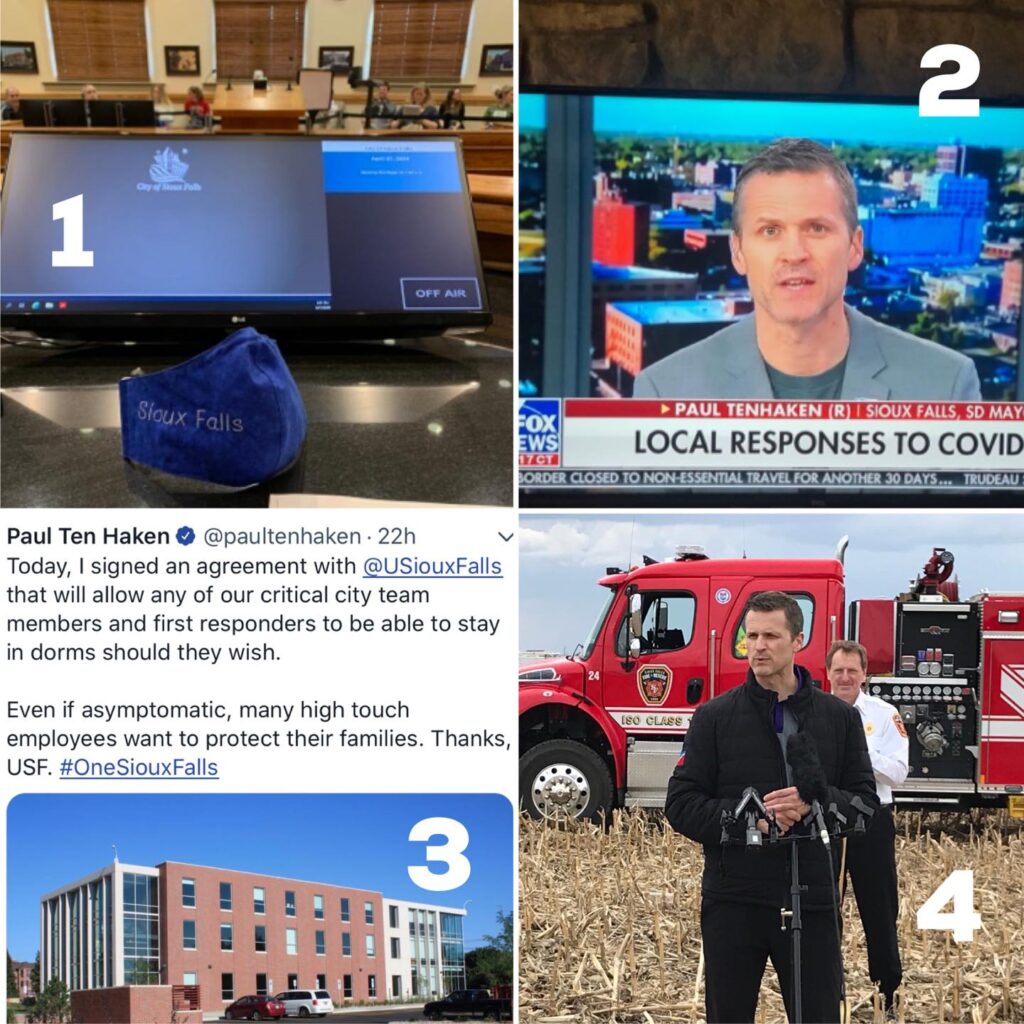
Every day between 7 and 7:30 a.m. he’d walk into the Emergency Operations Center, which was set up at the Law Enforcement Center, and would be “immediately confronted with five to 10 issues we needed to figure out,” he said.
“What are we going to do about city pools? How do we handle libraries? ‘Joe’ in the EOC has COVID. We hope no one else does. When do we need to start wearing masks? These are weighty issues.”
And then came the day with this one: “Did you hear what’s going on at Smithfield?”
As the outbreak at Smithfield Foods took hold in April, Sioux Falls went from a small number of new daily cases to a surge.
“It created a fear and a tension in the community because we didn’t know much about COVID, but it showed how quickly the virus could spread in contained settings,” TenHaken said.
“If it spreads like that in Smithfield, what about in a call center or bank lobby or baseball stadium? Where do we stop? We have to contain people all over this city. There was so much we didn’t know. And we were trying to figure out how to create policy and respond.”
Before long, Sioux Falls became the biggest hot spot in the nation.
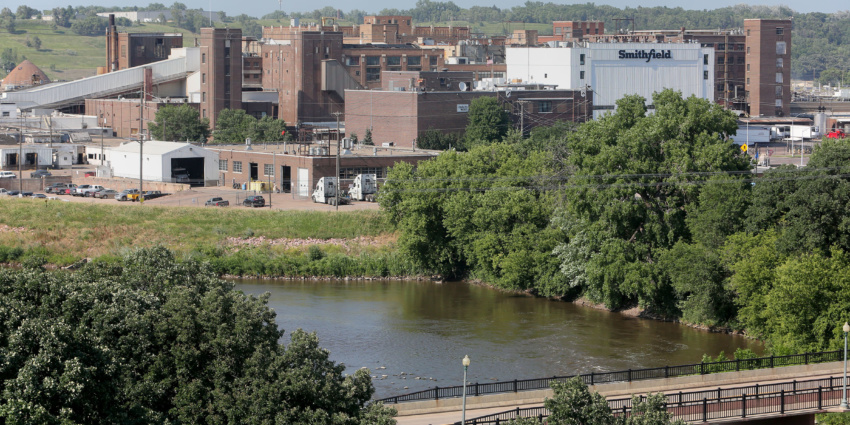
“Every national, major media outlet in the country reached out to my office at some point,” TenHaken said. “And it wasn’t to talk about how great our economy was. I felt like I had to continually be defending Sioux Falls.”
Going into the pandemic, city government and Smithfield Foods “didn’t have a lot of contact,” he acknowledged.
That changed quickly as he regularly began communicating with corporate leadership in Virginia.
“They understood the gravity of what was happening. And they understood the entire country was watching Sioux Falls,” TenHaken said. “I think Smithfield reacted as quickly and appropriately as they could given the situation.”
He calls the day he signed a letter asking the plant to close among his lowest days of the pandemic.
“When you have to send a letter to your third-largest employer, knowing the economic impact that will have … that was really hard,” TenHaken said.
“I had hog producers sending me pictures of dead hogs, 20 feet high and 50 yards long that they had to euthanize because there was no place to take them, and they saw me as the reason for that.”
Smithfield’s decision to close was “a very bold and big step to make,” TenHaken continued. “And then they continued to keep people on the payroll who didn’t feel safe coming back to work. They kept people on payroll for months. A lot of people don’t know that. In hindsight, they did a lot right.”
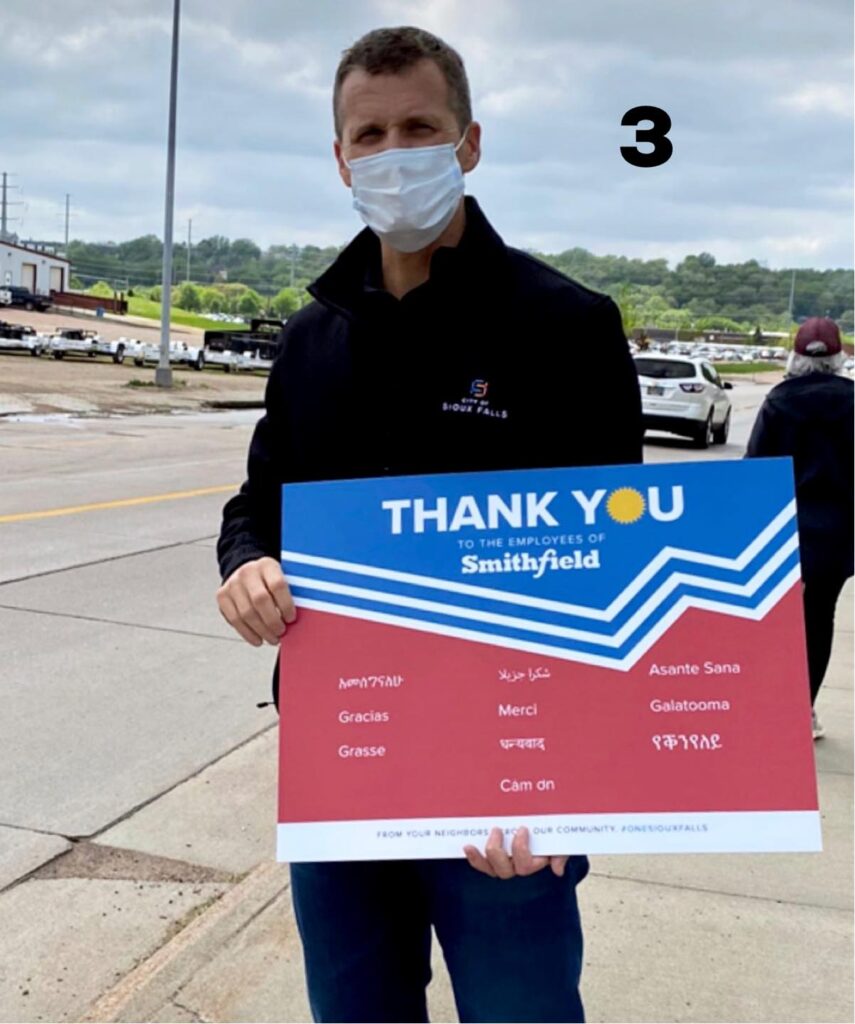
The relationship between the city and Smithfield today has emerged infinitely stronger because the pandemic, he added.
“I see Smithfield as a partner in this community unlike maybe the first couple years I was in office. It cemented a relationship. I have a direct line to four or five people at Smithfield I didn’t have before, and they’re a big part of our economy.”
As the hot spot at Smithfield settled, a period of relative calm emerged. For four or five months, cases were relatively low.
One of TenHaken’s biggest worries – housing – became one of his brightest moments.
“I saw bars and restaurants, hospitality workers laid off, and housing was going to be a huge problem,” he said.
He envisioned individual online fundraisers emerging for hundreds of people in need.
“We had to centralize this,” he said. “So we jumped right on this One Sioux Falls Fund.”
In a matter of weeks, it had generated $3.5 million in donations.
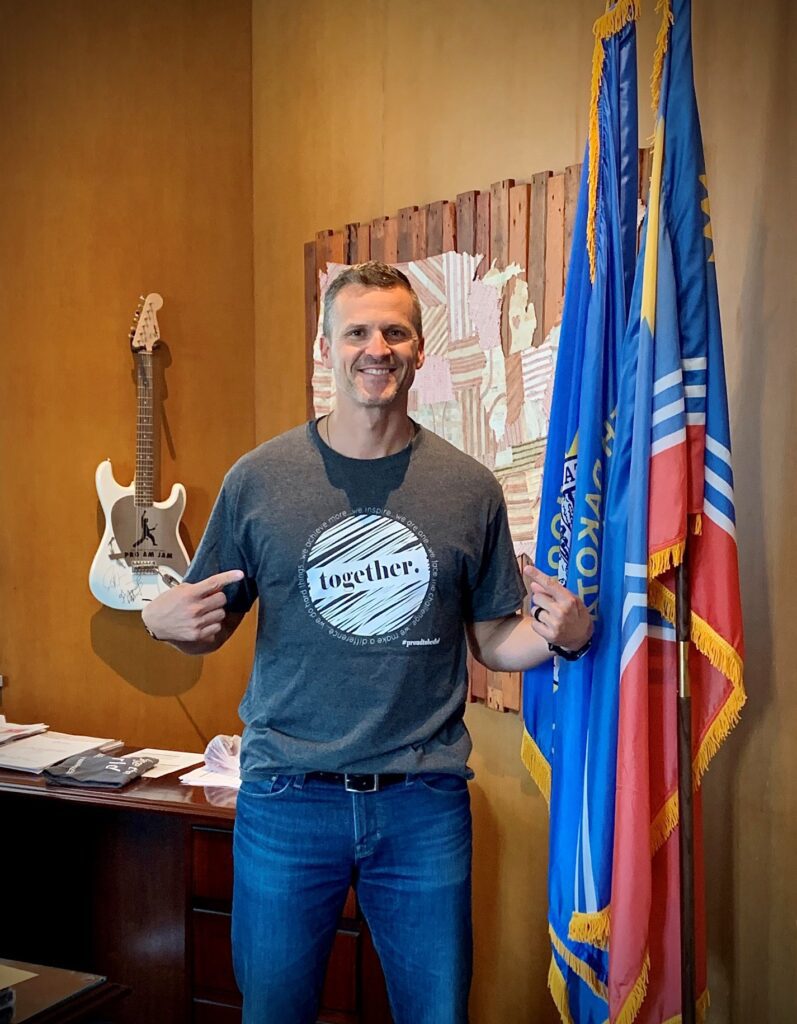
“There were communities all over the country that would have loved to have that level of support,” he said. “And it reinforced how great this community is.”
Back home, he converted an upstairs loft to a home office so he could look down through a glass wall and see his wife, kids and two Shih Tzus while he worked.
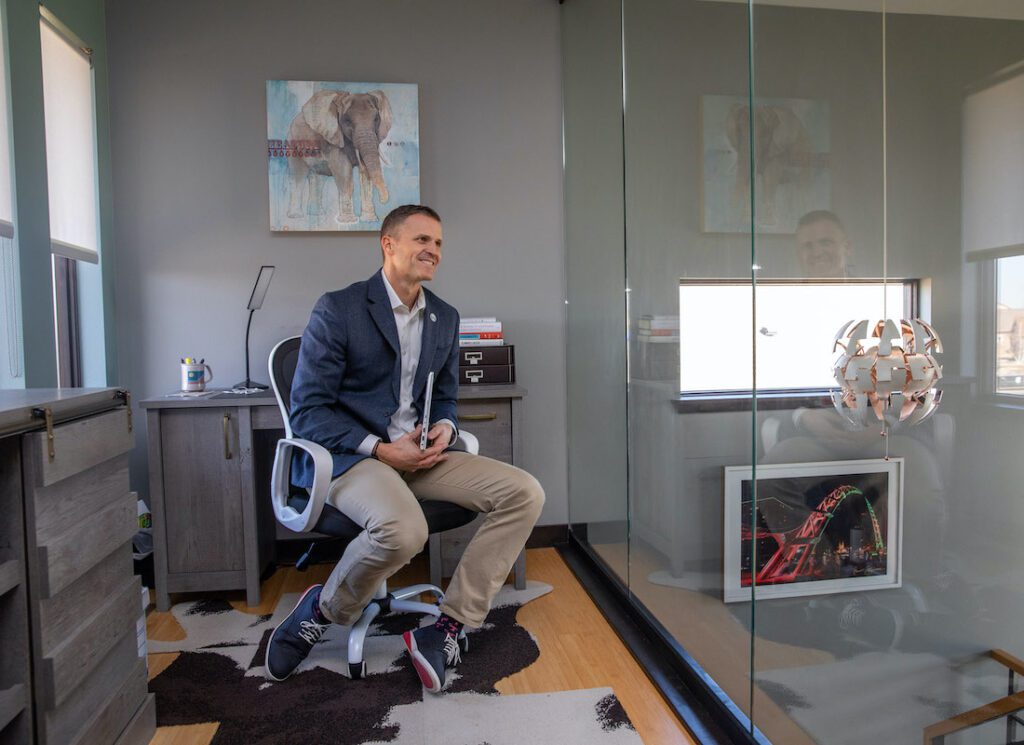
His youngest daughter, Nora, became a familiar face to online viewers as she appeared with her dad giving live updates on social media.
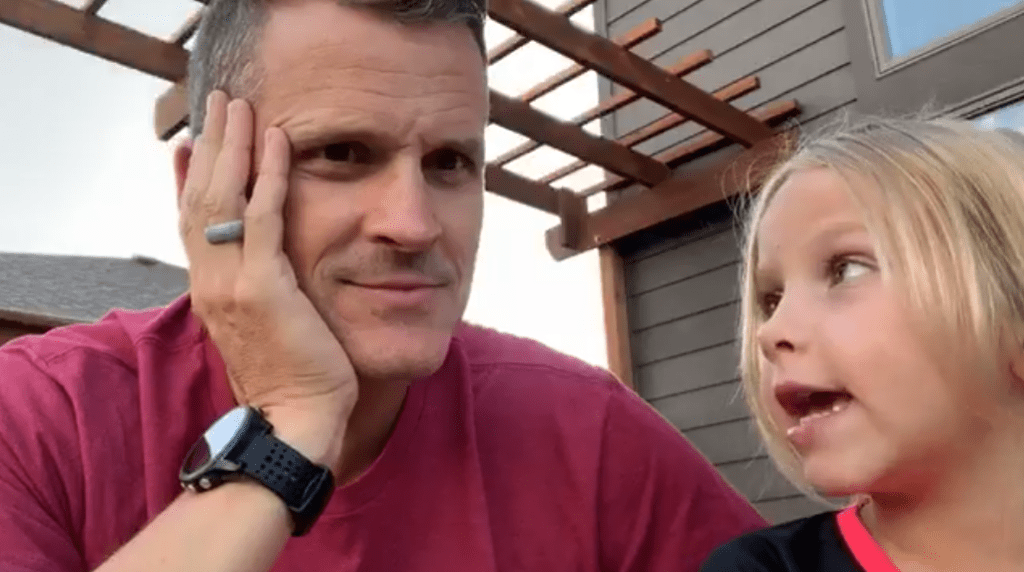
“I want to humanize myself,” he said. “I’m just a dad and a husband and a normal guy, and I have kids. I understand parents. And it’s hard for people to get real angry when there’s a 7-year-old girl sitting next to you.”
When it was all over, he found it hard to fall asleep, replaying interactions from the day and not knowing what the next would bring.
“It was tough because I knew he was super-stressed and had a lot on his shoulders,” Jill TenHaken said. “And because it was such a new thing for everybody, it was like: What is the right decision? Looking at it from all perspectives, I would tell Paul what I thought or ask, ‘Are you sure about this?’ We talk about those things pretty openly, and we don’t always agree.”
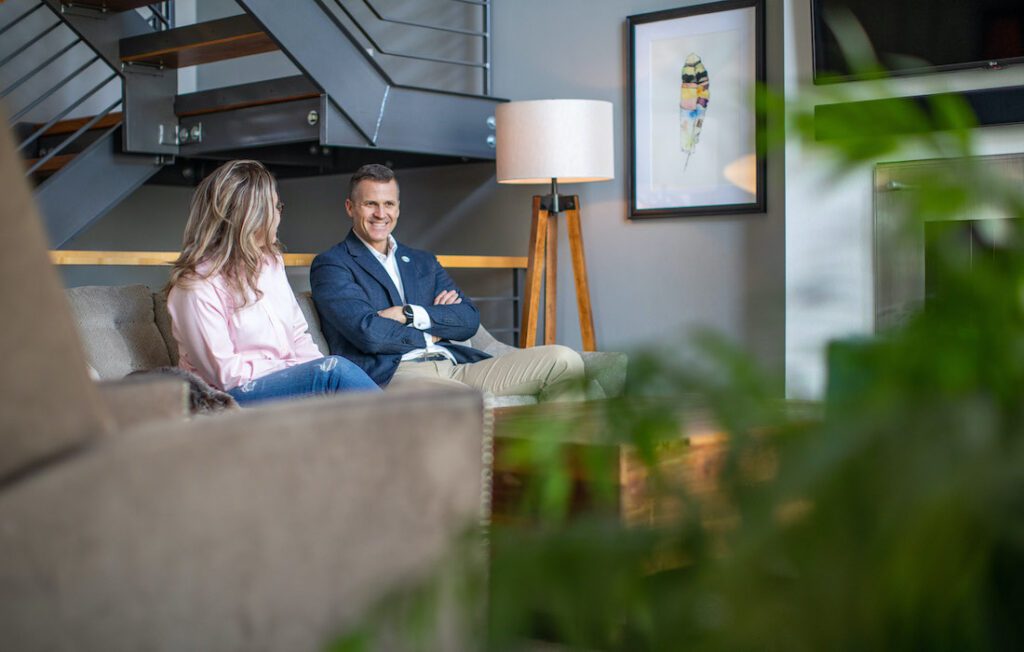
“(She) is wrong sometimes, and that’s fine,” TenHaken joked.
But in all seriousness, hearing the perspective from the mayor’s office is eye-opening, Jill TenHaken said.
“When people think they have opinions, you maybe don’t know the whole story. You maybe don’t know the background that’s led up to it,” she said.
They both point to an unfinished area of the basement with a treadmill as a space to recharge. TenHaken looks to a family photo on the wall as he works out to stay grounded. Jill TenHaken watches City Council meetings while she runs.
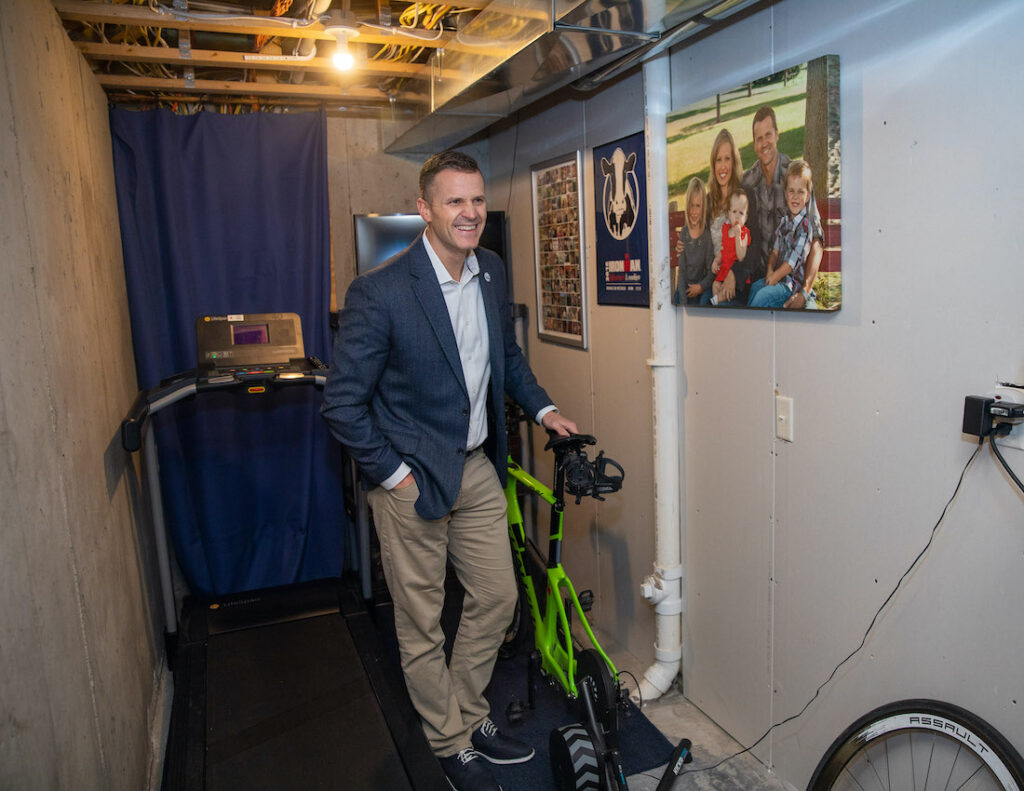
“I don’t know how full-time working moms did it,” she added. “I don’t work full time, and I felt like I was drowning.”
She transitioned to helping their three kids – Jade, 15; Max, 12; and Nora, 8 – as they wrapped up the school year virtually.
“It was almost comical at some points because I would be working with Max on something and get him logged into the right platform … and then I’d step away and help Nora get started, and by then Max had a question. You say, ‘Wait 30 seconds while I help your sister,’ and they’re gone, and you’re starting from scratch,” she said.
“(Paul would say), ‘Do you know what I dealt with today?’ There were moments he’d try to tell me, and I’d be like, ‘Back off, let me tell you,’” she said.
It illustrates “how critical the decisions our school boards are making are,” TenHaken added. “She did that six weeks. In Minnesota, they did it the whole school year.”
He calls his wife “the shadow mayor.”

“She’s a blessing,” he said.
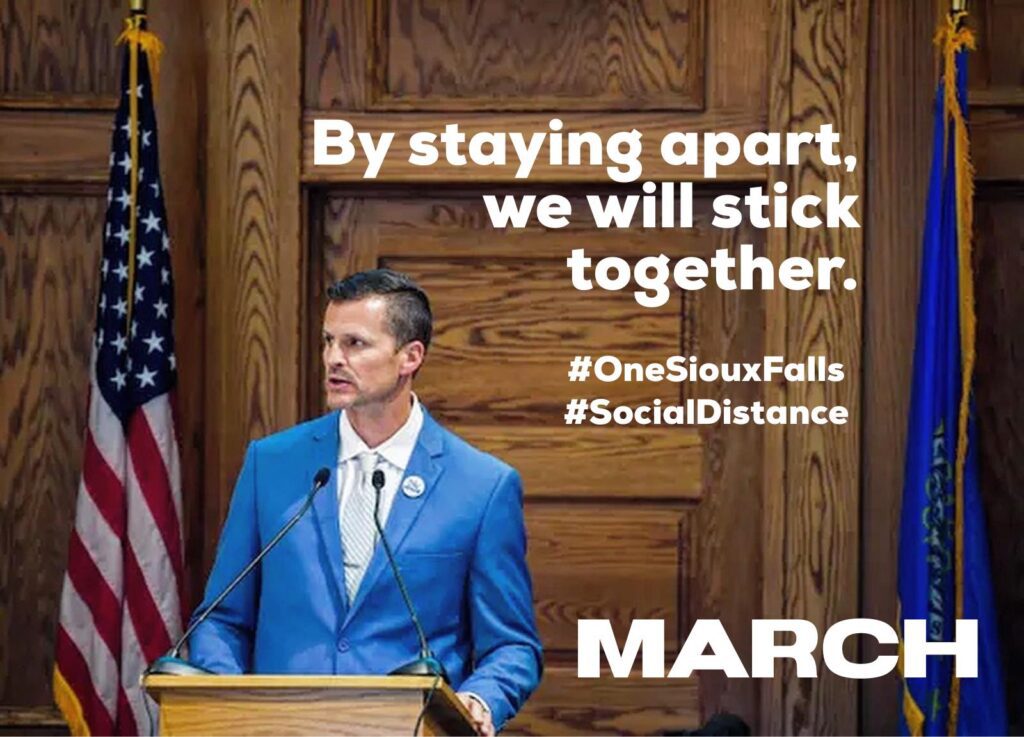
“Our marriage is stronger than ever through this. I couldn’t do this job alone. There’s no way. I’d be in a world with hurt without her. A lot of people think this is an individual’s job, and it’s not. A pandemic or real challenge can drive a wedge in a relationship or strengthen it, and we’re fortunate it really strengthened our relationship.”
Summer’s social unrest
While summer brought a lull in COVID cases, it was shattered by the social unrest that gripped the country following the death of George Floyd.
“Naively, I thought we would avoid it,” he said of violence tied to the case.

“I thought we would have protests, and justifiably so, but when I talk with people about the riots we had here, there were 50 to 100 bad apples. And there were thousands of people who marched a protest and went home. I choose not to let the actions of a few people cloud the community.”
He calls an interview he did the night property at and around The Empire Mall was vandalized among his most emotional, as he enacted a curfew and called on parents to find their kids.
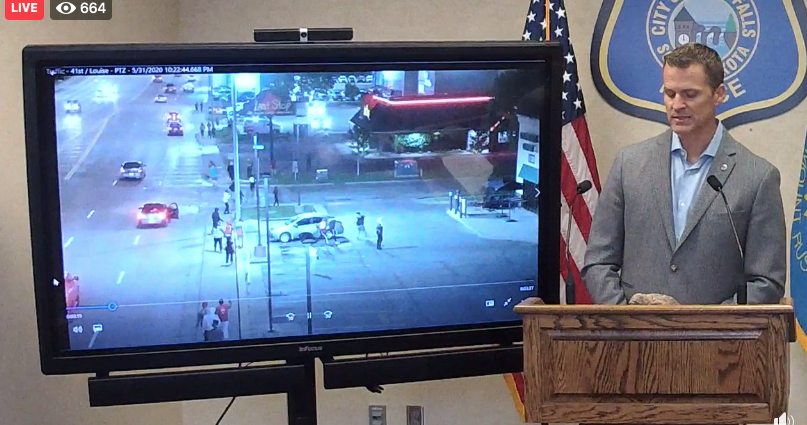
“I remember saying, ‘Listen, if you don’t know where your kids are now and they’re teens, I think I know where they are.’ ”
Several parents later told him he was right.
“A small faction of youth, some who weren’t from this community, gave us a black eye,” he said. “But we recovered quickly. The next day, we saw kids cleaning up and sweeping broken glass. There’s another side to this story. That’s the Sioux Falls we like to see and like to think we are.”
The fall fallout
While COVID-19 cases remained low during the summer and early fall, it created “a little bit of a false sense of security,” TenHaken said. “Like we have conquered COVID in this community. People were over it. They weren’t believing the severity of it.”
It didn’t help that after predicting a surge after multiple big events, one didn’t appear to materialize, he said.
“Quite honestly, I got complacent too. Maybe the worst of this is behind us. And then November came.”
But by November, health care models had been honed far better than the spring, he said. That helped City Hall in guiding the community.
“I don’t know why it took off, but both Sanford and Avera had modeling in early November and what they predicted in terms of peak hospitalizations is exactly what happened,” TenHaken said.
“We never shared that modeling publicly because people had no trust in modeling, but we knew. So when the peak went up at Thanksgiving and went back down, and the whole state followed the same timeline, it was what we kind of predicted behind the scenes.”
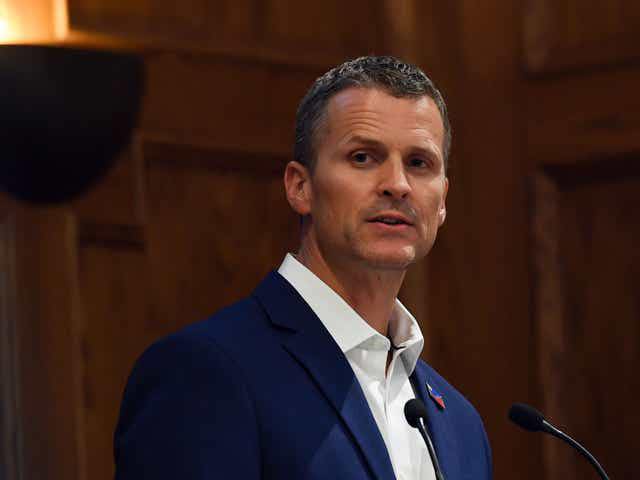
Still, one of the most frustrating parts of the pandemic has been its unpredictability.
“Why did it just leave after April and May, and we were quiet? And right now, in March, why don’t we have more cases? Do we have herd immunity? Will it come back in a third wave? We don’t know.”
There was no playbook for this. There was no pleasing everyone. To this day, he’s contacted by people telling him “When are you going to get business open? They’re hurting. Open this community up.”
It doesn’t matter that no businesses are closed and none were ever ordered to close, he said.
“That tension and that anger” persist, he said.
“While things are calm right now, that boiling is always going to be there. And it just takes the right mix of circumstances to ignite a community – good or bad. We’re naive to think this was a unique year. Those tensions are always there.”
Looking ahead
Still, marking Jill’s birthday this March 10 feels a lot more like a celebration, they said.
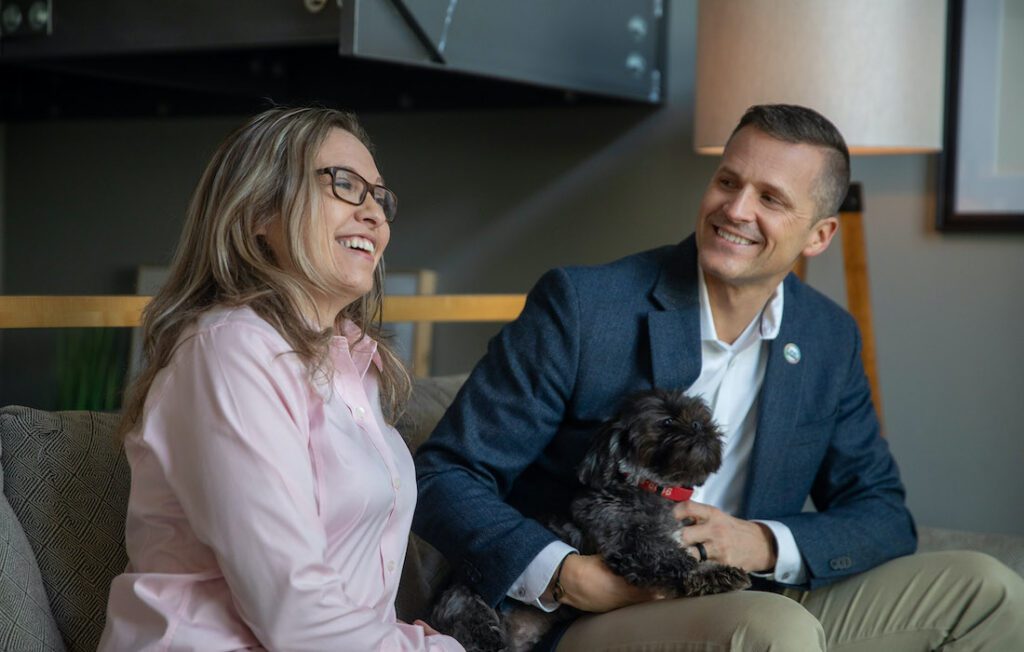
“It feels like we’re in the eighth inning of this game,” TenHaken said. “We’re very close to getting the highest-risk population vaccinated. The weather is turning. The vaccine distribution is going quicker than anticipated. There’s so much optimism right now in our city.”
His next challenge – a much more welcome one – is how to harness it.
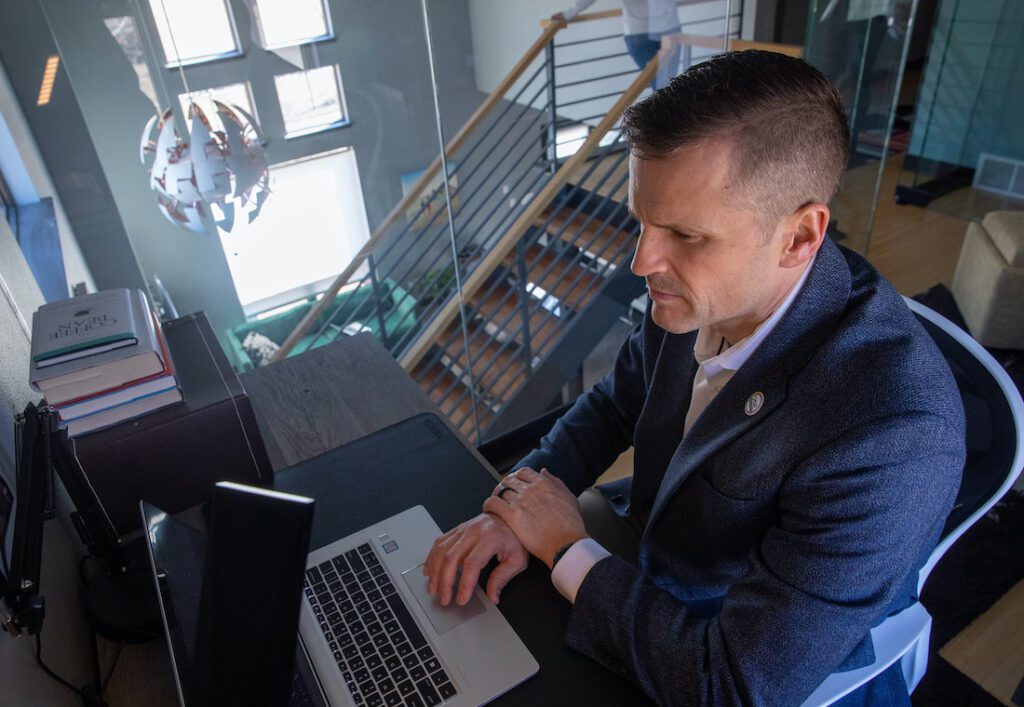
“So that we hit the ground running once the weather turns and tourism season happens, and I think we’re in a good spot. Economically, this city is going to absolutely crush it this year. Businesses are coming here, tourism and events, our small-business community is going to see an incredible rebound because there’s pent-up economic power in the community right now, spending power that’s been tapped down for a year.”
Now three years into his first term, he’s also forced to consider his own future.
He recently asked his three kids their opinions about a second term. And got six thumbs-ups.

“We have a lot of work still to do,” he said, acknowledging some of his priorities coming into the job had to be put on hold for crisis management.
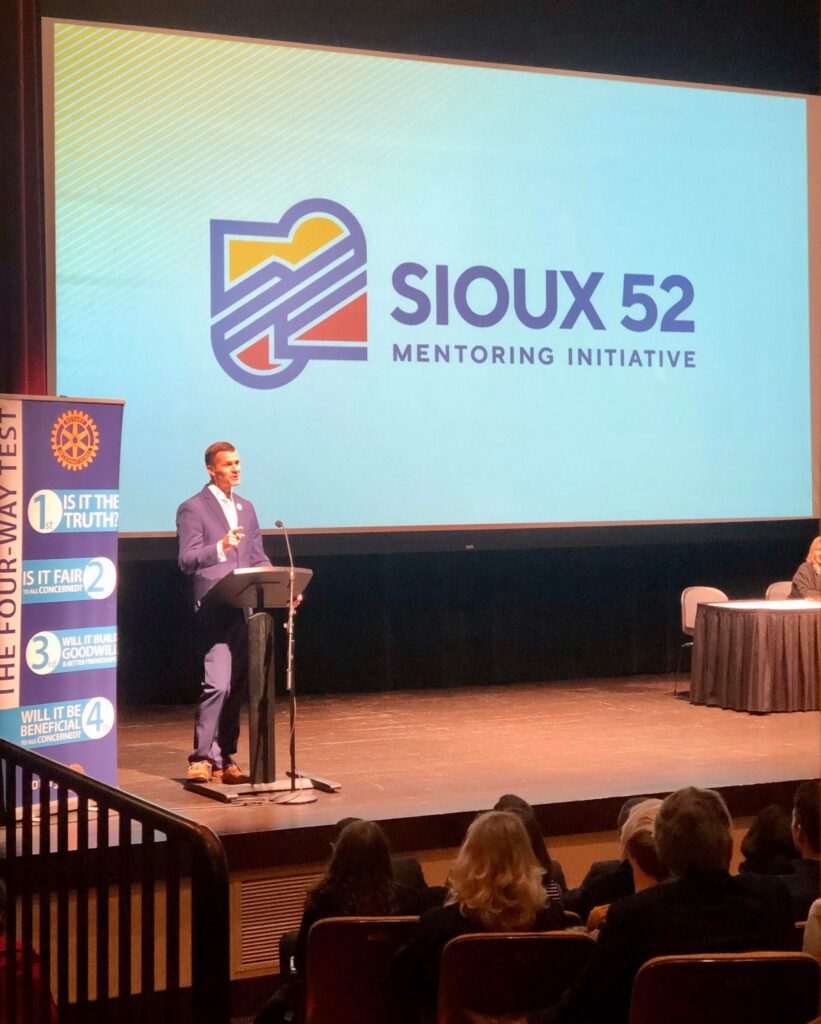
“It’s been hard to focus on too far out. But there’s more I’d like to do. I’m very bullish on mentorship, and that’s had to get put on hold because in-person interactions couldn’t take place. I’ll be making a decision in the next couple months. It’s been an honor to serve. I think I have more gas in the tank to do more if the community wants, but formal announcement to come.”
One word of caution, though: Your daughter might scoop you, mayor.
A few weeks ago, Nora decided she’s ready for a solo spotlight online and launched her own YouTube channel.
“Nora Knows Best” features the 8-year-old’s visits to the library, Washington Pavilion and gymnastics class so far.
“If there’s a stage, she will find her way on it,” her mom said.
“I’m not a huge fan,” TenHaken said, shaking his head. “But she’s made for the spotlight and wanted a YouTube channel. Nora knows best.”
Her dad also has some content for kids in the works. TenHaken plans to write his second children’s book, this one focusing on his latest chapter in life.
“I have a desire to take the lessons of inclusivity that I’ve seen from this last year and parlay those into a positive message for kids,” he said.
“It’s basically framed around a kindergarten class who comes to the mayor’s office, and the kids get to be mayor for the day and using that story to teach kids about public service and how to like people you may not always agree with.”

He said he feels fortunate the events of the past year haven’t impacted his own kids greatly.
“I think they’ve seen it’s hard on me, but my kids are pretty dang resilient,” he said.
A few weeks ago, TenHaken took a test to see if he has COVID-19 antibodies.
It came back negative.
Somehow, he likely led through the year without contracting the virus.
“It’s been a challenge to try and lead through this divisive time,” he said.
“But I looked at it as a big honor. Somebody had to be in the chair this last year. It might as well be me.”
Share This Story
Most Recent
Videos



Looking amazing @dtsiouxfalls and @washpav! Thanks to @jpickthorn for capturing an incredible night.
Nov 26

Enjoy this glow headed into Halloween week! 📸: @jpickthorn
Oct 31
Hope you had a wonderful summer weekend and are recharged for the week ahead! 📸: @jpickthorn
Jun 27
Beautiful way to start a week! 📸: @jpickthorn
Jan 10
Favorite flyover of the year! Merry Christmas from our entire @pigeon605news flock. 🎄🐦 📸: @actsofnaturephotography
Dec 24
They definitely deserve to be treated like holiday royalty and they were! ❤️ these scenes from tonight’s lighting celebration at @sanfordhealth Children’s Hospital. 🎄
Dec 1
The holidays are here! Perfect night @dtsiouxfalls
Nov 27
Happy Halloween from @avera_health NICU babies! Link in bio to see more! 🎃
Oct 31
Did you know @dtsiouxfalls is filled with 👻 stories? Link in bio … if you dare 😱
Oct 8
When it comes to kids parties nobody wants to be cookie-cutter. Link in bio for the story on what’s trending.
Sep 28
Want to stay connected to where you live with more stories like this?
Adopt a free virtual “pigeon” to deliver news that will matter to you.




Are you a little bird with something to share?

Delivering news that matters to you
Years ago, homing pigeons were used to bring us news we needed. Today, your virtual “pigeon” will deliver what you want to know about the place you call home.
All pigeons are free to good homes!
Our Partners